
Have you ever wondered what the perfect tint car windows percentage is for your ride? Choosing the right shade isn’t just about style—it affects your comfort, safety, and even legal standing.
Too dark, and you might get a ticket; too light, and you miss out on benefits like heat reduction and UV protection. You’ll discover how to find the ideal tint level that fits your needs, keeps you cool, and keeps you on the right side of the law.
Keep reading to make the best choice for your car and your peace of mind.
Legal Limits By State
Each state has different laws about how dark car window tint can be. These rules help keep drivers safe and make sure police can see inside vehicles.
Understanding the legal tint limits for your car is important before you get any windows tinted. This guide covers common rules for different windows.
Front Side Windows
Most states have strict limits on tint darkness for front side windows. This is because these windows need to stay clear for driver visibility.
Many states require at least 70% visible light transmission (VLT) on front side windows. This means tint can block only 30% of light or less.
- States like California and Texas require 70% or more VLT
- Some states allow darker tint but only for medical reasons
- Police often check front side window tint during traffic stops
Rear Side Windows
Rear side windows usually have more lenient tint rules. Many states allow darker tint here for privacy and sun protection.
Some states have no limit on tint darkness for rear side windows. Others set a minimum VLT of 35% to 50%.
- Florida allows any darkness on rear side windows
- New York requires at least 30% VLT on rear side windows
- Always check your state’s specific rules for rear windows
Back Window
Back window tint rules vary widely. Some states allow dark tint here if the car has side mirrors on both sides.
Other states require a certain light transmission percentage or no tint at all on the back window.
| State | Back Window Tint Limit |
|---|---|
| Arizona | Any darkness if side mirrors present |
| Illinois | At least 35% VLT required |
| Ohio | No tint allowed |
Windshield Tint Rules
Windshields have the strictest tint laws. Most states allow only a small strip of tint at the top.
This strip is called the “AS-1 line.” Tint below this line is usually illegal to keep driver visibility clear.
- Top 4-6 inches can have tint in many states
- Some states allow light tint across entire windshield
- Reflective or mirrored tint is often banned on windshields

Credit: www.reddit.com
How Tint Percentage Works
Car window tinting uses a percentage to show how much light passes through the tint. This number helps you understand how dark the tint is.
Lower percentages mean darker tint. Higher percentages mean lighter tint. This affects privacy, heat, and visibility.
What Vlt Means
VLT stands for Visible Light Transmission. It shows the amount of light that passes through the tinted window.
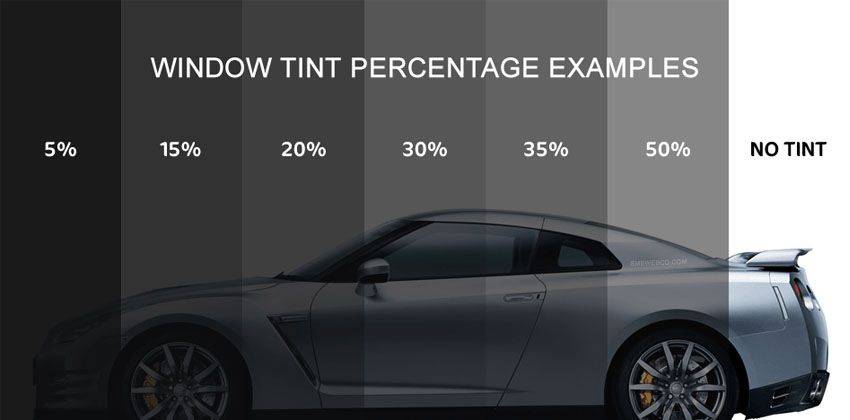
A VLT of 50% means half the light goes through. A VLT of 20% means only 20% of the light passes through, making it darker.
Common Tint Percentages
Some tint percentages are popular because they balance visibility and privacy. Laws may also limit how dark tint can be.
- 5% VLT – Very dark, often called “limo tint”
- 20% VLT – Dark tint, common for privacy
- 35% VLT – Medium tint, good for heat reduction
- 50% VLT – Light tint, lets in more light
- 70% VLT – Almost clear, slight shading
Choosing The Right Shade
Pick a tint shade that fits your needs. Think about how much light you want inside your car.
Also check local laws to make sure your tint is legal. Darker tints give more privacy but reduce visibility at night.
- Choose darker tint for privacy and heat protection
- Choose lighter tint for better visibility
- Balance comfort with safety and legal rules
Benefits Of Window Tinting
Window tinting adds a layer of protection to your car windows. It helps improve comfort and safety for drivers and passengers.
Tinted windows can reduce heat, block harmful rays, increase privacy, and reduce glare. These benefits make driving more pleasant.
Heat Reduction
Tinted windows block a significant amount of solar heat. This keeps the car cooler and reduces the need to use air conditioning.
Uv Protection
Window tinting blocks up to 99% of harmful UV rays. This protects your skin and prevents the car’s interior from fading or cracking.
Privacy And Security
- Limits visibility from outside
- Keeps valuables out of sight
- Makes the car harder to break into
- Provides a sense of security
Glare Reduction
| Benefit | Effect |
|---|---|
| Reduces eye strain | Less discomfort during bright sunlight |
| Improves visibility | Clearer view of the road |
| Increases safety | Fewer distractions while driving |

Credit: tlcautoglass.com
Potential Drawbacks
Tinting car windows can make your vehicle look sleek. But, it also has some drawbacks. It’s important to understand these before making a decision.
Not all tinting percentages are suitable for everyone. Each type has its own set of challenges that could affect your driving experience.
Visibility Issues
Dark window tints can reduce your visibility. This is especially true at night or during bad weather. It might make it hard to see other vehicles or pedestrians.
- Reduced clarity during nighttime driving
- Difficulty in observing side mirrors
- Limited visibility in foggy or rainy conditions
Legal Consequences
Every state has its own laws about window tinting. Dark tints can get you in trouble with the law. It’s crucial to check legal limits before tinting.
| State | Front Window Tint Limit | Rear Window Tint Limit |
| California | 70% | No Limit |
| New York | 70% | 70% |
| Florida | 28% | 15% |
Maintenance Challenges
Tinted windows require special care. Cleaning them with the wrong products can damage the tint. It’s important to follow proper maintenance steps.
How To Measure Tint Percentage
Car window tint percentage shows how much light passes through the glass. It helps you know if the tint is legal and safe.
Measuring tint percentage can be done with special tools or simple methods at home. Both ways give an idea of the tint’s darkness.
Using A Tint Meter
A tint meter is a device that measures the light that passes through the tinted glass. It gives an exact percentage of the tint level.
To use a tint meter, place it on both sides of the window glass. The device reads the light transmission and shows the tint percentage.
- Turn on the tint meter and calibrate it if needed
- Place the sensor on the inside of the window
- Hold the meter steady and read the percentage on the display
- Compare the reading with legal tint limits in your area
Diy Methods
You can estimate tint percentage without tools using light and a helper. This method is not exact but gives a rough idea.
Stand inside the car and have someone shine a flashlight from outside. Look at how much light passes through the window.
- If a lot of light comes through, the tint is light (high percentage)
- If little light passes, the tint is dark (low percentage)
- Compare with untinted windows for a better guess
- Use a phone camera to see light difference but results vary
Choosing Professional Tint Services
Tinting your car windows can enhance privacy and reduce glare. Choosing a professional service ensures high quality and long-lasting results. Here are key factors to consider.
Certified Installers
Certified installers have the training to apply tint correctly. They ensure the film adheres smoothly without bubbles. Check for certifications before hiring a service.
- Look for certification from recognized bodies
- Check customer reviews about installers
- Ensure they have experience with your car model
Warranty And Quality
Quality tint services often provide warranties. A good warranty covers bubbling, peeling, and cracking. Check the details of the warranty for peace of mind.
- Ask about warranty duration
- Check what issues are covered
- Ensure the tint film is of high quality
Cost Factors
Costs vary based on tint type and car size. Higher quality films might cost more but offer better performance. Consider your budget and the benefits of different options.
| Standard Films | Lower cost, basic UV protection |
| Premium Films | Higher cost, enhanced protection, longer lifespan |
Tips For Complying With Laws
Tinting car windows can improve comfort and privacy. Laws control how dark window tint can be. Following these laws keeps you safe and avoids fines.
Learn what rules apply in your area, get the right papers, and know when to remove illegal tint. This guide helps you follow the law correctly.
Checking Local Regulations
Window tint laws differ by state and city. They set limits on how dark the tint can be on each window. Check official websites or contact local authorities for rules.
- Find out the allowed visible light transmission (VLT) percentages.
- Check if there are special rules for front, rear, and side windows.
- Learn if medical exemptions apply to you.
- Note any inspection or certification requirements.
Getting Proper Documentation
Keep all papers related to your window tint. This includes certificates from the tint installer and any permission from authorities. Proper documents prove your tint is legal.
| Document Type | Purpose | Where to Get It |
| Tint Certificate | Shows tint meets legal limits | Tint shop or installer |
| Medical Exemption | Allows darker tint for health reasons | Doctor and local DMV |
| Inspection Report | Confirms legal tint during vehicle check | Vehicle inspection center |
When To Remove Illegal Tint
If your window tint breaks the law, remove it quickly. Illegal tint can cause fines and safety risks. Removing it keeps you legal and safe on the road.
- Get a professional to inspect your tint if unsure.
- Remove tint if it is darker than allowed by law.
- Replace with legal tint if needed.
- Keep documentation after removal or replacement.
Credit: www.zigwheels.my
Frequently Asked Questions
What Is The Ideal Tint Car Windows Percentage?
The ideal tint percentage balances visibility and heat reduction. Typically, 35% tint is popular for legal and comfort reasons. It lets in 35% of light, reducing glare and UV rays effectively without compromising safety or legality.
How Does Tint Percentage Affect Car Window Visibility?
Lower tint percentages mean darker windows and less visibility. A 5% tint is very dark and limits night vision. Higher percentages like 70% allow more light, improving visibility while still offering glare reduction and UV protection.
Are There Legal Limits For Tint Car Windows Percentage?
Yes, most states regulate tint darkness to ensure safety. Limits vary, often between 30% to 70% visible light transmission. It’s important to check local laws before tinting to avoid fines or having to remove illegal tints.
Does A Higher Tint Percentage Block More Heat?
No, lower percentages block more heat. Darker tints like 20% reduce heat better by blocking more sunlight. Higher percentages let in more light and heat, so for maximum cooling, choose a lower tint percentage.
Conclusion
Choosing the right tint car windows percentage matters a lot. It affects your comfort, privacy, and safety. Different states have different rules you must follow. Darker tints block more sunlight but may cause legal issues. Lighter tints let in more light and stay legal in many places.
Always check your local laws before tinting your car windows. Good tinting improves driving experience and protects you from glare. Keep these points in mind to make the best choice for your car.







