
Your car’s interior says a lot about you. A clean, fresh cabin doesn’t just look great—it makes every drive more enjoyable.
But where do you start when it comes to detailing your car’s interior? You might feel overwhelmed by all the nooks, crannies, and different materials. Don’t worry. This guide breaks down the steps to detailing your car interior into simple, easy-to-follow actions.
By the end, you’ll know exactly how to transform your car’s inside from messy to spotless. Ready to make your car feel like new again? Let’s dive in.
Gathering Essential Tools
Cleaning a car interior needs the right tools. Good tools make the job easier and better.
This guide helps you choose the basic supplies for a clean car inside.
Cleaning Supplies Checklist
Start with these cleaning supplies. They cover most surfaces inside the car.
- All-purpose cleaner
- Glass cleaner
- Leather or vinyl cleaner
- Brushes of different sizes
- Trash bags
- Disposable gloves
Choosing The Right Vacuum
A vacuum cleaner picks up dust and crumbs well. Choose one that works for cars.
| Type | Best Use | Pros | Cons |
| Handheld Vacuum | Small spots and tight spaces | Light and easy to use | Less power, small capacity |
| Wet/Dry Vacuum | Wet spills and dry dirt | Versatile and strong | Heavier and pricier |
| Car Vacuum with Attachments | Detail cleaning | Includes brushes and nozzles | More expensive |
Selecting Microfiber Cloths
Microfiber cloths clean without scratching. They work well on glass and surfaces.
- Choose soft, lint-free cloths
- Use different cloths for windows and dashboard
- Wash cloths often for best results
Preparing The Interior
Cleaning a car’s interior starts with good preparation. Taking time to get ready makes the cleaning easier and better.
Preparing helps protect your car and ensures every part gets cleaned properly. It sets the stage for a thorough detail.
Removing Personal Items
Take out all your personal belongings from the car. This includes bags, papers, and gadgets.
Clearing these items gives you space to clean every surface and prevents damage to your things.
Clearing Out Trash And Debris
Pick up all trash such as wrappers, bottles, and old receipts. Check under seats and in door pockets.
Removing debris helps avoid stains and makes vacuuming easier and more effective.
Protecting Sensitive Areas
Cover parts like the dashboard, electronics, and air vents with plastic or cloth. This stops water and cleaning products from causing harm.
Protecting these areas keeps your car safe and keeps the cleaning process smooth.
Vacuuming Techniques
Vacuuming is key to a clean car interior. It removes dust, dirt, and crumbs from many surfaces.
Using the right vacuuming techniques helps keep your car fresh and neat.
Cleaning Seats And Upholstery
Start by choosing the right vacuum attachment. Use a soft brush for fabric seats and a crevice tool for seams.
- Vacuum in straight lines to avoid missing spots.
- Focus on seat edges and stitching where dirt builds up.
- Use gentle pressure to avoid damaging upholstery.
- Empty the vacuum bag or canister often for strong suction.
Reaching Under Seats And Crevices
Under seats and narrow crevices trap a lot of dust and debris. Use a crevice tool to reach tight spots.
- Slide the seat forward to expose more space underneath.
- Vacuum slowly to lift dirt from hard-to-reach places.
- Check for small objects before vacuuming to avoid damage.
Vacuuming Carpets And Floor Mats
Carpets and floor mats need thorough vacuuming to remove ground-in dirt. Remove mats for better cleaning.
| Tool | Purpose | Tip |
| Upright vacuum | Carpet deep cleaning | Use steady passes |
| Handheld vacuum | Small mats and corners | Focus on edges |
| Brush attachment | Lift dirt from fibers | Brush gently |
Credit: www.mercedes-benz-brampton.ca
Cleaning Upholstery And Leather
Cleaning your car’s interior helps keep it fresh and comfortable. Upholstery and leather need different care methods. Using the right techniques protects these materials and extends their life.
Below are simple steps to clean fabric seats and leather surfaces properly. Follow these to remove stains and keep your car looking great.
Spot Treating Stains
Act quickly to treat stains on upholstery or leather. Use a soft cloth and a cleaner made for your car’s material. Gently blot the stain without rubbing hard to avoid damage.
- Blot fresh spills immediately with a dry cloth.
- Apply a stain remover suitable for fabric or leather.
- Let it sit a few minutes, then gently wipe off.
- Repeat if the stain remains, but avoid soaking the area.
- Allow the spot to air dry completely.
Washing Fabric Seats
Fabric seats need careful washing to avoid shrinking or color loss. Use a mild cleaner and soft brush. Rinse with clean water and dry thoroughly to prevent mildew.
| Cleaning Step | Details |
| Vacuum | Remove loose dirt and debris |
| Apply Cleaner | Use a gentle fabric cleaner |
| Scrub | Use a soft brush in circular motions |
| Rinse | Wipe with a damp cloth to remove cleaner |
| Dry | Air dry or use a fan; avoid sunlight |
Conditioning Leather Surfaces
Leather needs conditioning to stay soft and prevent cracks. Clean the leather first, then apply a conditioner. Use a soft cloth and work in small sections for best results.
- Clean leather with a damp cloth and mild soap.
- Dry the surface with a soft towel.
- Apply a small amount of leather conditioner.
- Rub it in gently using circular motions.
- Let the conditioner absorb for 20 minutes.
- Buff the surface with a clean cloth to restore shine.
Dashboard And Console Care
Keeping your car’s dashboard and console clean helps maintain its look. Dirt and dust can build up quickly on these surfaces.
Proper care protects the materials and keeps everything working well. Use safe methods to clean and protect these areas.
Dusting And Wiping Surfaces
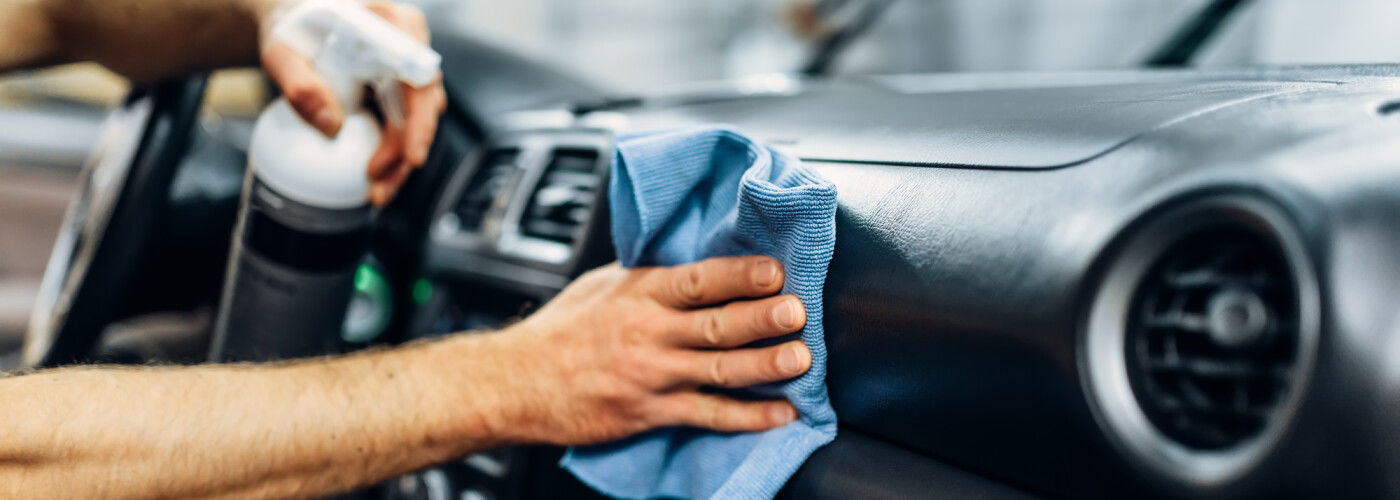
Start by removing loose dust with a soft cloth or microfiber duster. Avoid using rough materials that can scratch.
Wipe surfaces with a damp cloth and a gentle cleaner made for car interiors. Do not soak the cloth to prevent damage.
- Use a microfiber cloth for dusting
- Choose mild, non-abrasive cleaners
- Wipe gently to avoid scratches
- Dry surfaces with a clean cloth
Cleaning Vents And Buttons
Vents and buttons gather dust in hard-to-reach spots. Use small brushes or compressed air to clean these areas.
Be careful not to press too hard on buttons. Use a soft brush or cotton swabs to remove dirt around edges.
- Use a soft brush for vents
- Try compressed air for tight spots
- Clean around buttons gently
- Use cotton swabs for precise cleaning
Protecting With Dressings
After cleaning, apply a protective dressing to keep surfaces shiny and prevent fading. Choose water-based products.
Apply the dressing with a soft cloth in small amounts. Avoid oily products that attract more dust.
- Use water-based protectants
- Apply with a soft cloth
- Use small amounts to avoid buildup
- Do not use oily or greasy products

Credit: www.youtube.com
Window And Mirror Cleaning
Cleaning car windows and mirrors is important for safety and clarity. Clear windows ensure better vision while driving.
Use the right products and techniques to keep interior glass streak-free and shining.
Choosing The Right Cleaner
Select a cleaner made for glass. Avoid ammonia-based products as they can damage window tints.
Check labels to ensure the cleaner is safe for car interiors and provides a streak-free finish.
- Opt for automotive glass cleaners
- Ensure it’s ammonia-free
- Read user reviews for effectiveness
Techniques For Streak-free Shine
Use a microfiber cloth to clean glass surfaces. These cloths leave no lint and ensure a clear shine.
Wipe in a circular motion to reduce streaks. Finish with vertical strokes for a polished look.
- Use circular motions first
- Finish with vertical strokes
- Buff with a dry cloth if needed
Cleaning Interior Glass Surfaces
Start by spraying the cleaner on the cloth, not directly on the glass. This prevents dripping and overspray.
Pay special attention to the edges of windows and mirrors. These areas often collect more dust and grime.
- Spray cleaner onto the cloth
- Focus on window edges
- Repeat if necessary for stubborn spots
Deodorizing The Interior
Keeping your car’s interior fresh is important for a pleasant drive. Bad smells can come from food, pets, or smoke. Deodorizing removes these unwanted odors and makes the car smell clean.
There are several ways to deodorize your car. You can remove odors, use air fresheners safely, or try natural methods. Each way helps improve the air inside your car.
Removing Lingering Odors
Start by cleaning the car’s interior thoroughly. Vacuum seats and carpets to remove dirt and crumbs. Wipe down surfaces to get rid of dust and spills.
- Clean or replace cabin air filters to reduce bad smells.
- Use baking soda on carpets and seats, then vacuum after 15 minutes.
- Sprinkle activated charcoal in small containers to absorb odors.
- Leave the windows open for fresh air to circulate.
Using Air Fresheners Safely
Air fresheners can cover bad smells but use them with care. Some scents can be too strong or cause allergies. Place fresheners where they do not block air vents or distract the driver.
| Type | Best Use | Notes |
| Gel Fresheners | Dashboard or cup holder | Lasts several weeks |
| Hanging Fresheners | Rearview mirror | Use mild scents only |
| Spray Fresheners | Quick odor removal | Use sparingly |
| Plug-in Fresheners | Power outlet | Adjust scent strength |
Natural Deodorizing Methods
Natural methods avoid chemicals and keep air fresh with simple items. These ideas are safe and easy to use inside any car.
Try these natural deodorizing ideas:
- Place a bowl of white vinegar in the car overnight to absorb smells.
- Use coffee grounds in a small open container to mask odors.
- Put dried lavender or cedar chips in a breathable bag for a fresh scent.
- Rub lemon or orange peels on surfaces for a citrus smell.

Credit: saltycaptain.com.au
Final Touches
When detailing a car interior, final touches are crucial for a polished look. These steps ensure every detail is perfect and ready for use.
Let’s explore how to reorganize personal items, inspect for missed spots, and maintain a clean interior effectively.
Reorganizing Personal Items
Neatly organizing personal items enhances the overall look of your car interior. It also makes everything easy to find when needed.
- Sort items into categories like emergency, entertainment, and cleaning supplies.
- Use storage compartments to keep items out of sight.
- Label containers for easy identification.
Inspecting For Missed Spots
Check for any spots you might have missed during cleaning. A thorough inspection ensures no dirt is left behind.
Maintaining A Clean Interior
Keeping your car interior clean requires regular maintenance. Follow these tips to ensure a tidy and fresh environment.
| Task | Frequency |
| Vacuum seats and floors | Weekly |
| Wipe down surfaces | Weekly |
| Organize compartments | Monthly |
Frequently Asked Questions
What Are The Essential Tools For Car Interior Detailing?
Essential tools include microfiber cloths, vacuum cleaner, brushes, interior cleaner, and leather conditioner. These help remove dust, stains, and odors effectively. Using the right tools ensures a thorough and safe cleaning without damaging surfaces.
How Often Should I Detail My Car Interior?
Detail your car interior every 3 to 6 months for best results. Frequent cleaning prevents dirt buildup, maintains appearance, and preserves materials. Regular detailing also improves air quality and comfort inside your vehicle.
Can I Detail My Car Interior Myself?
Yes, you can detail your car interior yourself with proper tools and techniques. Follow step-by-step cleaning for seats, carpets, dashboard, and windows. DIY detailing saves money and ensures your car looks fresh and well-maintained.
What Products Are Safe For Car Interior Surfaces?
Use pH-balanced, non-toxic cleaners designed for automotive interiors. Avoid harsh chemicals that can damage leather, vinyl, or fabric. Always test products on a small area before full application to ensure safety and effectiveness.
Conclusion
Detailing your car’s interior takes time and care. Clean each part carefully and use the right tools. Small steps make a big difference in the end. A fresh, tidy interior feels good every time you drive. Keep your car clean regularly to protect its value.
Enjoy the comfort of a neat and fresh space. Your effort shows in every detail you touch. Simple habits keep your car looking its best.







