
Your car is more than just a ride—it’s a reflection of you. When your vehicle shines inside and out, it not only looks great but also feels amazing every time you get behind the wheel.
But how do you achieve that showroom finish without spending a fortune? You’re about to discover simple, clear steps to detail your car like a pro. Whether you want to boost your car’s value, impress your friends, or just enjoy driving a spotless ride, these tips will guide you through the process from start to finish.
Ready to transform your car? Let’s dive in.

Credit: www.mycarcleaning.co.uk
Prepare Your Workspace
Detailing a car needs a clean and organized workspace. You must set up an area that is safe and easy to work in.
Preparing your workspace helps you finish the job faster. It also protects your car and tools.
Gather Necessary Supplies
Collect all the tools and products you need before you start. This keeps you from stopping to find items.
- Car wash soap and buckets
- Microfiber cloths and sponges
- Wax, polish, and sealants
- Vacuum cleaner and brushes
- Glass cleaner and tire shine
Choose A Suitable Location
Pick a flat and shaded place to work on your car. Avoid direct sunlight to stop soap and polish from drying too fast.
Make sure the spot is free from dust and dirt. This helps keep your car clean while you work.
Ensure Proper Lighting
Good lighting shows dirt and scratches on your car. Use natural light if possible, or add bright lamps.
- Work during daytime for natural light
- Use LED lights for clear visibility
- Position lights to avoid shadows
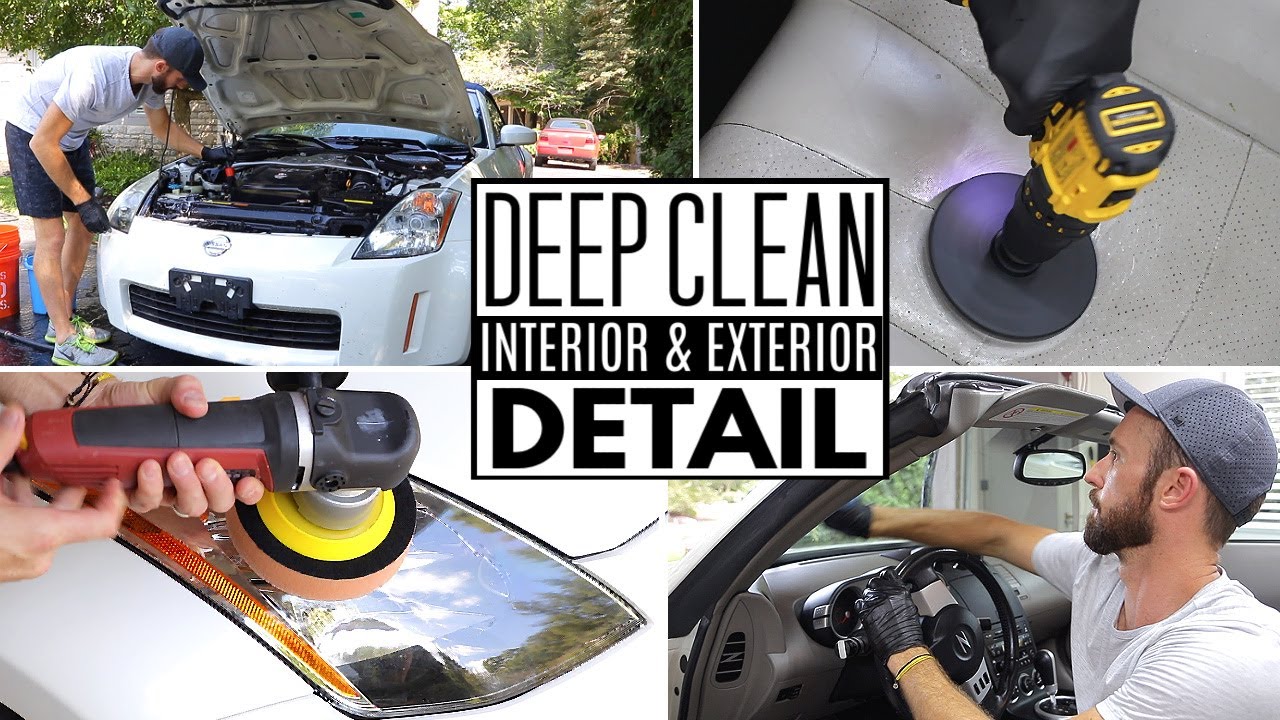
Credit: www.youtube.com
Wash The Exterior
Washing your car’s exterior is the first step to a clean and shiny finish. Dirt and grime can damage the paint if left on too long.
Use proper washing techniques to protect your car’s surface and get the best results.
Rinse Off Loose Dirt
Start by rinsing your car with water to remove loose dirt and dust. This stops scratching during washing.
Use a hose or pressure washer, but keep the spray gentle to avoid damage.
Use The Two-bucket Method
Use two buckets: one with soapy water and one with clean water. This helps keep dirt off your sponge or cloth.
Dip your sponge in the soapy water, wash a section, then rinse it in the clean water before re-soaping.
- Bucket 1: Soap and water
- Bucket 2: Clean water for rinsing sponge
- Use a soft sponge or microfiber cloth
- Wash from top to bottom
Clean Wheels And Tires
Wheels and tires hold brake dust and dirt. Use a brush and wheel cleaner to scrub them well.
Rinse thoroughly to remove all cleaner and grime. Clean wheels improve your car’s look and safety.
Decontaminate The Paint
Cleaning your car’s paint removes dirt and pollutants. This step keeps the paint smooth and shiny.
Decontamination helps prepare the surface for polishing or waxing. It also prevents damage over time.
Apply Clay Bar Treatment
Use a clay bar to remove fine particles stuck on the paint. This includes dust, tree sap, and industrial fallout.
- Wash the car thoroughly before using the clay bar.
- Spray lubricant on a small section of the paint.
- Gently rub the clay bar in a back-and-forth motion.
- Keep folding the clay to expose a clean side.
- Wipe the area with a microfiber cloth after treatment.
Remove Tar And Bugs
Tar and bug splatters can stick hard to the paint. Removing them needs special care to avoid scratches.
| Type | Removal Method |
| Tar | Use a tar remover spray and soft cloth |
| Bug Residue | Apply bug remover and let it sit briefly |
| Stubborn Spots | Use gentle scrubbing with a soft brush |
Use Iron Remover Safely
Iron remover cleans particles from brake dust and pollution. It changes color as it works.
Follow these tips for safe use:
- Spray iron remover on dry paint.
- Wait 5 to 10 minutes for reaction.
- Rinse thoroughly with water.
- Do not let the product dry on the surface.
- Wear gloves to protect your skin.

Credit: avalonking.com
Polish For Gloss
Polishing your car adds shine and protects the paint. It removes minor scratches and makes the surface smooth. Using the right polish and tools is important for a great finish.
Follow these steps to polish your car correctly. Focus on small areas and use the right products for the best results.
Choose The Right Polish
Select a polish that fits your car’s paint condition. Some polishes remove scratches, while others only add shine. Look for a polish that matches your needs and paint type.
- Use a cutting polish for deep scratches
- Use a finishing polish for light scratches and gloss
- Check if the polish is safe for your car’s paint
- Pick a product that is easy to apply and wipe off
Use A Dual-action Polisher
A dual-action polisher is safer and easier than a rotary polisher. It spins and oscillates, reducing heat and paint damage. This tool helps spread polish evenly and boosts gloss.
| Polisher Type | Best For | Risk Level |
| Dual-Action Polisher | All skill levels | Low |
| Rotary Polisher | Experienced users | High |
| Hand Polishing | Small jobs | Low |
Work On Small Sections
Polish your car in small, manageable sections. This method ensures even coverage and better control. It also prevents the polish from drying out too fast.
- Divide the car into panels or sections
- Apply polish to one section at a time
- Use the polisher slowly in overlapping passes
- Wipe off residue before moving to the next section
Protect With Wax Or Sealant
Applying wax or sealant is key to keeping your car’s paint safe. It adds a strong layer that guards against dirt and water.
This protection also keeps the car looking shiny and new for longer. Follow these steps to apply wax or sealant properly.
Select Suitable Protection
Choose a wax or sealant that fits your car’s needs. Consider the type of paint and your climate.
- Carnauba wax offers a deep, warm shine but lasts shorter.
- Synthetic sealants last longer and resist weather well.
- Check product labels for compatibility with your paint.
- Pick products that are easy to apply and remove.
Apply Evenly
Spread the wax or sealant in small sections for best results. Use a foam applicator or soft cloth.
| Tip | Explanation |
| Work in shade | Prevents product from drying too fast |
| Use circular motions | Ensures even coverage |
| Apply thin layers | Helps product bond better |
| Let it haze | Wait until product becomes cloudy before buffing |
Buff To Shine
After the wax or sealant hazes, buff the surface to a shine. Use a clean microfiber towel for this step.
Follow these buffing tips:
- Use light pressure to avoid removing protection
- Buff in circular motions for a uniform shine
- Flip the towel often to a clean side
- Check your work under good light
Detail The Interior
Cleaning a car’s interior requires attention to detail. A clean interior improves comfort. It also increases the car’s value. Follow these steps to detail the interior effectively.
Vacuum Thoroughly
Start by removing all floor mats. Use a vacuum to clean the seats. Pay attention to crevices where dirt hides. Don’t forget the trunk and under the seats.
- Remove personal items and trash
- Use attachments for tight spots
- Vacuum headliner gently
Clean And Condition Leather
Leather seats need special care. Use a leather cleaner to wipe them down. Apply a conditioner to keep them soft. This prevents cracking and fading.
- Test products on a small area first
- Use a microfiber cloth for cleaning
- Apply conditioner with a soft cloth
Treat Plastics And Vinyl
Plastics and vinyl need regular cleaning. Use a gentle cleaner to wipe surfaces. Apply a protectant to prevent fading. This keeps the interior looking new.
- Use a soft brush for dust removal
- Apply cleaner with a damp cloth
- Buff with a dry cloth for a shine
Clean Windows And Mirrors
Keeping your car windows and mirrors clean is crucial for safety. Clear visibility helps you drive safely in all conditions.
With the right tools and techniques, you can ensure your car’s windows and mirrors are spotless.
Use Streak-free Cleaner
Select a cleaner that promises no streaks. Streaks can make it hard to see, especially at night.
- Choose a cleaner specifically for glass
- Avoid using ammonia-based products
- Ensure the cleaner is safe for tinted windows
Wipe With Microfiber Towels
Microfiber towels are perfect for cleaning windows. They absorb well and leave no lint behind.
Inspect For Smudges
After cleaning, look for smudges or missed spots. Proper inspection ensures your windows and mirrors are fully clean.
| Problem | Solution |
| Smudges | Re-wipe with a clean microfiber towel |
| Streaks | Use a little more cleaner |
| Haze | Buff with a dry towel |
Final Touches
After cleaning and polishing your car, the final steps make it look perfect. These touches protect your work and add shine.
Spend time on details like tires and check carefully for missed spots. Let your work settle before driving.
Dress Tires For Shine
Apply tire dressing to clean tires for a fresh, glossy look. It protects rubber and keeps tires from drying out.
- Choose a water-based tire dressing for easy cleanup.
- Use a foam applicator or brush to spread evenly.
- Cover all tire surfaces, including sidewalls.
- Allow the dressing to dry for a satin or glossy finish.
Check For Missed Spots
Look over your car carefully to find spots missed during washing or polishing. Fix these areas for a flawless result.
| Area | Common Issues | Fix Method |
| Windows | Smudges, streaks | Use glass cleaner and microfiber cloth |
| Door Jambs | Dirt buildup | Wipe with damp cloth |
| Mirrors | Water spots | Polish with glass cleaner |
| Trim | Dust and residue | Use detail brush and cleaner |
Allow Time To Cure
Let waxes, sealants, or coatings cure fully before use. This helps protect and extend the finish.
Follow these curing tips for best results:
- Keep the car in shade and dry area.
- Avoid washing for 24 hours after application.
- Do not expose to rain or heavy dew.
- Wait 48 hours before waxing again.
Frequently Asked Questions
What Are The Essential Steps To Detail A Car?
Car detailing involves washing, claying, polishing, and waxing the exterior. Interior cleaning includes vacuuming, shampooing, and conditioning surfaces. Each step removes dirt, protects paint, and restores shine, enhancing the car’s appearance and value.
How Often Should I Detail My Car?
Detail your car every 4 to 6 months for optimal maintenance. Regular detailing prevents paint damage, removes contaminants, and keeps interiors fresh. Frequency depends on usage, climate, and storage conditions.
What Tools Are Needed For Car Detailing?
Basic tools include microfiber towels, car wash soap, clay bars, polishers, and wax. Interior tools like vacuum cleaners, brushes, and upholstery cleaners are essential. Proper tools ensure effective and safe detailing results.
Can I Detail My Car At Home Or Need Professionals?
You can detail your car at home with proper tools and time. Professionals provide deeper cleaning and use advanced products for better results. Choose based on your skill level and desired finish.
Conclusion
Detailing a car takes time and care but pays off well. Clean every part step-by-step for the best results. Use the right tools and products to protect your car’s paint. Don’t rush; small details make a big difference. Regular detailing keeps your car looking fresh and new.
Enjoy the shine and feel proud of your work. Keep practicing to improve your skills easily. Your car will thank you with a great look every day. Simple steps, great care, and patience lead to success.







