
Changing your tires with the seasons is one of the smartest ways to keep your car safe and running smoothly. If you’ve never swapped winter tires for summer ones—or if you want to do it yourself this time—you’re in the right place.
This step-by-step guide will walk you through the entire process, making it easy and stress-free. By the end, you’ll save time, money, and gain confidence in maintaining your vehicle. Ready to get started? Let’s dive in!
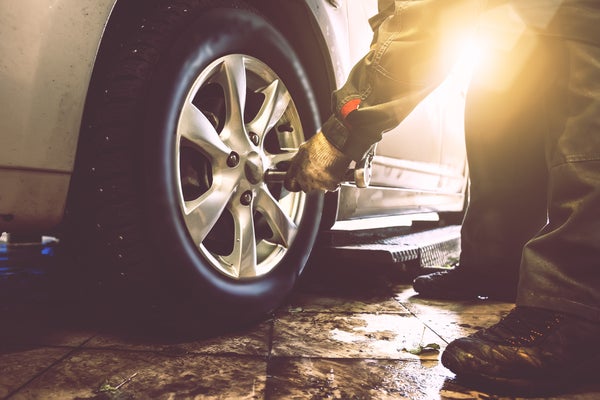
Credit: www.continental-tires.com
Preparing For The Tire Swap
Changing your tires between winter and summer is important for safety. Preparing well helps the process go smoothly. You need the right tools, location, and tire check.
This guide covers how to get ready before you start swapping your tires. Taking time to prepare saves effort and avoids problems.
Gathering Necessary Tools
Before you start, collect all tools needed for the tire swap. Having everything ready will make the task easier and faster.
- Car jack to lift the vehicle
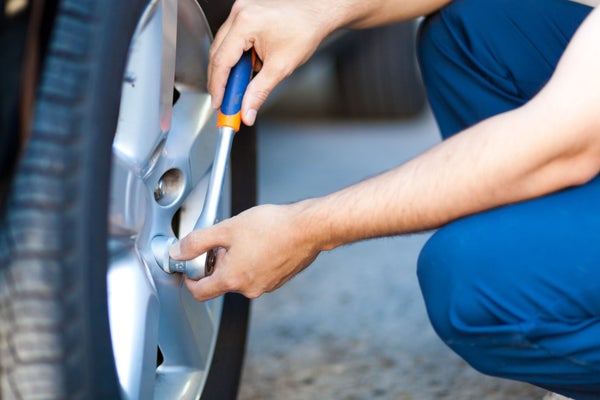
- Lug wrench to remove and tighten lug nuts
- Tire pressure gauge to check inflation
- Torque wrench for proper nut tightening
- Wheel chocks to keep the car from rolling
- Gloves to protect your hands
- Clean cloth to wipe tires and rims
Choosing The Right Location
Select a flat and stable surface to swap tires. This reduces risks and helps you work safely.
| Location | Reason |
| Driveway | Flat and close to home |
| Garage | Protected from weather |
| Parking lot | Open space and level ground |
| Sidewalk (not recommended) | Uneven and unsafe |
Make sure the area is well-lit and free from traffic. Clear any objects that could block your work.
Checking Tire Condition
Inspect each tire before swapping. Look for signs of damage or wear that could affect safety.
- Check tread depth with a gauge or coin
- Look for cracks or cuts on the sidewalls
- Find any bulges or deformities
- Ensure tires are properly inflated
- Verify the tires match your vehicle’s requirements
Removing Winter Tires
Changing tires is important for safe driving. Removing winter tires carefully helps prepare for summer driving.
This guide explains how to remove winter tires step by step. Follow each part to do the job safely and correctly.
Loosening Lug Nuts
Start by loosening the lug nuts before lifting the vehicle. This makes removing the tire easier and safer.
- Use a lug wrench that fits your lug nuts well.
- Turn the wrench counterclockwise to loosen the nuts.
- Do not remove the nuts completely yet; just loosen them.
- If nuts are very tight, use your body weight carefully to apply force.
Lifting The Vehicle Safely
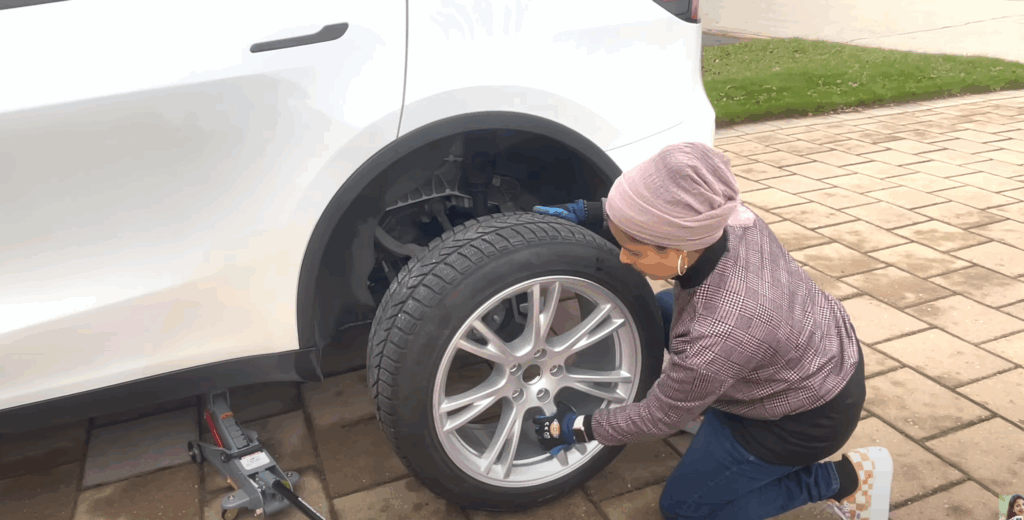
Use a jack to lift the vehicle. Safety is very important during this step.
| Safety Tips | Description |
|---|---|
| Park on Level Ground | Ensure the vehicle is on a flat, stable surface to prevent rolling. |
| Engage Parking Brake | Keep the vehicle from moving while lifted. |
| Use Jack Stands | Place stands under the car for extra support after lifting. |
| Follow Vehicle Manual | Check the correct lifting points specified by the manufacturer. |
Taking Off The Tires
After the vehicle is lifted and lug nuts loosened, you can remove the tires safely.
- Fully unscrew the lug nuts and keep them in a safe place.
- Hold the tire firmly and pull it straight off the wheel hub.
- Place the tire flat on the ground to avoid rolling.
- Repeat the process for all winter tires you want to remove.
Installing Summer Tires
Installing summer tires is important for better driving in warm weather. Summer tires improve grip and safety on dry and wet roads.
This guide helps you install summer tires safely and correctly. Follow each step carefully to avoid problems later.
Aligning The Tires Correctly
Place the summer tire on the wheel hub with the valve stem facing out. Make sure the tire fits snugly on the hub to avoid wobbling.
Check the tire’s rotation direction if it has a pattern. Align the arrow on the tire with the forward direction of the car.
Securing Lug Nuts Properly
Tighten the lug nuts in a star pattern. This helps the wheel sit evenly on the hub and prevents damage.
- Place all lug nuts on the wheel studs by hand to avoid cross-threading.
- Use a wrench to tighten each lug nut partially in the star pattern.
- Once all nuts are hand-tightened, use a torque wrench to tighten each nut to the manufacturer’s recommended torque.
- Re-check the lug nuts after driving a short distance to ensure they are still secure.
Lowering The Vehicle
After securing the tires, slowly lower the vehicle using the jack. Make sure the car is stable before removing the jack completely.
| Step | Action | Safety Tip |
| 1 | Use the jack handle to lower the car gently. | Lower slowly to avoid sudden drops. |
| 2 | Remove the jack once the tire touches the ground. | Check if the car sits evenly on all tires. |
| 3 | Double-check the lug nuts for tightness. | Use a torque wrench for best results. |
Final Checks After Swap
After swapping your winter and summer tires, it is important to do final checks. These checks keep you safe on the road.
Make sure everything is tight and correct before driving. This helps avoid problems later.
Tightening Lug Nuts To Torque Specs
Tighten lug nuts to the correct torque. Too loose or too tight can cause damage or accidents.
Use a torque wrench and follow the car maker’s specs. Tighten nuts in a star pattern for even pressure.
- Check your car manual for torque value
- Tighten nuts in a criss-cross or star pattern
- Use a torque wrench for accuracy
- Do not over-tighten or under-tighten
Checking Tire Pressure
Check tire pressure after the swap. Tires can lose pressure during removal or installation.
Use a tire pressure gauge and fill tires to the recommended level. Proper pressure improves safety and tire life.
- Find recommended pressure on the driver’s door or manual
- Check pressure when tires are cold
- Add or release air as needed
- Repeat for all four tires
Inspecting For Proper Installation
Look closely at each tire to make sure it is installed correctly. Check for gaps or misalignment.
Make sure the tire sits flush on the hub. Also, check the valve stems and wheel balance if possible.
- Tire should fit snugly on the hub
- No visible gaps between rim and tire
- Valve stems should be straight and not damaged
- Check for wheel wobble or uneven tire wear
Storage Tips For Off-season Tires
Proper storage helps your tires last longer and stay safe. Off-season tires need care before storing.
Follow these tips to keep your tires in good shape until you need them again.
Cleaning And Drying Tires
Clean tires remove dirt and chemicals that can cause damage. Use water and mild soap to wash them.
After washing, dry tires completely to stop mold and rust from forming on metal parts.
Choosing Storage Location
Select a cool, dry place away from sunlight and heat sources. Avoid places with ozone, like near motors.
- Keep tires off the ground using shelves or pallets
- Store tires away from chemicals and solvents
- Avoid areas with large temperature swings
- Ensure good air circulation to prevent moisture buildup
Using Tire Bags Or Covers
Use tire bags or covers to protect from dust and sunlight. These help reduce tire aging.
| Type of Cover | Benefits |
| Plastic Tire Bags | Protect from dust and moisture |
| Cloth Covers | Allow air flow, reduce heat buildup |
| Opaque Covers | Block UV rays and sunlight |
Credit: www.barum-tyres.com
Safety Tips During Tire Swap
Swapping winter and summer tires is important for safe driving. Doing it right ensures your safety and extends the life of your tires. Here are some key safety tips to follow during a tire swap.
Always remember to work on a flat surface and engage the parking brake. This will prevent the car from moving while you are working on it.
Using Jack Stands Correctly
Jack stands are crucial for keeping your car stable. Always use them after lifting the car with a jack. Never rely solely on the jack as it can fail.
Position the stands under the car’s jacking points. These are usually marked in your car’s manual. Ensure they are locked securely before you start working.
- Check the weight limit of the jack stands
- Make sure they are on a flat surface
- Never place them under plastic or soft parts
Avoiding Common Mistakes
Many people make errors during a tire swap that can lead to accidents. Avoid rushing through the process. Double-check everything before you start.
Ensure you tighten the lug nuts in a criss-cross pattern. This ensures even pressure on the wheel. Do not over-tighten the nuts as it can damage the wheel.
- Do not mix different tire types
- Make sure tires are inflated properly
- Check tire treads for wear
When To Seek Professional Help
Sometimes it is best to consult a professional. If you are unsure or lack the right tools, a professional can help you safely swap your tires.
If your car has complex tire systems, like sensors, a professional can ensure they are not damaged. Professional help is also wise if your tires need balancing.
- Consult a mechanic if you hear strange noises
- Seek help if the tires wear unevenly
- Get assistance if you notice vibration while driving
Credit: thasneen.com
Frequently Asked Questions
When Is The Best Time To Swap Winter And Summer Tires?
The best time to swap tires is when temperatures consistently stay above or below 7°C (45°F). This ensures optimal tire performance, safety, and longevity. Changing tires at the right time helps maintain grip and fuel efficiency during seasonal shifts.
How To Safely Swap Winter And Summer Tires At Home?
To swap tires safely, use a reliable jack and work on a flat surface. Loosen lug nuts before lifting the car. Remove old tires carefully, install new ones, and tighten lug nuts in a star pattern. Always check tire pressure after installation.
Can I Reuse Old Tires When Swapping Seasons?
Yes, you can reuse old tires if they have sufficient tread depth and no visible damage. Inspect tires for cracks, bulges, or uneven wear. Proper maintenance and storage can extend tire life, ensuring safety and performance in both winter and summer.
Conclusion
Swapping winter and summer tires keeps your car safe and efficient. Follow each step carefully to avoid mistakes. Check tire pressure and tread depth before driving. Store off-season tires in a cool, dry place. Regular tire changes improve handling and save money long term.
Stay prepared for changing weather conditions on the road. Simple care makes a big difference in tire life. Keep this guide handy for your next tire swap. Safe driving starts with the right tires at the right time.







