
Are you looking to get the most out of your tires and keep your ride smooth and safe? Knowing how to rotate your tires correctly can save you money and improve your car’s performance.
But if you’ve never done it before, the process might seem confusing or even intimidating. Don’t worry — this step-by-step guide will walk you through everything you need to know, with simple instructions you can follow easily. By the end, you’ll have the confidence to rotate your tires like a pro and extend their lifespan.
Ready to take control of your car maintenance? Let’s get started!
Why Rotate Tires
Tire rotation means moving tires from one position to another on your car. This helps tires wear evenly. It also improves safety and saves money.
Rotating tires regularly keeps your car running smoothly. It helps your tires last longer and gives better control on the road.
Benefits Of Tire Rotation
Rotating tires gives many benefits to your car and your wallet. It helps your tires wear out evenly and keeps your car stable.
- Extends tire life by preventing uneven wear
- Improves gas mileage by reducing rolling resistance
- Enhances vehicle handling and safety
- Maintains balanced traction in all weather
- Reduces the chance of tire failure
Signs Tires Need Rotation
Knowing when to rotate tires helps avoid problems. Watch for uneven tread wear or noises when driving.
- Tread wears more on one side than the other
- Your car pulls to one side while driving
- Vibrations or shaking in the steering wheel
- Visible bald spots or uneven tread depth
- Noises like squealing when turning
If you see these signs, rotate your tires soon. Regular checks keep your tires in good shape.
Tools You Need
Rotating your tires keeps your car safe and extends tire life. You need some basic tools to do the job well.
Gathering the right tools helps you work faster and safer. This guide covers all the essentials.
Essential Equipment
Use these tools to remove and replace your tires correctly. They make the process easier and safer.
- Car jack to lift the vehicle
- Lug wrench to loosen and tighten lug nuts
- Torque wrench to ensure correct tightness
- Wheel chocks to block wheels from moving
- Gloves to protect your hands
Safety Gear
Safety gear protects you while working on your car. Always wear proper equipment to avoid injuries.
| Safety Item | Purpose |
| Protective gloves | Prevent cuts and bruises |
| Safety glasses | Shield eyes from dust and debris |
| Closed-toe shoes | Protect feet from heavy tools or tires |
| Reflective vest | Increase visibility if working roadside |
Preparation Steps
Rotating tires helps your vehicle last longer and drive safely. Preparing properly makes the process easier and safer.
Follow these steps before lifting your car or removing tires. This guide covers the key preparation tasks.
Park On A Level Surface
Find a flat and solid place to park your car. This stops the vehicle from moving when you lift it.
A level surface helps keep the car stable. Avoid hills or soft ground like dirt or grass.
- Choose a flat driveway or garage floor
- Check that the surface is firm and dry
- Apply the parking brake to lock the wheels
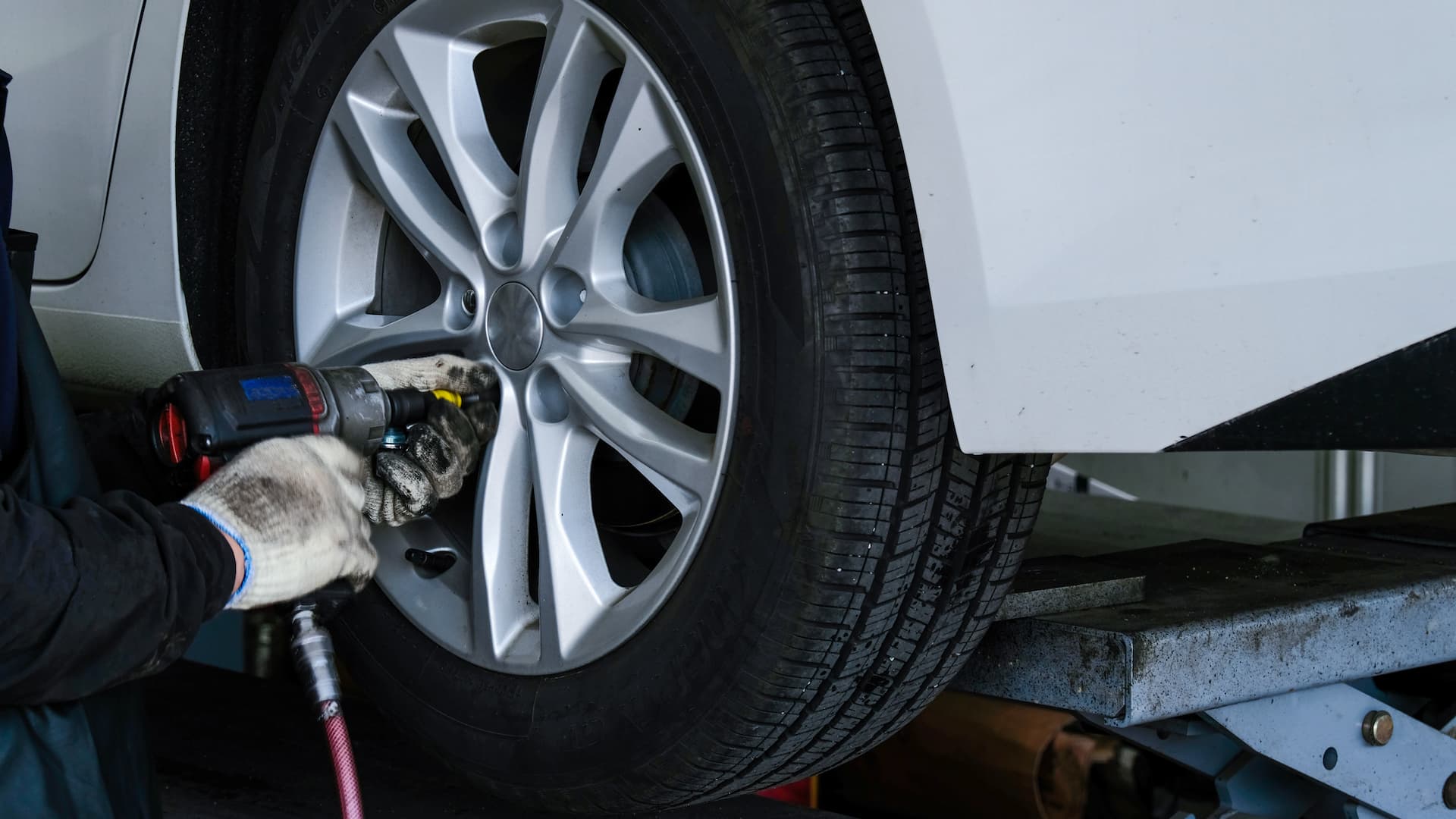
Loosen Lug Nuts
Before lifting the car, loosen the lug nuts on each tire. This is easier while the tires touch the ground.
Use a wrench to turn the lug nuts counterclockwise. Don’t remove them fully yet, just break their tight hold.
- Use the correct size wrench or socket
- Turn lug nuts left to loosen
- Loosen nuts just enough to turn by hand
- Do this for all tires you will rotate
Credit: www.bfgoodrich.ca
Lifting The Vehicle
Lifting your vehicle safely is important before rotating tires. You need the right tools and care.
This guide covers using a jack and supporting the vehicle with jack stands. Follow each step closely.
Using A Jack Safely
Place the jack under the vehicle’s recommended lift point. This location is usually near the tires.
- Park the car on a flat, hard surface.
- Engage the parking brake to prevent movement.
- Loosen the lug nuts slightly before lifting.
- Position the jack securely under the lift point.
- Raise the vehicle slowly while checking stability.
Supporting With Jack Stands
Never rely on the jack alone to hold the vehicle. Use jack stands to keep it safe.
| Action | Details |
| Place jack stands | Under the vehicle frame near the lift point |
| Lower vehicle | Slowly let the car down onto the stands |
| Check stability | Gently shake the car to ensure it is secure |
| Remove the jack | Only after the vehicle is fully supported |
Tire Rotation Patterns
Rotating your tires helps them wear evenly. It keeps your car safe and extends tire life.
Different cars need different rotation patterns. Choose the right one for your vehicle type.
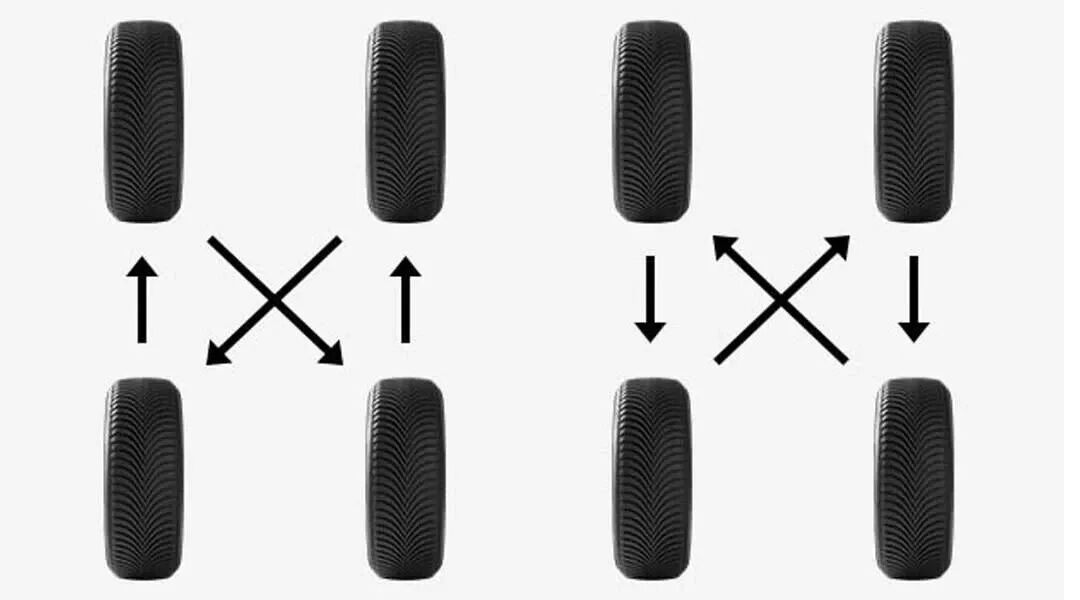
Front-wheel Drive Pattern
In front-wheel drive cars, the front tires wear faster. They handle most of the driving force.
The front tires move straight back to the rear. The rear tires cross to the front on opposite sides.
- Front left tire goes to rear left
- Front right tire goes to rear right
- Rear left tire moves to front right
- Rear right tire moves to front left
Rear-wheel Drive Pattern
Rear-wheel drive cars wear the rear tires faster. They deliver power to the back wheels.
The rear tires move straight up to the front. The front tires cross to the rear on opposite sides.
- Rear left tire goes to front left
- Rear right tire goes to front right
- Front left tire moves to rear right
- Front right tire moves to rear left
All-wheel Drive Pattern
All-wheel drive cars need a special rotation. All tires share the power equally.
Use a “cross” pattern. The front tires move to the rear on the same side. The rear tires move to the front and cross sides.
- Front left tire goes to rear left
- Front right tire goes to rear right
- Rear left tire moves to front right
- Rear right tire moves to front left
Credit: www.autonationmobileservice.com
Removing And Swapping Tires
Rotating tires is important for keeping your car safe. It helps tires wear evenly. This guide will walk you through removing and swapping tires step by step.
Follow these simple instructions to extend the life of your tires. Let’s start by learning how to remove, swap, and reattach them.
Removing Tires
First, gather your tools. You will need a car jack and a lug wrench. Make sure the car is parked on a flat surface.
Use the wrench to loosen the lug nuts on each tire. Lift the car with the jack. Remove the lug nuts and take off the tire.
- Loosen lug nuts before lifting the car
- Use a jack to lift the car safely
- Remove lug nuts and take off the tire
Swapping Positions
Swapping tires means changing their positions. This helps them wear evenly. Check your car manual for the correct pattern.
Move the front tires to the back and the back tires to the front. Some cars might need a different pattern. Follow the guide for your car model.
- Swap front tires with back tires
- Follow the pattern in the car manual
- Ensure tires fit properly in new positions
Reattaching Tires
Now it is time to reattach the tires. Place the tire onto the wheel hub. Hand-tighten the lug nuts first.
Lower the car using the jack. Tighten the lug nuts fully with the wrench. Make sure they are tight and secure.
- Place tire on wheel hub and hand-tighten lug nuts
- Lower the car and tighten lug nuts with a wrench
- Check that all lug nuts are secure
Tightening Lug Nuts
After rotating your tires, it is important to tighten the lug nuts properly. This ensures the wheels are secure and safe for driving.
Using the correct technique and tools will help you avoid problems. Let’s look at how to tighten lug nuts correctly.
Proper Torque Settings
Each vehicle has specific torque settings for lug nuts. These settings ensure the nuts are tight enough to hold the wheel but not too tight to cause damage.
Check your vehicle’s manual to find the proper torque setting. Using a torque wrench, apply the correct force to each lug nut.
| Vehicle Type | Torque Setting (lb-ft) |
| Small Car | 80-100 |
| SUV | 90-120 |
| Truck | 120-150 |
Tightening Sequence
The sequence in which you tighten the lug nuts is crucial. It helps distribute the pressure evenly across the wheel.
Start by hand-tightening all lug nuts. Then, use a star or criss-cross pattern to tighten them with a wrench.
- Hand-tighten all lug nuts
- Use a star pattern to tighten with a wrench
- Recheck each nut to ensure proper tightness
Lowering The Vehicle
Lowering your vehicle safely is a key step after rotating tires. This part protects you and your car from damage.
Always follow the right steps to remove jack stands and lower the car steadily.
Removing Jack Stands
First, make sure the car is stable before you remove the jack stands. Never rush this step.
- Check that the car is secure and will not move.
- Slowly lift the car a little with the jack to take weight off the stands.
- Carefully slide the jack stands out from under the vehicle.
- Lower the car slowly with the jack until the tires touch the ground.
Lowering Safely
Lower your vehicle in a controlled way to avoid accidents or damage. Keep hands and feet clear.
| Action | Tip |
| Lower jack slowly | Use steady pressure on the jack handle |
| Check car balance | Stop if it feels unstable |
| Remove jack once lowered | Only after tires fully touch the ground |
| Store tools properly | Keep jack and stands in a safe place |
Post-rotation Checks
After rotating your tires, it is important to perform some checks. These checks help ensure your tires work well and last longer.
Doing these checks can improve your car’s safety and driving comfort. Take a few minutes to complete them.
Checking Tire Pressure
Check the tire pressure with a reliable gauge after rotation. Proper pressure helps your tires wear evenly and save fuel.
Look at the recommended pressure in your car manual or on the door frame. Do not guess the numbers.
- Remove the valve cap from each tire
- Press the pressure gauge firmly on the valve
- Read the pressure and compare it to the recommended level
- Add or release air as needed
- Replace the valve caps securely
Test Drive Tips
Take a short drive to check how the car feels after tire rotation. Listen and feel for any unusual sounds or vibrations.
Drive on different road surfaces and at various speeds. This helps you spot any problems early.
- Start with slow speeds to notice any changes
- Turn the steering wheel to feel for smooth handling
- Check for unusual noises from the tires or suspension
- Stop and inspect the tires if you feel vibrations

Credit: www.youtube.com
Maintenance Tips For Longer Tire Life
Rotating tires helps them wear evenly and last longer. Regular care keeps your vehicle safe.
Follow simple steps to maintain your tires. This saves money and improves driving comfort.
Regular Inspections
Check your tires often for damage or uneven wear. Look for cracks, cuts, or bulges on the surface.
Inspect tire pressure at least once a month. Proper pressure improves fuel efficiency and tire life.
- Look for signs of uneven tread wear
- Check tire pressure with a gauge
- Remove small stones or debris from tire grooves
- Replace tires if tread is too low
Balancing And Alignment
Balanced tires prevent vibrations and uneven wear. Unbalanced tires can cause steering problems.
Wheel alignment makes sure tires roll straight. Misalignment wears tires faster and affects handling.
- Have tires balanced by a professional regularly
- Get wheel alignment checked if you feel pulling
- Check alignment after hitting potholes or curbs
- Maintain proper alignment to extend tire life
Frequently Asked Questions
How Often Should I Rotate My Tires For Best Performance?
Rotate your tires every 5,000 to 7,500 miles to ensure even wear. Regular rotation extends tire life and improves safety and fuel efficiency.
What Is The Correct Tire Rotation Pattern For My Vehicle?
The rotation pattern depends on your vehicle type and tire setup. Common patterns include front-to-back, cross, or X-pattern rotations for optimal wear.
Can I Rotate Tires Myself Or Need A Professional?
You can rotate tires yourself with basic tools and knowledge. However, professional service ensures proper alignment and safety during rotation.
Why Is Tire Rotation Important For Vehicle Maintenance?
Tire rotation promotes even tread wear, improving tire lifespan and vehicle handling. It also enhances fuel economy and reduces the risk of tire failure.
Conclusion
Rotating tires helps your car drive safer and last longer. It keeps the tire wear even on all wheels. You save money by not replacing tires too soon. Follow the steps carefully for the best results. Check your tires often and rotate them regularly.
Your car will run smoother and handle better. Small care like this can prevent big problems. Keep your ride safe and smooth with tire rotation. Simple and smart maintenance goes a long way.







