
Getting a tire puncture can happen anytime, and it’s always frustrating. But what if you could fix it yourself quickly and save time and money?
This step-by-step guide to repairing a tire puncture is designed just for you. You’ll learn simple, clear steps that anyone can follow—even if you’ve never done it before. By the end, you’ll feel confident handling a flat tire on your own.
Keep reading to discover how easy it can be to get back on the road fast.
Tools Needed For Repair
Fixing a tire puncture is easier with the right tools. Having these items ready saves time and effort.
This guide lists the tools you need and the safety gear to protect yourself during the repair.
Essential Repair Kit Items
Keep these tools in your repair kit to fix a tire puncture quickly and correctly.
- Tire levers to remove the tire from the rim
- Patch kit with glue and patches for sealing holes
- Small pump or CO2 inflator to refill the tire
- Sandpaper or metal rasp to roughen the puncture area
- Spare inner tube as a quick replacement
- Wrench or multi-tool for wheel nuts if needed
Safety Gear To Use
Wear safety gear to protect yourself during the tire repair process.
| Safety Gear | Purpose |
|---|---|
| Gloves | Protect hands from dirt and sharp objects |
| Eye protection | Prevent debris from entering your eyes |
| Knee pads | Give comfort and protect knees when working low |
| Reflective vest | Keep visible if repairing near traffic |

Credit: www.amazon.co.uk
Identifying The Puncture
Finding a tire puncture is the first step to fix it correctly. You need to locate the leak and check the tire’s condition before repair.
Locating The Leak
Start by inflating the tire to its recommended pressure. Listen carefully for any hissing sounds. You can also apply soapy water on the tire surface and watch for bubbles. Bubbles indicate where air is escaping.
- Inflate the tire fully
- Check for hissing sounds
- Apply soapy water on tire surface
- Look for bubbles forming
- Mark the puncture spot clearly
Checking Tire Condition
After finding the leak, examine the tire closely. Check for damage around the puncture and other worn areas. Look at the tread depth and sidewalls for cracks or bulges.
| Check Point | What to Look For |
| Tread Depth | Enough thickness for safe driving |
| Sidewalls | No cracks or bulges |
| Puncture Area | No large holes or tears |
| Valve Stem | Not damaged or leaking |
Removing The Tire
Removing the tire is the first step to fix a tire puncture. It helps you access the damaged area safely.
Follow simple steps to remove the tire without causing damage to your vehicle.
Loosening Lug Nuts
Lug nuts hold the tire firmly on the wheel. You must loosen them before removing the tire.
Use a wrench or lug wrench to turn the nuts counterclockwise. Do this while the tire is still on the ground.
- Find the lug nuts around the wheel hub.
- Place the wrench on one lug nut.
- Turn the wrench left to loosen the nut.
- Repeat for all lug nuts but do not remove them yet.
Taking Off The Tire
Once lug nuts are loose, lift the vehicle with a jack. Make sure the car is stable before lifting.
After lifting, remove the lug nuts completely. Then, carefully pull the tire straight off the wheel hub.
- Place the jack under the car’s frame.
- Lift the car until the tire is off the ground.
- Remove all loosened lug nuts by hand.
- Pull the tire straight out and set it aside.
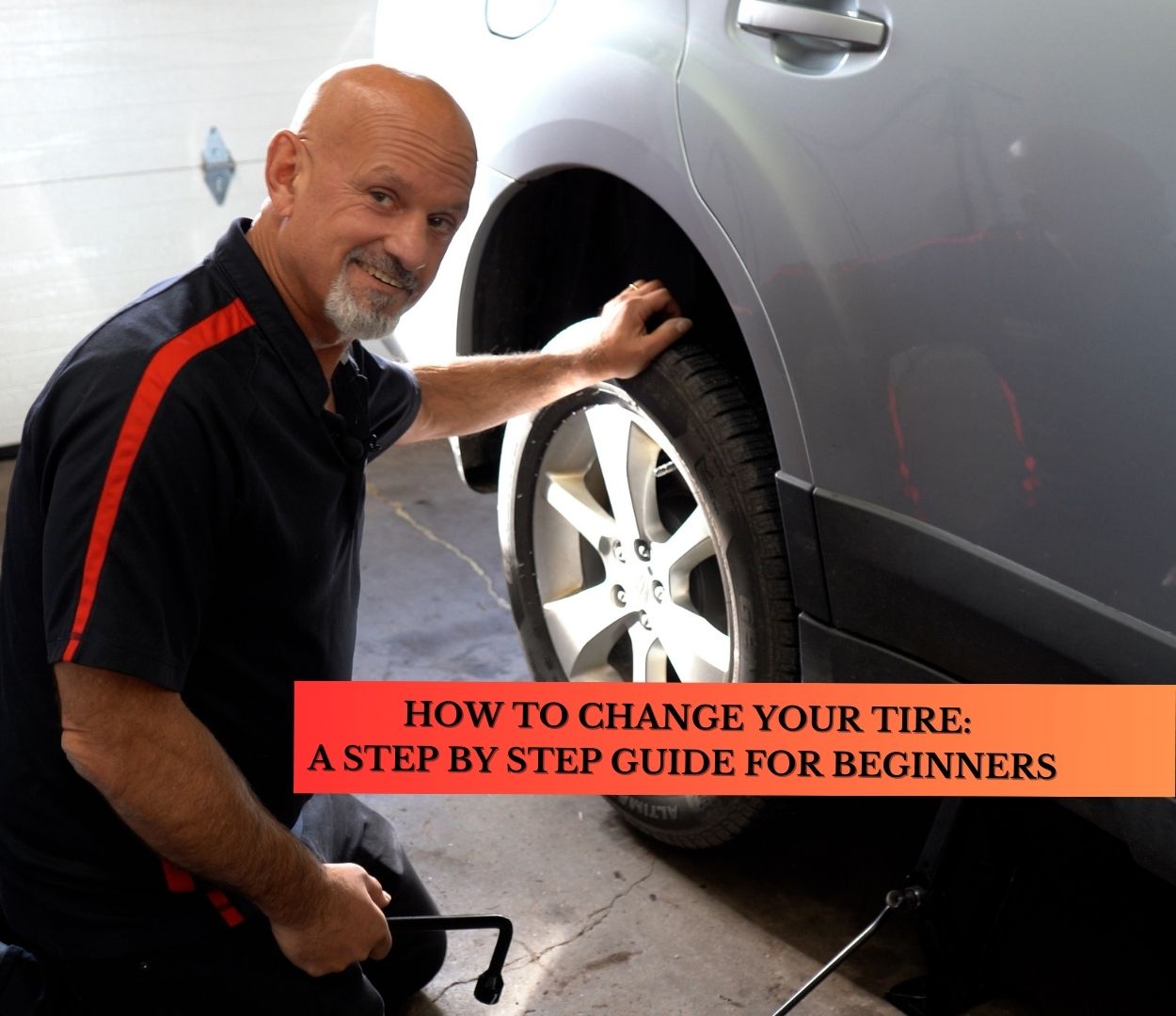
Credit: www.autocareplus.com
Preparing The Tire For Repair
Fixing a tire puncture starts with good preparation. Cleaning and roughening the area helps the patch stick well.
Take your time to prepare the tire. This step makes the repair last longer and work better.
Cleaning The Puncture Area
Remove dirt and debris from the puncture spot. A clean surface helps the repair materials bond well.
Use a cloth or brush to wipe the area. Make sure the tire is dry before moving on.
- Remove mud and dust with a dry cloth
- Use rubbing alcohol to clean sticky residue
- Let the tire dry completely
Roughening The Surface
Lightly roughen the tire around the puncture. This creates a better surface for the patch to stick.
Use sandpaper or a metal rasp for roughening. Rub gently to avoid making the hole bigger.
- Use fine-grit sandpaper or rasp tool
- Sand in a circular motion around the hole
- Remove dust after sanding with a cloth
Applying The Repair Patch
Fixing a tire puncture needs care and the right steps. Applying a repair patch is key to stop air leaks.
This guide explains how to use plug or patch kits and seal the hole properly for a safe repair.
Using Plug Or Patch Kits
Plug and patch kits help fill the hole in your tire. Patches cover the inside, while plugs fill the hole from outside.
First, clean the damaged area well. Roughen the surface with a tool in the kit. This helps the patch stick better.
- Remove the object causing the puncture.
- Use sandpaper or a rasp to roughen the inside surface.
- Apply rubber cement or glue from the kit on the patch and tire.
- Press the patch firmly onto the roughened spot.
- Let the patch set for a few minutes before inflating the tire.
Sealing The Hole Properly
Sealing the hole well stops air leaks and keeps the tire safe to use. The patch must cover the hole fully.
Check that the patch is tight with no air bubbles under it. Press the edges firmly to seal the hole.
- Ensure the patch covers the whole puncture area.
- Press down around the edges to remove air pockets.
- Let the patch dry completely before inflating.
- Check for leaks by applying soapy water around the patch.
- Reinflate the tire to the correct pressure.
Reinstalling The Tire
Once your tire is repaired, it’s time to put it back on your vehicle. This process is crucial to ensure safety while driving.
Make sure you have all necessary tools ready, such as a jack and lug wrench, before you begin.
Mounting The Tire Back
To mount the tire back on, align it with the wheel bolts. Lift the tire carefully and slide it onto the hub. Ensure it fits snugly and is balanced.
- Align the tire with the wheel bolts.
- Lift the tire and slide it onto the hub.
- Ensure it fits snugly for balance.
Tightening Lug Nuts Securely
After mounting the tire, it’s important to secure it by tightening the lug nuts. This prevents the tire from loosening while driving.
Use a star pattern when tightening:
- Start with any lug nut.
- Move diagonally to the next one.
- Continue until all nuts are tightened evenly.
| Tool | Purpose |
| Jack | Lift the vehicle |
| Lug Wrench | Tighten the nuts |
| Torque Wrench | Ensure proper tightness |
Checking Tire Pressure
Checking tire pressure is important for safe driving. It helps prevent accidents and improves fuel efficiency. A well-inflated tire lasts longer and performs better.
Make sure to check your tire pressure regularly. Use a reliable tire pressure gauge for accurate results. It is easy and quick to do.
Inflating To Correct Psi
Inflate your tires to the correct PSI. This ensures they function properly and safely. Check your car’s manual or the sticker on the driver’s door for the right PSI.
Use an air compressor to inflate the tires. Attach the hose to the tire valve. Monitor the gauge to reach the correct PSI.
- Check PSI on the tire gauge
- Add air if needed
- Recheck PSI after inflating
Testing For Leaks
After inflating, test the tire for leaks. Leaks can cause the tire to deflate quickly and can be dangerous.
Mix soap and water in a spray bottle. Spray it around the tire and valve. Bubbles will form where air escapes.
- Spray soap solution on tire
- Look for bubbles forming
- Mark the leak spot for repair
Tips For Tire Maintenance
Keeping your tires in good shape helps your car run safely. Regular care stops problems before they start.
This guide shares easy tips to maintain tires and avoid punctures.
Regular Inspections
Check your tires often for damage or wear. Look for cuts, cracks, or objects stuck in the tire.
Also, watch the tire pressure. Low pressure can cause bad wear and make punctures more likely.
- Look for nails, glass, or sharp stones
- Feel for uneven tire wear
- Check tire pressure with a gauge monthly
- Inspect tire sidewalls for cracks or bulges
Avoiding Future Punctures
Drive carefully to keep your tires safe. Avoid rough roads and sharp objects on the street.
Keep your tires properly inflated. This reduces the chance of punctures and extends tire life.
- Do not drive over debris or potholes
- Park away from construction zones
- Replace worn tires before they get too thin
- Use tire sealant for extra protection

Credit: www.crossroadshelpline.com
Frequently Asked Questions
How Do I Know If My Tire Has A Puncture?
You may notice a slow leak or sudden loss of air pressure. A tire puncture often causes vibration or uneven wear. Inspect your tire for visible holes, nails, or sharp objects embedded in the tread.
What Tools Are Needed To Repair A Tire Puncture?
You need a tire repair kit including a reamer, plug insertion tool, tire plugs, and lubricant. Additionally, a jack, lug wrench, and air pump are helpful for removing and reinstalling the tire safely.
Can I Repair A Tire Puncture Myself?
Yes, you can repair small punctures in the tread area using a plug kit. Avoid repairing sidewall damage or large holes; consult a professional in those cases for safety.
How Long Does A Tire Puncture Repair Take?
A typical tire puncture repair takes about 15 to 30 minutes. This includes removing the tire, cleaning the puncture, inserting the plug, and reassembling the tire.
Conclusion
Repairing a tire puncture can save time and money. Follow each step carefully for best results. Always check the tire for damage before fixing it. Keep repair tools handy for emergencies on the road. Practice makes the process easier and faster.
A well-repaired tire helps you drive safely again. Stay prepared and confident to handle tire issues yourself. This simple skill benefits every vehicle owner.







