
Are you ready for winter roads that can surprise you with ice and snow? Installing tire chains might seem tricky, but it’s easier than you think.
This step-by-step guide will show you exactly how to put on tire chains quickly and safely. By the end, you’ll feel confident and prepared to drive through tough conditions without slipping or sliding. Keep reading, and you’ll never worry about winter driving again.
Choosing The Right Tire Chains
Tire chains help improve traction on snow and ice. Picking the right chains keeps you safe and your tires in good shape.
Choosing the wrong chains can cause damage or poor performance. Learn about types, size, and materials before buying.
Types Of Tire Chains
Tire chains come in different styles. Each type suits different needs and road conditions.
- Link Chains: Common and affordable, made of metal links crossing the tire.
- Cable Chains: Use steel cables, lighter and easier to install.
- Diamond Chains: Provide better grip with a diamond pattern on the tire.
- Composite Chains: Made of plastic or composite material, good for light snow.
Chain Size And Compatibility
Tire chains must fit your tire size exactly. Wrong size causes poor fit and damage.
Check your tire’s sidewall for size numbers. Match these with chain size to ensure proper fit.
- Look for tire width, aspect ratio, and diameter on the tire sidewall.
- Choose chains labeled for your tire size.
- Some vehicles need special chains due to limited clearance.
Materials And Durability
Tire chains are made from different materials that affect strength and lifespan.
Steel chains are strong and long-lasting. Some have coatings to resist rust.
- Carbon Steel: Strong but may rust without coating.
- Alloy Steel: More durable and resistant to wear.
- Plastic or Composite: Light and gentle on tires but less durable.
- Zinc or Nickel Coating: Helps prevent rust and corrosion.

Credit: www.familyhandyman.com
Preparing For Installation
Installing tire chains can improve your car’s grip on snow and ice. Before you start, it is important to prepare well. This will make the process safer and easier.
Preparation involves gathering tools, choosing a safe spot to work, and checking your tires. These steps help prevent problems during installation.
Gathering Necessary Tools
Get all the tools you will need before you begin. This saves time and avoids frustration in cold weather.
- Tire chains that fit your tires
- Gloves to protect your hands
- Flashlight if it is dark
- Rubber mat or blanket to kneel on
- Wheel chocks to stop the car from moving
Finding A Safe Location
Pick a flat and safe spot to install the chains. Avoid busy roads and steep hills.
Turn on your hazard lights. Use wheel chocks to keep your car from rolling. A safe place reduces risks and makes the work easier.
- Park on level ground away from traffic
- Use hazard lights and wheel chocks
- Choose a well-lit area if possible
Checking Tire Condition
Look at your tires before installing chains. Make sure they are in good shape and the right size.
Check for damage like cracks or low air pressure. Chains work best on healthy tires that fit well.
- Inspect tires for cuts or cracks
- Check tire pressure and inflate if needed
- Confirm tire size matches the chain size
Installing Tire Chains
Tire chains help improve traction on snow and ice. Installing them correctly keeps you safe on slippery roads.
Follow these steps to lay out and secure the chains on your tires. Adjust them for a tight fit to avoid damage.
Laying Out The Chains
Start by spreading the chains flat on the ground. Make sure there are no twists or tangles. The chains should form a straight line.
- Place the chains near the tires you will fit them on.
- Check that the hooks and fasteners face outward.
- Ensure the chains are the right size for your tires.
Securing Chains On Tires
Drive your vehicle slowly onto the chains. The chains should wrap around the tire evenly. Connect the chains using the fasteners provided.
| Fastener Type | How to Secure |
| Hook | Attach hooks firmly and lock in place |
| Latch | Close latch tightly to hold chain ends |
| Clamp | Use clamp to tighten chains around tire |
Adjusting For A Snug Fit
After securing the chains, pull them tight against the tires. Loose chains can cause damage or fall off while driving.
- Use tensioners or bungee cords if included.
- Check that chains do not hang or drag on the ground.
- Test drive slowly and stop to re-tighten if needed.
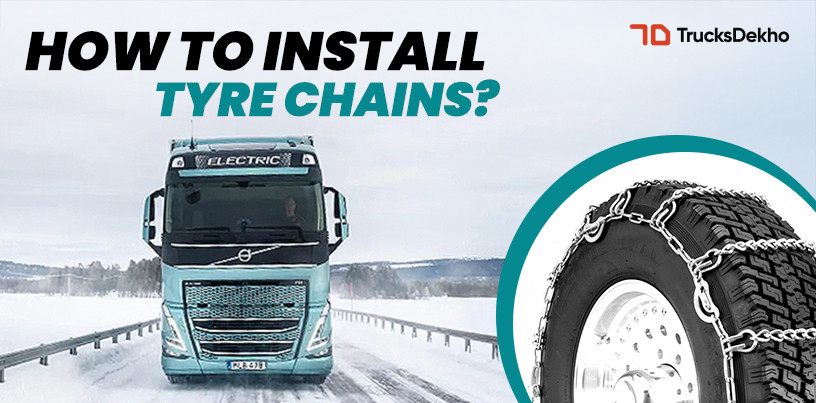
Credit: trucks.cardekho.com
Testing And Adjusting Chains
After installing tire chains, you must test and adjust them before driving far. Proper testing helps ensure safety and good chain performance.
Check the chains carefully to avoid damage to your tires or vehicle. Adjust them if they feel loose or uneven.
Driving A Short Distance
Drive your vehicle slowly for a short distance, about 100 feet. This movement helps the chains settle on the tires.
Listen for unusual sounds and watch for chain slipping or loosening.
Re-tightening Chains
After the short drive, stop and check the chain tension. Loose chains can damage tires and reduce traction.
- Pull the chains tight against the tire.
- Use chain tensioners or fasteners to secure them.
- Make sure the chains are evenly spaced around the tire.
- Check for any slack or gaps.
Inspecting For Damage
| Check Area | What to Look For | Action Needed |
|---|---|---|
| Chains | Bent or broken links | Replace or repair damaged sections |
| Tire Surface | Scratches or cuts | Stop using chains if damage is severe |
| Fasteners | Loose or missing parts | Secure or replace fasteners |
Removing And Storing Chains
Removing tire chains safely is important to avoid damage to your vehicle and chains. Proper storage helps keep chains in good condition for future use.
Follow simple steps to remove, clean, and store your tire chains correctly. This keeps them ready and reliable for the next time you need them.
Safe Removal Tips
Stop your car on a flat surface and set the parking brake before removing chains. Remove chains slowly to avoid scratches or damage.
Loosen the chains carefully and pull them off one tire at a time. Avoid pulling chains on sharp corners or near hot parts of the car.
- Park your car safely and stop the engine
- Use gloves to protect your hands
- Loosen chains gently to avoid damage
- Remove chains from one tire at a time
- Keep chains away from hot engine parts
Cleaning Chains
After removing, clean your tire chains to remove dirt, salt, and debris. This helps prevent rust and prolongs their life.
Use water and a brush to scrub the chains gently. Dry them completely before storing to stop moisture from causing rust.
- Rinse chains with water to remove dirt
- Scrub with a brush if needed
- Dry chains thoroughly with a towel or air dry
- Check for any damage or broken links
Proper Storage Methods
Store tire chains in a dry place away from sunlight and moisture. Use a bag or container to keep them clean and organized.
Keep chains untangled and flat to avoid damage. Label the storage container so you can find them easily when needed.
- Store chains in a dry, cool area
- Use a storage bag or box
- Keep chains flat and untangled
- Label the storage container clearly
- Inspect chains before next use
Winter Safety Tips With Tire Chains
Tire chains can help you drive safely on snowy and icy roads. They improve traction and reduce the risk of slipping. Knowing how to use them properly is important for winter driving.
In this guide, you will learn key safety tips and techniques. These will help you drive more confidently in winter conditions.
Driving Techniques On Snow And Ice
Driving on snow and ice requires special care. Tire chains provide better grip, but you still need to drive carefully. Follow these tips to stay safe:
- Accelerate slowly to avoid spinning your wheels.
- Use gentle, gradual braking to prevent skidding.
- Steer smoothly and avoid sudden movements.
Speed Limits And Chain Restrictions
When using tire chains, speed is crucial. Driving too fast can be dangerous even with chains. Be aware of any speed limits and restrictions in your area:
- Drive at or below 30 mph with tire chains.
- Check local regulations for chain use on highways.
- Look for road signs indicating chain requirements.
Legal Requirements And Regulations
Different areas have different laws for tire chain use. It’s important to know the rules to avoid fines or penalties. Here are some general guidelines:
- Some states require chains during severe weather.
- Check if chains are mandatory on mountain passes.
- Ensure your chains fit properly to comply with laws.
Credit: wallingfords.com
Frequently Asked Questions
How Do I Install Tire Chains Safely?
First, park on a flat surface and engage the parking brake. Lay chains flat and untangled. Drape chains over the tire, ensuring even coverage. Connect the inside fastener first, then the outside. Tighten chains securely and check for snugness before driving.
When Should I Use Tire Chains?
Use tire chains when driving on snow-covered or icy roads. They improve traction and prevent slipping. Avoid using chains on bare pavement, as they can damage tires and roads. Check local laws to confirm when chains are mandatory or recommended.
Can I Drive Fast With Tire Chains?
No, drive slowly with tire chains installed. Keep your speed below 30 mph (50 km/h) to avoid chain damage. Slow driving ensures better control and safety on slippery surfaces. Remove chains when road conditions improve to prevent tire wear.
Are Tire Chains Compatible With All Vehicles?
Tire chains fit most vehicles, but check your owner’s manual first. Some vehicles with limited wheel clearance may require special chains or alternatives. Always select chains that match your tire size for proper fit and performance.
Conclusion
Installing tire chains can improve your safety on snowy roads. Follow each step carefully for the best fit. Practice installing chains before you need them in winter. Keep the chains tight and check them often while driving. Removing chains promptly after use helps protect your tires.
Stay prepared and confident during harsh weather conditions. Safe driving starts with proper tire chain use. You can handle this task easily with patience and practice.







