
Have you ever looked at your car and wished it looked brand new again? Sanding and painting your car might sound like a big job, but with the right steps, you can give your vehicle a fresh, polished look.
Whether you’re fixing scratches or changing the color, this process can save you money and boost your car’s value. Ready to learn how to transform your car’s surface and make it shine like it just rolled off the showroom floor?
Keep reading, because your car’s best makeover starts here.

Credit: www.youtube.com
Preparing The Car Surface
Preparing the car surface is the first step before sanding and painting. This process helps the paint stick better and last longer.
Good preparation also makes the car look smooth and shiny after painting. Take your time to do it right.
Cleaning And Removing Dirt
Cleaning the car surface removes dust, grease, and dirt. These can stop the paint from sticking well.
Use soap and water to wash the car. Dry it with a clean cloth before sanding.
- Wash with car soap and water
- Rinse thoroughly
- Dry with a lint-free cloth
- Use wax and grease remover if needed
Removing Old Paint
Old paint can peel or bubble after new paint goes on. Remove it to get a smooth surface.
Use sandpaper or a paint stripper to take off old paint. Sand evenly to avoid rough spots.
- Choose sandpaper grit 80-120 for old paint
- Sand in circular motions
- Wear protective gear
- Clean dust after sanding
Repairing Dents And Scratches
Dents and scratches make the surface uneven. Fix them before painting to get a clean look.
Use body filler for dents and sand smooth. Light scratches can be sanded down carefully.
- Clean the damaged area
- Apply body filler on dents
- Let filler dry completely
- Sand filler smooth with fine grit sandpaper
- Remove dust before painting
Choosing The Right Sandpaper
Sanding a car correctly is key for a smooth paint finish. Choosing the right sandpaper affects the job quality and time.
This guide explains sandpaper types, wet and dry sanding, and the best choices for car surfaces.
Grit Types And Their Uses
Sandpaper grit shows how rough or smooth it is. Lower numbers mean rougher grit; higher numbers mean smoother.
- Coarse grit (40-60): removes paint fast but leaves scratches.
- Medium grit (80-120): good for shaping and smoothing edges.
- Fine grit (150-220): best for preparing surface before painting.
- Very fine grit (320-600): smooths between paint layers or for clear coats.
Wet Vs Dry Sanding
Wet sanding uses water to reduce dust and heat. It helps get a smooth finish without deep scratches.
Dry sanding is simpler and faster but may clog sandpaper and cause dust. It suits rougher sanding.
| Type | Advantages | Disadvantages |
| Wet Sanding | Less dust, smoother finish, less heat | Needs water, slower process |
| Dry Sanding | Fast, easy to do anywhere | More dust, clogs sandpaper |
Sandpaper For Different Car Surfaces
Different car parts need different sandpaper types. Use the right grit and method for each surface.
- Metal:Start with coarse grit to remove rust, then fine grit for smoothness.
- Plastic bumpers:Use finer grit to avoid damage, usually 320-600 grit.
- Painted surfaces:Use medium to fine grit to smooth old paint or prepare for new paint.
- Clear coat:Use very fine grit and wet sanding for best results.
Sanding Techniques
Sanding is a key step in preparing a car’s surface for painting. It removes old paint and smooths out imperfections.
Choosing the right sanding technique can improve the final look of your paint job. Let’s explore some useful tips.
Hand Sanding Tips
Hand sanding gives you control over the pressure and direction. Use a sanding block for even results.
- Start with coarse grit sandpaper to remove rough areas.
- Switch to finer grit for a smooth finish.
- Sand in a circular motion to avoid grooves.
- Keep the surface wet to reduce dust and heat.
- Check your work by running your hand over the surface.
Using A Power Sander
Power sanders speed up the work but need careful handling. Use the right pad and grit for your car’s surface.
| Power Sander Type | Best Use | Grit Range |
| Orbital Sander | General sanding | 80-320 |
| Detail Sander | Hard-to-reach spots | 120-400 |
| Belt Sander | Heavy paint removal | 40-80 |
Avoiding Common Sanding Mistakes
Sanding errors can ruin your paint job. Avoid these mistakes to get a smooth finish.
- Do not sand too hard; it can damage the metal underneath.
- Avoid using the wrong grit; too coarse leaves scratches, too fine wastes time.
- Keep the sandpaper clean; clogged paper won’t sand well.
- Do not skip cleaning the surface before sanding.
- Wear protective gear to avoid inhaling dust.

Credit: www.youtube.com
Priming The Surface
Priming is an essential step in sanding and painting a car. It prepares the surface for paint and ensures a smooth finish. Learning about the types of primers and how to apply them is crucial.
In this guide, we will explore the different types of primers, the correct way to apply them, and tips for drying and sanding the primer.
Types Of Primers
Choosing the right primer is vital for a successful paint job. Different primers serve different purposes and suit various surfaces.
- Etching Primer: Ideal for bare metal surfaces, it provides corrosion resistance.
- Filler Primer: Fills in small imperfections and creates a smooth surface.
- Sealer Primer: Seals old paint and prevents new paint from peeling.
Applying Primer Correctly
Proper application of primer is key to achieving a smooth and durable finish. Follow these steps to apply primer correctly.
- Clean the surface thoroughly to remove dust and grease.
- Shake the primer can well to ensure even consistency.
- Apply the primer in thin, even coats to prevent runs and drips.
- Allow each coat to dry before applying the next one.
Drying And Sanding Primer
Once the primer is applied, it’s important to let it dry completely. Proper drying and sanding ensure the paint adheres well and looks flawless.
| Primer Type | Drying Time |
| Etching Primer | 30 minutes |
| Filler Primer | 45 minutes |
| Sealer Primer | 1 hour |
Once dry, sand the primer with fine-grit sandpaper. This step smooths out any imperfections and prepares the surface for painting.
Selecting Paint And Materials
Sanding and painting a car requires the right materials. Selecting the right paint and tools is essential for a smooth finish.
It’s important to understand the types of paints and tools needed. This will ensure a professional look for your car.
Types Of Car Paints
Different car paints offer various finishes and durability. Choosing the right type is crucial for the appearance and protection of your car.
- Acrylic Lacquer: Easy to apply but less durable.
- Acrylic Enamel: Offers a hard shell for protection.
- Urethane: Long-lasting and resistant to chipping.
Choosing Paint Colors
Color choice affects the car’s appeal and resale value. Picking the right color is important for personal satisfaction and marketability.
Consider the car model and style. Some colors may highlight the car’s features better than others.
Essential Painting Tools
Having the right tools is vital for a quality paint job. These tools ensure that the paint is applied smoothly and evenly.
- Spray Gun: For even paint application.
- Sanding Paper: To smooth out the surface.
- Masking Tape: For protecting areas not to be painted.
- Primer: To prepare the surface for painting.
Painting Process
Painting a car is a careful process that changes how the car looks. It needs clean surfaces and smooth paint for a good finish.
This guide covers key parts of painting: preparing paint, spray techniques, and applying layers.
Preparing Paint For Application
Start by mixing the paint well. Use the right thinner to make paint smooth and ready to spray.
Check the paint’s instructions for mixing ratios. Use a clean container and stir slowly to avoid bubbles.
Spray Painting Techniques
Hold the spray gun about 6 to 8 inches from the car surface. Move your hand steadily side to side.
Keep the spray gun perpendicular to the surface. Overlap each pass by half to avoid uneven paint spots.
- Keep a steady speed and distance
- Start and end spray off the car surface
- Use light, even coats to prevent runs
Applying Multiple Coats
Apply several thin coats instead of one thick coat. Thin coats dry faster and look smoother.
Wait 10 to 15 minutes between coats. Check that the surface feels dry before adding another coat.
- Apply 2 to 3 coats for good coverage
- Sand lightly between coats if needed
- Finish with a clear coat for shine and protection
Finishing Touches
After sanding and painting your car, the final steps bring out the best look. These finishing touches protect the paint and add shine.
Taking time on these steps helps your car look smooth and lasts longer.
Clear Coat Application
Clear coat is a transparent layer that protects the paint. It adds shine and guards against scratches and weather.
Apply clear coat in thin, even layers. Let each layer dry before adding the next one for best results.
- Use a clean spray gun or aerosol
- Spray from about 6-8 inches away
- Move steadily to avoid drips
- Apply 2-3 coats for full protection
- Allow 15-30 minutes drying time between coats
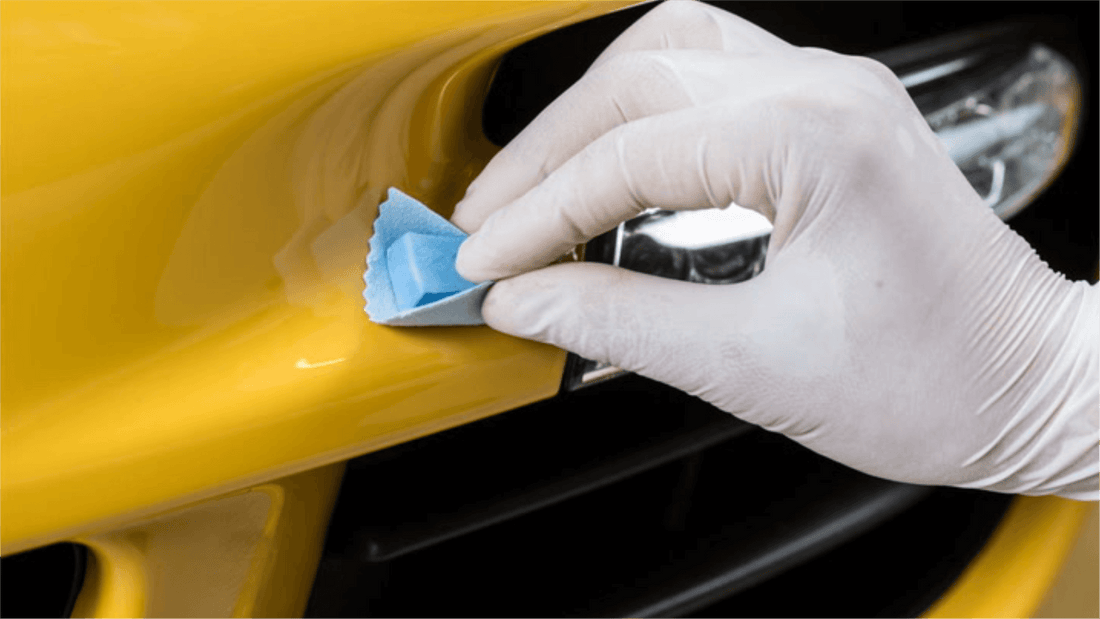
Polishing And Buffing
Polishing removes small imperfections and adds a glossy finish. Buffing smooths the surface and enhances shine.
Use a soft cloth or buffer with a gentle polishing compound. Work in small areas with light pressure.
- Start with a clean, dry surface
- Apply polish evenly
- Use circular motions
- Buff with a clean microfiber cloth
- Repeat if needed for extra shine
Maintaining The Paint Job
Keep your car paint looking fresh by cleaning and protecting it regularly. Proper care prevents damage and fading.
Wash your car gently and wax it every few months to keep the paint strong and shiny.
- Use mild soap and water for washing
- Avoid harsh chemicals and abrasive tools
- Dry the car to prevent water spots
- Apply wax every 3-4 months
- Park in shade to avoid sun damage
Credit: fastplus.eu
Safety And Environmental Tips
Sanding and painting a car can be hazardous without proper care. Safety helps protect you from injury. Environmental care reduces pollution and waste.
Follow these tips to work safely and keep the environment clean. Use the right gear, ventilate your space, and dispose of materials properly.
Protective Gear To Use
Wearing protective gear lowers the risk of harm. It stops dust, chemicals, and paint from hurting your skin and lungs.
- Wear a respirator mask to avoid breathing dust and fumes.
- Use safety goggles to protect your eyes from particles and splashes.
- Put on gloves to keep paint and solvents off your skin.
- Wear a long-sleeved shirt and pants to protect your body.
- Use ear protection if you work with loud sanding tools.
Proper Ventilation
Good airflow helps remove harmful fumes and dust. Work in a well-ventilated area to keep air fresh and safe.
- Open windows and doors to let fresh air in.
- Use fans to push fumes outside the workspace.
- Consider using an exhaust ventilation system if possible.
- Avoid working in small, closed rooms without airflow.
Disposing Of Materials Safely
Discard sanding dust, paint cans, and solvents carefully. Improper disposal harms the environment and can be illegal.
| Material | Disposal Method |
| Sanding Dust | Collect in sealed bags and dispose with hazardous waste. |
| Empty Paint Cans | Recycle if allowed; otherwise, take to a hazardous waste center. |
| Leftover Paint | Donate usable paint or bring to a hazardous waste facility. |
| Solvents and Thinners | Store in labeled containers and dispose at hazardous waste sites. |
Frequently Asked Questions
What Are The Basic Steps For Sanding And Painting A Car?
Start by cleaning the surface thoroughly. Sand the car using appropriate grit sandpaper. Apply primer evenly. Paint in thin, consistent coats. Finish with a clear coat for protection and shine.
How Long Does Sanding And Painting A Car Take?
Sanding and painting usually take 2 to 5 days. Time varies based on car size and paint type. Proper drying between coats is essential for a smooth finish.
What Sandpaper Grit Is Best For Car Sanding?
Start with 320-grit sandpaper for rough sanding. Use 600- to 800-grit for smoothing before painting. Finish with 1200-grit for polishing after painting.
Can I Paint My Car Without Sanding First?
No, sanding is crucial to remove old paint and rust. It ensures paint adheres well and lasts longer. Skipping sanding can cause peeling and uneven finish.
Conclusion
Sanding and painting a car takes patience and care. Clean surfaces help paint stick better. Use smooth, even strokes for a neat finish. Let each coat dry before adding the next. Take your time to avoid mistakes and save money.
A well-painted car looks fresh and lasts longer. Small steps make a big difference in results. Enjoy the process and the new look of your car.







