
Have you noticed those annoying scratches on your car’s paint and wondered how to fix them? Scratches can make your car look old and worn out, even if it’s otherwise in great shape.
But don’t worry—you don’t have to spend a fortune at the body shop or settle for a dull finish. You’ll discover simple and effective ways to remove scratches from your car paint, saving you time and money. Keep reading, and you’ll soon learn how to bring back that smooth, shiny look your car deserves.
Identify Scratch Types
Car scratches can look similar but are different in depth and damage. Knowing the scratch type helps you fix it properly.
Scratches can be minor or serious. It is important to spot the right kind before repairing.
Surface Scratches
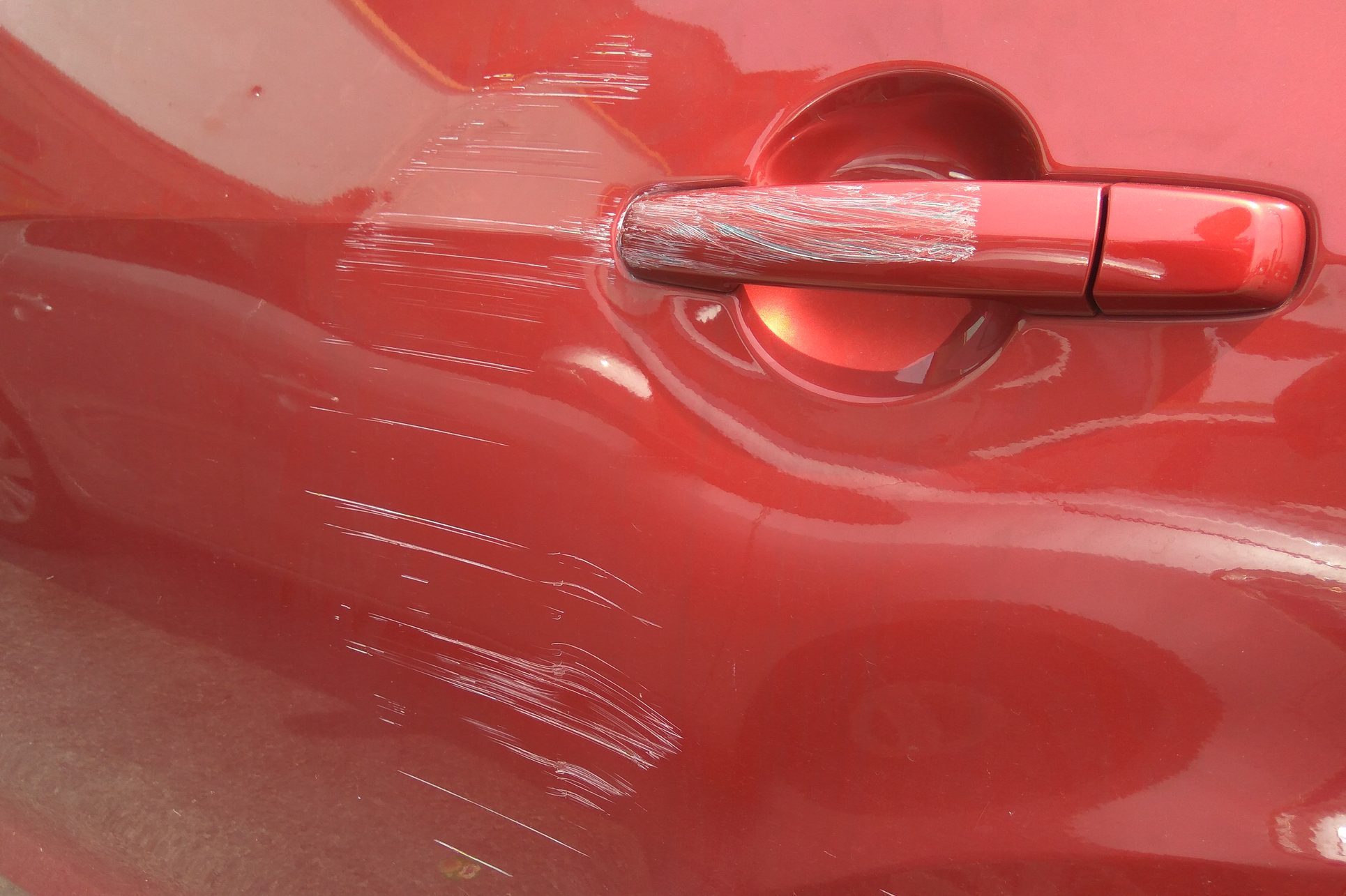
Surface scratches only affect the clear coat layer on your car. They are shallow and do not reach the paint.
You can usually feel surface scratches with your fingernail but they are easy to fix with polishing.
- Look shiny and white or light in color
- Do not show the metal under the paint
- Can be removed with rubbing compounds or polish
Deep Scratches
Deep scratches go through the clear coat and paint layers. They may expose the primer or metal below.
These scratches are rough and you can feel them clearly with your nail. They need more repair work.
- Often look dark or rusty if metal is exposed
- Require filling, sanding, and repainting
- Cannot be fixed by polishing alone
Clear Coat Damage
Clear coat damage means the top protective layer is cracked or peeling. Paint below may still be fine.
This damage can cause dull spots and rough texture on the car surface. It needs special care to protect paint.
- Shows white or cloudy marks on paint
- May peel or flake off over time
- Needs clear coat repair or reapplication

Credit: www.amazon.com
Gather Required Tools
Removing scratches from car paint needs the right tools. These tools help fix scratches safely and clearly.
Before starting, gather all needed supplies. This makes the process smoother and faster.
Cleaning Supplies
Cleaning supplies remove dirt and grime from the car surface. A clean surface helps see scratches well.
Common cleaning supplies include car wash soap, water, and buckets. Use gentle soap made for cars.
- Car wash soap
- Two buckets (one for soap, one for rinse)
- Water hose or pressure washer
- Soft sponge or wash mitt
Polishing Compounds
Polishing compounds smooth the paint surface. They reduce the look of small scratches and swirl marks.
Choose a compound that fits the scratch depth. Use light compounds for small scratches and heavier ones for deep marks.
- Light polishing compound for fine scratches
- Medium or heavy compound for deeper scratches
- Apply with a polishing pad or soft cloth
Scratch Removal Kits
Scratch removal kits have tools made for fixing scratches. They often include compounds and applicators.
Kits save time by providing all needed items together. Read instructions carefully for best results.
- Scratch remover compound
- Applicator pads or sponges
- Instruction guide
- Sometimes touch-up paint
Microfiber Cloths
Microfiber cloths clean and polish without scratching paint. They absorb polish and dirt well.
Use separate cloths for cleaning and polishing. Keep them clean to avoid adding new scratches.
- Soft microfiber cloths for cleaning
- Separate cloths for polishing
- Wash cloths after use
Clean The Damaged Area
Cleaning the scratched part of your car helps in fixing it well. Dirt and dust can make scratches worse.
Start by making sure the area is clean and free from any loose particles. This step is important for good results.
Wash And Dry
Wash the scratched area gently using car soap and water. Avoid using harsh chemicals that can damage the paint.
After washing, dry the area completely with a soft cloth. This stops water spots and helps you see the scratch clearly.
Remove Debris
Check the scratch for any tiny debris or dust that may still be there. These can cause problems when you fix the scratch.
Use a clean microfiber cloth or a soft brush to gently remove any remaining dirt. Make sure the surface is smooth before repair.
Apply Scratch Removal Techniques
Scratches on car paint can ruin the look of your vehicle. You can fix many scratches at home with simple tools.
Different scratches need different ways to remove them. Choose the right method for the scratch depth.
Using Toothpaste For Light Scratches
Toothpaste can work as a mild abrasive to remove light scratches. Use a non-gel, plain white toothpaste.
Apply a small amount of toothpaste on a soft cloth. Rub gently over the scratch in small circles for a minute or two.
- Clean the area before applying toothpaste
- Use a damp cloth to wipe off residue
- Repeat if the scratch is still visible
Applying Scratch Remover Products
Scratch remover products are designed to fix scratches safely. They contain fine abrasives and fillers for better results.
Follow the instructions on the product label. Usually, you apply the product with a cloth and buff it until the scratch fades.
- Wash and dry the scratched area first
- Apply product in a small amount on a cloth
- Rub gently in circular motions
- Buff the area with a clean cloth after application
Wet Sanding For Deep Scratches
Wet sanding removes deep scratches by smoothing the paint surface. Use very fine sandpaper and water to avoid damage.
Sanding must be done carefully. After sanding, polish and wax the area to restore shine and protect the paint.
- Use 1500 to 2000 grit sandpaper with water
- Keep the sandpaper and surface wet during sanding
- Sand lightly in one direction over the scratch
- Polish the area to remove sanding marks
- Apply wax to protect the paint finish
Polish And Buff The Surface
Removing scratches from car paint often requires polishing and buffing. These steps help smooth the surface and restore shine.
Polishing removes small scratches, while buffing evens out the paint to make it look new again.
Choosing The Right Polish
Pick a polish based on the scratch depth and paint type. Some polishes are gentle, others more abrasive.
Use a fine polish for light scratches. Heavy scratches may need a stronger polish to remove them.
- Light polish: removes minor scratches and swirl marks
- Medium polish: good for moderate scratches
- Heavy polish: removes deep scratches but use carefully
- Wax polish: adds shine after scratch removal
Buffing Methods
Buffing helps blend the polished areas with the rest of the paint. It creates a smooth, glossy finish.
You can buff by hand or use a machine. Hand buffing works for small areas, but takes more effort.
- Hand buffing: use a soft microfiber cloth in circular motions
- Buffing pads: attach to a drill or rotary tool for easier buffing
- Apply light pressure to avoid damaging the paint
Using A Polishing Machine
A polishing machine speeds up the process. It applies polish evenly and buffs the surface well.
Choose the right pad and polish for your machine. Keep the machine moving to avoid burns or swirl marks.
- Use foam or microfiber pads for different polish types
- Start on low speed, increase if needed
- Work in small sections for best results
- Clean pads regularly to avoid dirt buildup
Credit: www.familyhandyman.com
Seal And Protect The Paint
Protecting your car’s paint is important to maintain its shine. By sealing the paint, you extend its life and prevent damage.
This guide will help you learn how to properly seal and protect your car’s paint. Let’s explore the steps involved.
Applying Wax
Waxing your car creates a protective layer on the paint. This layer shields it from sun, rain, and dust.
- Wash the car thoroughly to remove dirt.
- Apply a thin layer of wax evenly.
- Use a clean cloth to buff the wax to a shine.
Using Paint Sealant
Paint sealant offers longer protection compared to wax. It bonds with the paint surface and enhances its durability.
- Begin with a clean and dry car surface.
- Apply the sealant using a foam applicator pad.
- Allow it to cure for the recommended time before wiping.
Regular Maintenance Tips
Keeping your car paint protected requires regular care. Follow these tips to maintain its pristine condition.
| Activity | Frequency |
| Wash | Once a week |
| Wax | Every 3 months |
| Sealant | Every 6 months |
When To Seek Professional Help
Scratches on your car can be a headache. Sometimes, fixing them yourself is not enough. Knowing when to seek expert help can save you time and money.
Let’s explore the situations where a professional’s touch is necessary. We’ll also discuss costs and how to find trustworthy services.
Severe Paint Damage
Deep scratches that expose metal require professional repair. These are not just cosmetic issues. They can lead to rust and further damage.
- If the scratch is deep enough to catch your fingernail, it’s time for a pro.
- When multiple layers of paint are affected, expert repair is best.
- If the scratch covers a large area, DIY might not suffice.
Cost Considerations
Repair costs vary based on damage and location. Getting a few quotes can help you find the best deal.
| Service Type | Average Cost |
| Minor Scratch | $50 – $150 |
| Deep Scratch | $300 – $600 |
| Full Panel Repair | $700 – $1500 |
Finding Reliable Services
Choosing a reliable repair shop ensures quality results. Look for shops with good reviews and certified technicians.

Credit: www.amazon.com
Frequently Asked Questions
How Can I Remove Minor Scratches From Car Paint?
Use a scratch remover compound or polish designed for cars. Apply gently with a microfiber cloth in circular motions. This smooths out scratches and blends them with the paint. Always clean the area before and after treatment to prevent damage.
Are Diy Scratch Removal Kits Effective For Deep Scratches?
DIY kits work best on light to moderate scratches. Deep scratches often require professional repair to restore paint and prevent rust. Assess the scratch depth before using a kit. For severe damage, consult an auto body specialist for optimal results.
Can Toothpaste Remove Scratches From Car Paint?
Toothpaste can remove very fine scratches due to its mild abrasive properties. Use non-gel toothpaste and apply with a soft cloth in small circles. However, it’s less effective than dedicated scratch removers and not recommended for deeper scratches.
What Tools Do I Need To Remove Scratches From Car Paint?
Essential tools include microfiber cloths, scratch remover or polishing compound, and car wax. Optional tools are dual-action polishers for better results. Always use clean, soft materials to avoid adding new scratches during the process.
Conclusion
Removing scratches from your car paint can save money and keep your car looking good. Small scratches are often easy to fix with the right tools. Regular care helps prevent new scratches from forming. Always test products on a small area first.
Taking quick action stops damage from getting worse. Clean your car gently and avoid harsh chemicals. With patience and care, your car’s paint can look almost new again. Simple steps make a big difference in maintaining your car’s shine. Keep your car paint protected for a longer life.







