
Have you noticed those annoying scuff marks ruining the shine of your car’s paint? They might seem small, but scuffs can make your vehicle look older and less cared for.
The good news is, you don’t have to live with them or rush to the mechanic right away. You’ll discover simple and effective ways to remove scuff car paint yourself. By the end, your car will look fresher and more polished, and you’ll save time and money.
Keep reading to learn how to bring back that smooth, flawless finish your car deserves.
Identify Scuff Marks
Scuff marks on car paint are common and easy to spot. They often look like scratches or dull spots on the surface.
Knowing how to identify scuffs helps you decide the best way to fix them and protect your car’s look.
Types Of Scuffs
Scuffs come in different forms. Each type varies by how deep and wide the damage is.
- Light scuffs:These are surface marks that usually do not break the paint.
- Medium scuffs:These may have removed some clear coat but not the color layer.
- Deep scuffs:These reach the color or primer, making the damage more visible.
- Rub marks:Caused by contact with rubber or plastic, often leaving a dark residue.
Assessing Damage Severity
| Damage Level | Signs | Repair Needed |
| Light | Surface marks, no paint loss | Buffing or polishing |
| Medium | Clear coat damage, slight dullness | Polish and possible touch-up |
| Deep | Color or primer visible, rough texture | Professional repair or repaint |
Check the scuff with your fingernail. If it catches, the damage is likely deeper.
Credit: www.meguiars.com
Gather Needed Supplies
Removing scuff marks from car paint requires the right supplies. Preparing your tools before you start saves time.
Use gentle products and soft cloths to avoid damaging the paint. Gather everything you need for a smooth process.
Essential Tools
Some basic tools help you remove scuff marks safely. You will need items to clean, polish, and protect the car paint.
- Microfiber cloths for gentle cleaning
- Soft sponges to apply polish
- Automotive masking tape to protect edges
- Spray bottles for water or cleaning solutions
- Gloves to keep your hands clean
Recommended Products
Choose car-safe products that remove scuffs without harming the paint. Select from cleaners, polishes, and waxes.
| Product Type | Purpose | Notes |
|---|---|---|
| Rubbing Compound | Removes surface scuffs | Use lightly to avoid paint damage |
| Polishing Compound | Restores shine after rubbing | Works well with microfiber cloths |
| Car Wax | Protects paint after cleaning | Apply in thin, even layers |
| Detailing Spray | Final touch for gloss and protection | Use after waxing |
Prep The Affected Area
Removing scuff marks from car paint starts with proper preparation. Cleaning and drying the area well helps protect the paint.
Taking time to prep the surface prevents damage and improves the scuff removal process.
Cleaning Techniques
Start by washing the scuffed area with mild soap and water. Use a soft cloth or sponge to avoid scratching the paint.
Rinse the area thoroughly to remove all dirt and soap residue. This clears the surface for better scuff removal.
- Use car-specific soap for best results
- Apply gentle pressure while cleaning
- Rinse with clean water to remove all soap
- Dry area before proceeding to next step
Surface Drying Tips
Dry the cleaned area using a microfiber cloth. Avoid using rough towels that can scratch the paint.
Make sure the area is completely dry before using any scuff removal products. This prevents streaks and uneven results.
- Pat dry gently with a soft microfiber towel
- Check for any remaining moisture in corners
- Allow air drying if possible in shaded areas
- Avoid direct sunlight to prevent water spots
Use Household Remedies
Scuff marks on car paint can look bad and lower your car’s value. You can fix small scuffs at home with simple items.
Household remedies are cheap and easy to find. They help remove scuffs without harsh chemicals.
Toothpaste Method
Toothpaste can clean and polish car paint. Use a non-gel, white toothpaste for best results.
Apply toothpaste to a soft cloth and rub it on the scuff in small circles. Wipe clean with a damp cloth.
- Use a soft microfiber cloth
- Rub gently to avoid paint damage
- Rinse off toothpaste fully
- Dry with a clean towel
Baking Soda Paste
Baking soda is a mild abrasive that removes scuff marks. Mix baking soda with water to make a thick paste.
Apply the paste to the scuff using a soft cloth. Rub in circular motions, then rinse and dry the area.
- Mix 2 parts baking soda with 1 part water
- Use gentle pressure to avoid scratching
- Clean off all paste residue
- Finish by drying the paint surface
Apply Commercial Products
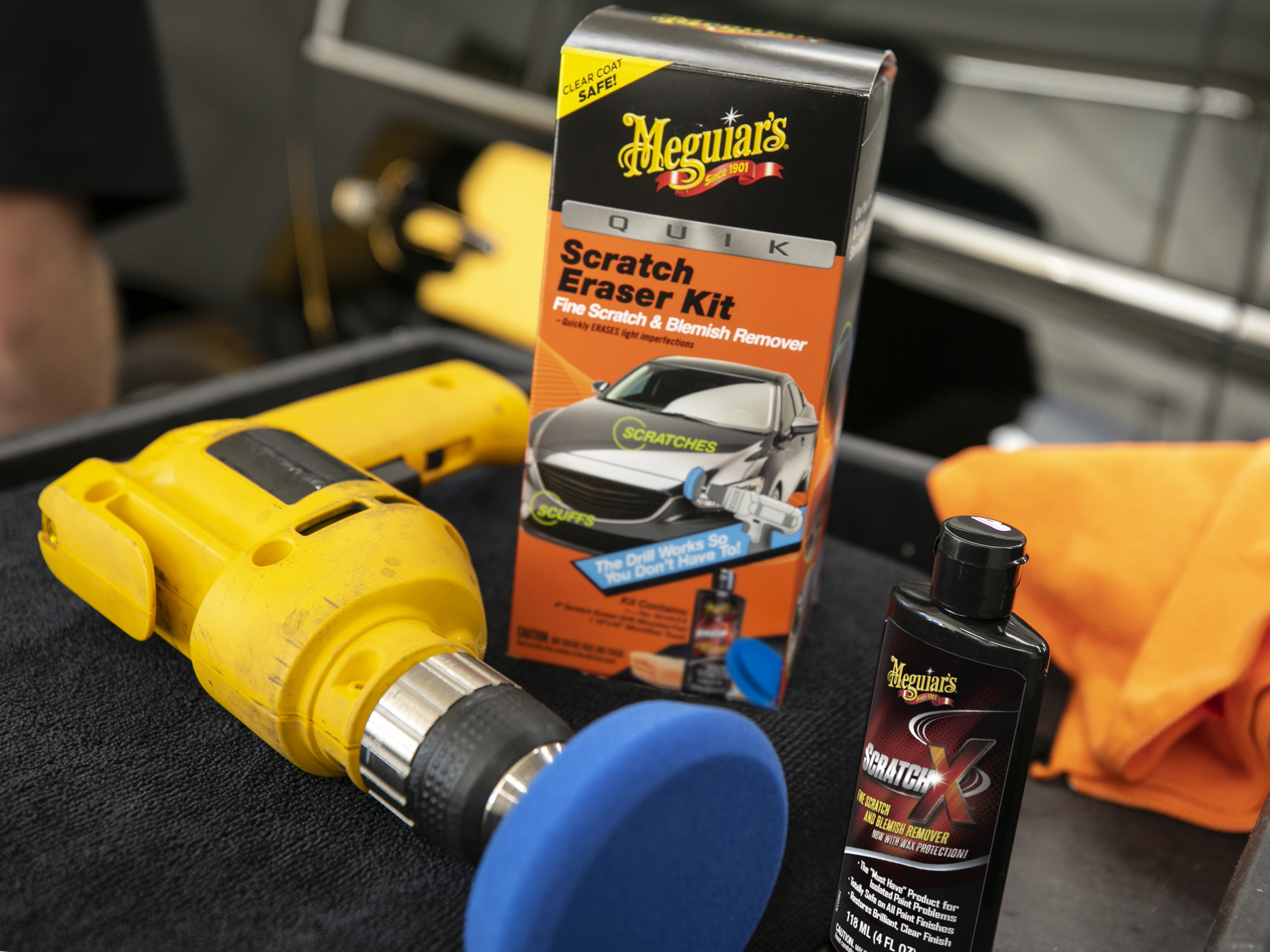
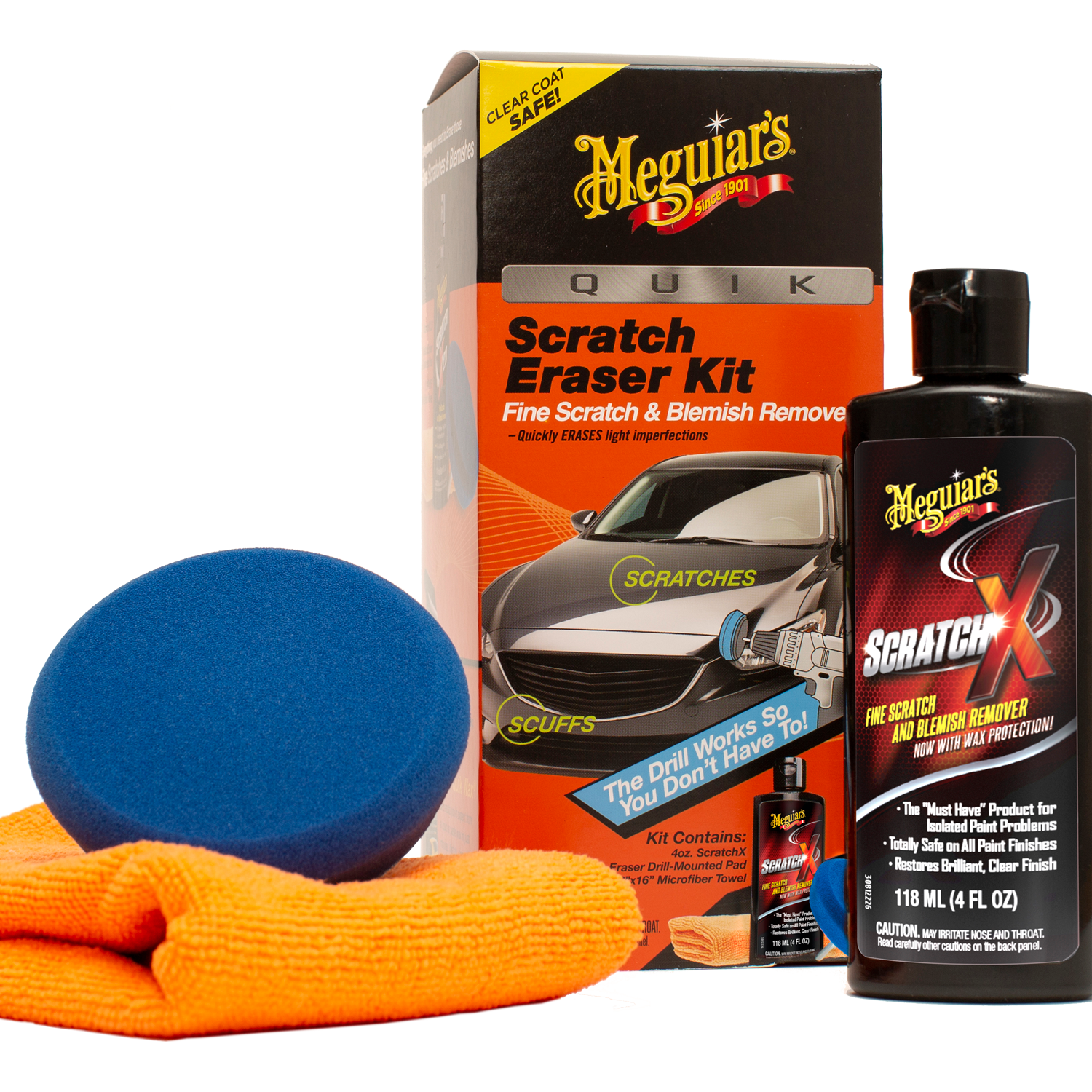
Scuffs on car paint can be annoying. Commercial products can help remove them. These products are designed to make your car look new again.
Using the right product saves time and effort. Learn how to use scratch removers and polishing compounds effectively.
Scratch Removers
Scratch removers are easy to use. They help in removing light scratches and scuffs.
Apply the product on a clean cloth. Rub it gently on the scratch until it fades away.
- Use a small amount to start with
- Check the product instructions carefully
- Test on a small area first
Polishing Compounds
Polishing compounds make the paint shine. They are good for light scratches and dull paint.
Apply a small amount on a soft cloth. Buff the area in circular motions for best results.
- Use a clean cloth for each application
- Work in small sections for even results
- Follow with a wax for extra protection

Credit: www.amazon.ca
Polish For Shine
Removing scuff marks from car paint can bring back its original shine. Using the right polish helps smooth the surface and adds a glossy finish.
Polish works by removing a thin layer of the paint to erase scratches and scuffs. It also fills minor imperfections to make the paint look new.
Choosing The Right Polish
Pick a polish based on your car’s paint type and the damage level. Some polishes are gentle and best for light scuffs. Others are stronger for deeper marks.
Look for polishes with fine abrasives if you want a smooth shine without removing too much paint. Avoid harsh compounds on thin or old paint.
- Use mild polish for light scuffs and delicate paint
- Choose medium polish for moderate scratches
- Strong polish is for deep scuffs on durable paint
- Test polish on a small area first to check results
Buffing Tips
Buffing helps spread the polish evenly and brings out a bright shine. Use soft cloths or foam pads to avoid new scratches.
Work in small sections with gentle, circular motions. Apply light pressure and keep the surface clean to get the best results.
- Use a clean microfiber cloth for buffing
- Move in small circles to cover all areas
- Apply light, even pressure to avoid damage
- Wipe off excess polish before it dries
- Repeat if needed for deeper scuffs
Protect With Wax
Waxing your car helps protect its paint after you remove scuffs. It creates a barrier against dirt, water, and UV rays.
Applying wax correctly keeps your car’s surface smooth and shiny for longer periods.
Wax Application Steps
Follow these simple steps to apply wax and protect your car paint effectively.
- Clean the car surface thoroughly and dry it well.
- Apply a small amount of wax to a soft applicator pad.
- Spread the wax evenly on the car’s paint in circular motions.
- Allow the wax to dry to a haze, usually for 5 to 10 minutes.
- Buff the surface gently with a clean microfiber cloth.
- Check for missed spots and reapply if necessary.
Maintaining The Finish
Keep your wax finish lasting longer with proper maintenance. Clean your car regularly and avoid harsh chemicals.
| Maintenance Tip | Recommended Action |
| Washing | Use mild soap and soft cloth |
| Drying | Pat dry with microfiber towel |
| Wax Reapplication | Every 3 months or after heavy rain |
| Parking | Choose shaded areas to reduce sun damage |
Prevent Future Scuffs
Scuff marks on car paint can be frustrating. Taking steps to prevent them helps maintain your car’s appearance. Here are some tips to keep your car scuff-free.
Follow these simple habits and use protective accessories. They can reduce the chances of scuff marks.
Safe Parking Habits
Parking carefully is crucial to avoid scuff marks. Choose parking spots wisely and be mindful of surroundings.
Keep distance from other vehicles. This reduces the risk of accidental contact. Avoid tight spaces when possible.
- Park away from crowded areas
- Choose end spots to reduce contact risk
- Avoid parking near shopping carts
Protective Accessories
Using protective accessories can prevent scuffs. Consider investing in these items to safeguard your car’s paint.
Car covers offer protection from external elements. Bumper guards can also reduce damage risk during minor impacts.
- Car covers for full-body protection
- Bumper guards to absorb minor impacts
- Door edge guards to prevent door dings
Credit: www.meguiars.com
Frequently Asked Questions
How Can I Remove Scuff Marks From Car Paint?
To remove scuff marks, clean the area first. Use a mild abrasive polish or a specialized scratch remover. Apply gently with a microfiber cloth. Finish by waxing to protect the paint and restore shine.
What Household Items Remove Car Paint Scuffs Safely?
You can use toothpaste or baking soda mixed with water. Apply gently with a soft cloth in circular motions. Rinse and dry afterward. These household items work for light scuffs but avoid harsh rubbing to prevent damage.
Can Car Wax Help Hide Paint Scuff Marks?
Yes, car wax can mask minor scuffs by filling them in. It also protects paint from further damage. However, wax doesn’t remove deep scuffs or scratches. Use wax after cleaning or polishing the scuffed area.
Is It Safe To Use Rubbing Compound On Car Paint?
Rubbing compound is safe for removing scuffs if used carefully. Apply a small amount with a soft cloth and rub gently. It removes surface imperfections but avoid excessive use to prevent paint thinning or damage.
Conclusion
Removing scuff marks keeps your car looking fresh and neat. Use gentle products to protect your paint. Clean the area first to avoid scratches. Small scratches need light rubbing; deep ones may need more care. Regular checks help catch scuffs early.
Taking care of your car paint saves money and time. A clean car always makes a good impression. Try these tips to keep your paint smooth and shiny. Simple steps can make a big difference. Your car deserves this kind of care.







