
Have you ever noticed a red flashing light on your car’s dashboard and wondered what it means? That sudden blink can be confusing and even a little scary.
But don’t worry—understanding this warning can save you from costly repairs and keep you safe on the road. You’ll discover exactly why that red light is flashing, what it’s trying to tell you, and the simple steps you can take right now.
Keep reading, because your car’s health depends on it.

Credit: www.icartea.com
Common Causes Of Red Flashing Light
A red flashing light on your car’s dashboard warns you about important problems. It shows that your vehicle needs quick attention.
Ignoring this warning can lead to costly repairs or unsafe driving. Knowing the common causes helps you act fast.
Engine Warning Signals
The red flashing light often signals engine trouble. It can mean the engine is overheating or misfiring.
Sometimes, there is a problem with the engine sensors or fuel system. These issues affect your car’s performance.
- Overheating engine
- Misfire in engine cylinders
- Faulty oxygen sensors
- Fuel system problems
Brake System Alerts
A red flashing light can warn you about brake system problems. Your brakes may have low fluid or worn pads.
It can also mean the brake system’s sensors found a fault. Driving with brake issues is unsafe and should be fixed fast.
- Low brake fluid level
- Worn brake pads
- Brake system sensor fault
- ABS system malfunction
Battery And Electrical Issues
The red flashing light may point to battery or electrical problems. The battery might be weak or the alternator failing.
Electrical faults can cause dashboard warnings and affect your car’s lights and electronics. Check the charging system soon.
- Weak or dead battery
- Alternator failure
- Electrical wiring issues
- Faulty battery terminals
Oil Pressure Warnings
A red flashing light may mean low oil pressure. This happens if the oil level is low or the oil pump fails.
Low oil pressure can damage the engine quickly. Check your oil level and get help if the light stays on.
- Low engine oil level
- Oil pump failure
- Clogged oil filter
- Oil pressure sensor fault
Safety Risks Of Ignoring The Light
A red flashing light on your car signals a serious problem. Ignoring it can put you and others at risk. Understanding the dangers helps you act fast.
This warning light means your car needs immediate attention. It is not a suggestion to delay repairs. Safety should always come first.
Potential Engine Damage
The red flashing light often shows engine trouble. Ignoring it can cause severe damage to your car’s engine. This damage may lead to costly repairs or complete engine failure.
- Overheating can warp engine parts
- Low oil pressure can cause engine wear
- Fuel system problems reduce engine efficiency
- Ignoring warnings may lead to engine stall
Brake Failure Dangers
A red flashing light can also mean brake system issues. Faulty brakes put you at high risk of accidents. It is dangerous to drive without fully working brakes.
| Brake Warning Sign | Risk Level | Possible Cause |
| Flashing Red Light | High | Brake fluid low or brake failure |
| Constant Red Light | Medium | Worn brake pads or sensor issue |
| No Light | Low | Brake system normal |
Electrical System Malfunctions
The red flashing light can warn of electrical problems. These malfunctions affect car lights, battery, and other systems. Ignoring them can cause sudden breakdowns.
Common electrical issues include:
- Battery discharge
- Alternator failure
- Faulty wiring
- Blown fuses
Immediate Actions To Take
A red flashing light on your car signals an urgent issue. You need to react quickly to stay safe. Follow these steps to handle the situation properly.
Knowing what to do helps prevent further damage to your car and keeps you safe on the road.
Pulling Over Safely
When you see a red flashing light, slow down and find a safe place to stop. Use your turn signal to alert other drivers. Avoid stopping in the middle of the road.
- Look for a wide shoulder or a parking lot
- Turn on your hazard lights
- Stop the car completely before exiting
Checking Dashboard Indicators
Check your dashboard to see which warning lights are on. These lights give clues about the problem. Some common red lights show engine trouble, oil pressure, or brake system issues.
| Warning Light | Meaning |
| Engine | Engine needs immediate attention |
| Oil Pressure | Low oil pressure, stop engine soon |
| Brake System | Brake failure or low brake fluid |
Consulting The Owner’s Manual
Your owner’s manual has details about each warning light. It tells you what to do and if you can keep driving or need help immediately.
- Locate the warning light description
- Follow the recommended actions
- Call roadside assistance if advised
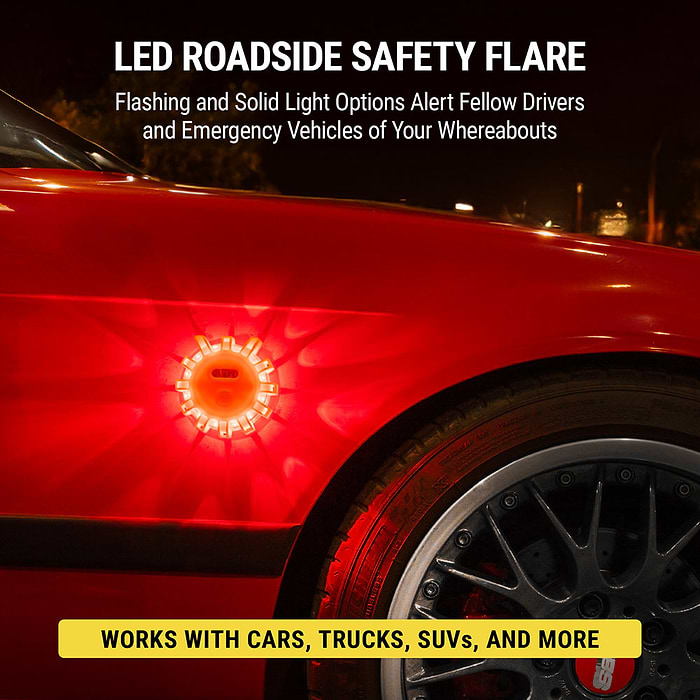
Credit: www.scosche.com
When To Seek Professional Help
A red flashing light on your car’s dashboard signals a serious issue. It means your car needs immediate attention. Ignoring it can cause more damage.
Knowing when to ask for professional help can save you time and money. It also keeps you safe on the road.
Diagnosing With A Mechanic
A trained mechanic can find the exact cause of the red flashing light. They check your car’s systems with experience and skill. This helps avoid guesswork and ensures proper repair.
Visit a mechanic if the light flashes repeatedly or stays on after restarting your car.
Using Diagnostic Tools
Modern cars have onboard computers that store error codes. Mechanics use special tools to read these codes. This shows what part of your car needs fixing.
- Diagnostic tools connect to the car’s computer port.
- They display error codes and possible causes.
- Mechanics use this data to plan repairs.
Emergency Towing Services
If your car stops or drives poorly with a red flashing light, call for towing. Driving can cause more damage or be unsafe.
| Situation | Action |
| Car won’t start | Call towing service |
| Car overheats | Stop driving, get towed |
| Warning light flashes and engine shakes | Use emergency towing |
Preventive Measures To Avoid Alerts
Red flashing lights on your car dashboard can signal serious issues. Taking steps to avoid these alerts helps keep your car safe and reliable.
Simple checks and care reduce the chances of sudden warnings. Focus on key areas to prevent problems early.
Regular Vehicle Maintenance
Routine maintenance keeps your car running smoothly. Follow the service schedule in your owner’s manual. This includes oil changes, brake checks, and tire rotations.
- Change engine oil every 5,000 miles or as recommended
- Inspect brakes for wear and tear regularly
- Rotate tires every 6,000 miles to extend life
- Replace air filters to improve engine efficiency
- Check lights and signals for proper function
Monitoring Fluid Levels
Fluids keep your car parts working well. Check them often to avoid breakdowns and alerts. Monitor oil, coolant, brake fluid, and transmission fluid.
| Fluid Type | Check Frequency | Signs of Low Level |
| Engine Oil | Monthly | Oil light, engine noise |
| Coolant | Every 3 months | Overheating, steam |
| Brake Fluid | Every 6 months | Soft brake pedal, warning light |
| Transmission Fluid | Every 30,000 miles | Slipping gears, overheating |
Battery Care Tips
Battery problems cause many red alerts. Take steps to keep your battery healthy and avoid sudden failures.
- Check battery terminals for corrosion monthly
- Clean terminals using a mix of baking soda and water
- Ensure battery is securely fastened to reduce vibration
- Test battery charge before winter and summer seasons
- Avoid leaving lights or electronics on when the engine is off

Credit: autos.yahoo.com
Frequently Asked Questions
What Does A Red Flashing Light On Car Mean?
A red flashing light usually signals a serious issue. It often indicates a critical warning like low oil pressure or engine overheating. Immediate attention is required to avoid damage or safety risks. Always check your vehicle’s manual for specific meanings.
Is A Red Flashing Light On Car Dangerous?
Yes, a red flashing light is typically dangerous. It warns of urgent problems that can impair vehicle safety. Ignoring it may cause engine failure or accidents. Stop driving and inspect the vehicle as soon as possible to prevent damage.
How To Fix A Red Flashing Light On Car?
Fixing depends on the warning type. Common steps include checking oil levels, coolant, and engine condition. Consult your manual or a mechanic for precise diagnosis. Never ignore the light, as it indicates urgent repairs might be necessary.
Can A Red Flashing Light Indicate Electrical Issues?
Yes, a red flashing light may signal electrical problems. Issues with the battery, alternator, or wiring can trigger it. Electrical faults can affect vehicle performance and safety. Professional inspection is recommended to resolve these problems promptly.
Conclusion
A red flashing light on a car signals a warning. It means something needs your attention soon. Check your car’s manual to understand the specific alert. Don’t ignore the light, as it can mean safety risks. Take action quickly to avoid bigger problems.
Regular car care helps prevent sudden warnings. Stay calm and address the issue step by step. Knowing what the red light means keeps you safe on the road.







