
Have you ever wondered how far a radar detector can actually warn you about speed traps ahead? Understanding the traffic range of your radar detector is key to staying one step ahead on the road.
The right range doesn’t just keep you safe from unexpected tickets—it gives you peace of mind and control over your drive. You’ll discover how radar detector range works, what affects it, and how to choose the perfect device for your needs.
Keep reading to make sure your next trip is smoother and stress-free.

Credit: www.alshallalchannel.com
How Radar Detectors Work
Radar detectors help drivers know when police radar is nearby. They scan for radar signals used in speed detection. These devices alert drivers to slow down before getting caught.
Radar detectors use sensors to pick up waves sent by radar guns. They work by detecting specific frequencies and signal patterns. This helps drivers stay aware of speed monitoring.
Radar Signals And Frequency Bands
Radar guns send out radio waves to measure speed. These waves fall into different frequency bands. Radar detectors listen for these signals to warn drivers.
- X band: 8 to 12 GHz, older and less common
- K band: 18 to 27 GHz, widely used by police
- Ka band: 27 to 40 GHz, most common today
- Laser (LIDAR): uses light pulses, very precise
Detection Mechanisms
Radar detectors scan the air for radar waves. They use antennas to catch signals in the frequency bands. The device then processes these signals to identify threats.
Some detectors use digital signal processing to reduce false alerts. Others have directional antennas to find signal direction. This helps drivers know where the radar is coming from.
- Wideband antenna catches many frequencies
- Signal filtering reduces false alarms
- Directional sensors locate the radar source
- Alert systems warn the driver with sound or light
Common Radar Types
Police use different types of radar guns to check speed. Each type sends signals that radar detectors can find. Knowing these types helps understand how detectors work.
- Stationary radar: fixed in one spot, often near roads
- Moving radar: used in police cars on the move
- Instant-on radar: activated only when needed
- Laser radar: uses light instead of radio waves
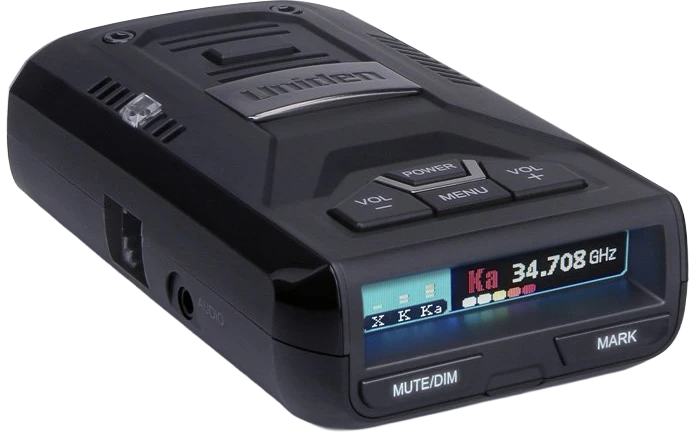
Credit: www.vortexradar.com
Factors Influencing Detection Range
The detection range of a radar detector depends on several key factors. These affect how far the device can sense radar signals.
Understanding these factors helps users know what to expect from their radar detectors in different situations.
Antenna Design And Sensitivity
The antenna in a radar detector picks up signals from radar guns. Its design and sensitivity affect the detection range a lot.
- A larger antenna can catch weaker signals from farther away.
- More sensitive detectors detect signals earlier.
- High-quality materials reduce signal loss.
- Directional antennas focus on specific areas, increasing range in those directions.
Environmental Conditions
The environment changes how well radar signals travel. Weather and surroundings can shorten or lengthen detection range.
| Condition | Effect on Detection Range |
| Rain | Reduces range by absorbing signals |
| Fog | Weakens signals, lowers range |
| Open Roads | Signals travel farthest |
| Urban Areas | Buildings block or reflect signals |
| Hills and Curves | Limit line of sight, reduce range |
Vehicle Speed And Movement
How fast and how the vehicle moves changes radar detection. Speed affects how early the detector alerts the driver.
Important points about speed and movement:
- Faster speed means less time between detection and reaching the radar source.
- Sharp turns can temporarily block signals from reaching the detector.
- Stopping or slowing down near radar sources may improve detection but leaves less reaction time.
- Movement toward the radar source changes signal strength due to Doppler effects.
Top Radar Detectors For Maximum Range
Radar detectors help drivers stay aware of speed traps on the road. Choosing the right detector can improve your driving experience. Maximum range models alert you earlier to radar signals.
In this guide, we cover high-performance models, budget-friendly options, and key features to consider. This will help you find the best radar detector for your needs.
High-performance Models
High-performance radar detectors offer long detection ranges and advanced filtering. They use strong antennas and smart software to reduce false alerts.
- Long detection range for early warnings
- Multiple radar band support
- GPS integration for location-based alerts
- Advanced signal processing to reduce false alarms
Budget-friendly Options
Budget-friendly radar detectors give good range without a high price. They suit drivers who want basic protection on a budget.
| Model | Range | Price |
| Detector A | 1 mile | $100 |
| Detector B | 0.8 mile | $80 |
| Detector C | 0.9 mile | $90 |
Features To Look For
Some features improve radar detector performance and ease of use. Consider these when selecting a model.
- Wide frequency coverage to detect all radar types
- Mute button to silence false alerts quickly
- Display brightness adjustment for day and night use
- Voice alerts for hands-free warnings
- Easy installation and compact size
Installation Tips For Better Detection
Proper installation of your radar detector helps improve its detection range. Small changes in placement and power can affect how well it works. Follow these tips to get better results from your device.
Understanding where to place the detector and how to power it can reduce false alerts and missed signals. Avoid common mistakes for the best performance.
Optimal Placement In Vehicle
Place your radar detector where it has a clear view of the road ahead. Avoid placing it behind tinted windows or metal parts of the car. The front windshield is often the best spot.
- Mount the detector high on the windshield for better line of sight.
- Avoid placing it near dashboard edges or vents that block signals.
- Keep it away from objects that cause reflections, like GPS units or phones.
- Use the mount that comes with your device for stable positioning.
Power Source Considerations
Your radar detector needs a steady power supply. Plugging it into the cigarette lighter is common, but check the power quality. Some power sources cause interference or disconnect when turning off the engine.
| Power Source | Pros | Cons |
|---|---|---|
| Cigarette Lighter | Easy to connect | Can disconnect with ignition off |
| Hardwired to Fuse Box | Stable power, hidden wires | Requires professional installation |
| USB Port | Convenient for some models | May not supply enough power |
Avoiding Signal Interference
Electronic devices in your car can cause false alerts. Keep your radar detector away from items that emit radio waves or create electrical noise.
- Do not place the detector near Bluetooth or Wi-Fi devices.
- Avoid mounting close to stereo speakers or power inverters.
- Turn off or move other electronic devices if you get many false alarms.
- Test the detector in different spots to find the clearest signal.
Legal And Ethical Use Of Radar Detectors
Radar detectors are tools used by drivers to detect speed monitoring devices. Their use varies widely depending on local laws. Knowing the rules helps avoid fines and legal trouble.
Using radar detectors responsibly supports safer roads and respects other drivers. It is important to understand how to use them ethically and legally.
Laws By Region
Radar detector laws differ by country and sometimes by state or province. Some areas allow them freely, while others ban their use completely.
| Region | Radar Detector Status | Notes |
|---|---|---|
| United States | Varies by state | Legal in most states, banned in Virginia and Washington D.C. |
| Canada | Banned in most provinces | Allowed only in Alberta and Saskatchewan |
| European Union | Mostly banned | Countries like France and Germany prohibit use |
| Australia | Illegal in all states | Strict penalties for use and possession |
Safe Driving Practices
Radar detectors should not encourage speeding or reckless driving. They are tools to help maintain safe speeds and awareness of enforcement zones.
- Always obey posted speed limits
- Use detectors to stay alert, not to speed
- Keep full attention on the road and traffic
- Do not rely solely on detectors for safety
Respecting Traffic Regulations
Respecting traffic laws protects all road users. Using radar detectors must not lead to ignoring traffic signals or dangerous driving.
Ethical use includes:
- Following speed limits even when using detectors
- Avoiding use in banned areas
- Respecting officers and traffic controls
- Promoting safe driving habits among others
Maintaining And Upgrading Your Detector
Radar detectors help drivers stay aware of speed limits. Proper maintenance keeps them working well. Upgrading can enhance their performance.
Learn how to maintain and upgrade your radar detector. This guide will cover firmware updates, cleaning, and knowing when to upgrade.
Regular Firmware Updates
Firmware updates improve your radar detector’s accuracy. They fix bugs and add new features. Check for updates regularly.
- Visit the manufacturer’s website
- Download the latest firmware
- Follow installation instructions
Cleaning And Care
Keep your radar detector clean for better performance. Dust and dirt can affect its sensors. Clean it gently with a soft cloth.
- Use a microfiber cloth for dust
- Avoid using water or harsh chemicals
- Check for loose parts regularly
When To Upgrade
Upgrading your radar detector can offer better features. Consider upgrading if your model is outdated or not performing well.
Newer models may have better range and accuracy. Research the latest models to find the best fit for your needs.
- Check for models with better technology
- Look for features that suit your driving habits
- Consider trade-in options for discounts
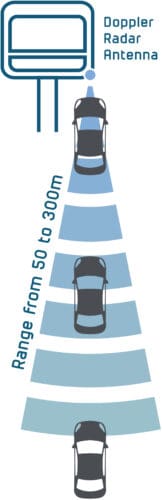
Credit: www.elancity.co.uk
Frequently Asked Questions
What Affects The Detection Range Of Radar Detectors?
Detection range depends on radar signal strength, detector quality, antenna design, and environmental factors like terrain and weather.
How Far Can Radar Detectors Typically Detect Police Radar?
Most radar detectors detect signals from 1,000 to 2,500 feet away, depending on the model and conditions.
Does Car Speed Impact Radar Detector Range?
Car speed doesn’t affect detection range but influences how quickly you must react to alerts.
Can Obstacles Reduce Radar Detector Traffic Range?
Yes, buildings, hills, and other obstacles can weaken radar signals and shorten detection distance.
Conclusion
Choosing the right radar detector range helps you drive with confidence. Longer detection distances give more time to react. Remember, weather and obstacles can affect how far signals travel. Always follow traffic laws and drive safely. A good radar detector is a useful tool, not a reason to speed.
Stay alert, stay calm, and keep your focus on the road. Safe driving matters most, no matter the technology you use.







