
Are you thinking about using a radar detector to stay ahead of speed traps? Before you do, it’s crucial to know the laws that apply in your state.
Radar detector rules vary widely, and breaking them could cost you fines or even more serious trouble. This guide breaks down the radar detector laws by state, so you can stay informed and avoid unexpected penalties. Keep reading to find out what you need to know to protect yourself on the road.
Radar Detector Basics
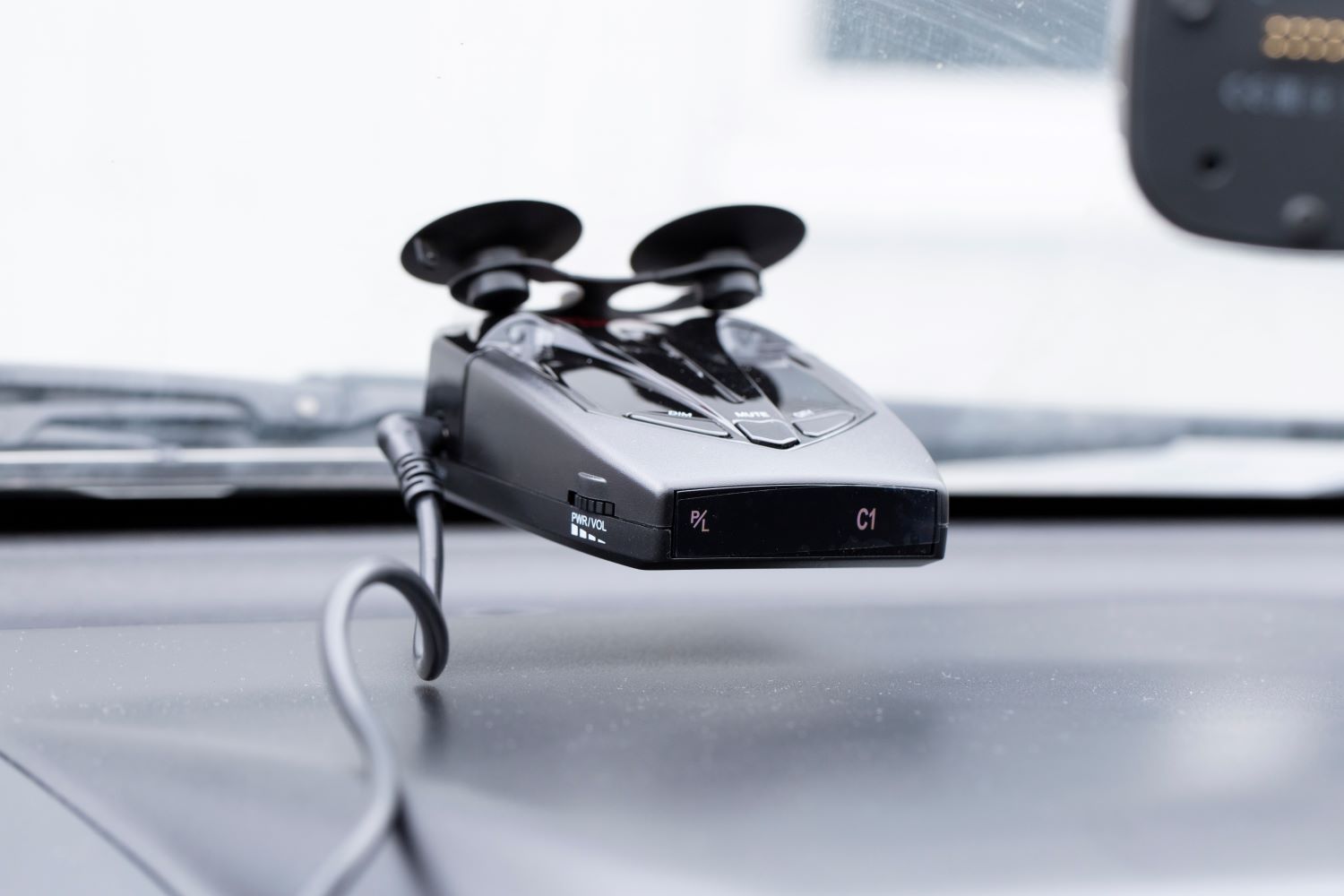
Radar detectors help drivers know when police use radar guns nearby. They alert you to slow down and avoid speeding tickets. Knowing how these devices work can help you use them better.
This guide explains the basics of radar detectors. You will learn about how they detect signals, the types available, and their pros and cons.
How Radar Detectors Work
Radar detectors scan for radio waves sent by police radar guns. These waves bounce back from your car and show your speed. The detector picks up these waves and alerts you with sounds or lights.
Some detectors also sense laser signals. These lasers measure speed more accurately but are harder to detect early.
Types Of Radar Detectors
- Basic Radar Detectors:Detect radar signals and alert you with simple sounds.
- Advanced Radar Detectors:Offer GPS, false alert filtering, and signal strength display.
- Laser Detectors:Focus on detecting laser speed guns, often paired with radar detection.
- Stealth Radar Detectors:Designed to be hard for police to detect, with quiet operation modes.
Benefits And Limitations
| Benefits | Limitations |
|---|---|
| Alerts you to radar and laser speed checks. | Some states ban radar detector use in vehicles. |
| Helps avoid speeding tickets. | False alerts from automatic doors or other signals can occur. |
| Advanced models reduce false alarms. | Radar detectors do not work against all police speed methods. |
| Can improve driver awareness of speed limits. | Detecting laser signals late leaves little time to slow down. |
Credit: www.roadspy.com
Federal Regulations On Radar Detectors
Radar detectors help drivers spot speed monitoring devices. Laws about these devices differ across states. Federal rules also affect their use.
This guide explains the main federal rules on radar detectors. It covers who can use them and any exceptions.
Overview Of Federal Laws
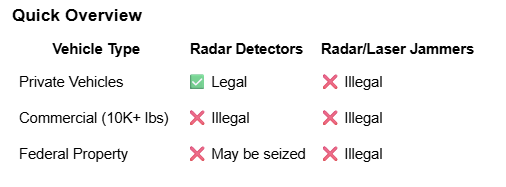
The main federal law about radar detectors applies to commercial vehicles. It bans their use in large trucks and buses. This rule aims to improve road safety.
For private passenger cars, the federal government does not ban radar detectors. States can set their own rules for these vehicles.
Radar Detectors In Commercial Vehicles
The federal law bans radar detectors in commercial vehicles weighing over 10,000 pounds. This includes trucks and buses used for business.
The rule applies to all states. Drivers of these large vehicles must not use radar detectors at any time.
- Commercial vehicles over 10,000 pounds cannot have radar detectors
- The ban applies to trucks and buses used for work
- Violators may face fines and penalties
Exceptions And Special Cases
Some vehicles have exceptions to the radar detector rules. For example, emergency vehicles may use radar devices for official work.
Private passenger cars do not face federal bans. But some states limit or ban radar detectors for all drivers. Always check state laws before using one.
- Emergency vehicles may use radar devices legally
- Private cars have no federal radar detector ban
- State laws may add restrictions or bans
State-by-state Radar Detector Laws
Radar detectors help drivers detect police radar guns. Laws about these devices vary by state. Knowing these laws keeps you safe and legal on the road.
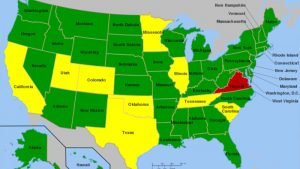
Some states allow radar detectors with no limits. Others have partial rules. Some states ban them completely. This guide explains the rules by state.
States Where Radar Detectors Are Legal
In many states, you can use radar detectors freely. These states do not have any laws banning or restricting them in private vehicles.
- Alabama
- Alaska
- Arizona
- Arkansas
- California
- Colorado
- Connecticut
- Delaware
- Florida
- Georgia
- Hawaii
- Idaho
- Illinois
- Indiana
- Iowa
- Kansas
- Kentucky
- Louisiana
- Maine
- Maryland
- Massachusetts
- Michigan
- Minnesota
- Mississippi
- Missouri
- Montana
- Nebraska
- Nevada
- New Hampshire
- New Jersey
- New Mexico
- New York
- North Carolina
- North Dakota
- Ohio
- Oklahoma
- Oregon
- Pennsylvania
- Rhode Island
- South Carolina
- South Dakota
- Tennessee
- Texas
- Utah
- Vermont
- Virginia
- Washington
- West Virginia
- Wisconsin
- Wyoming
States With Partial Restrictions
Some states allow radar detectors but limit their use in certain vehicles. Restrictions often apply to commercial trucks or government vehicles.
- Washington D.C.: Radar detectors banned in commercial vehicles.
- Virginia: Illegal in commercial vehicles over 10,000 pounds.
- New York: Commercial vehicles cannot use radar detectors.
- Connecticut: Commercial vehicle restrictions apply.
- New Jersey: Prohibited in commercial vehicles.
States Where Radar Detectors Are Illegal
A few states fully ban radar detectors in all vehicles. Using one can lead to fines or penalties in these states.
- Virginia: Illegal in all vehicles on military bases.
- District of Columbia: Radar detectors banned in all vehicles.
- California: Illegal in commercial vehicles (not private cars).
- Maryland: Illegal on all vehicles in some areas.
Credit: www.vortexradar.com
Penalties For Radar Detector Violations
Radar detector laws vary by state in the US. Some states allow their use while others ban them entirely.
Violating these laws can lead to fines, legal trouble, and other penalties. It is important to know the rules.
Fines And Legal Consequences
Many states charge drivers who use radar detectors illegally. Fines can range from small fees to hefty penalties.
Legal consequences may also include court appearances or increased insurance rates after a violation.
- Fines typically start around $100
- Some states impose fines over $500
- Court fees may be added
- Repeat offenses lead to higher fines
Vehicle Impoundment Risks
Certain states allow police to impound vehicles caught with illegal radar detectors. This is a serious penalty.
Impoundment means you lose your car for a time and must pay extra fees to get it back.
- Vehicle may be impounded immediately
- Storage fees increase daily
- Impoundment usually lasts until fines are paid
- Repeated violations increase impound risk
Points On Driving Record
States may add points to your driving record for radar detector violations. Points can affect your license.
Too many points can lead to license suspension or higher insurance premiums.
- Points vary by state, often 1 to 3 per violation
- Points stay on record for 1 to 3 years
- Accumulate points can cause license suspension
- Insurance companies check driving records regularly
Tips For Staying Legal With Radar Detectors
Radar detectors help drivers avoid speeding tickets by alerting them to speed monitoring devices. Laws about using radar detectors vary by state. Knowing the rules can keep you safe and legal.
It is important to follow local laws and use radar detectors correctly. This guide gives tips to stay within the law while using these devices.
Checking Local Laws Before Travel
Different states have different rules about radar detectors. Some states allow them, some ban them, and some restrict their use in certain vehicles.
Before traveling, check the laws in each state you will drive through. This helps avoid fines and legal trouble.
- Radar detectors are illegal in Virginia and Washington D.C.
- They are banned in commercial vehicles over 10,000 pounds in many states.
- Some states allow detectors but prohibit laser jammers.
- Check state DMV websites for the latest rules.
Proper Installation And Use
Install your radar detector where it can work well and stay legal. Most states require the device to be placed inside the vehicle, not outside.
Use the detector only while driving. Do not share or sell it to others in states where it is banned.
- Mount the detector on the windshield or dashboard.
- Keep it away from objects that block signals.
- Turn off the device in states where it is illegal.
- Follow the manufacturer’s instructions for installation.
Alternative Speed Monitoring Tools
If radar detectors are illegal or not preferred, use other tools to monitor speed. Many apps and devices alert drivers about speed limits and cameras.
These tools help drivers stay aware and avoid speeding without breaking laws related to radar detectors.
- Use GPS speedometer apps with alerts for speed cameras.
- Install dash cams with speed warning features.
- Follow posted speed limits and road signs carefully.
- Use cruise control to maintain steady speeds on highways.
Recent Changes And Trends In Radar Detector Laws
Radar detector laws are changing across states. Knowing these changes helps drivers stay informed.
Understanding the trends can prevent fines and legal issues. Let’s explore the latest updates and future outlook.
New Legislation Updates
Some states have introduced new laws on radar detector use. These laws vary in terms of restrictions and penalties.
- Virginia and Washington D.C. still ban radar detectors for all drivers.
- Illinois prohibits their use in commercial vehicles.
- New York allows them but restricts use for certain vehicle types.
Technological Advances Impacting Laws
Technology in radar detectors is evolving. This impacts how laws are crafted and enforced.
| Technology | Impact on Laws |
| GPS Integration | Increased tracking capabilities |
| Laser Detection | Broader legal scrutiny |
| Stealth Modes | Challenges in enforcement |
Future Outlook
The future of radar detector laws depends on technology and public safety concerns. States may adapt to new devices and trends.
Credit: www.carparts.com
Frequently Asked Questions
Are Radar Detectors Legal In All U.s. States?
No, radar detector legality varies by state. Some states ban their use entirely, while others allow them with restrictions. Always check local laws before using a radar detector to avoid fines or penalties.
Which States Completely Ban Radar Detectors?
Virginia, Washington D. C. , and most commercial vehicles nationwide prohibit radar detectors. These bans apply mainly to private vehicles in Virginia and D. C. Commercial trucks face stricter rules across all states.
Can Police Detect Radar Detectors In My Car?
Yes, some police use radar detector detectors (RDDs). These devices identify radar detector signals. However, RDD use is limited and illegal in some states.
Are Radar Detectors Legal For Commercial Trucks?
No, federal law bans radar detectors in commercial vehicles over 10,000 pounds nationwide. Truck drivers must comply with this rule regardless of state laws.
Conclusion
Radar detector laws vary widely across different states. Knowing these rules helps you avoid fines and trouble. Some states allow detectors; others ban them completely. Always check local laws before using a radar detector. Stay safe and drive responsibly. Understanding the laws keeps you informed and prepared.
Don’t risk penalties by ignoring state regulations. Drive smart, respect the rules, and enjoy the road.







