
Have you ever looked at a car and wondered what makes its paint so eye-catching? Painting on cars is more than just adding color—it’s a way to express personality, protect your vehicle, and even increase its value.
Whether you want a sleek finish, bold designs, or a complete custom look, understanding how car painting works can help you make the best choices for your ride. Ready to discover the secrets behind stunning car paint jobs and how you can transform your vehicle?
Keep reading to unlock everything you need to know.
Choosing The Right Paint
Painting your car needs careful thought. The paint you pick affects how your car looks and lasts.
We will look at types of automotive paints, how to pick colors, and eco-friendly options.
Types Of Automotive Paints
There are different paints for cars. Each has its own look and toughness.
- Enamel Paint: Shiny and hard but takes time to dry.
- Urethane Paint: Very strong and lasts long.
- Acrylic Paint: Easy to apply but may fade faster.
- Basecoat/Clearcoat: Gives a deep shine and protects the color.
Selecting Colors For Impact
Color changes how your car stands out. Bright colors catch eyes quickly.
| Color | Effect |
| Red | Bold and energetic |
| Black | Elegant and sleek |
| White | Clean and simple |
| Blue | Calm and cool |
| Yellow | Cheerful and bright |
Eco-friendly Paint Options
Eco-friendly paints reduce harm to nature. They use fewer chemicals and less energy.
- Low in toxic fumes
- Water-based formulas
- Less waste in production
- Better for worker safety
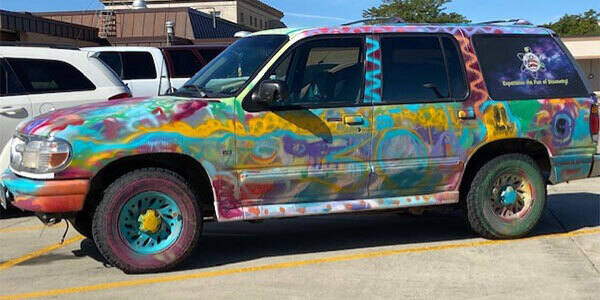
Credit: www.tomorrowstechnician.com
Preparing The Surface
Proper surface preparation is key to getting a smooth paint job on your car. It helps the paint stick well and last longer.
This guide covers cleaning, sanding, repairing, and priming to prepare your car for painting.
Cleaning And Sanding
Clean the car surface to remove dirt, grease, and old wax. Sanding helps the paint adhere better and smooths out rough spots.
- Wash the car with soap and water.
- Use a wax remover or degreaser to clean the surface.
- Dry the surface completely before sanding.
- Sand using fine-grit sandpaper (400-600 grit) for smoothness.
- Wipe the dust off with a clean cloth.
Repairing Imperfections
Fix dents, scratches, and rust spots to ensure a flawless finish. Small problems can show through the paint.
| Imperfection Type | Repair Method |
| Dents | Use a body filler and sand smooth |
| Scratches | Sand lightly and apply filler if deep |
| Rust | Remove rust with a wire brush, then apply rust converter |
Priming Techniques
Primer creates a smooth base and helps paint stick better. Choose the right primer for your car’s surface.
Follow these priming steps:
- Shake the primer can well before use.
- Apply thin, even coats with a spray gun or aerosol.
- Allow each coat to dry fully before applying the next.
- Sand lightly between coats with fine sandpaper.
- Check for smoothness before painting.
Tools And Equipment
Painting cars needs the right tools and equipment for a smooth finish. Using proper gear helps protect the car and the painter.
This guide covers the main tools used for car painting: spray guns and brushes, protective gear, and air compressors with mixers.
Spray Guns And Brushes
Spray guns give an even coat and save time on large surfaces. Brushes are good for small details and touch-ups.
- HVLP (High Volume Low Pressure) spray guns are popular for smooth finishes.
- Airless spray guns work well for thick paints and primers.
- Different brush sizes help reach tight spots and edges.
- Use synthetic brushes for water-based paints and natural bristles for oil-based paints.
Protective Gear
Protective gear keeps painters safe from fumes and paint particles. It also prevents dirt from ruining the paint job.
| Gear | Purpose | Example |
| Respirator Mask | Filters harmful fumes | Half-face or full-face mask |
| Gloves | Protects hands from chemicals | Nitrile or latex gloves |
| Coveralls | Keeps clothes clean | Disposable or reusable suits |
| Safety Glasses | Protects eyes from splashes | Wrap-around glasses |
Air Compressors And Mixers
Air compressors supply the power for spray guns. Mixers blend paint evenly for consistent color.
Key points about air compressors and mixers:
- Choose a compressor with enough PSI and CFM for your spray gun.
- Use a paint mixer to avoid color streaks and lumps.
- Keep compressors clean and dry to avoid damage.
- Some mixers attach directly to the paint cup for easy use.
Design Ideas And Inspiration
Painting on cars can change their look and make them unique. Many styles fit different tastes and personalities. This guide shows ideas to inspire your next car painting project.
From simple patterns to detailed art, you can create a design that stands out on the road. Use colors, shapes, and tools to express your style.
Classic Patterns And Stripes
Classic patterns and stripes offer a timeless look. They suit both vintage and modern cars. Stripes can run along the length or across the body for a sporty effect.
- Racing stripes in bold colors
- Checkerboard patterns on the roof or hood
- Pinstripes for a subtle, elegant touch
- Geometric shapes combined with stripes
Custom Graphics And Murals
Custom graphics and murals turn your car into a moving canvas. They tell a story or show art that reflects your personality. This style is bold and draws attention.
| Type of Graphic | Best Use | Effect |
| Flames | Sports cars | Dynamic and fast look |
| Nature scenes | Off-road vehicles | Earthy and adventurous feel |
| Abstract art | Show cars | Modern and creative style |
| Cartoon characters | Kids’ cars | Fun and playful |
Using Stencils And Decals
Stencils and decals help create clean and repeatable designs. They save time and reduce errors. This method suits detailed patterns and logos.
Benefits of stencils and decals:
- Easy to apply and remove
- Allow precise shapes and lines
- Good for layering colors
- Can be reused for multiple projects
Painting Techniques
Painting on cars is a creative process. It involves multiple techniques for a stunning finish.
Understanding these techniques helps achieve professional results. Let’s explore some key methods.
Base Coating Methods
Base coating is the foundation of car painting. It ensures color adherence and durability.
- Spray gun application
- Brush application for smaller areas
- Roller application for flat surfaces
Layering And Blending Colors
Layering colors add depth to the paint job. Blending creates smooth transitions between colors.
Custom blending technique:
- Start with a light base color
- Gradually add darker shades
- Use a fan brush for smoother blends
Adding Metallic And Pearlescent Finishes
Metallic and pearlescent finishes make a car stand out. They reflect light and add shine.
| Finish Type | Effect |
| Metallic | Sparkling shine |
| Pearlescent | Color-changing sheen |
Finishing Touches
Painting a car involves several steps to ensure a smooth and lasting finish. The final touches are crucial for protection and appearance.
These steps include applying clear coats, polishing, and ensuring proper curing times.
Clear Coats For Protection
Clear coats act as a shield for the paint, protecting it from scratches and UV rays.
- Enhances the shine of the base coat
- Provides a barrier against environmental damage
- Must be applied in a dust-free environment
Polishing And Buffing
Polishing and buffing bring out the paint’s luster. This step removes small imperfections and smooths the surface.
| Tool | Purpose |
| Polisher | Smooths paint surface |
| Buffing pad | Enhances shine |
| Compound | Removes scratches |
Curing And Drying Times
Curing times are essential for paint durability. Proper drying ensures the paint adheres well and lasts longer.
Maintaining Custom Paint Jobs
Custom paint jobs make cars stand out and look unique. Keeping the paint in good shape needs care and attention.
Regular maintenance helps protect the paint from damage and keeps the colors bright for longer.
Cleaning And Care Tips
Cleaning your car gently is important to avoid scratches on the custom paint. Use soft cloths and mild soap to wash the surface.
- Rinse the car with water before washing to remove loose dirt
- Use a soft sponge or microfiber cloth to clean the paint
- Wash in shade to prevent water spots
- Dry with a clean, soft towel to avoid scratches
- Avoid harsh chemicals that can damage the paint
Touch-up And Repairs
Small chips and scratches can ruin the look of your custom paint. Fix these quickly to stop rust and further damage.
| Type of Damage | Repair Method | Tools Needed |
| Small Scratch | Use touch-up paint | Touch-up paint, fine brush |
| Paint Chip | Clean and apply primer then paint | Primer, paint, brush, sandpaper |
| Deep Scratch | Sand, fill, and repaint | Sandpaper, filler, paint, clear coat |
Protective Coatings And Waxes
Applying protective coatings helps shield your custom paint from sun, rain, and dirt. Waxes add shine and a smooth finish.
- Wash and dry the car before applying
- Use a quality wax or ceramic coating product
- Apply evenly with a soft applicator pad
- Let the coating cure as per instructions
- Buff off excess wax with a clean microfiber cloth

Credit: www.caranddriver.com
Common Mistakes To Avoid
Painting a car needs careful work. Small mistakes can ruin the finish.
Knowing what to avoid helps you get a smooth, lasting paint job.
Improper Surface Prep
Not cleaning or sanding the car surface causes paint problems. Dirt and rust stop paint from sticking well.
Always wash, sand, and dry the car before painting. This step helps paint last longer.
- Remove old paint and rust completely
- Use a good cleaner to remove grease
- Sand the surface to make it smooth
- Dry the surface fully before painting
Using Wrong Paint Types
Using paint not made for cars leads to peeling and fading. Car paint is made to handle weather and heat.
Pick paint designed for vehicles. Check if it fits your car’s material and color needs.
- Use automotive paint only
- Choose paint for your car’s surface type
- Match the paint type with your spray equipment
Ignoring Safety Precautions
Paint fumes and chemicals can harm your health. Always work in a well-ventilated area.
Wear protective gear like masks, gloves, and goggles to stay safe while painting.
- Use a respirator mask to avoid fumes
- Wear gloves to protect your skin
- Use goggles to shield your eyes
- Keep the area ventilated during work
Hiring Professionals Vs Diy
Painting your car can change its look and protect it from damage. You can do it yourself or hire a professional. Each choice has different benefits and challenges.
Understanding costs, skills, and when to get expert help will guide your decision. Read on to learn more about these important points.
Cost Considerations
Painting a car involves many costs. Professionals charge for labor, materials, and time. DIY might save money but needs tools and supplies.
| Cost Type | Hiring Professionals | DIY |
| Labor | Included in price | Free but time-consuming |
| Materials | High quality, included | You buy separately |
| Equipment | Provided by pro | Must purchase or rent |
| Fixing mistakes | Covered by pro | May cost extra |
Skill Levels Required
Painting a car needs different skills. Professionals have training and experience. DIY requires learning and practice.
- Knowledge of paint types and tools
- Surface preparation and cleaning
- Even and smooth paint application
- Safety with chemicals and equipment
- Ability to fix errors
When To Seek Expert Help
Some situations need professionals. Complex jobs or large damage require expert skills. Experts ensure long-lasting results.
Consider hiring a pro if:
- Your car has rust or dents
- You want a custom or multi-color design
- You lack time or tools
- You want a warranty or guarantee
- You want a high-quality finish
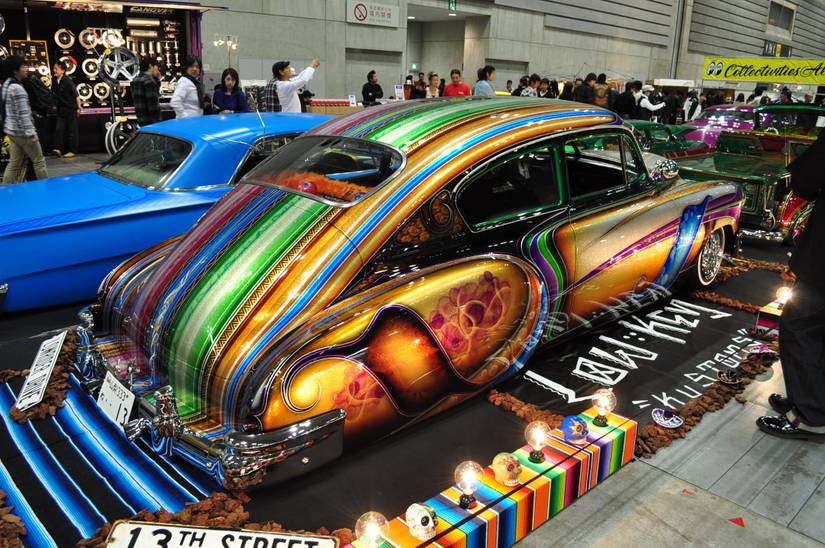
Credit: www.hotcars.com
Frequently Asked Questions
What Are The Best Paints For Painting Cars?
The best paints for cars are acrylic enamel, urethane, and lacquer. Urethane offers durability and a glossy finish. Acrylic enamel is affordable and easy to apply. Lacquer provides a classic shine but requires frequent maintenance. Choose based on your budget and desired finish.
How Long Does Car Paint Usually Last?
Car paint typically lasts 5 to 10 years. Proper maintenance, such as waxing and washing, extends its life. Environmental factors like sun exposure and weather conditions also affect durability. Regular touch-ups help keep the paint looking fresh and protect the car from rust.
Can I Paint My Car At Home Safely?
Yes, you can paint your car at home with proper preparation. Use a clean, dust-free area and wear protective gear. Follow instructions for sanding, priming, and painting carefully. However, professional painting ensures better quality and long-lasting results. Consider your skill level before starting.
How Much Does Professional Car Painting Cost?
Professional car painting costs range between $500 and $5,000. The price depends on the car size, paint type, and repair needs. Custom designs or multiple colors increase the cost. Always get quotes from reputable shops and check reviews before deciding.
Conclusion
Painting on cars adds color and style to any vehicle. It protects the surface from damage and rust. Choosing the right paint and tools matters a lot. A smooth, even coat looks best and lasts longer. Simple steps and patience bring good results.
Anyone can learn with practice and care. Keep your car looking fresh and unique with paint. Enjoy the process and show your creativity proudly.







