
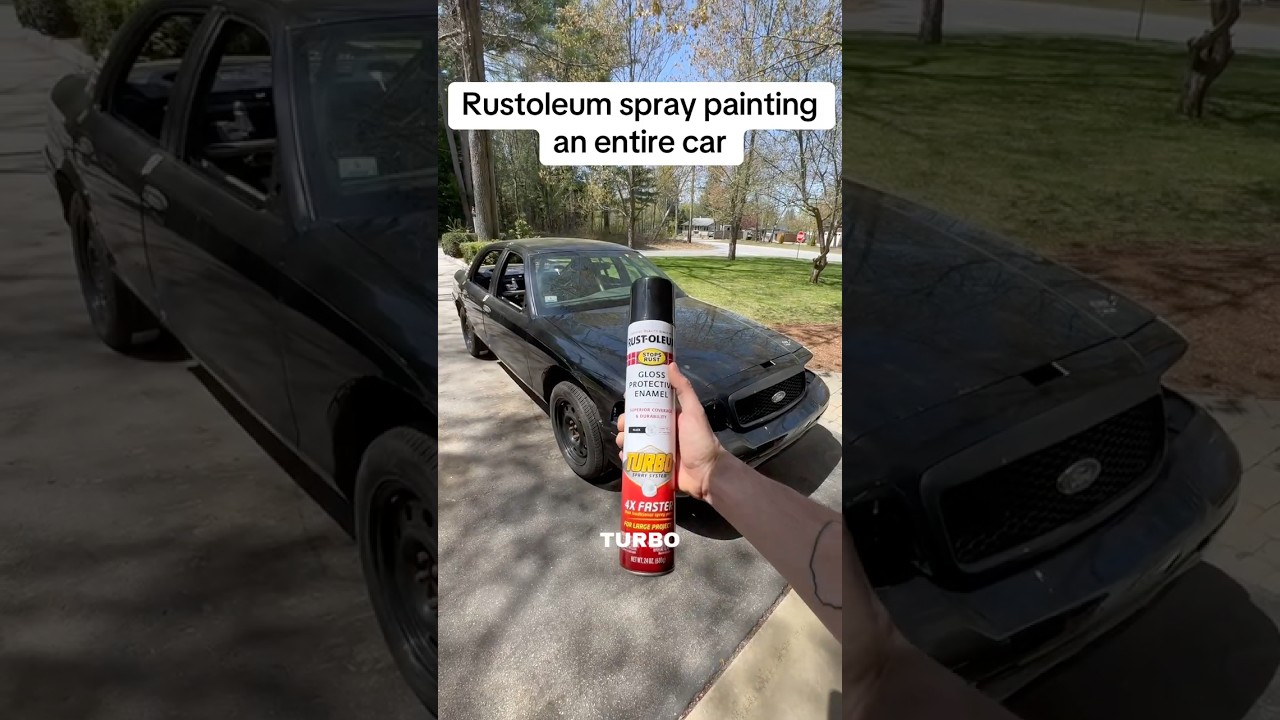
Are you looking to give your car a fresh, new look without breaking the bank? Painting your car with Rustoleum paint might be the perfect solution for you.
It’s affordable, easy to use, and can deliver impressive results if done right. But before you grab that spray can, there are important tips and tricks you need to know to avoid common mistakes that could ruin your finish. Keep reading, and you’ll discover how to transform your car’s appearance with Rustoleum paint, step by step, so you can drive away proud of your work.
Choosing Rustoleum Paint
Rustoleum paint offers many options for car painting projects. Picking the right type helps protect and beautify your car.
This guide covers types of Rustoleum paint, color tips, and finish choices. Learn what fits your needs best.
Types Of Rustoleum Paint
Rustoleum has several paint types for cars. Each type suits different surfaces and purposes.
- Protective Enamel:Good for metal surfaces. It resists rust and weather.
- Automotive Coating:Made for cars. It offers a smooth and durable finish.
- Spray Paint:Easy to apply. Best for small areas or touch-ups.
- Rust Preventative:Stops rust before it starts. Use on bare metal.
Color Selection Tips
Choosing the right color affects your car’s look and feel. Think about style and maintenance.
| Factor | Advice |
| Climate | Light colors reflect heat, good for hot areas. |
| Visibility | Bright colors improve safety on the road. |
| Maintenance | Darker colors show dirt and scratches easily. |
| Style | Choose colors that match your personality and car model. |
Paint Finish Options
Rustoleum offers different finishes. Each finish changes the look and feel of the paint.
- Glossy:Shiny and bright. Makes colors pop and hides minor flaws.
- Matte:Flat and smooth. Gives a modern, subtle look.
- Satin:Between glossy and matte. Soft shine with less glare.
- Textured:Adds grip and hides scratches well. Good for rugged use.
Preparing The Car Surface
Painting a car with Rustoleum paint needs a clean and smooth surface. Preparing the surface well helps the paint stick better. It also makes the finish last longer.
Start by removing dirt, grease, and old paint problems. Fix dents and scratches before you paint. This guide explains how to get the car ready.
Cleaning And Degreasing
Clean the car surface to remove dirt and dust. Use soap and water first to wash the area. Let it dry completely before the next step.
Degrease the surface to get rid of oils and wax. Use a good degreaser or rubbing alcohol on a clean cloth. Wipe the surface well to make it ready for sanding.
Sanding Techniques
Sanding helps to smooth the surface and remove old paint or rust. Use sandpaper with the right grit for different jobs. Start with coarser grit and finish with finer grit for smoothness.
- Use 80-120 grit to remove rust or old paint
- Use 220-320 grit for smoothing the primer or bare metal
- Use 400 grit or higher before painting for a smooth finish
Sand in a circular motion or along the shape of the car. Wipe the dust off with a clean cloth after sanding.
Repairing Imperfections
Fix dents, scratches, and holes before painting. Use body filler or putty to fill small holes or dents. Spread it evenly and let it dry completely.
After the filler dries, sand the area smooth with fine sandpaper. Check the surface for any bumps or rough spots. Repeat filling and sanding if needed for a perfect finish.
Setting Up Your Workspace
Painting a car with Rustoleum paint needs a good workspace. This helps you get smooth, even paint on your car.
Preparing your area right keeps dust and dirt away. It also helps you work safely and easily.
Ideal Environment Conditions
Pick a dry place with good air flow. Avoid windy or dusty spots to stop dirt from sticking to paint.
Keep the temperature between 50°F and 85°F. This helps the paint dry well and stick to the car.
- Choose a covered area to keep rain off
- Work in a space with little dust or dirt
- Use fans for air flow but not too strong
- Avoid direct sunlight on the car
Necessary Tools And Equipment
Gather all tools before you start. This saves time and helps the job go smoothly.
You will need brushes, sandpaper, Rustoleum paint, and cleaning supplies. A mask and gloves protect you.
- Rustoleum automotive paint
- Sandpaper (various grits)
- Paint brushes or spray gun
- Drop cloths or plastic sheets
- Masking tape
- Respirator mask and gloves
- Cleaning rags and degreaser
- Paint thinner or remover
Safety Precautions
Wear safety gear to protect your skin and lungs. Paint fumes can harm your health.
Keep your workspace clear of fire or sparks. Rustoleum paint is flammable and can catch fire.
- Always wear a respirator mask
- Use gloves to protect your hands
- Wear goggles to shield your eyes
- Work in a well-ventilated area
- Keep fire sources away from paint
- Have a fire extinguisher nearby

Credit: www.youtube.com
Applying Rustoleum Paint
Using Rustoleum paint is a popular way to protect and beautify your car. The paint covers rust and creates a smooth finish.
This guide focuses on applying the paint properly. Follow these tips for the best results on your vehicle.
Priming The Surface
Start by cleaning the car surface to remove dirt and grease. Sand the rusted areas until smooth. Use a Rustoleum primer to prepare the metal.
Apply the primer in thin, even coats. Let each coat dry before adding the next. This helps the paint stick and prevents peeling.
Spray Painting Tips
- Shake the Rustoleum spray can well before use.
- Hold the can about 10-12 inches from the surface.
- Spray in steady, side-to-side motions.
- Keep the can moving to avoid drips and runs.
- Apply light coats instead of one heavy coat.
Layering And Drying Times
| Layer | Dry Time | Purpose |
|---|---|---|
| First Coat | 20-30 minutes | Builds base color |
| Second Coat | 30 minutes | Improves coverage |
| Final Coat | 1 hour | Ensures smooth finish |
Wait the recommended time between coats. Allow the final coat to dry fully before using the car. This prevents damage to the paint.
Achieving A Smooth Finish
Painting a car with Rustoleum paint can give a fresh look. A smooth finish makes the paint job look professional and clean.
To get a smooth finish, you need to prepare the surface well and use the right techniques. This guide explains key steps to follow.
Wet Sanding Methods
Wet sanding helps remove bumps and rough spots on the paint. It uses water to keep the sandpaper and surface wet.
Use fine-grit sandpaper, like 1500 to 2000 grit. Sand gently in circular motions. Keep the surface wet to avoid scratches.
- Soak sandpaper in water for 10 minutes
- Use a spray bottle to keep surface wet
- Sand lightly and evenly across the paint
- Wipe clean with a soft cloth after sanding
Buffing And Polishing
Buffing and polishing remove fine scratches left by sanding. This step makes the paint shine and look smooth.
Use a soft buffing pad and polish compound. Work in small sections with a low-speed buffer. Do not press too hard.
- Apply polish to the pad before buffing
- Move the buffer in slow, circular motions
- Check progress often to avoid over-buffing
- Clean residue with a microfiber cloth
Applying Clear Coat
Clear coat protects the paint and adds gloss. It also helps keep the surface smooth and durable.
Spray thin, even layers of clear coat. Allow each layer to dry before applying the next. Avoid thick coats to prevent runs.
- Shake the can well before use
- Hold spray can 8-12 inches from surface
- Spray in steady back-and-forth motions
- Apply 2-3 thin coats with drying time between

Credit: www.youtube.com
Maintaining Your Painted Car
Painting your car with Rustoleum can give it a fresh new look. To keep it looking good, you need to maintain the paint properly.
Regular care will help protect your car’s paint and keep it shining for years. Follow these tips to maintain your car’s paint.
Cleaning And Care Tips
Wash your car every week to remove dirt and grime. Use a mild car soap and a soft sponge to avoid scratches.
Dry your car with a clean, soft towel after washing. This prevents water spots from forming on the paint.
- Park in the shade to protect the paint from sun damage
- Avoid driving on gravel roads to prevent chips
- Use a cover if you park outdoors for long periods
Touch-up Techniques
If you spot a small chip or scratch, fix it quickly. This prevents rust from forming on your car’s body.
Use a matching Rustoleum paint pen for touch-ups. Apply the paint in thin layers and let it dry completely.
- Clean the area before applying touch-up paint
- Apply a clear coat over the touch-up for extra protection
- Sand lightly between layers for a smooth finish
Long-term Protection
Wax your car every three months to protect the paint. Wax adds a protective layer and gives your car a glossy shine.
Inspect your car regularly for any signs of damage. Address any issues quickly to maintain your car’s appearance.
| Task | Frequency |
| Wash car | Weekly |
| Wax car | Every 3 months |
| Inspect for damage | Monthly |
Credit: www.youtube.com
Frequently Asked Questions
Can Rustoleum Paint Be Used On Car Surfaces?
Yes, Rustoleum paint is suitable for car surfaces. It offers good adhesion and rust protection. Proper surface preparation is essential for best results. It works well on metal, plastic, and fiberglass parts of a car.
How Do I Prepare My Car Before Painting?
Clean the surface thoroughly to remove dirt and grease. Sand the car to smooth imperfections and remove old paint. Use a primer to ensure paint adheres well and lasts longer. Proper preparation improves the final look and durability.
Is Rustoleum Paint Durable For Car Exteriors?
Rustoleum paint provides decent durability for car exteriors. It resists rust and corrosion effectively. However, it’s best for touch-ups or hobby projects, not full professional repaints. For long-term use, consider automotive-specific paints.
How Many Coats Of Rustoleum Paint Are Needed?
Typically, apply 2 to 3 coats of Rustoleum paint. Allow each coat to dry completely before applying the next. Multiple coats ensure even coverage and better protection. Follow product instructions for optimal results.
Conclusion
Painting a car with Rustoleum paint is a practical choice. It offers good coverage and durability. Preparing the car surface well ensures better results. Applying thin, even coats helps avoid drips and runs. Let each layer dry completely before adding the next.
This method saves money and refreshes your car’s look. Rustoleum paint works best on clean, rust-free surfaces. Take your time and follow the steps carefully. You can achieve a nice finish without professional help. Painting your car yourself feels rewarding and fun.







