
Are you ready to give your car a fresh new look but stuck with old, peeling paint? Removing paint the right way can be tricky, messy, and time-consuming.
That’s where the right paint stripper for cars comes in. Imagine effortlessly stripping away layers of paint without damaging your car’s surface—sounds like a dream, right? You’ll discover how to choose the best paint stripper that fits your needs, get tips for safe and effective use, and avoid common mistakes that could cost you time and money.
Keep reading to make your car restoration smooth and satisfying from start to finish.
Choosing The Right Paint Stripper
Removing old paint from a car is not easy. Choosing the right paint stripper helps protect your car’s surface. It also makes the job faster and safer.
This guide explains types of paint strippers, chemical and eco-friendly options, and key factors to consider for cars.
Types Of Paint Strippers
Paint strippers come in different forms. Each type works well in certain situations. Here are the common types:
- Gel Strippers: Thick and slow drying. Good for vertical surfaces.
- Liquid Strippers: Thin and fast acting. Best for flat surfaces.
- Paste Strippers: Sticky and strong. Works on tough paint layers.
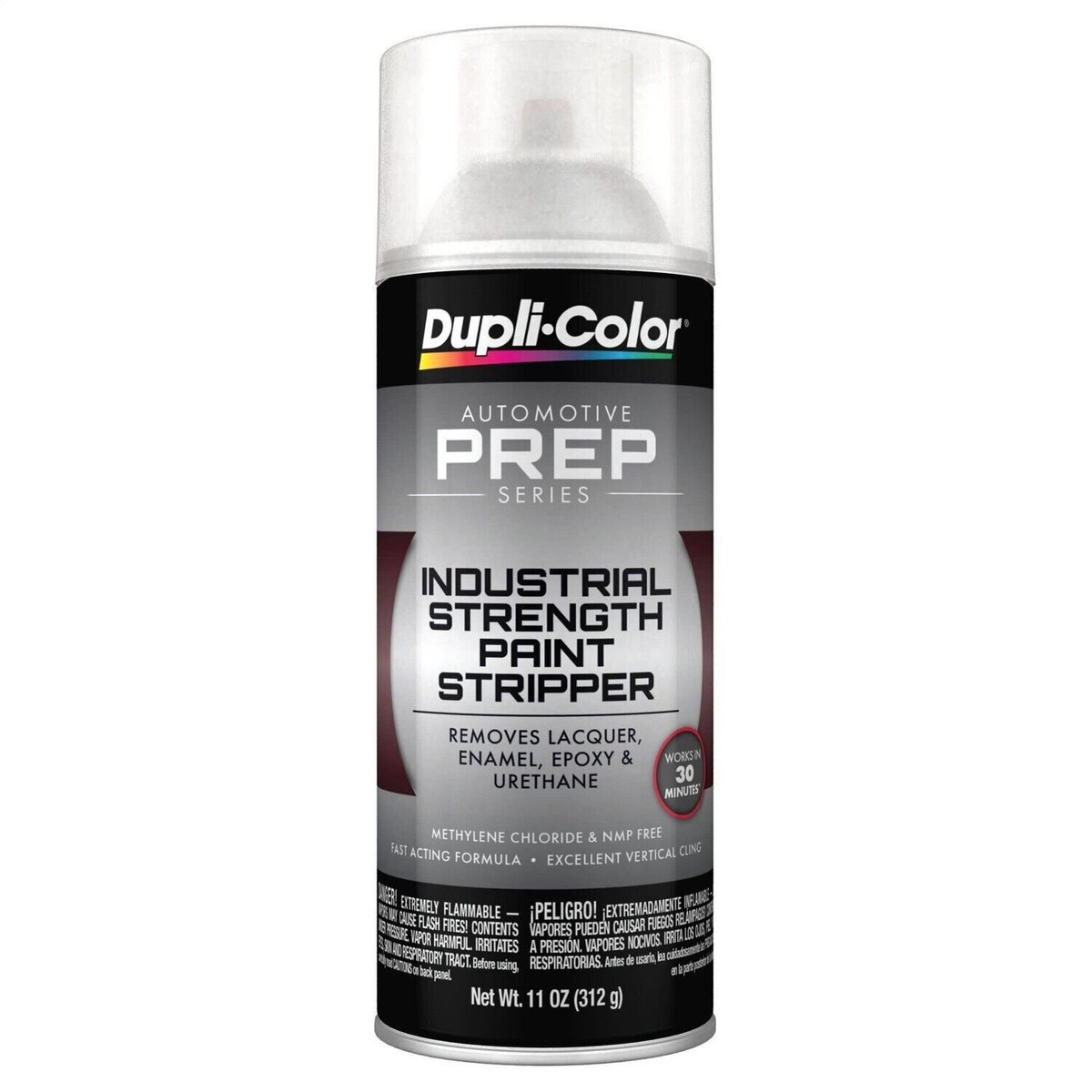
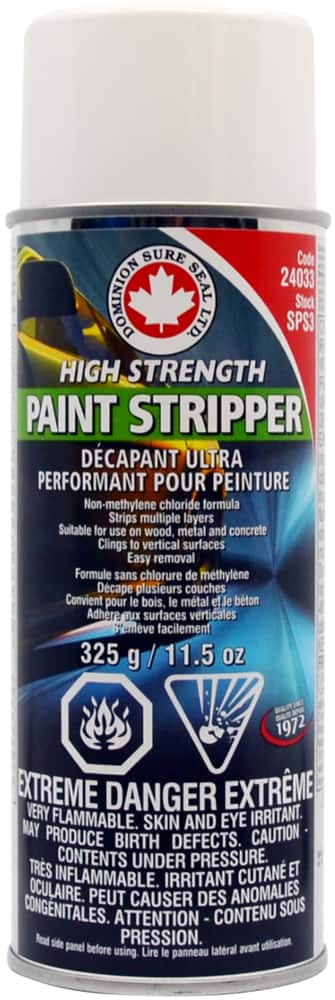
- Aerosol Strippers: Spray form. Easy to apply on small areas.
Chemical Vs. Eco-friendly Options
Chemical strippers use strong solvents. They remove paint quickly but can harm skin and the environment. Eco-friendly strippers use natural ingredients. They are safer but may take longer.
| Type | Speed | Safety | Environmental Impact |
| Chemical | Fast | Low | High |
| Eco-Friendly | Slower | High | Low |
Factors To Consider For Cars
Cars have delicate surfaces. Choose a stripper that does not damage metal or plastic. Check the paint type and thickness. Also, consider ease of use and safety gear needed.
- Surface type: metal, plastic, or fiberglass
- Paint layers: single or multiple coats
- Drying time of the stripper
- Ventilation and protective equipment required
- Waste disposal rules in your area
Preparing Your Car For Stripping
Stripping paint from your car needs careful preparation. This helps protect you and your vehicle. Follow these steps before starting the paint removal.
Proper setup makes the work safer and easier. Pay attention to safety gear, cleaning, and work area arrangement.
Safety Gear And Precautions
Using the right safety gear keeps you safe from harmful chemicals and dust. Always wear protective clothing and equipment.
- Wear chemical-resistant gloves to protect your hands.
- Use safety goggles to shield your eyes.
- Wear a respirator mask to avoid inhaling fumes.
- Put on long sleeves and pants to protect your skin.
- Work in a well-ventilated area to reduce fume exposure.
Cleaning And Masking
Clean the car surface before stripping. Remove dirt, grease, and wax for better paint removal.
| Cleaning Step | Purpose |
|---|---|
| Wash with soap and water | Remove surface dirt and dust |
| Use degreaser | Eliminate grease and oils |
| Dry completely | Prevent moisture interference |
| Mask off trim and glass | Protect parts not to be stripped |
Work Environment Setup
Set up a safe and clean workspace. This helps prevent accidents and keeps tools organized.
- Choose a flat, stable surface to work on.
- Keep children and pets away from the area.
- Cover the ground with drop cloths to catch paint chips.
- Arrange tools and paint stripper within easy reach.
- Ensure good lighting to see all areas clearly.
Application Techniques
Using paint stripper on cars needs care and the right method. This helps to remove paint safely and cleanly. Knowing how to apply it can save time and avoid damage.
Below are key steps and tips for applying paint stripper correctly. Each section covers tools, timing, and how to manage paint layers.
Proper Paint Stripper Application
Always start with a clean, dry surface. Use a brush to spread the stripper evenly. Avoid thick blobs; a thin coat works best. Let it sit until paint bubbles or softens.
- Clean the car surface from dirt and grease.
- Apply a thin, even layer of paint stripper with a brush.
- Wait as directed by the product instructions.
- Scrape off softened paint gently with a plastic scraper.
- Repeat if needed for thick paint layers.
Tools For Effective Removal
Using the right tools makes paint removal easier and protects the car’s surface. Prepare these tools before starting your job.
- Soft-bristle brush for applying stripper
- Plastic or wooden scraper to avoid scratches
- Protective gloves and goggles for safety
- Rags or cloths for cleaning residue
- Bucket of water to rinse the area if needed
Timing And Layer Management
Timing is key to remove paint without damage. Different layers may need different attention. Use time wisely to work through each paint level.
| Paint Layer | Recommended Wait Time | Removal Tip |
| First Thin Layer | 10-15 minutes | Scrape gently to avoid bare metal |
| Second Medium Layer | 20-25 minutes | Apply stripper again if paint stays hard |
| Thick or Multiple Layers | 30+ minutes | Use multiple applications for full removal |
Removing Paint Safely
Removing paint from cars needs care and the right tools. Using safe methods protects the car’s surface.
Choose gentle techniques to avoid scratches and damage. Work slowly and check the car often.
Using Scrapers And Brushes
Scrapers and brushes help remove paint without harsh chemicals. Use plastic scrapers to avoid scratching.
Soft-bristle brushes clean away loose paint and dirt. Avoid metal scrapers or stiff brushes on painted areas.
- Use plastic or rubber scrapers
- Choose soft-bristle brushes
- Work gently to protect the surface
Handling Stubborn Paint Spots
Some paint spots may not come off easily. Apply paint stripper carefully on these spots and wait a few minutes.
Use a scraper or brush to remove softened paint. Repeat if necessary but avoid harsh scraping.
- Apply paint stripper thinly
- Wait according to product instructions
- Use gentle scraping after softening
Avoiding Damage To Car Surface
Protect the car’s surface by testing tools and products on a small area first. Avoid harsh chemicals and tools.
Work in a shaded area to prevent paint stripper from drying too fast. Rinse the surface well after paint removal.
- Test tools on a hidden spot
- Use mild chemicals and tools
- Work in shade for better control
- Rinse thoroughly after stripping
Post-stripping Cleanup
After using paint stripper on your car, cleaning up is very important. Proper cleanup helps prepare the surface for repainting. It also keeps your workspace safe and clean.
Follow these steps carefully to remove leftover residue, prepare the surface, and dispose of chemicals correctly.
Removing Residue
Paint stripper leaves behind residue that can affect new paint adhesion. Use a clean cloth and a mild solvent to wipe off this residue. Avoid harsh scrubbing that might damage the car surface.
- Apply a mild solvent or water-based cleaner
- Wipe gently with a soft cloth or sponge
- Repeat until all residue is removed
- Allow the surface to dry completely
Surface Preparation For Repainting
Prepare the surface carefully to ensure new paint sticks well. Sanding smooths rough spots left by the stripper. Clean the area again after sanding to remove dust.
| Task | Tools Needed | Purpose |
|---|---|---|
| Sanding | Fine-grit sandpaper | Smooth surface and remove imperfections |
| Cleaning | Clean cloth and solvent | Remove dust and debris |
| Drying | Air or clean towel | Ensure surface is dry before painting |
Disposal Of Chemicals And Waste
Dispose of paint stripper chemicals and waste safely. Improper disposal harms the environment and may be illegal. Follow local regulations for hazardous waste.
- Collect all used rags and leftover chemicals
- Place waste in sealed, labeled containers
- Do not pour chemicals down drains or on soil
- Take waste to a hazardous waste disposal site
Credit: www.ebay.com
Common Mistakes To Avoid
Using paint stripper for cars can be tricky. Avoid common mistakes to get the best results. Taking the right steps ensures a clean and smooth finish.
Many people make errors when stripping car paint. Knowing these mistakes helps you prevent them in your own projects.
Overusing Paint Stripper
Applying too much paint stripper is a frequent mistake. It can damage the car’s surface. Always follow the instructions on the product label.
- Use the recommended amount
- Avoid reapplying before the first layer works
- Check the car surface for damage signs
Ignoring Safety Measures
Safety is crucial when handling paint stripper. Many ignore this and face risks. Protect yourself by using the right gear.
- Wear gloves and goggles
- Ensure good ventilation
- Keep the product away from children
Rushing The Process
Rushing can lead to uneven results. Be patient and let the paint stripper do its job. This ensures a smooth and even surface.
| Step | Recommended Time |
| Apply Stripper | 5-10 minutes |
| Wait | 15-30 minutes |
| Scrape Off | As needed |
Tips For Faster Removal
Removing paint from cars can be a tricky task. Using the right techniques can speed up the process.
Here are some tips to help you remove paint quickly and efficiently from your car.
Using Heat With Paint Strippers
Heat makes paint soft and easier to remove. Use a heat gun or a hair dryer for this task.
Be careful not to overheat the car’s surface. This could cause damage to the metal.
- Keep the heat source moving
- Test a small area first
- Keep a safe distance from the surface
Choosing High-quality Products
Good quality paint strippers work faster and more effectively. Look for brands with positive reviews.
Check the ingredients to ensure they are safe for your car. Avoid products with harsh chemicals.
- Read product labels carefully
- Choose eco-friendly options
- Consult with a professional if unsure
Working In Optimal Conditions
Choose the right time and place for your paint removal. A clean, well-lit area is best.
Avoid working in extreme temperatures. This can affect the effectiveness of the paint stripper.
- Work in a ventilated space
- Wear protective gear
- Schedule your work for a dry day

Credit: www.walmart.com
Credit: www.canadiantire.ca
Frequently Asked Questions
What Is The Best Paint Stripper For Cars?
The best paint stripper for cars is one designed specifically for automotive use. It removes paint without damaging metal or plastic parts. Look for gel or liquid formulas with strong adhesion and easy cleanup. Always choose products that are safe for car finishes and effective on multiple paint layers.
How Long Does Car Paint Stripper Take To Work?
Car paint stripper usually works within 15 to 30 minutes. The exact time depends on the product strength and paint thickness. Always follow the manufacturer’s instructions for timing to avoid damaging the surface. Test on a small area first to ensure proper stripping without harm.
Can Paint Stripper Damage Car Metal Or Plastic?
Yes, some paint strippers can damage metal or plastic if not used correctly. Choose automotive-safe formulas to minimize risk. Avoid prolonged exposure and always rinse thoroughly after use. Proper application and timing are essential to protect car surfaces during paint removal.
Is Paint Stripping Safe For Diy Car Restoration?
Yes, paint stripping can be safe for DIY car restoration with proper precautions. Use protective gloves, masks, and work in a ventilated area. Follow product instructions carefully and test on small spots first. This approach ensures effective paint removal without harming the car or yourself.
Conclusion
Choosing the right paint stripper helps protect your car’s surface. Always follow safety steps to avoid damage or injury. Test the product on a small area first. Patience and care lead to better results. Clean the car thoroughly after stripping paint.
Proper preparation makes repainting easier and smoother. Keep your workspace well-ventilated and wear gloves. This simple process refreshes your car’s look effectively. A good paint stripper saves time and effort. Take your time, and the car will look great again.







