
Are you ready to give your car a fresh, flawless finish without spending a fortune? Using a paint gun for cars can transform your vehicle’s look quickly and professionally.
Whether you want to fix scratches or completely change your car’s color, the right paint gun makes all the difference. You’ll discover how to choose the best paint gun for your needs, tips to get a smooth, even coat, and secrets to avoid common mistakes.
Keep reading to unlock the simple steps that will have your car looking like new in no time.
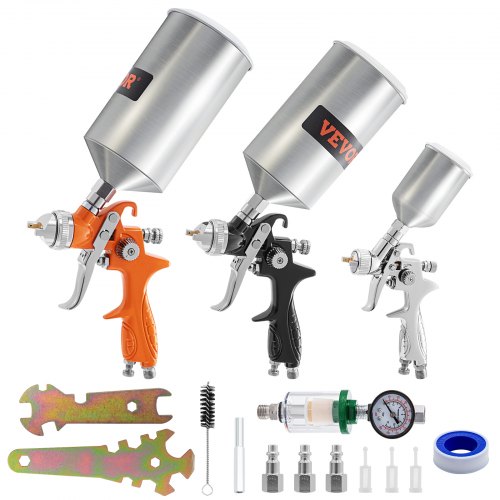
Choosing The Right Paint Gun
Choosing the right paint gun is important for a good car finish. The right tool helps paint stick well and look smooth.
Different paint guns work best for different jobs. You need to pick one that fits your needs and skills.
Types Of Paint Guns
There are several types of paint guns for cars. Each type sprays paint in a different way.
Choose between HVLP, LVLP, and conventional guns based on your work and budget.
- HVLP (High Volume Low Pressure):Uses more air with less pressure. Gives fine finish and less overspray.
- LVLP (Low Volume Low Pressure):Uses less air and less pressure. Good for small jobs and less paint waste.
- Conventional:Uses high pressure. Covers fast but wastes more paint and creates more overspray.
Air Pressure And Spray Patterns
Air pressure controls how paint sprays from the gun. Too high pressure wastes paint and makes rough finishes.
Spray patterns affect how paint covers the car surface. Different shapes work for different areas.
- Fan pattern:Wide and flat. Good for large flat surfaces.
- Round pattern:Circular spray. Best for small or detailed spots.
- Adjustable patterns:Many guns let you change spray size and shape.
Material Compatibility
Paint guns work with different paint materials. Not all guns can spray every kind of paint.
Check if the gun matches the paint type you plan to use. This ensures smooth spraying and good results.
- Water-based paints:Need guns that handle thinner paints well.
- Solvent-based paints:Require guns that resist chemicals.
- Clear coats and primers:May need specific tips or settings on the gun.
Credit: www.vevor.ca
Essential Tools And Equipment
Using a paint gun for cars requires the right tools and equipment. These tools help you get a smooth and even finish. Safety and preparation are also important parts of the process.
Below are key tools you need for a successful car painting job. Each section covers important items to use with your paint gun.
Compressors And Regulators
A good air compressor supplies the paint gun with steady air pressure. Regulators control the pressure for consistent spray. Using the right settings avoids paint runs and uneven coverage.
| Tool | Purpose | Tip |
|---|---|---|
| Air Compressor | Provides air for spraying | Choose one with at least 6 CFM at 40 PSI |
| Pressure Regulator | Controls air pressure | Keep pressure steady for smooth spray |
| Air Filter | Removes moisture and dust | Prevents paint defects |
Protective Gear
Protective gear keeps you safe from fumes and paint particles. Wearing the right gear is essential for health and comfort during painting.
- Respirator mask to avoid inhaling fumes
- Protective gloves to keep paint off skin
- Coveralls to protect clothing and skin
- Safety goggles to shield eyes
Surface Preparation Tools
Preparing the car surface is key for paint adhesion. Use the right tools to clean and smooth the surface before painting.
Common surface preparation tools include:
- Sanding blocks and sandpaper for smoothing
- Cleaning cloths and degreasers for removing dirt
- Masking tape and paper to protect areas not to paint
Preparing Your Car For Painting
Painting a car needs careful preparation to get a smooth finish. Good prep helps the paint stick well and last longer.
This guide covers cleaning, sanding, masking, taping, and priming your car before painting.
Cleaning And Sanding
Start by washing the car to remove dirt and grease. Use soap and water, then dry it fully.
- Use a degreaser to remove oil spots
- Sand the surface to make it smooth
- Remove any rust or old paint flakes
- Clean dust off after sanding
Masking And Taping
Cover parts you do not want to paint. Use tape and paper or plastic sheets to protect windows, trims, and tires.
Follow these tips for masking:
- Use quality masking tape for clean edges
- Cover large areas with plastic sheets
- Press tape edges firmly to avoid paint leaks
- Remove tape carefully after painting
Priming Techniques
Apply primer to help paint stick and to protect the metal. Choose the right primer for your paint type.
| Primer Type | Use For | Dry Time |
| Epoxy Primer | Metal surfaces | 30 minutes |
| Urethane Primer | Filling small scratches | 45 minutes |
| Self-etching Primer | Rusty or bare metal | 20 minutes |
Mastering Paint Gun Techniques
Using a paint gun for cars needs skill and care. Proper technique helps achieve a smooth finish. It also reduces paint waste and flaws.
This guide covers key points like spraying distance, even coating, and avoiding defects. Follow these tips for better results.
Proper Spraying Distance
Keep the right distance between the paint gun and car surface. This distance affects paint coverage and drying.
Hold the gun about 6 to 10 inches away. Too close causes runs and drips. Too far leads to uneven coverage.
Even Coating Tips
Apply paint in smooth, steady passes. Overlap each pass by about 50% to avoid streaks.
- Keep the gun moving at a steady speed
- Use consistent pressure on the trigger
- Maintain a parallel angle to the surface
- Spray in thin layers instead of one thick coat
- Allow each layer to dry before the next
Avoiding Common Paint Defects
Paint defects can ruin your work. Know what causes them to prevent issues.
| Defect | Cause | Prevention |
|---|---|---|
| Runs and Sags | Too much paint or spraying too close | Keep proper distance and thin coats |
| Orange Peel | Incorrect spray pressure or paint viscosity | Adjust gun settings and thin paint as needed |
| Fish Eyes | Surface contamination like oil or silicone | Clean surface well before painting |
| Blistering | Painting on a hot surface or trapped moisture | Paint in cool, dry conditions |
Types Of Automotive Paints
Painting a car can transform its look and feel. Different types of paints are used for different effects and finishes. Understanding these can help you choose the best paint for your car.
Base Coat And Clear Coat
Base coat and clear coat are often used together. The base coat provides color, while the clear coat gives shine and protection. This combination is popular for its glossy finish.
- Base coat gives the car its main color
- Clear coat protects against scratches and UV rays
- Easy to repair small damages
Single-stage Paints
Single-stage paints combine color and gloss in one layer. They are simpler to apply and cost less. These paints are good for older cars or quick jobs.
- Less time needed for application
- Lower cost compared to multi-stage systems
- May require more maintenance over time
Specialty Finishes
Specialty finishes offer unique looks for cars. They include metallic, pearlescent, and matte finishes. These paints add character and stand out on the road.
- Metallic finishes add sparkle
- Pearlescent finishes change color in light
- Matte finishes provide a smooth, non-reflective look

Credit: www.ebay.ca
Maintaining Your Paint Gun
Keeping your paint gun in good shape helps it work well for a long time. Regular care prevents problems and saves money.
Learn how to clean, check, and fix your paint gun. These simple steps keep your tool ready for every job.
Cleaning After Use
Clean your paint gun after every use to stop clogs and damage. Use the right cleaner for the paint type you used.
- Empty paint from the gun and cup
- Flush the gun with a suitable solvent
- Remove the nozzle and clean it carefully
- Wipe all parts dry with a soft cloth
- Reassemble the gun for storage
Regular Maintenance Checks
Check your paint gun often for wear and tear. Early fixes avoid big problems later.
| Part | Check For | Action |
| Nozzle | Clogs, cracks | Clean or replace |
| Needle | Bends, wear | Adjust or replace |
| Seals | Leaks | Lubricate or change |
| Air Cap | Damage, dirt | Clean or replace |
Troubleshooting Performance Issues
If the paint gun sprays unevenly or sputters, check these areas first.
- Make sure paint is well mixed and strained
- Check air pressure is at the right level
- Inspect for blockages in the nozzle or needle
- Look for loose or worn parts
- Clean or replace parts as needed
Safety Measures During Auto Painting
Painting cars requires careful attention to safety. Proper safety measures ensure a safe environment and protect your health.
Following guidelines for ventilation, handling materials, and personal safety is crucial in auto painting.
Ventilation And Workspace Setup
Good ventilation is key to a safe painting environment. It helps remove harmful fumes and particles from the air.
- Install exhaust fans to circulate air
- Keep windows open if possible
- Use air filters to trap paint particles
Handling Hazardous Materials
Auto painting involves hazardous materials. Proper handling is necessary to prevent accidents and exposure.
| Material | Hazard | Precaution |
| Paints | Flammable | Store in cool, dry place |
| Solvents | Toxic | Use with gloves and masks |
| Primers | Corrosive | Wear protective clothing |
Personal Safety Precautions
Your personal safety is important during painting. Use the right gear to protect yourself from harm.
Always wear:
- A respirator mask to protect your lungs
- Safety goggles to shield your eyes
- Gloves to keep chemicals off your skin

Credit: www.ebay.ca
Frequently Asked Questions
What Is The Best Paint Gun For Cars?
The best paint gun for cars offers smooth, even coverage and adjustable spray patterns. HVLP guns are popular for car painting due to their efficiency and reduced overspray.
How To Choose A Paint Gun For Car Painting?
Choose a paint gun based on your project size, paint type, and experience level. Look for adjustable settings, comfort grip, and compatibility with automotive paints for optimal results.
Can I Use A Paint Gun For Diy Car Repairs?
Yes, paint guns are ideal for DIY car repairs. They provide professional-quality finishes and allow precise control, making small touch-ups and repainting easier at home.
What Maintenance Does A Car Paint Gun Require?
Regular cleaning after each use prevents clogs and maintains performance. Disassemble and clean all parts with appropriate solvents, then dry and store the gun properly.
Conclusion
Choosing the right paint gun for cars can save time and effort. A good paint gun helps you get smooth and even paint coverage. It reduces paint waste and makes your car look fresh. Simple tools often give the best results.
Practice and patience improve your painting skills. Take your time to clean and maintain the gun. This keeps it working well for longer. With the right paint gun, your car painting project becomes easier and more fun. Give it a try and enjoy the process!







