
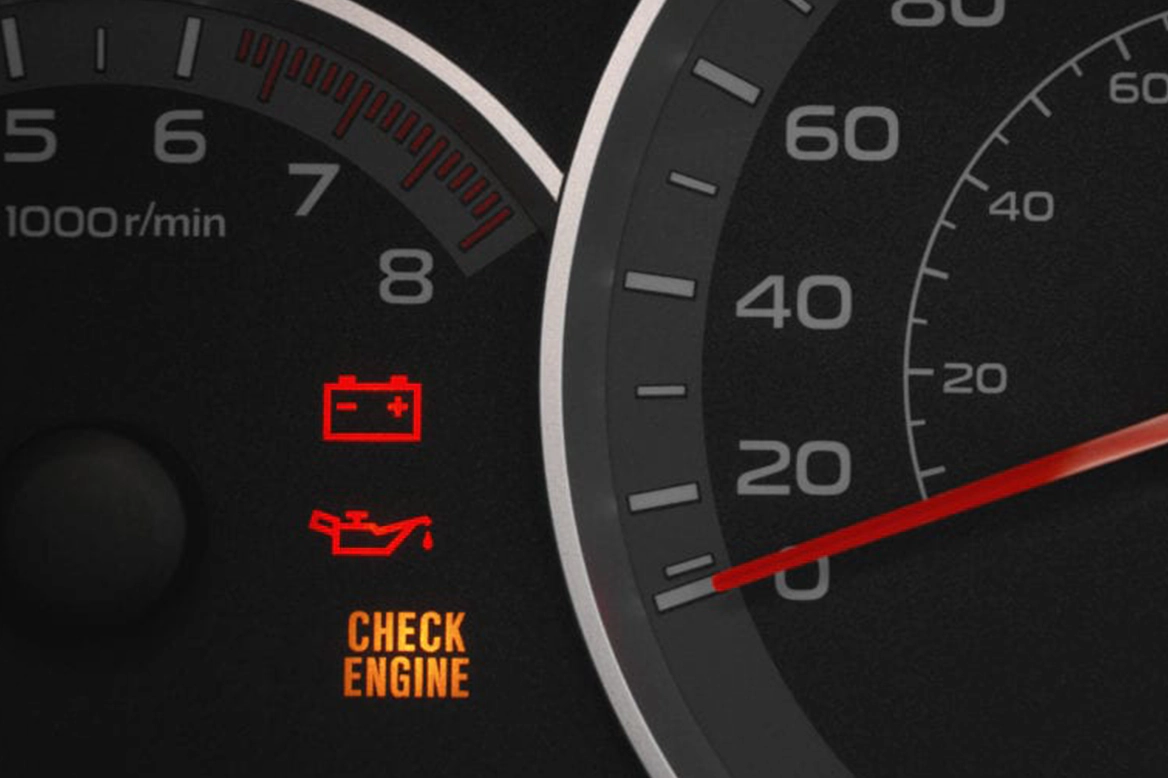
Have you ever noticed a small oil light flicker on your car’s dashboard and felt a sudden spike of worry? That little warning can mean a lot, and ignoring it could lead to serious engine trouble.
But don’t panic just yet. Understanding what the oil light means and how to respond can save you time, money, and stress. Keep reading to discover exactly why your oil light comes on and what steps you should take to keep your car running smoothly and safely.
Credit: www.sunautoservice.com
Why The Oil Light Comes On
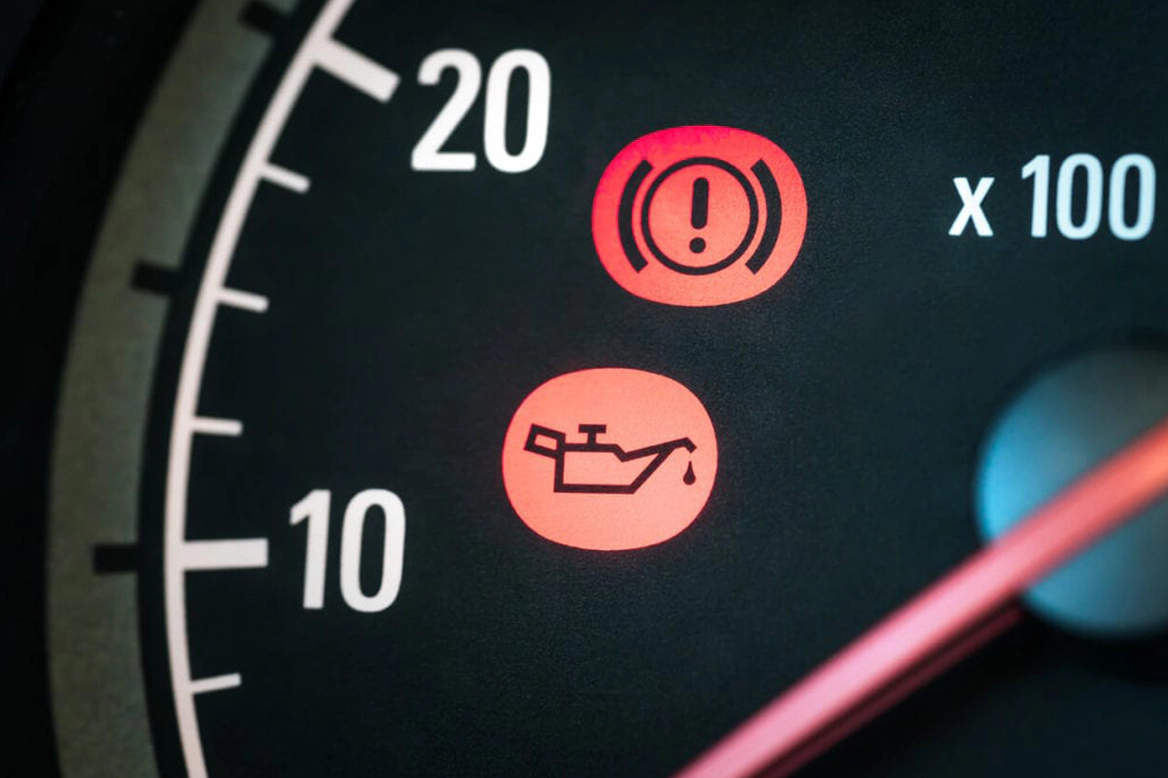
The oil light on a car dashboard warns about possible engine oil problems. It helps protect the engine from damage. Knowing why it comes on can save you from costly repairs.
This light usually means there is an issue with oil levels or oil flow. It can also signal a faulty sensor. It is important to check the cause quickly.
Low Oil Level
One common reason for the oil light is low oil level. The engine needs enough oil to run smoothly. If the oil is too low, the light will turn on.
Low oil can happen from leaks or not adding oil during changes. Check your oil level with the dipstick regularly. Add oil if it is below the recommended mark.
- Causes of low oil level:
- Oil leaks from seals or gaskets
- Not topping up oil after long drives
- Oil burning inside the engine
Oil Pressure Issues
The oil light may also come on if oil pressure is low. Oil pressure pushes oil through the engine parts. Low pressure means oil is not flowing well.
Low oil pressure can cause engine damage fast. It can happen if the oil pump fails or if the oil is too thin. Always stop driving if the light stays on.
- Signs of oil pressure problems:
- Engine noise or knocking
- Oil light blinking or staying on
- Oil pump failure or blockage
Faulty Oil Sensor
Sometimes the oil light comes on due to a faulty oil sensor. The sensor tells the car’s computer about oil levels and pressure. A bad sensor can give wrong warnings.
If the oil light flashes without real oil problems, have the sensor checked. Fixing or replacing the sensor stops false alerts. This keeps your driving safe and stress-free.
Credit: www.sunautoservice.com
Immediate Actions When Oil Light Appears
The oil light on your car dashboard warns you about low oil pressure. It means your engine may not get enough lubrication. Ignoring this light can cause serious engine damage.
Follow these steps right away to protect your car and stay safe on the road.
Safely Pull Over
When the oil light comes on, find a safe place to stop quickly. Avoid sudden stops or turns. Use your signals to alert other drivers. Turn on your hazard lights if needed.
Check Oil Level
After stopping, open the hood and locate the oil dipstick. Pull it out and wipe it clean. Insert it fully and pull it out again to check the oil level. If the oil is low, add the right type of oil.
- Park on level ground
- Wait a few minutes for oil to settle
- Use a clean cloth to wipe dipstick
- Check oil color and level
- Add oil slowly if needed
Avoid Driving Further
Do not keep driving if the oil light stays on after adding oil. Driving with low oil pressure can cause engine failure. Call for roadside assistance or have your car towed to a mechanic.
| Action | Reason | Result |
| Pull over safely | Prevent accidents | Stay safe and avoid damage |
| Check oil level | Find cause of oil light | Fix oil issue early |
| Avoid driving further | Protect engine parts | Save repair costs |
Common Causes Behind Oil Light Warning
The oil light on your car’s dashboard signals a problem with engine oil. It is important to understand why this light turns on.
Low oil pressure or oil level can harm the engine. Knowing common causes helps you act quickly and avoid damage.
Oil Leakages
Oil leakages reduce the oil level inside the engine. This causes the oil light to come on as pressure drops.
Leaks often happen at seals, gaskets, or the oil pan. Checking these parts can find the source of leaks.
- Damaged oil pan gasket
- Worn valve cover gasket
- Loose or damaged oil filter
- Cracked oil lines or seals
Worn Engine Components
Old or worn engine parts can cause low oil pressure. This triggers the oil light to warn you.
Parts like piston rings and bearings may wear out over time. Worn parts let oil flow too fast or leak.
- Worn piston rings
- Damaged engine bearings
- Loose or broken oil seals
Oil Pump Malfunction
The oil pump moves oil through the engine. If it fails, oil pressure drops and the oil light turns on.
Problems with the pump can be caused by wear, blockage, or mechanical failure. This stops oil from circulating.
- Worn or damaged pump gears
- Clogged oil pickup screen
- Broken pump drive shaft

Credit: www.foxwelldiag.com
Simple Fixes You Can Try
The oil light on your car’s dashboard can signal a problem. It often means low oil or a sensor issue. You can fix some problems yourself.
Here are simple fixes to try before visiting a mechanic. They focus on topping up oil, changing the oil filter, and resetting the oil sensor.
Topping Up Engine Oil
Check your car’s engine oil level with the dipstick. Low oil can cause the oil light to turn on. Add the correct oil type if needed.
- Park on level ground and turn off the engine.
- Open the hood and find the dipstick.
- Pull it out, wipe it clean, then reinsert fully.
- Pull it out again and check the oil level.
- Add oil slowly if the level is below the minimum mark.
- Use the oil type listed in your car manual.
Replacing Oil Filter
An old or clogged oil filter can cause oil light problems. Replacing it keeps oil clean and engine healthy. You can replace the filter yourself with basic tools.
| Tool | Purpose |
| Oil filter wrench | Remove old filter |
| Drain pan | Catch old oil |
| New oil filter | Replace old filter |
| Gloves | Protect your hands |
Remember to dispose of the old oil and filter properly. Follow your car manual for the right filter type and replacement instructions.
Resetting Oil Sensor
The oil light may stay on after fixing oil or filter issues. Resetting the oil sensor can help. This step varies by car model but is often simple.
- Turn the ignition key to the “On” position without starting the engine.
- Press the accelerator pedal slowly three times within 10 seconds.
- Turn off the ignition and wait a few seconds.
- Start the engine and check if the oil light is off.
Check your car manual for the exact reset steps. If the light stays on, the sensor or wiring may need professional inspection.
When To Visit A Mechanic
The oil light on your car’s dashboard is a warning sign. It tells you about your engine’s oil status. Ignoring it can cause serious damage.
Knowing when to see a mechanic can save you money and keep your car safe. Watch for these signs to decide if it’s time for a checkup.
Persistent Oil Light
If the oil light stays on after starting your car, do not drive far. This means low oil level or oil pressure problems. Stop the engine to avoid damage.
- Check the oil level with the dipstick.
- Look for oil leaks under the car.
- Top up oil if it’s low, but visit a mechanic soon.
- A mechanic can find leaks or fix the oil pump.
Strange Engine Noises
Knocking or ticking sounds from the engine often mean low oil or poor lubrication. Oil keeps engine parts moving smoothly and quiet.
Do not ignore these noises. They can lead to engine failure if oil issues are not fixed.
Oil Pressure Drops
Oil pressure keeps engine parts lubricated. A sudden drop can damage the engine fast. Watch your oil pressure gauge or light.
| Symptom | Possible Cause | Action |
| Oil light flickers | Loose wiring or sensor problem | Check electrical system |
| Oil light stays on | Low oil level or oil pump failure | Add oil and visit mechanic |
| Oil pressure gauge drops | Oil filter clogged or engine wear | Replace filter, mechanic check |
Preventive Maintenance Tips
The oil light on your car is an important indicator. It tells you when your engine needs attention. Regular maintenance can prevent serious problems.
By following simple tips, you can keep your car running smoothly. Here are some key areas to focus on.
Regular Oil Changes
Oil changes are crucial for engine health. Fresh oil lubricates the engine parts. This helps them move smoothly.
Old oil can cause engine wear. Changing oil on time prevents damage. It also improves car performance.
- Change oil every 3,000 to 5,000 miles
- Use the right oil type for your car
- Check oil levels regularly
Routine Engine Checks
Check your engine regularly. This helps catch problems early. A simple check can save you money.
Look for leaks and check belts. Listen for strange noises. These are signs your car needs attention.
- Inspect engine belts monthly
- Check for oil leaks under the car
- Listen for unusual engine sounds
Using Quality Oil
Quality oil protects your engine better. It reduces friction and keeps your engine clean.
Using the right oil ensures your car runs efficiently. It extends the engine’s life and saves you money.
- Choose oil recommended by your car maker
- Look for oils with good viscosity
- Check for oil with cleaning additives
Frequently Asked Questions
What Does The Oil Light On Car Mean?
The oil light indicates low oil pressure or oil level. It warns of potential engine damage if not addressed promptly.
Why Is My Car’s Oil Light Flashing?
A flashing oil light signals a serious oil pressure drop. Stop the engine immediately to prevent severe damage.
How To Fix Oil Light On Car Dashboard?
Check oil level first. Add oil if low. If light stays on, consult a mechanic to check oil pump and pressure.
Can I Drive With The Oil Light On?
Driving with the oil light on risks engine damage. Stop and check oil immediately to avoid costly repairs.
Conclusion
The oil light on your car is a warning you should never ignore. It tells you there might be low oil or a problem with oil pressure. Stop driving and check the oil level right away. Regular oil changes keep your engine healthy and prevent damage.
Taking care of the oil system saves you money and hassle. Always pay attention to your car’s signals for safe driving. Don’t wait until small issues become big repairs. Stay safe on the road by acting quickly when the oil light shows.







