
Have you ever noticed that little oil light glowing on your car’s dashboard? It might seem small, but ignoring it can lead to big problems for your engine.
When your oil light comes on, it’s your car’s way of telling you something important needs attention. You’ll discover exactly what that light means, why it matters, and what steps you should take right away to protect your vehicle. Keep reading to make sure you never miss a vital warning that could save you time and money.
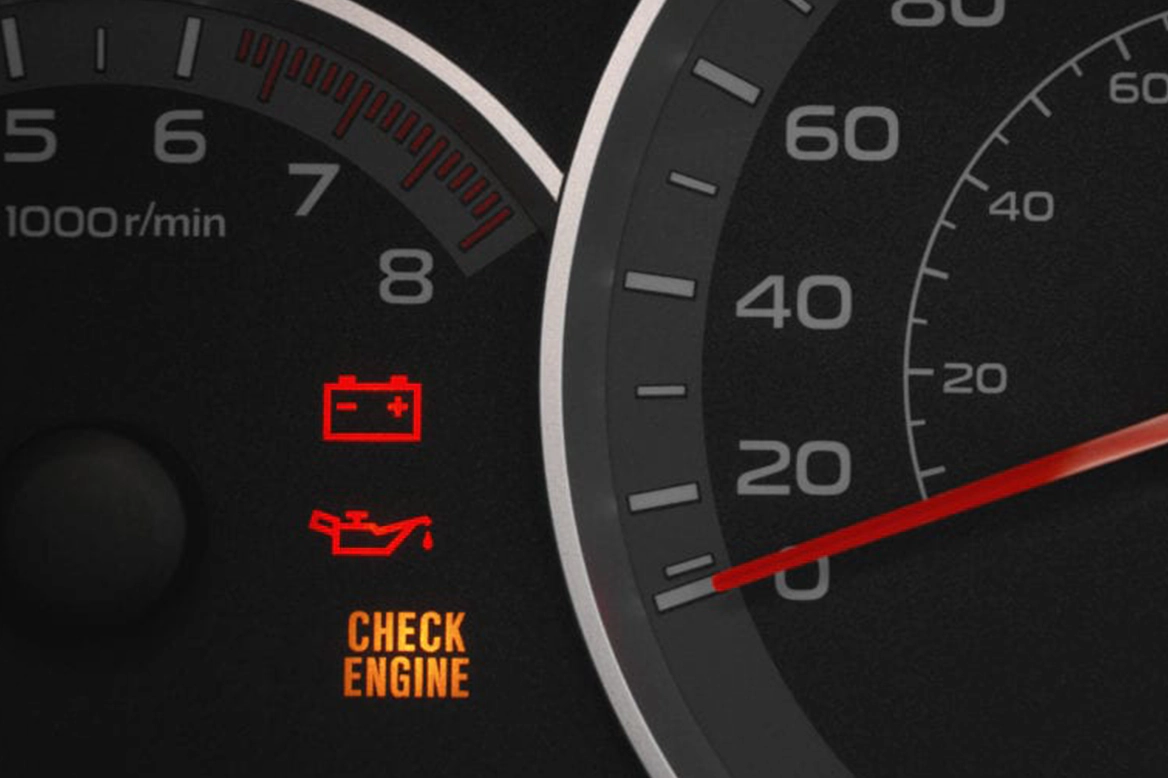
Credit: www.sunautoservice.com
Causes Of Oil Light Activation
The oil light on a car’s dashboard signals a problem with the oil system. It is important to understand why this light turns on. This helps prevent engine damage and costly repairs.
This guide explains three common causes of oil light activation. They are low oil level, oil pressure issues, and oil sensor malfunctions. Each cause affects the engine differently.
Low Oil Level
Low oil level is the most frequent reason for the oil light to come on. Oil lubricates the engine parts and keeps them cool. Without enough oil, the engine can overheat and wear out quickly.
- Oil leaks from gaskets or seals
- Not checking oil regularly
- Oil burns up in older engines
- Using the wrong type of oil
Oil Pressure Issues
Oil pressure keeps the oil moving through the engine. Low pressure means oil is not circulating properly. This can cause the oil light to turn on and lead to engine damage.
| Cause | Effect |
| Worn oil pump | Reduces oil flow |
| Clogged oil filter | Blocks oil movement |
| Oil leaks | Lower oil pressure |
| Engine wear | Leaks and pressure loss |
Oil Sensor Malfunctions
The oil sensor detects the oil level and pressure. Sometimes the sensor itself breaks or sends wrong signals. This can cause the oil light to activate even if the oil system is fine.
Signs of a sensor problem include:
- Oil light flickers on and off
- Engine runs smoothly despite the light
- New sensor fixes the issue

Credit: www.foxwelldiag.com
Immediate Steps When Oil Light Comes On
The oil light on your car’s dashboard signals a problem with oil pressure or level. Ignoring it can cause engine damage.
Take quick action to protect your engine and avoid costly repairs.
Pulling Over Safely
When the oil light comes on, find a safe spot to stop the car. Avoid sudden moves that may stress the engine.
- Turn on your hazard lights to alert other drivers.
- Slow down gradually and use your turn signal.
- Pull off the road to a flat, safe area.
- Turn off the engine to prevent damage.
Checking Oil Level
Check your car’s oil level using the dipstick. This helps you see if the oil is low or dirty.
- Open the hood and find the dipstick.
- Pull it out and wipe it clean with a cloth.
- Insert it fully, then pull it out again to check the oil level.
- The oil should be between the minimum and maximum marks.
- Add oil if the level is low, but do not overfill.
Avoiding Engine Stress
Keep engine damage low by driving carefully after the oil light comes on.
| Action | Why |
| Drive slowly | Reduces engine load and heat |
| Avoid hard acceleration | Prevents oil pressure drops |
| Do not ignore the light | Prevents serious engine damage |
| Visit a mechanic soon | Get oil system checked and fixed |
Maintaining Proper Oil Levels
Keeping your car’s oil levels right is crucial for engine health. If the oil light in your car turns on, it could mean low oil levels.
Regular checks and timely changes help avoid costly repairs. Understanding how to maintain oil levels can save you time and money.
Regular Oil Checks
Checking your oil regularly ensures that your engine stays lubricated. It is simple and takes just a few minutes.
- Park your car on a level surface.
- Turn off the engine and let it cool.
- Pull out the dipstick and wipe it clean.
- Reinsert the dipstick and pull it out again.
- Check the oil level against the markers.
Choosing The Right Oil
Selecting the correct oil for your car is important. It ensures optimal performance and longevity of the engine.
| Oil Type | Temperature Suitability |
| 5W-30 | Cold Climates |
| 10W-40 | Moderate Climates |
| 15W-50 | Hot Climates |
Oil Change Intervals
Changing your car’s oil at the right intervals is key to maintaining engine health. It prevents sludge buildup and keeps parts moving smoothly.
- Check your car manual for recommended intervals.
- Typically, change oil every 5,000 to 7,500 miles.
- Consider driving habits and climate for adjustments.
Preventing Engine Damage
The oil light in your car is a warning sign. It tells you when the engine oil needs attention. Ignoring it can cause serious engine damage.
Understanding what the oil light means helps you protect your car. Acting quickly prevents costly repairs and keeps your engine running smoothly.
Signs Of Engine Trouble
The oil light is one sign of engine trouble. Other signs include strange noises, smoke, or a rough engine idle. Watch for these signs to avoid damage.
- Oil light turns on while driving
- Engine makes knocking or ticking sounds
- Smoke comes from the exhaust
- Engine feels rough or stalls
- Oil pressure gauge shows low reading
Role Of Oil Quality
Good oil protects engine parts by reducing friction. It also keeps the engine cool and clean. Using the right oil helps the engine last longer.
| Oil Type | Use Frequency | Engine Benefit |
| Conventional Oil | Every 3,000-5,000 miles | Basic protection |
| Synthetic Blend | Every 5,000-7,500 miles | Better stability |
| Full Synthetic | Every 7,500-10,000 miles | Maximum engine protection |
Timely Repairs And Services
Fixing oil leaks and changing oil on time prevents engine damage. Regular checkups catch problems early. Follow the service schedule from your car’s manual.
- Check oil level monthly
- Change oil as recommended
- Repair oil leaks immediately
- Replace oil filter during oil changes
- Visit a mechanic if the oil light stays on
Common Myths About Oil Light
The oil light in a car warns you about engine oil problems. Many drivers do not understand what the light means. This causes some common mistakes.
Knowing the truth about the oil light helps you avoid damage and costly repairs. Below are some myths that people believe.
Ignoring The Warning
Some drivers think the oil light is not serious and ignore it. They believe the engine will be fine for a while without oil. This is wrong and risky.
Low or dirty oil can cause engine parts to wear out fast. Ignoring the oil light can lead to engine failure and expensive repairs.
Resetting The Light Without Fixing
Many try to turn off the oil light without fixing the problem. They reset the light or disconnect the battery to stop the warning. This does not solve the issue.
- The oil level might be low or leaking.
- The oil filter could be clogged.
- The oil pressure sensor might be broken.
Resetting the light hides these problems but lets damage continue. Always fix the cause before resetting the warning light.
Using Additives As A Quick Fix
Some believe oil additives can fix oil problems fast. They add chemicals to the oil to stop the light. This idea is mostly a myth.
| Claim | Reality |
| Additives restore oil pressure | Additives may reduce noise but do not fix pressure issues. |
| Additives clean the engine instantly | Cleaning takes time; additives only help over long use. |
| Additives prevent oil leaks | Leaks need physical repair, not chemicals. |
Using additives without checking the oil and engine can cause more harm. Always check the oil level and quality before adding anything.
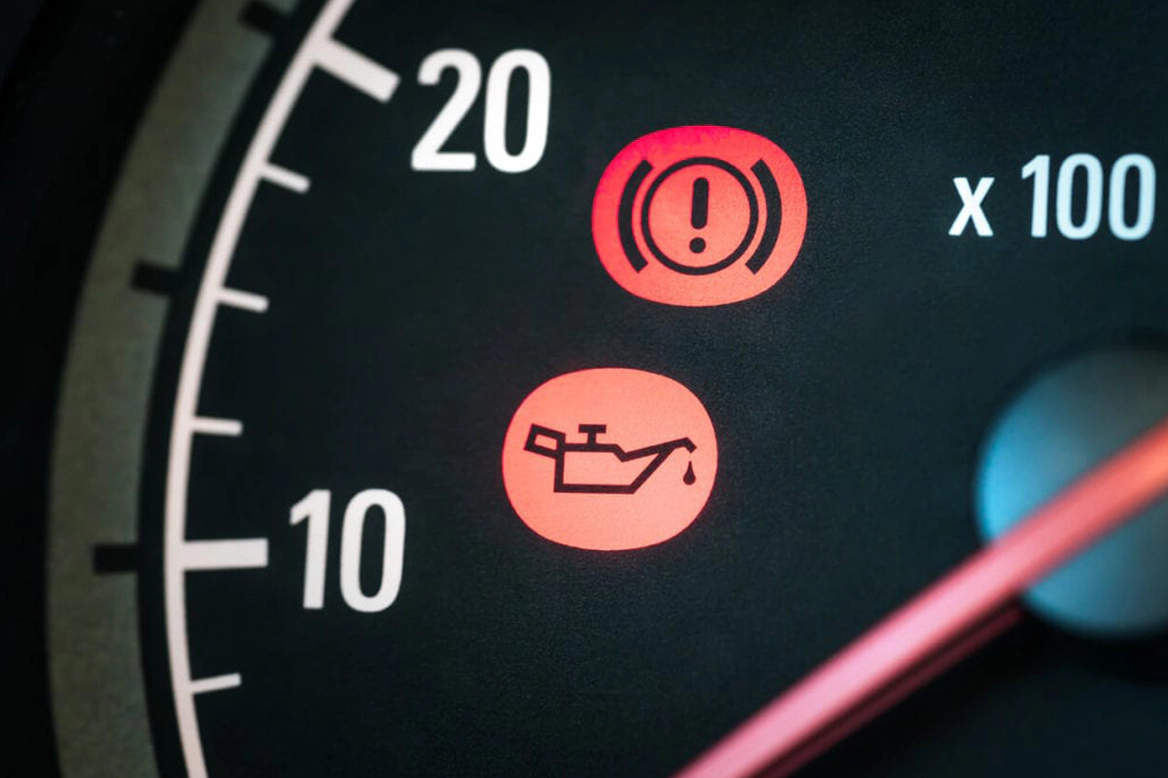
Credit: www.sunautoservice.com
Tools And Tips For Monitoring Oil Health
Keeping an eye on your car’s oil health can save you from costly repairs. Using the right tools helps you know when to change or add oil.
This guide covers easy ways to track oil condition and pressure to keep your engine running smoothly.
Oil Pressure Gauges
Oil pressure gauges show how well your engine oil circulates. Low pressure may signal problems like leaks or worn parts.
- Check the gauge while the engine is running.
- Watch for sudden drops or unusual readings.
- Know the normal pressure range for your car model.
- Use the gauge to spot early signs of engine trouble.
Mobile Apps And Alerts
Many apps link to your car’s computer and send alerts about oil health. They help you track oil changes and detect issues early.
| App Feature | Benefit |
| Oil Change Reminders | Helps keep oil fresh on schedule |
| Real-Time Alerts | Warns about low oil pressure or level |
| Engine Diagnostics | Checks for oil-related engine faults |
Professional Inspections
Regular checkups by a mechanic can spot oil problems you might miss. Experts can test oil quality and engine condition.
Benefits of professional inspections:
- Detailed oil analysis for contamination or breakdown
- Checking for leaks and worn engine parts
- Advice on the best oil type for your car
- Peace of mind with expert care
Frequently Asked Questions
What Does The Oil Light In My Car Mean?
The oil light indicates low oil pressure or low oil level. It warns you to check the engine oil immediately to prevent damage.
Why Is My Oil Light Turning On While Driving?
The oil light may turn on due to low oil level, oil pump failure, or oil pressure sensor issues. Stop driving and check oil.
How Do I Fix The Oil Light In My Car?
Check the oil level and top up if low. If the light stays on, seek professional mechanical help immediately.
Can I Drive With The Oil Light On?
It’s risky to drive with the oil light on. Stop the car and check oil to avoid engine damage.
Conclusion
The oil light in your car signals an important issue. Don’t ignore it or drive for long. Check the oil level and quality often. Low or dirty oil can harm the engine. If the light stays on, visit a mechanic soon.
Regular oil changes keep your car running smoothly. Stay alert and protect your vehicle’s health. Taking quick action saves you time and money. Your car will thank you with better performance. Simple care prevents big problems down the road.







