
Have you ever noticed that little oil change light flicker on your car’s dashboard and wondered what it really means? That small warning can save you from costly repairs and keep your engine running smoothly.
Ignoring it isn’t just risky—it can lead to serious damage. You’ll learn exactly why your oil change light turns on, what you should do next, and how to keep your car in the best shape possible. Stay with me, and you’ll never miss a crucial oil change again.
Why Oil Change Light Comes On
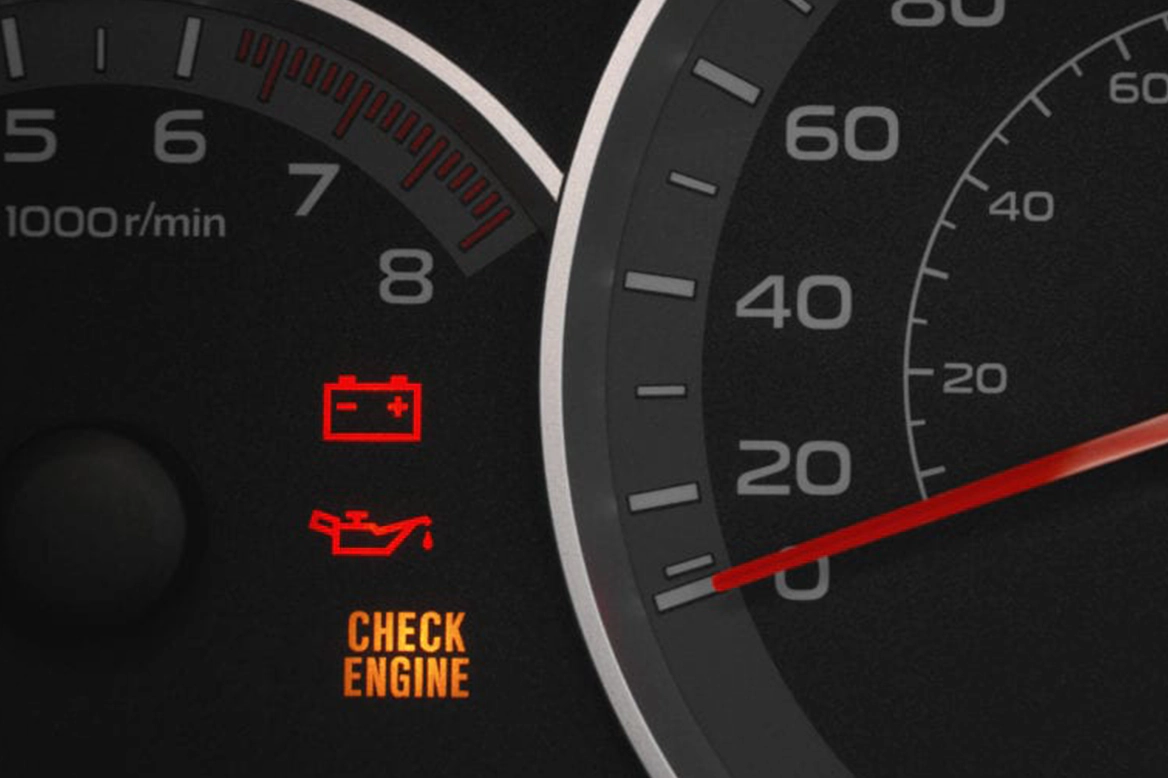
The oil change light in your car alerts you to check the engine oil. It helps protect the engine from damage. Understanding why this light comes on is important for vehicle care.
This warning can come from different causes. Some relate to oil condition, others to sensors or oil levels. Let’s explore the main reasons behind the oil change light.
Oil Life Monitoring System
The oil life monitoring system tracks oil use and wear. It calculates when oil should be changed based on driving conditions.
- Monitors engine operating time and temperature
- Estimates oil degradation over time
- Alerts driver when oil needs replacement
This system helps avoid changing oil too soon or too late. It keeps the engine running smoothly by signaling when fresh oil is needed.
Low Oil Level
Low oil level can trigger the oil change light. If the engine oil drops below a safe level, the car warns the driver.
| Cause | Effect |
| Oil leaks | Oil level drops quickly |
| Burning oil | Engine uses oil faster |
| Incorrect oil fill | Too little oil in engine |
Check oil level regularly to avoid engine damage. Add oil if it’s low and fix leaks if present.
Oil Quality Issues
Oil breaks down over time and loses its ability to protect the engine. Contaminants like dirt or water affect oil quality.
Bad oil can cause the oil change light to come on. Dirty oil reduces engine performance and increases wear.
- Oil becomes thick or sludge-like
- Loss of lubrication power
- Engine parts wear faster
- Possible engine overheating
Sensor Malfunctions
The oil change light depends on sensors to detect oil status. Faulty sensors can cause false warnings or no alerts at all.
Common sensor issues include:
- Wiring problems
- Corrosion on sensor contacts
- Sensor failure due to age or damage
- Incorrect sensor readings
Have sensors checked by a mechanic if the light stays on without reason.
Risks Of Ignoring The Light
The oil change light warns you when your car needs fresh oil. Ignoring this light can cause serious problems.
Oil keeps your engine parts moving smoothly. Old or low oil harms the engine and your car’s performance.
Engine Wear And Damage
Old oil loses its ability to protect engine parts. This causes parts to rub against each other.
Friction from worn oil leads to engine damage. Over time, this can cause engine failure.
- Metal parts wear faster without clean oil
- Engine parts can seize or break
- Engine lifespan shortens significantly
Reduced Performance
Dirty oil makes your engine work harder. This lowers your car’s power and fuel efficiency.
You may notice slower acceleration and rough idling. Your car may also use more gas.
- Decreased engine power
- Lower fuel economy
- Rough or noisy engine operation
Increased Repair Costs
Ignoring the oil change light can lead to costly repairs. Engine damage often needs expensive parts and labor.
Regular oil changes are cheaper than fixing engine problems. Delaying oil changes risks big bills.
- Costly engine repairs or rebuilds
- Possible need for new engine parts
- Higher labor costs for fixing damage
Checking Oil Level And Condition
The oil change light in your car tells you to check the oil. Checking oil level and condition keeps your engine safe.
It is easy to check oil yourself with a few simple steps. You need to find the dipstick, check the oil level, and look at the oil color and texture.
Locating The Dipstick
The dipstick is a thin metal rod used to check oil level. It usually has a bright handle, like yellow or orange.
Open the car hood and look near the engine. The dipstick is easy to spot because of its colored handle.
How To Check Oil Level
Pull the dipstick out and wipe it clean with a cloth. Push it back all the way in, then pull it out again to check the oil level.
Look at the markings on the dipstick. The oil level should be between the low and full marks.
- If the oil is below the low mark, add more oil.
- If it is above the full mark, you may have too much oil.
- Check oil level when the engine is cool and car is on level ground.
Assessing Oil Color And Texture
Clean oil is clear or amber in color. Dark or dirty oil means it needs changing.
Feel the oil on the dipstick. It should be smooth and slippery. Gritty or thick oil is old and dirty.
- Light amber oil is fresh and good.
- Dark brown or black oil is used and should be changed.
- Milky or frothy oil can mean water contamination.
- Sticky or gritty oil harms the engine.

Credit: www.youtube.com
Resetting The Oil Change Light
The oil change light in your car tells you when it is time for an oil change. Resetting this light after an oil change helps keep track of your car’s maintenance. Different cars have different ways to reset the light.
Knowing how to reset the oil change light saves you a trip to the mechanic. You can reset it yourself using simple methods or tools.
Manual Reset Procedures
You can reset the oil change light manually in most cars by following these steps. This method does not need any special tools.
- Turn the ignition to the ON position without starting the engine.
- Press the gas pedal fully three times within 10 seconds.
- Turn off the ignition and wait a few seconds.
- Start the engine to check if the light is off.
Using Obd-ii Scanner
An OBD-II scanner can help reset the oil change light quickly. This tool connects to your car’s computer system.
- Plug the OBD-II scanner into the car’s diagnostic port.
- Turn on the ignition without starting the engine.
- Use the scanner to read the codes and find the oil change reset option.
- Follow the scanner instructions to clear the oil change light.
- Turn off the ignition and then start the car to check the light.
When To Visit A Mechanic
Sometimes, the oil change light does not reset or stays on for other reasons. In these cases, a mechanic can help.
| Problem | Reason | Action |
|---|---|---|
| Light stays on after reset | Faulty sensor or system error | Have a mechanic check and fix the sensor |
| Light flashes or blinks | Engine oil pressure problem | Do not drive; get mechanic help immediately |
| Oil change overdue but light off | System malfunction | Visit mechanic for system diagnosis |
Choosing The Right Oil
The oil change light in your car tells you when it is time to change the oil. Picking the right oil helps your engine run smoothly. Using the wrong oil can cause damage and reduce engine life.
Choosing the correct oil means knowing about viscosity, types of oil, and what your car maker suggests. This guide will explain these points simply.
Viscosity Ratings
Viscosity means how thick or thin the oil is. It changes with temperature. The right viscosity helps the engine parts move easily and stay protected.
Oil labels have numbers like 5W-30. The first number shows how oil flows when cold. The second number shows how it flows when hot.
- Lower first number means better cold start performance
- Higher second number means thicker oil at engine temperature
- Choose viscosity shown in your car manual
Synthetic Vs Conventional
Synthetic oil is made in labs to last longer and protect better. It works well in very cold or hot weather. It also keeps your engine cleaner.
Conventional oil comes from crude oil. It is cheaper but breaks down faster. It may need to be changed more often.
- Synthetic oil costs more but lasts longer
- Conventional oil is less expensive but changes needed often
- Some cars need synthetic oil for best performance
Manufacturer Recommendations
Your car maker tests oils and sets rules to keep the engine safe. Use the oil type and viscosity they recommend. This keeps warranties valid and engine healthy.
Check your owner’s manual for oil specifications. Some cars require special oils with certain certifications.
- Follow the oil grade in the manual
- Use oils that meet required standards (like API or ACEA)
- Ask a trusted mechanic if unsure
Credit: www.sunautoservice.com
Preventing Oil Change Light Activation
Keeping your oil change light off requires regular care of your car. Simple steps can prevent unnecessary alerts and maintain engine health.
By following a few guidelines, you can ensure your car runs smoothly. Let’s explore some key practices to avoid the oil change light activation.
Regular Maintenance Schedule
Scheduling regular maintenance is crucial for your car’s performance. Sticking to a routine keeps the engine in top shape.
- Check oil levels every month.
- Replace oil as recommended by the manufacturer.
- Have a professional mechanic inspect the engine.
Checking For Leaks
Leaks can lead to low oil levels and trigger the oil change light. Regularly checking for leaks helps catch problems early.
Using Quality Oil Filters
Quality oil filters keep the oil clean and extend engine life. Using the right filter prevents the oil change light from activating prematurely.
| Filter Type | Benefits |
| Standard | Basic filtration |
| Premium | Advanced filtration |
| Extended Life | Long-lasting performance |

Credit: www.rac.co.uk
Frequently Asked Questions
What Does The Oil Change Light Mean In My Car?
The oil change light signals it’s time to replace your engine oil. It helps prevent engine damage from old or low oil.
How Often Should I Change My Car’s Oil?
Most cars need an oil change every 3,000 to 7,500 miles. Check your owner’s manual for exact intervals.
Can I Reset The Oil Change Light Myself?
Yes, many cars allow you to reset the oil change light manually after changing oil. Follow your vehicle’s reset procedure.
What Happens If I Ignore The Oil Change Light?
Ignoring the light risks engine wear, overheating, and costly repairs. Timely oil changes keep your engine healthy.
Conclusion
The oil change light signals your car needs attention soon. Ignoring it can cause engine problems and costly repairs. Regular oil changes keep your engine clean and running smoothly. Check your car’s manual to know when to change oil. Stay safe and avoid damage by acting promptly.
Taking care of your car helps it last longer. Simple steps can save you money and trouble. Trust your car’s alerts and keep it healthy.







