
Have you ever noticed how the right lights inside your car can change everything? Whether it’s a quick drive at night or a long road trip, the way your car’s interior is lit affects your mood and comfort.
Imagine stepping into your car and feeling instantly relaxed or energized, just because of the lighting. You’ll discover how the right car interior lights can improve your driving experience, boost safety, and even add a touch of style. Keep reading to find out how to make your car’s inside lighting work perfectly for you.
Types Of Car Interior Lights
Car interior lights help drivers and passengers see inside the vehicle. They provide comfort and safety during night drives or in low light.
Different types of lights serve different purposes. Each light type adds to the car’s functionality and style.
Dome Lights
Dome lights are located on the ceiling of the car. They light up the entire interior space when doors open or when switched on. These lights make it easy to find items inside the car at night.
Map Lights
Map lights are small, focused lights near the driver and front passenger seats. They provide bright light to read maps or documents without lighting the whole car. Map lights can usually be turned on and off individually.
Ambient Lighting
Ambient lighting adds soft, colored light inside the car. It creates a comfortable atmosphere during night drives. This lighting often runs along the doors, dashboard, and roof edges.
- Soft glow for relaxing moods
- Customizable colors in some cars
- Enhances the car’s interior design
- Helps passengers see controls without glare
Footwell Lights
Footwell lights illuminate the area near the feet inside the car. They help passengers see the floor and avoid stepping on objects in the dark. These lights also add a modern look to the car interior.
Dashboard And Console Lights
Dashboard and console lights show important information to the driver. They include speedometer lights, fuel gauge lights, and warning indicators. Console lights illuminate buttons and controls for easy use at night.
| Light Type | Location | Main Purpose |
| Dome Lights | Ceiling | Illuminate entire interior |
| Map Lights | Near front seats | Provide focused reading light |
| Ambient Lighting | Doors, dashboard edges | Create mood and soft light |
| Footwell Lights | Floor area | Light the foot space |
| Dashboard and Console Lights | Dashboard and center console | Show information and controls |
Choosing The Right Bulbs
Lighting inside a car makes driving safer and more comfortable. Picking the right bulbs helps you see better at night.
Different bulbs offer different brightness, colors, and energy use. Learning about these can help you choose well.
Led Vs Halogen
LED bulbs last longer and use less power than halogen bulbs. They also produce less heat inside the car.
Halogen bulbs are cheaper and easier to replace. They give off a warm light but do not last as long.
- LED: Long-lasting, low power, cool light
- Halogen: Affordable, warm light, shorter life
Brightness Levels
Brightness is important for seeing clearly inside your car. Too bright lights can cause glare, while too dim lights may not help enough.
Choose bulbs with the right brightness to balance comfort and visibility. Look for bulbs measured in lumens for a clear idea.
- High lumens: brighter light
- Low lumens: softer light
- Use moderate brightness for best comfort
Color Temperature
Color temperature shows how warm or cool the light looks. It is measured in Kelvins (K).
Warm light is yellowish and soft. Cool light is bluish and bright. Pick a color temperature that suits your car’s style and your eyes.
- 2700K to 3000K: warm, cozy light
- 4000K to 5000K: neutral white light
- 6000K and above: cool, bright light
Energy Efficiency
Energy-efficient bulbs use less power and help your car battery last longer. This is important for fuel saving and battery health.
LED bulbs use less energy than halogen bulbs. They are a better choice if you want to save power and reduce heat.
- LED: very energy efficient
- Halogen: less energy efficient
- Choose energy-saving bulbs to protect your battery
Installation Tips
Adding lights inside your car can improve visibility and style. Proper installation helps avoid damage and ensures safety.
Follow these tips to install your car lights carefully and correctly.
Tools Required
Gather all tools before starting the installation. This saves time and prevents interruptions.
- Wire strippers
- Screwdrivers (flat and Phillips)
- Electrical tape
- Multimeter
- Plastic pry tools
- Zip ties
- Socket wrench set
Step-by-step Process
Follow these steps carefully to install the lights inside your car.
- Disconnect the car battery to avoid electric shock.
- Remove interior panels using plastic pry tools.
- Plan the light placement and route the wires.
- Strip wire ends and connect to the power source.
- Secure wires with zip ties to prevent movement.
- Test the lights before reassembling panels.
- Reattach all panels carefully.
- Reconnect the battery and check the final setup.
Common Mistakes To Avoid
| Mistake | How to Avoid |
| Not disconnecting battery | Always disconnect battery first |
| Damaging wires | Use correct tools and handle wires gently |
| Loose connections | Double-check all wire connections |
| Hiding wires poorly | Use zip ties and follow existing wire paths |
| Forgetting to test lights | Test before reassembling panels |

Credit: www.ebay.ca
Safety Considerations
Lights inside a car can improve comfort and style. They also affect safety. Good lighting helps drivers stay alert and aware.
Incorrect or too bright lights can cause problems. This guide covers key safety points about interior car lights.
Avoiding Glare
Glare from inside car lights can distract the driver. Bright or flashing lights may cause eye strain. Drivers must avoid using lights that shine directly in their eyes.
- Use dimmable lights to control brightness
- Place lights away from the driver’s direct line of sight
- Choose warm colors instead of harsh white or blue tones
- Turn off unnecessary lights while driving at night
Legal Restrictions
Many places have rules about car interior lights. These rules keep drivers and passengers safe. Check your local laws before installing or using interior lights.
| Country/State | Allowed Colors | Restrictions |
| United States | White, Amber | No flashing or distracting lights |
| United Kingdom | White, Red | Must not affect driver visibility |
| Germany | White only | No interior lights visible from outside |
Impact On Driver Visibility
Lights inside the car can reduce the driver’s ability to see outside. Too much light inside causes reflections on windows and mirrors.
Tips to protect visibility:
- Keep interior lights low and soft
- Use focused lighting for reading or controls only
- Avoid colored lights that reduce contrast
- Test lighting at night before long drives
Customizing Your Interior Lighting
Interior car lights can change the look and feel inside your vehicle. Customizing these lights adds style and comfort.
Many people use different lighting options to make their car unique and enjoyable to drive at night.
Color Options
You can choose many colors for your car’s interior lights. Soft colors create a calm mood. Bright colors add energy.
Some systems let you pick one color or cycle through many colors automatically.
- Cool blue for a modern feel
- Warm red for a cozy atmosphere
- Green for a fresh and unique look
- Custom color mixing for personalized style
Smart Lighting Controls
Smart controls make it easy to change your lights using apps or voice commands. You can adjust brightness and color without touching switches.
Many systems also save your favorite settings. You can quickly switch between different lighting moods.
- Control lights with smartphone apps
- Use voice assistants like Alexa or Google
- Set timers to turn lights on or off
- Save and recall lighting scenes
Syncing With Music
Some interior lights can sync with your music. Lights change color and flash with the beat of the song.
This feature adds fun and excitement during drives and helps create a party-like atmosphere inside your car.
- Lights pulse to the rhythm
- Adjust sensitivity to match music style
- Works with radio or streaming apps
- Choose color patterns for different songs

Credit: www.amazon.com
Maintaining And Troubleshooting
Lights inside your car are important for visibility and safety. It’s crucial to keep them in good condition.
Knowing how to maintain and troubleshoot these lights can prevent bigger problems.
Cleaning Tips
Dirt and dust can dim your car lights. Cleaning them regularly helps keep them bright.
Use a soft cloth and mild cleaner for best results. Avoid abrasive materials.
- Turn off lights before cleaning
- Gently wipe with a damp cloth
- Dry with a soft towel
Replacing Faulty Lights
Sometimes, car lights stop working. Replacing them is simple and quick.
Check your car manual for the correct bulb type. Gather your tools before starting.
- Turn off the car and lights
- Remove the light cover carefully
- Replace the old bulb with a new one
Addressing Flickering Issues
Flickering lights can be distracting. They might signal a loose connection or a failing bulb.
Check the bulb and its connections. Ensure everything is tight and secure.
- Inspect the bulb socket
- Check for loose wires
- Replace if the bulb is old
Benefits Of Upgraded Interior Lights
Upgrading interior car lights can transform your driving experience. These enhancements offer more than just visual appeal.
Let’s explore the benefits of having upgraded interior lights in your car.
Enhanced Aesthetics
Better interior lights make your car look stylish and modern. They add a touch of luxury to your vehicle’s interior.
- Creates a cozy atmosphere
- Highlights interior features
- Available in various colors
Improved Visibility
Good lighting helps you see better inside the car at night. This makes finding items and reading easier.
Consider using LED lights for energy efficiency.
Increased Resale Value
Cars with upgraded lights often sell for more. Buyers appreciate the added value and modern feel.
| Feature | Resale Impact |
| LED Lighting | High |
| Ambient Lighting | Medium |
| Standard Bulbs | Low |
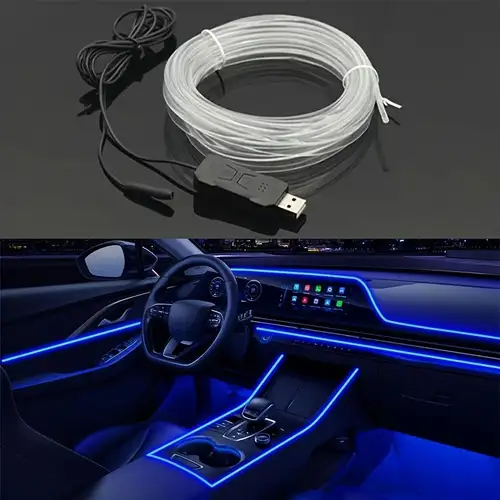
Credit: www.temu.com
Frequently Asked Questions
What Types Of Lights Are Inside A Car?
Cars typically have dome lights, map lights, and footwell lights. These provide visibility and ambiance inside the vehicle. Some cars include customizable LED lighting for enhanced style and comfort.
How Do Interior Car Lights Improve Driving Experience?
Interior lights help drivers see controls and passengers at night. They reduce eye strain and create a pleasant environment. Soft lighting enhances safety without distracting the driver.
Can I Upgrade My Car’s Interior Lights Easily?
Yes, upgrading is simple with plug-and-play LED kits. These kits offer brighter, energy-efficient lighting and last longer. Installation usually requires minimal tools and can be done at home.
Why Do Interior Car Lights Sometimes Flicker?
Flickering lights often indicate a loose connection or low battery. It may also be caused by a faulty switch or wiring issue. Checking connections and replacing bulbs often resolves flickering.
Conclusion
Car interior lights improve safety and comfort during night drives. They help you see controls and find items inside the vehicle. Choosing the right lights can also enhance your car’s style. Regularly checking these lights ensures they work well when needed.
Bright, clear lighting makes every trip easier and safer. Keep your car lights clean and replace bulbs on time. A well-lit car interior adds value and convenience. Simple upgrades can make a big difference. Remember, good lighting inside your car always matters.







