
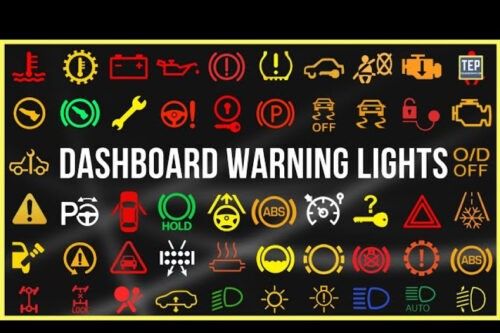
Have you ever noticed those little lights glowing on your car’s dashboard and wondered what they mean? These light symbols are more than just colors—they’re your car’s way of talking to you.
Understanding them can save you time, money, and even keep you safe on the road. If you want to know what each light means and how to react when they appear, keep reading. This guide will help you decode those symbols quickly, so you’ll never be caught off guard again.
Common Warning Lights
Cars have warning lights to show if something needs attention. These lights help keep you safe and your car working well.
Knowing what these lights mean can prevent big problems. Below are some common warning lights you may see on your dashboard.
Engine Warning Light
This light looks like an engine and means there is a problem with the engine or emissions system. It can be caused by many issues.
If this light comes on, check your gas cap or visit a mechanic soon. Ignoring it can cause more damage.
Battery Alert
The battery alert light shows if the battery is not charging properly. It looks like a battery symbol on the dashboard.
This may mean the alternator or battery has a problem. If the light stays on, the car might stop running soon.
Oil Pressure Indicator
This light looks like an oil can and means the oil pressure is low. Oil keeps your engine parts moving smoothly.
Low oil pressure can damage the engine fast. Stop your car and check the oil level right away if this light appears.
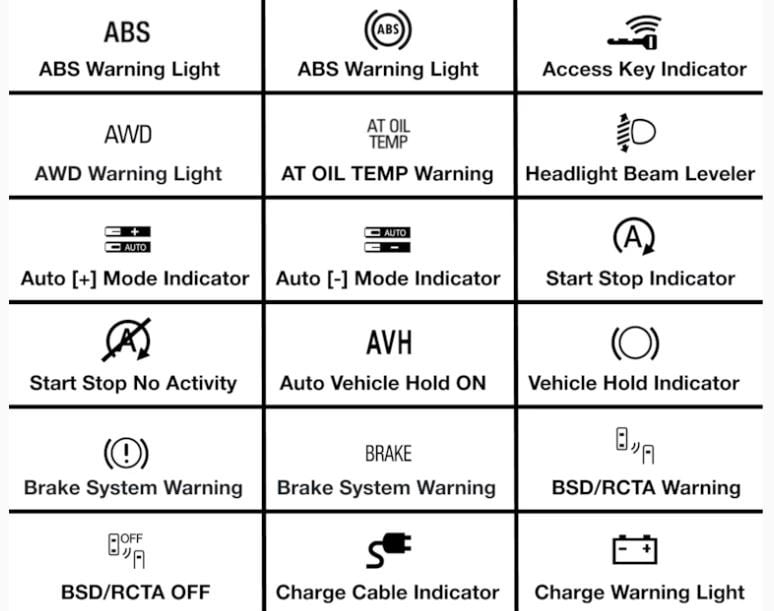
Brake System Warning
This warning light shows problems with the brake system. It may look like a circle with an exclamation mark or “BRAKE”.
It can mean the brake fluid is low or there is a brake system failure. Do not drive if brakes feel weak or the light stays on.
Tire Pressure Monitor
This light looks like an exclamation mark inside a flat tire shape. It means one or more tires have low pressure.
Low tire pressure can cause poor handling and tire damage. Check your tire pressure and inflate to the correct level.
Credit: www.subaruoflasvegas.com
Safety Indicator Lights
Safety indicator lights in your car help keep you safe on the road. They show important alerts about your vehicle’s safety systems.
Knowing what these lights mean can help you act quickly. This can prevent accidents and keep you and your passengers safe.
Seatbelt Reminder
The seatbelt reminder light tells you to buckle your seatbelt. It usually turns on when the car starts and you are not buckled.
Wearing a seatbelt reduces injury risk in crashes. Always fasten your seatbelt before driving.
Airbag Status Light
The airbag status light shows if your airbags are ready to work. It lights up when you start the car.
If this light stays on, the airbags might not work in an accident. Get your car checked by a mechanic.
Abs Warning
The ABS warning light shows the status of the Anti-lock Braking System. ABS helps you keep control during hard braking.
If the light stays on, your ABS may not work properly. You should have your brakes inspected soon.
Traction Control
The traction control light shows when the system is active. Traction control stops your wheels from slipping on wet roads.
If the light stays on, the system might be off or have a problem. Drive carefully and get it checked.
Stability Control
The stability control light shows when the system helps keep your car steady. It works during sharp turns or slippery roads.
If this light stays on, the system may not be working right. Visit a mechanic to fix the issue.
Lighting And Visibility Signals
Cars use different light symbols to show their lighting status. These symbols help drivers know which lights are on.
Lighting and visibility signals improve safety on the road. They inform both the driver and others nearby.
Headlight Indicators
Headlight indicators show when your car’s headlights are on. They usually appear as a green or blue icon on the dashboard.
These lights help you see the road in dark or low-light conditions. They also alert other drivers of your presence.
Fog Light Alerts
Fog light alerts indicate when your fog lights are active. Fog lights improve visibility in foggy or misty weather.
The symbol usually looks like a lamp with horizontal lines and a wavy line. It can be green or yellow on the dashboard.
- Front fog light symbol: lamp with horizontal lines and a downward beam
- Rear fog light symbol: lamp with horizontal lines and a vertical beam
- Check the symbol color to know if the fog lights are on or off
Turn Signal Lights
Turn signal lights show your intention to turn or change lanes. The dashboard symbol looks like an arrow pointing left or right.
These lights flash to alert other drivers and pedestrians. Use them before making any turn or lane change.
- Left turn signal: arrow pointing left
- Right turn signal: arrow pointing right
- Flashing symbol means the turn signal is active
High Beam Indicator
The high beam indicator lights up when your high beams are on. This symbol usually looks like a blue lamp with straight lines.
High beams give better visibility on dark roads but can blind other drivers. Turn them off when vehicles approach.

Credit: m.youtube.com
Maintenance And Service Lights
Cars have many lights on the dashboard. These lights help drivers know when something needs attention. Understanding these lights keeps your car running smoothly.
Some lights tell you when to check the car. Others warn about problems. Knowing what each light means is important for safety and car health.
Scheduled Maintenance Reminder
This light reminds you about regular car check-ups. It tells you when it’s time for an oil change or other service. Keeping up with maintenance helps your car last longer.
Ignoring this light can lead to bigger problems. Regular service keeps your car safe and efficient. Always schedule maintenance when this light comes on.
Coolant Temperature Warning
The coolant temperature warning light shows when the engine is too hot. This can damage the engine if not fixed. Stop the car safely when this light appears.
Check the coolant level and radiator if this light stays on. It might mean there’s a leak or a blocked radiator. Addressing this quickly can prevent further damage.
Fuel Level Indicator
The fuel level indicator shows how much fuel is in the tank. It helps you know when to refill your car. Running out of fuel can cause engine problems.
Keeping the tank at least half full is a good habit. This prevents fuel pump issues and ensures you’re never stranded without fuel.
How To React To Warning Lights
Warning lights on your car’s dashboard show important messages. They tell you when something needs your attention.
Knowing how to react to these lights can keep you safe and protect your car from damage.
Immediate Actions
If a warning light turns on, first check what the symbol means. Some lights need quick action to avoid danger.
For example, if the oil or engine temperature light comes on, stop driving as soon as it is safe. Let the car cool down or check the oil level.
- Stay calm and do not ignore the light
- Pull over safely if the light is red or flashing
- Turn off the engine to prevent damage if needed
- Check the car manual for the symbol’s meaning
When To Seek Professional Help
Some warning lights mean you should see a mechanic soon. These might not need an emergency stop but need care soon.
Lights like the check engine, brake system, or battery warn you about problems that a professional must fix.
- Schedule a service appointment if a yellow or orange light stays on
- Do not ignore repeated warning lights
- Use diagnostic tools at a service center for accurate checks
- Follow advice from trusted mechanics
Preventive Measures
Regular maintenance helps prevent warning lights from appearing. Check your car often to avoid big problems.
Simple habits like checking fluids, tire pressure, and lights keep your car running well and warning-free.
- Read the car manual to understand all warning lights
- Keep up with oil changes and fluid checks
- Inspect brakes and tires regularly
- Use quality fuel and parts recommended by the manufacturer
Customizing Dashboard Light Settings
Dashboard lights help you monitor your car’s condition. Adjusting them can make your driving safer and more comfortable.
Learn how to change brightness and turn off alerts you do not need. This guide shows simple ways to customize your dashboard lights.
Adjusting Brightness
Adjusting the brightness of your dashboard lights helps you see the symbols clearly. It also prevents eye strain during night drives.
- Use the brightness control knob or button on your dashboard.
- Increase brightness in daylight for better visibility.
- Lower brightness at night to avoid glare.
- Check your car manual for specific instructions.
Disabling Non-essential Alerts
Some alerts on the dashboard are not urgent. You can disable these to reduce distractions while driving.
| Alert Type | Description | Can Be Disabled? |
| Seatbelt Reminder | Warns if seatbelt is not fastened | No |
| Maintenance Reminder | Shows when service is due | Yes |
| Low Fuel Warning | Alerts when fuel is low | No |
| Door Ajar Light | Indicates open door | Yes |
Credit: www.zigwheels.my
Frequently Asked Questions
What Do Different Car Light Symbols Mean?
Car light symbols indicate specific vehicle functions or warnings. They help drivers identify issues like engine problems, low fuel, or battery status quickly.
How To Interpret Dashboard Light Symbols Correctly?
Refer to your car’s manual for precise meanings. Each symbol represents a different alert, from safety to maintenance needs, ensuring safe driving.
Why Is The Check Engine Light Important?
The check engine light signals engine or emissions system issues. Ignoring it can lead to costly repairs or vehicle breakdowns.
When Should You Worry About Car Light Warnings?
Immediate attention is needed if red or flashing lights appear. Yellow lights suggest caution but are less urgent than red warnings.
Conclusion
Car light symbols help drivers stay safe and aware. Knowing these signs saves time and money. They warn about problems before they get worse. Watching these symbols means you can act fast. Clear understanding avoids confusion on the road. Keep learning these signs for safer driving every day.
Simple knowledge makes a big difference in car care. Stay alert, watch your dashboard lights closely. Your car talks to you through these symbols. Listen and respond to keep driving smooth and safe.







