
Have you ever wondered what makes your daily commute smoother and faster? The light rail car might be the answer you’re looking for.
These sleek, efficient vehicles are changing the way cities move, offering a cleaner and more reliable option for getting around. Whether you’re a daily traveler or just curious about urban transport, understanding light rail cars can give you a fresh perspective on your city’s future.
Keep reading to discover how these modern vehicles work and why they could be the key to improving your everyday travel experience.
Evolution Of Light Rail Cars
Light rail cars have changed a lot over the years. They started as simple vehicles and now use new technology.
This change helps cities move people faster and in a cleaner way. Light rail is now a popular transit option worldwide.
Early Designs And Innovations
Early light rail cars looked like streetcars. They ran on tracks in city streets and used electricity from overhead wires.
These cars were simple but reliable. They helped reduce horse-drawn carriages and made city travel easier.
- Steel wheels on steel rails for smooth rides
- Electric motors replaced steam engines
- Open platforms made boarding easy
- Basic seating and controls for drivers
Modern Technologies In Light Rail
Today’s light rail cars use advanced technology to improve speed and safety. They have better energy systems and design.
Many cars now use low floors for easy access. They have computer controls and better brakes to protect passengers.
- Energy-efficient electric motors
- Low-floor designs for wheelchair access
- Automatic train control systems
- Regenerative braking to save energy
- Modern materials for lighter weight
Comparisons With Traditional Transit
Light rail cars are different from buses and subways. They run on tracks and usually have higher capacity than buses.
They are quieter and cleaner than buses. They cost less to build than subways and work well in cities with medium traffic.
- Runs on rails, unlike buses on roads
- Uses electricity, so no exhaust fumes
- Higher passenger capacity than buses
- Less expensive to build than underground trains
- Flexible routes in cities with less traffic

Credit: www.railwayage.com
Benefits Of Light Rail Systems
Light rail systems offer a practical way to improve city travel. They help move many people efficiently across urban areas.
These systems provide several benefits that make city life easier and cleaner. They support sustainable growth and better transport options.
Reducing Urban Congestion
Light rail cars reduce the number of cars on the road. This lowers traffic jams and makes streets safer for everyone.
- Carry many passengers at once
- Use dedicated tracks to avoid road traffic
- Encourage people to use public transport
- Reduce travel time during rush hours
Environmental Advantages
Light rail systems produce less pollution than cars and buses. They use electricity, which can come from clean energy sources.
| Benefit | Description |
| Lower Emissions | Electric trains emit less CO2 than vehicles. |
| Energy Efficient | They use less energy per passenger mile. |
| Less Noise | Quieter than road traffic and buses. |
| Reduced Road Wear | Tracks cause less damage than heavy trucks. |
Cost-effectiveness In Operation
Operating light rail is cheaper over time. They have lower fuel costs and need less maintenance than buses or cars.
Key cost advantages include:
- Long service life of vehicles
- Lower energy expenses
- Reduced need for road repairs
- Ability to carry many passengers at once
Design Features Enhancing Efficiency
Light rail cars use smart design to improve how they work. These features help save energy and make travel smooth and safe.
Each part of the car focuses on efficiency. This includes how it moves, holds passengers, and keeps everyone safe.
Energy-efficient Propulsion
Light rail cars use electric motors that need less power. Regenerative braking systems return energy to the grid. This cuts down on wasted power and lowers costs.
Modern propulsion systems also have lightweight parts. These reduce the energy needed to move the car. Smooth acceleration and deceleration help save fuel.
Passenger Capacity And Comfort
Design focuses on fitting many passengers without crowding. Seats and standing areas are arranged for space and ease of movement. Large windows and good lighting improve comfort.
- Wide doors for quick boarding and exit
- Ergonomic seats with durable materials
- Climate control systems for all weather
- Clear signage and information displays
Accessibility And Safety Measures
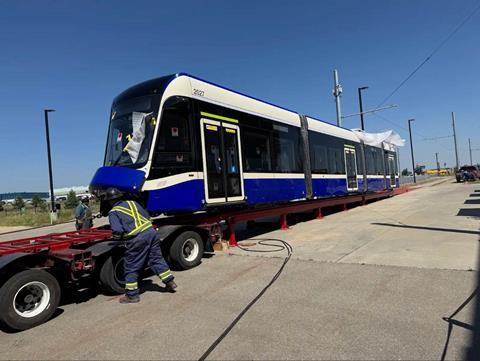
Light rail cars include features for all passengers. Ramps and low floors allow easy access for wheelchairs and strollers. Safety systems protect everyone on board.
| Feature | Description |
| Low-Floor Design | Makes boarding easier for all passengers |
| Emergency Communication | Allows quick contact with operators |
| Surveillance Cameras | Enhances security inside the car |
| Anti-slip Flooring | Prevents falls in wet conditions |
Credit: www.railwaygazette.com
Integration With Urban Infrastructure
Light rail cars connect cities by fitting into existing urban systems. This helps people travel easily and reduces traffic.
Integrating light rail with roads, buildings, and services improves city life. It supports growth and makes travel smoother.
Seamless Connectivity
Light rail links with buses, bikes, and walking paths for smooth travel. Transfers between transport types happen quickly.
Stations are placed near key areas like offices and homes. This location choice helps people reach their destinations faster.
- Direct links to bus stops
- Safe bike parking near stations
- Pedestrian-friendly walkways
- Clear signs and real-time info
Smart Traffic Management
Light rail uses signals that change based on train schedules. This reduces waiting times at intersections.
City systems monitor traffic and adjust lights to help light rail pass easily. This keeps trains on time and traffic flowing.
- Priority traffic signals for trains
- Real-time traffic monitoring
- Coordination with emergency vehicles
- Reduced congestion on busy streets
Role In Transit-oriented Development
Light rail supports building homes and shops near stations. This creates neighborhoods where people can live and work close to transport.
These areas encourage walking and biking. They reduce the need for cars and promote a clean environment.
- Mixed-use buildings near stations
- Easy access to public transport
- Reduced parking needs
- Stronger local economies
Challenges In Implementation
Building and running a light rail car system is not easy. Many challenges slow down or stop progress. These problems come from money issues, technical details, and public opinions.
Understanding these challenges helps planners and communities prepare better. Each problem needs a clear plan to keep the project on track.
Funding And Budget Constraints
Light rail projects need large sums of money. Finding enough funds is hard for cities and governments. Budgets often fall short because costs rise during construction.
- High initial investment for tracks and vehicles
- Maintenance costs over time
- Competition for public funds with other projects
- Delays that increase expenses
- Need for private and public partnership
Technical And Operational Hurdles
Light rail systems require complex technology and good planning. Problems can come from design, construction, or daily use. These must be fixed to keep the system safe and reliable.
| Issue | Description |
| Track Design | Needs to fit city layout and avoid traffic conflicts |
| Vehicle Maintenance | Regular checks to prevent breakdowns |
| Signal Systems | Must coordinate with other transport for smooth operation |
| Staff Training | Operators need skills for safe driving and emergency handling |
| Integration | Must connect well with buses and other transport modes |
Public Acceptance And Adoption
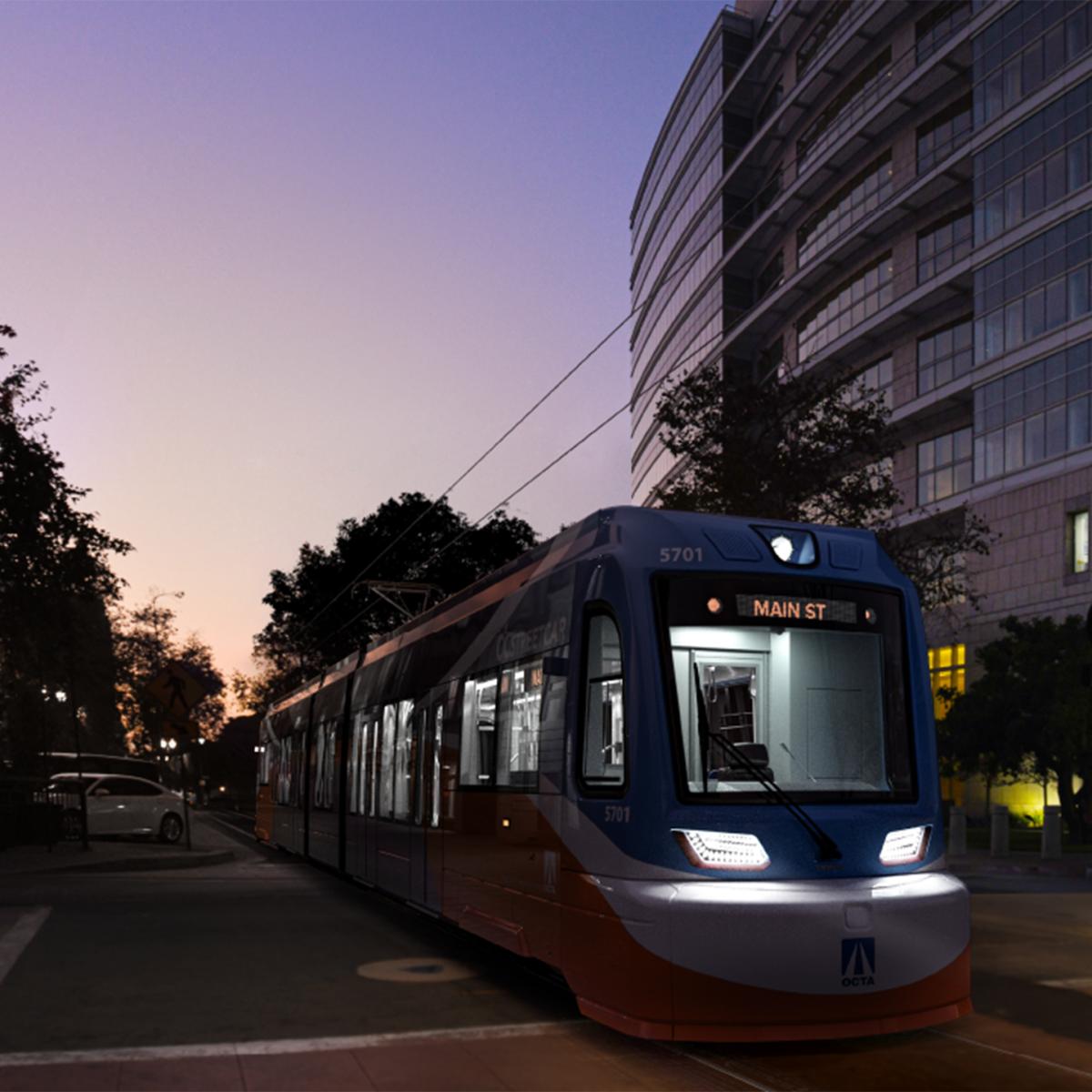
People may not support light rail projects at first. Their habits and fears affect how quickly they start using the system. Public opinion can change with the right information and experience.
Key factors affecting public acceptance include:
- Concerns about cost and taxes
- Fear of change in daily routines
- Worries about noise and construction disruption
- Trust in system safety and reliability
- Understanding benefits like less traffic and pollution
Credit: la.urbanize.city
Global Case Studies
Light rail cars play a vital role in public transport systems worldwide. This technology has been adopted by many cities to improve urban mobility. Let’s explore some successful light rail networks and lessons from emerging cities.
Successful Light Rail Networks
Several cities have developed efficient light rail networks that serve millions of passengers. These systems are known for their reliability and coverage.
- Portland, USA: The MAX Light Rail has been a model for sustainable transport.
- Melbourne, Australia: The largest urban tram network in the world.
- Copenhagen, Denmark: Focuses on eco-friendly and seamless integration with other transport modes.
Lessons From Emerging Cities
Emerging cities are learning from established networks to build their systems. They face unique challenges but also have opportunities for innovation.
- Capacity Planning: Ensuring enough trains to meet peak demand.
- Funding: Securing investments for long-term sustainability.
- Public Engagement: Involving communities in planning processes.
Future Prospects Worldwide
The future of light rail looks promising with advancements in technology. Cities are planning to expand and improve their systems for better connectivity.
| Region | Planned Expansions |
| Asia | High-speed light rail corridors |
| Europe | Integration with smart city initiatives |
| Africa | Introduction of new networks |
Frequently Asked Questions
What Is A Light Rail Car?
A light rail car is a modern, electric-powered vehicle used for urban public transit. It runs on tracks and serves short to medium distances efficiently.
How Does A Light Rail Car Differ From A Tram?
Light rail cars usually have higher capacity and speed than trams. They operate on dedicated tracks and often cover longer routes.
What Are The Benefits Of Light Rail Cars?
Light rail cars reduce traffic congestion, lower emissions, and offer reliable, affordable transportation. They improve urban mobility and connect key city areas.
Where Are Light Rail Cars Commonly Used?
Light rail cars are popular in cities worldwide. They serve metropolitan regions with growing populations needing efficient transit solutions.
Conclusion
Light rail cars offer a smart way to travel in busy cities. They run smoothly and help reduce traffic jams. Many people find them quiet and comfortable. Cities use light rail to connect neighborhoods and key places. This makes daily travel easier and faster.
Choosing light rail supports cleaner air and less noise. It fits well with modern city life. Try it and see how it changes your commute. Simple, efficient, and good for the environment. A smart choice for today and tomorrow.







