
Are you ready to take your kayaking adventures to the next level? A kayak roof rack for your car is the key to making every trip easier and more enjoyable.
Imagine loading your kayak safely, hitting the road without hassle, and arriving ready to paddle. Whether you’re a weekend warrior or a seasoned explorer, the right roof rack can save you time, protect your gear, and give you peace of mind.
Keep reading to discover how to choose the perfect kayak roof rack that fits your car and your lifestyle. Your next adventure starts here.
Credit: www.ebay.com
Choosing The Right Roof Rack
Picking the right kayak roof rack is key for safe trips. The rack holds your kayak on top of your car. It needs to fit your vehicle and kayak well.
Look at different styles, materials, and how much weight the rack can carry. These details help you find a rack that lasts and works for your needs.
Types Of Roof Racks
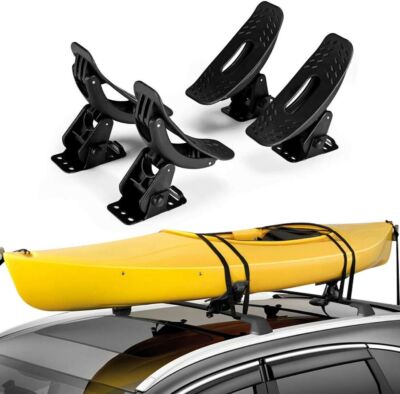
There are several roof rack types. Choose one that suits your car and kayak size. Some racks attach to existing rails, others use clamps or pads.
- Factory-installed roof rails that run front to back
- Crossbars that fit across the roof
- Clamp-on racks that attach to door frames
- Pad racks that use foam pads to protect the roof
Material And Durability
Materials affect the rack’s strength and weight. Aluminum is light and rust-resistant. Steel is very strong but heavier. Plastic parts add flexibility but may wear faster.
| Material | Benefits | Drawbacks |
| Aluminum | Lightweight, rust-proof | Less strong than steel |
| Steel | Very strong and durable | Heavy, can rust if untreated |
| Plastic | Flexible, protects car finish | Can crack or fade over time |
Weight Capacity
Know your kayak’s weight and the rack’s limit. Overloading the rack can cause damage or accidents. Check your car’s roof limit too.
- Find your kayak’s weight in the manual or online
- Check the roof rack’s max weight capacity
- Look at your car roof’s weight limit in the owner’s guide
- Choose the lowest weight limit of the three
Preparing Your Kayak
Getting your kayak ready for transport is important. Proper preparation keeps it safe and secure.
This guide helps you prepare your kayak before placing it on a roof rack.
Kayak Size And Shape
Know your kayak’s size and shape before loading. This helps you position it correctly on the rack.
Longer kayaks may need extra support. Wide kayaks require more space on the roof.
Cleaning And Inspection
Clean your kayak to remove dirt and debris. This prevents scratches during transport.
Check for cracks or damage. Fix any issues before putting the kayak on your car roof.
- Wash off mud and sand
- Inspect the hull for cracks
- Check handles and straps
Adding Padding
Use padding between the kayak and roof rack. Padding protects the kayak and car roof.
Soft foam or rubber pads work well. Place them where the kayak touches the rack.
- Prevent scratches and dents
- Reduce slipping during travel
- Absorb shock from bumps
Mounting The Kayak Securely
Carrying a kayak on your roof needs care. Secure mounting prevents damage and keeps you safe on the road.
This guide shows how to position your kayak and use straps and lines for firm support.
Positioning The Kayak
Place the kayak in the center of the roof rack. This balances weight evenly across the car.
Make sure the kayak sits flat and does not tilt. This helps avoid shifting during travel.
Strapping Techniques
Use strong straps designed for roof racks. Wrap them over the kayak and under the crossbars tightly.
Secure the straps without twisting. Tighten them so the kayak does not move side to side or front to back.
- Place straps near the front and back of the kayak
- Use cam buckle straps for easy tightening
- Check straps after driving a short distance
Using Bow And Stern Lines
Bow and stern lines add extra security. Tie these lines from the kayak to the front and back of your car.
These lines prevent the kayak from sliding forward or backward during sudden stops or turns.
- Use strong ropes or straps for bow and stern lines
- Secure knots tightly to car’s tow hooks or frame
- Check lines before each trip for wear and tightness
Safety Tips For Transport
Using a kayak roof rack on your car is a great way to carry your kayak safely. It helps keep the kayak secure and frees up space inside your vehicle. To avoid accidents, follow some simple safety tips when transporting your kayak.
These tips focus on checking your load, driving carefully, and inspecting your setup during the trip. Proper care ensures your kayak stays safe and your travel is smooth.
Checking Load Stability
Make sure your kayak is firmly attached to the roof rack. A stable load prevents the kayak from shifting or falling off while driving. Use strong straps and tighten them well around the kayak and rack.
- Place the kayak centered on the rack
- Use at least two straps to secure the kayak
- Check that straps are tight and not worn out
- Secure loose parts like paddles or seats
- Make sure no part of the kayak sticks out dangerously
Driving Precautions
Drive carefully to keep your kayak safe. Avoid sudden stops and sharp turns. Slow down on rough roads or in strong wind. Watch out for low bridges or parking garages that may hit the kayak.
| Driving Action | Reason |
| Drive slower than usual | Reduce wind force on kayak |
| Avoid sharp turns | Prevent kayak from shifting |
| Check height clearance | Avoid hitting overhead obstacles |
| Keep extra distance | Give room for safe braking |
Regular Inspection During Travel
Stop often to check your kayak and straps. Look for loose straps or any movement in the load. Tighten straps if needed. This helps avoid accidents and damage to your kayak or car.
- Straps are still tight and secure
- Kayak has not shifted from position
- No damage to roof rack or kayak
- All loose items are fastened
- Clearance is safe for upcoming roads
Additional Accessories
Adding accessories to your kayak roof rack can improve safety and convenience. These extras help secure your kayak and protect it during travel.
Choosing the right accessories makes loading and unloading easier. It also helps keep your kayak in good shape over time.
Kayak Cradles And Carriers
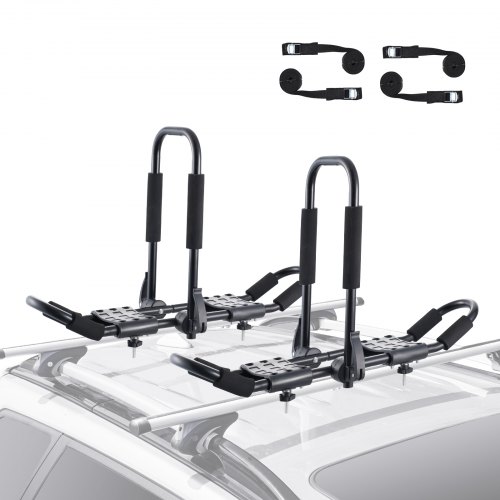
Kayak cradles hold your kayak firmly on the roof rack. They come in different shapes to fit various kayak styles. Carriers often include padding to stop scratches and dents.
- J-shaped cradles for easy side loading
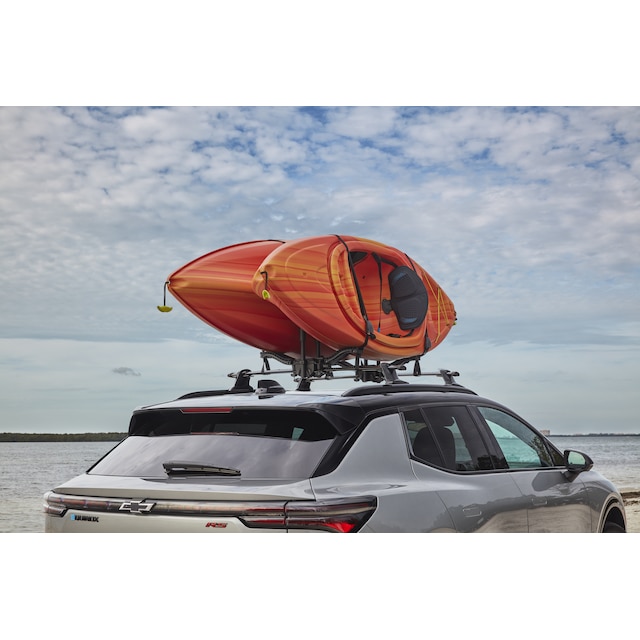
- Stacker carriers for multiple kayaks
- Soft carriers with foam padding
- Heavy-duty carriers for long trips
Locking Systems
Locking systems keep your kayak safe from theft. They attach to your roof rack and kayak securely. Some use keys, others use combination codes.
| Lock Type | Features | Best For |
| Cable Lock | Flexible, easy to use | Quick stops |
| U-Lock | Strong, resistant to cutting | Long-term parking |
| Combination Lock | No keys needed | Shared use |
| Padlock | Simple and reliable | Basic security |
Weather Protection Covers
Weather covers protect your kayak from rain, sun, and dust. They help keep the surface clean and prevent fading. Covers come in waterproof or UV-resistant types.
- Stops water damage during rain
- Protects from sun’s harmful rays
- Prevents scratches from dirt and debris
- Easy to install and remove
Common Mistakes To Avoid
Using a kayak roof rack for your car can be tricky. Many people make common mistakes that can lead to problems. Learn how to avoid these pitfalls for a safer trip.
Proper usage of a kayak roof rack ensures your kayak stays secure. Avoiding mistakes will make your travel smoother and safer.
Overloading The Rack
Putting too much weight on your roof rack is a common mistake. This can damage your car and the rack. Always check the weight limit of your rack.
- Check the weight capacity of your rack.
- Weigh your kayak before loading.
- Distribute weight evenly on the rack.
Improper Strapping
Using the wrong strapping method can cause the kayak to fall. Proper strapping keeps the kayak in place. Always use straps that are meant for roof racks.
Ensure that the straps are tight and secure. Check for any signs of wear or damage on the straps before use.
Ignoring Manufacturer Guidelines
Ignoring the guidelines from the manufacturer can lead to errors. These guidelines help you use the rack correctly. Always read the instructions before installation.
| Guideline | Importance |
| Weight Limit | Prevents overloading |
| Installation Steps | Ensures proper setup |
| Strapping Methods | Keeps kayak secure |
Maintenance Of Roof Racks
Proper maintenance of your kayak roof rack is essential for its longevity. A well-maintained rack ensures safety and reliability during your trips.
Follow these simple steps to keep your roof rack in top condition. Regular care can prevent damage and extend its life.
Cleaning And Storage
Keeping your roof rack clean is crucial for avoiding rust and grime build-up. After each use, wipe down the rack with a damp cloth.
- Use mild soap and water for thorough cleaning.
- Dry the rack completely before storing.
- Store in a cool, dry place to prevent rust.
Checking For Wear And Tear
Regular inspection can help identify any signs of damage. Look for cracks, loose bolts, or rust spots.
Replacing Worn Components
Replacing worn components ensures the safety of your kayak and vehicle. Do not wait for parts to fail.
| Component | When to Replace |
| Straps | If frayed or damaged |
| Bolts | When rusted or loose |
| Pads | If cracked or worn |
Credit: www.vevor.com
Credit: accessories.chevrolet.com
Frequently Asked Questions
What Is A Kayak Roof Rack For Car?
A kayak roof rack is a specialized carrier mounted on a car’s roof. It securely holds kayaks during transport. This rack prevents damage to both kayak and vehicle. It fits various car types and kayak sizes, making outdoor travel easier and safer.
How To Choose The Right Kayak Roof Rack?
Choose a roof rack based on kayak size, weight, and car roof type. Check weight capacity and rack compatibility with your vehicle. Consider ease of installation and security features. Reviews and brand reputation can also guide your decision for the best fit.
Can I Install A Kayak Roof Rack Myself?
Yes, most kayak roof racks are designed for easy DIY installation. Follow manufacturer instructions carefully. Use proper tools to ensure secure mounting. Double-check stability before loading the kayak. If unsure, professional installation is recommended for safety.
Are Kayak Roof Racks Safe For Long Trips?
Kayak roof racks are safe for long trips if properly installed and secured. Regularly check straps and mounting points during travel. Use padding to prevent kayak damage. Choose racks with strong materials and locking mechanisms for added safety.
Conclusion
A kayak roof rack makes carrying your kayak simple and safe. It saves space inside your car and protects your gear. Choosing the right rack depends on your car and kayak type. Always check the rack’s weight limit and installation instructions.
Enjoy your trips without worrying about transportation. A good roof rack helps you explore new waters easily. Keep your kayak secure and travel with peace of mind. Ready for your next adventure? A kayak roof rack is a smart choice.







