
Are you tired of struggling to fit your kayak inside your car? A kayak rack for your car roof could be the simple solution you need.
It makes carrying your kayak safer, easier, and frees up space inside your vehicle. Imagine hitting the water without the hassle of awkward lifts or worrying about damage to your kayak or car. You’ll discover how the right kayak rack can transform your trips, save you time, and keep your gear secure.
Keep reading to find out which options suit your needs and how to choose the best one for your adventures.
Choosing The Right Kayak Rack
Selecting a kayak rack for your car roof is important for safe transport. The right rack protects your kayak and keeps it secure during travel.
Many options exist, so knowing what fits your needs helps you make a good choice. Consider types, materials, and weight capacity carefully.
Types Of Kayak Racks
Kayak racks come in different styles. Each type fits different cars and kayak shapes.
- J-cradle racks hold the kayak on its side. They save space and are easy to load.
- Stacker racks hold kayaks flat and stack them. Good for carrying multiple kayaks.
- Saddle racks support the kayak on its bottom. They give a stable fit for longer trips.
- Roof bars with foam blocks are simple and affordable. Foam cushions protect the kayak from scratches.
Material And Durability
Materials affect how long the rack lasts and how well it holds up in weather. Common materials include steel, aluminum, and plastic.
| Material | Benefits | Considerations |
| Steel | Very strong and durable | Heavy and may rust if not coated |
| Aluminum | Lightweight and rust-resistant | Can be more expensive |
| Plastic | Light and affordable | Less durable, may crack under stress |
Weight Capacity Considerations
Check the rack’s weight limit before buying. The rack must support your kayak’s weight plus any gear.
Important tips for weight capacity:
- Know your kayak’s weight including accessories.
- Look for racks with clear weight limits on the label.
- Choose a rack with a higher capacity than your kayak weight.
- Remember that overloading can damage your roof or the rack.

Credit: www.amazon.ca
Preparing Your Car Roof
Getting your car roof ready is important before adding a kayak rack. A safe and secure setup protects both your car and kayak. This guide helps you prepare step-by-step.
Follow these tips to check your roof, install crossbars, and keep everything clean. This will make your trips safer and easier.
Checking Roof Compatibility
Not all car roofs fit every kayak rack. Check your car manual or look online to see if your roof supports racks. Some roofs have built-in rails, while others need crossbars.
- Look for factory-installed roof rails or fixed points
- Measure the width and length of your roof
- Check weight limits for your roof and rack
- Identify if a roof rack needs special adapters
Installing Crossbars
Crossbars hold the kayak rack in place. Install them firmly and follow the rack instructions. Make sure bars are evenly spaced and tight to avoid movement.
| Step | Action |
| 1 | Clean the roof surface where crossbars sit |
| 2 | Position crossbars according to kayak size |
| 3 | Tighten all bolts and locks securely |
| 4 | Double-check stability before loading kayak |
Cleaning And Maintenance Tips
Keeping your roof and rack clean helps prevent damage and rust. Regular checks also keep the rack safe for travel.
- Wash the roof and rack with mild soap and water
- Dry all parts to stop rust and corrosion
- Inspect bolts and straps before every trip
- Store the rack indoors when not in use
Securing Your Kayak
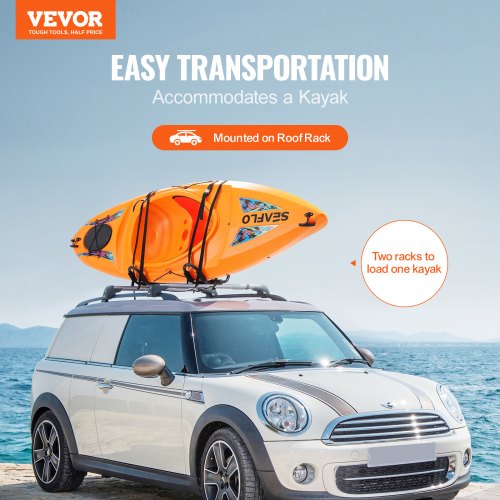
Securing your kayak on a car roof rack is important for safety and protection. Proper methods keep your kayak steady during travel.
Use the right tools and follow simple steps to avoid damage or accidents on the road.
Proper Placement On The Rack
Place the kayak with its hull facing down to increase stability. Center it on the rack to balance the weight evenly across the roof.
- Check the rack’s weight limit before loading.
- Make sure the kayak does not hang too far over the sides.
- Use foam blocks or padding to protect the kayak and rack.
- Ensure the kayak sits flat without rocking or shifting.
Using Straps And Tie-downs
Straps hold the kayak securely and prevent movement. Choose strong straps designed for roof racks.
| Strap Type | Best Use | Tip |
| Cam Buckle Strap | Quick tightening | Check tightness often |
| Ratchet Strap | Strong hold | Do not overtighten |
| Rope Tie-Down | Backup security | Use knots that hold well |
Secure straps over the kayak and attach tie-downs at the front and rear of the car for extra safety.
Avoiding Common Mistakes
Many people make errors that cause kayak damage or unsafe travel. Avoid these mistakes to keep your kayak safe.
- Do not place straps directly on sharp edges of the kayak.
- Never rely on just one strap; use multiple points of contact.
- Avoid loose or twisted straps that can slip.
- Do not overload the roof rack beyond its capacity.
- Check all straps and tie-downs after driving a short distance.
Credit: www.vevor.ca
Enhancing Safety On The Road
Using a kayak rack on your car roof can make travel easier. It also requires care to keep the load safe and secure. Proper safety steps help prevent accidents and damage.
Knowing how to check and adjust your kayak rack is key. Follow clear rules and tips to stay safe while driving with your kayak.
Checking Load Stability
Make sure your kayak is tightly fastened before driving. A loose load can shift and cause danger on the road. Check all straps and locks for firmness.
- Test the kayak by shaking it gently
- Inspect straps for wear or damage
- Tighten all clamps and buckles
- Secure loose ends of straps to avoid flapping
- Use foam blocks or padding to avoid scratches
Adjusting For Wind Resistance
Wind can push against your kayak and affect driving. Adjust your load to reduce wind resistance. This helps keep control and saves fuel.
| Tip | How to Do It |
| Place kayak facing forward | Align kayak with car’s direction |
| Use low-profile racks | Choose racks designed to cut wind |
| Remove extra gear | Only carry what is needed on roof |
| Check speed limits | Drive slower to reduce wind impact |
Legal Requirements And Regulations
Follow laws about roof loads to avoid fines and keep roads safe. Laws vary by place. Know the rules before you travel.
Common legal points include:
- Maximum allowed load length and width
- Visibility of license plates and lights
- Use of flags or markers on overhanging items
- Proper securing methods required by law
Check local transport authority websites for details.
Additional Accessories
Using a kayak rack on your car roof makes transporting your kayak easier. Adding accessories improves safety and convenience.
These extras help protect your kayak, secure it well, and offer better storage options during travel.
Padding And Protection
Padding keeps your kayak safe from scratches and damage during transport. It cushions the kayak from hard surfaces on the rack.
Protection accessories like foam blocks and soft wraps also reduce noise and prevent slipping on the roof rack.
- Foam pads fit under the kayak to cushion it.
- Soft wraps cover the kayak’s edges for extra care.
- Rubber mats prevent scratches and keep the kayak steady.
Locking Mechanisms
Locking systems secure your kayak to the roof rack. They help stop theft and keep your kayak safe during trips.
Locks can attach to straps, racks, or the kayak itself. Choose a strong lock for better security.
- Cable locks wrap around the kayak and roof rack.
- Keyed locks fix the kayak firmly in place.
- Combination locks offer easy access without keys.
Storage Solutions
Storage accessories help carry extra gear with your kayak. They keep items organized and easy to reach.
Options include roof bags, cargo boxes, and straps to hold paddles or life jackets securely.
- Roof bags attach to the rack and hold small items.
- Cargo boxes offer weatherproof storage space.
- Straps hold paddles and other long gear firmly.

Credit: www.amazon.ca
Tips For Easy Loading And Unloading
Loading and unloading a kayak from your car roof can be tricky. With the right tips, the process becomes much easier and safer.
Let’s explore some effective methods to handle your kayak without hassle.
Using Loading Aids
Loading aids make it simpler to lift and secure the kayak. These tools are designed to support the weight and keep your kayak steady.
- Use a kayak cart for easy transport to your car.
- Install a roller or lift system on your car roof.
- Utilize foam blocks or cradles to keep the kayak stable.
Teamwork Strategies
Working with a partner makes loading and unloading much safer. Two people can manage the kayak’s weight and position better.
Preventing Damage During Handling
Handling your kayak carefully prevents damage to both the kayak and your vehicle. Always take extra precautions during the process.
| Precaution | Benefit |
| Use padding | Prevents scratches |
| Secure straps tightly | Avoids shifting |
| Inspect gear before use | Ensures safety |
Frequently Asked Questions
What Is A Kayak Rack For Car Roofs?
A kayak rack for car roofs is a secure carrier designed to transport kayaks safely on top of vehicles. It prevents damage and frees up interior space. These racks come in various styles to fit different car models and kayak sizes.
How Do I Install A Kayak Rack On My Car Roof?
Most kayak racks install using clamps, straps, or mounting brackets. Begin by reading the manufacturer’s instructions carefully. Ensure the rack fits your car’s roof type. Tighten all components securely to avoid movement during transit.
Can All Vehicles Support A Kayak Roof Rack?
Not all vehicles can support a kayak roof rack. Roof load capacity depends on the car’s design and roof material. Always check your vehicle manual for weight limits before installing a rack to ensure safety and avoid damage.
How Do I Secure My Kayak On The Roof Rack?
Use strong straps or tie-downs to secure your kayak. Loop straps through the kayak and rack, then tighten firmly. Adding bow and stern lines provides extra stability during travel and prevents shifting or wind damage.
Conclusion
A kayak rack on your car roof makes travel easier and safer. It holds your kayak firmly during trips. You can enjoy more outdoor adventures without worry. Choosing the right rack fits your car and kayak well. Installation takes little time and effort.
This simple addition protects your kayak and your vehicle. Safe transport means more fun on the water. A good roof rack is a smart choice for kayakers.







