
Looking for the perfect way to carry your kayak safely and easily? A kayak car roof rack could be exactly what you need.
It frees up space inside your car, keeps your kayak secure, and makes transporting it hassle-free. Whether you’re heading to a calm lake or a wild river, having the right roof rack can change your entire experience. Keep reading to discover how to choose the best kayak car roof rack for your needs and make every trip smoother and more enjoyable.
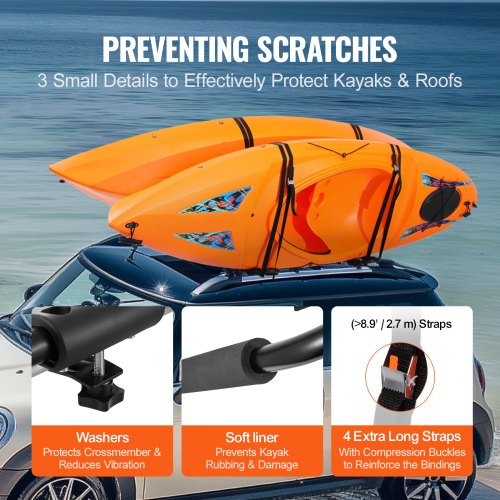
Credit: www.vevor.com
Choosing The Right Roof Rack
Selecting a roof rack for your kayak needs care. The right rack keeps your kayak safe and secure. It also fits your car properly.
Consider the types of racks, the materials used, and the rack’s weight limit. These points help you pick the best option for your trips.
Types Of Roof Racks
There are several types of roof racks for kayaks. Each type has its own way to hold the kayak and attach to your car.
- Roof bars: These run across your car’s roof. They are the most common type.
- Side rails: These run along the sides of the roof. They often work with crossbars.
- Fixed point racks: These attach to factory-made points on your car’s roof.
- Clip-on racks: These clamp onto the door frame or rain gutter of your car.
Material And Durability
Roof racks come in different materials. Each material has pros and cons for strength and weight.
| Material | Advantages | Disadvantages |
| Aluminum | Lightweight and rust-resistant | Can dent easily |
| Steel | Very strong and durable | Heavy and may rust |
| Plastic | Light and affordable | Less durable and may crack |
Weight Capacity Considerations
Check the weight your roof rack can hold. It must support your kayak plus any gear you bring.
- Know the weight of your kayak.
- Look at the rack’s maximum weight limit.
- Include extra weight for straps and accessories.
- Do not exceed your car’s roof load limit.
- Choose a rack with a higher capacity for safety.
Preparing Your Kayak For Transport
Transporting your kayak safely protects it from damage. Proper preparation makes your trip smoother.
Follow these steps to get your kayak ready for the car roof rack. Each part helps prevent problems on the road.
Cleaning And Inspecting The Kayak
Start by cleaning your kayak with fresh water. Remove dirt, sand, and salt to avoid damage.
After cleaning, check the kayak for cracks or holes. Look at the hull and the handles carefully.
- Rinse the kayak with fresh water
- Use a soft brush for tough spots
- Check for any visible damage
- Make sure drain plugs are secure
Using Protective Gear
Protect your kayak with padding and straps. This gear prevents scratches and keeps the kayak stable.
| Protective Gear | Purpose |
| Foam blocks | Protect kayak hull from pressure |
| Cam straps | Secure kayak firmly to the rack |
| Bow and stern tie-downs | Stop kayak from shifting forward or backward |
| Soft pads | Prevent scratches on roof and kayak |
Balancing The Load
Place the kayak evenly on the roof rack. Balance helps keep the kayak steady during transport.
- Center the kayak on the roof rack
- Make sure weight is spread evenly
- Secure the kayak with straps at front and rear
- Check for any side-to-side movement
- Tighten straps as needed before driving
Step-by-step Installation
Installing a kayak car roof rack is simple with clear instructions. Follow these steps to mount your rack and secure your kayak safely.
This guide covers mounting the roof rack, securing the kayak, and using straps and tie-downs for safety.
Mounting The Roof Rack
Start by placing the roof rack crossbars on your car’s roof rails. Make sure they fit tightly and align evenly on both sides.
- Check your car roof for clean, dry surfaces.
- Place the crossbars at the correct distance, usually about 24 inches apart.
- Use the mounting hardware to fasten the crossbars securely.
- Tighten all bolts and screws using a wrench.
- Test the rack for movement by pushing it gently.
Securing The Kayak
Put the kayak on the roof rack with the hull facing down. Center it between the crossbars for balance.
- Lift the kayak carefully to avoid damage.
- Place foam blocks or pads on the rack to protect the kayak.
- Adjust the kayak so it does not extend too far beyond the car’s sides.
- Check that the kayak sits stable and flat.
Using Straps And Tie-downs
Use straps and tie-downs to keep the kayak in place. Tighten them securely but do not over-tighten to avoid damage.
| Strap Type | Purpose | Position |
| Cam buckle strap | Main hold-down | Over kayak, under crossbars |
| Bow and stern tie-downs | Prevent forward and backward movement | Attached to car bumpers or hooks |
| Padding | Protect kayak and car | Between straps and surfaces |
Safety Tips On The Road
Driving with a kayak on your car roof requires extra caution. Ensuring the safety of your kayak and vehicle is important for a smooth journey.
Follow these safety tips to keep your kayak secure and avoid any road mishaps.
Checking Rack Stability
Ensure that your car roof rack is stable before every trip. This prevents the kayak from shifting or falling.
- Inspect all bolts and screws for tightness
- Check the rack’s weight limits
- Test the rack by gently shaking it
Avoiding Common Mistakes
Some mistakes can lead to dangerous situations. Learn how to avoid them for a safer ride.
- Do not overload the rack
- Ensure proper kayak positioning
- Use secure straps and buckles
Legal Regulations And Restrictions
Different areas have rules for carrying kayaks on cars. Know these regulations to avoid fines.
| Country | Regulation |
| USA | Kayak must not extend more than 4 feet beyond the rear |
| UK | Warning flag required if kayak extends beyond car |
Maintaining Your Roof Rack
Keeping your kayak car roof rack in good shape helps it last longer. Regular care makes sure it works well every time you use it.
Simple maintenance tasks can prevent damage and keep your rack safe for travel.
Regular Inspections
Check your roof rack before every trip. Look for loose bolts, cracks, or rust. Make sure the rack is firmly attached to your car.
Inspect the parts that hold your kayak too. Tighten any loose screws and replace anything broken quickly.
- Check bolts and nuts for tightness
- Look for cracks or rust on metal parts
- Ensure straps and clamps hold tight
- Test the rack’s stability on the car
Cleaning And Storage
Clean your roof rack after each use. Remove dirt, salt, and debris to stop rust and damage. Use mild soap and water for cleaning.
Store the rack in a dry place when not in use. Keep it covered or inside to protect it from sun and rain.
- Wash off mud and salt after trips
- Dry the rack completely before storage
- Keep it in a cool, dry spot
- Cover the rack to block dust and sunlight
Replacing Worn Components
Parts like straps, pads, and bolts wear out over time. Replace these parts to keep the rack safe and strong.
Use parts made for your roof rack model. This helps keep the fit and function correct.
- Replace cracked or frayed straps
- Swap out worn pads to protect your kayak
- Change rusty or bent bolts
- Use original or compatible replacement parts
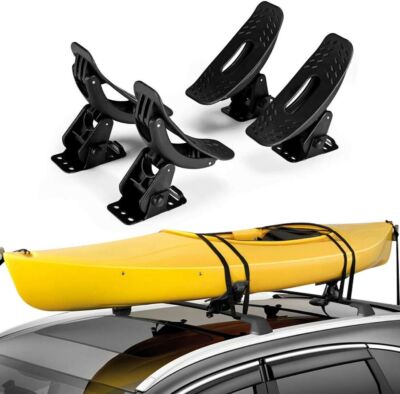
Credit: www.ebay.com
Best Accessories For Kayak Transport
Carrying a kayak safely needs the right accessories. They protect your kayak and keep it secure on the roof.
This guide covers useful accessories that make kayak transport easier and safer.
Cushions And Pads
Cushions and pads protect your kayak and car roof from scratches and damage. They also help hold the kayak steady.
- Foam blocks that fit under the kayak
- Soft pads to reduce pressure points
- Rubber cushions to prevent slipping
- Water-resistant materials for durability
Locks And Security
Locks keep your kayak safe from theft during stops. Choose strong and easy-to-use locks.
| Lock Type | Feature | Best Use |
| Cable Lock | Flexible and long | Securing multiple kayaks |
| U-Lock | Strong and sturdy | High security on one kayak |
| Padlock | Simple and effective | Basic security needs |
Load Extenders
Load extenders increase your car’s roof space. They help carry longer kayaks safely.
- Extend the roof rack length
- Support kayak ends to prevent overhang
- Easy to install and remove
- Help balance the kayak weight evenly

Credit: www.amazon.com
Frequently Asked Questions
What Is A Kayak Car Roof Rack?
A kayak car roof rack is a device mounted on a vehicle’s roof. It securely holds kayaks during transport. It prevents damage and saves interior space. It is essential for safe and easy kayak transportation.
How Do I Install A Kayak Roof Rack?
Installation varies by rack type and vehicle model. Generally, position the rack on crossbars. Secure clamps or bolts tightly to avoid movement. Always follow the manufacturer’s instructions for safety and proper fit.
Can Roof Racks Fit All Kayak Types?
Most roof racks fit various kayaks, including sit-on-top and sit-in models. However, check the rack’s weight capacity and design compatibility. Some racks are adjustable to accommodate different kayak sizes and shapes.
Are Kayak Roof Racks Safe For Long Trips?
Yes, when properly installed and secured, roof racks are safe. Use additional straps or padding for extra security. Regularly check fasteners during long trips to ensure stability and prevent accidents.
Conclusion
Choosing the right kayak car roof rack makes trips easier and safer. It holds your kayak firmly on top of your car. Installation is simple and saves space inside the vehicle. A good rack protects your kayak from damage during travel.
It also helps you carry extra gear without hassle. Investing in a reliable rack means more fun on the water. Enjoy every adventure with less stress and more comfort. Keep your kayak secure and your journey smooth. Ready for your next paddle?







