
Are you wondering if using a radar detector is legal where you drive? You’re not alone.
Many drivers want to stay aware of speed traps but worry about breaking the law. Understanding the rules around radar detectors can save you from unexpected fines or even more serious trouble. Keep reading, and you’ll get clear answers about where you can and cannot use these devices—and how to protect yourself on the road.
Don’t risk your safety or your wallet without knowing the facts.
Radar Detector Laws By Country
Radar detectors help drivers know when police use radar guns. Laws about these devices differ around the world.
Knowing local rules is important before using a radar detector. This guide explains laws in several countries.
United States Regulations
Radar detectors are legal in most US states for private cars. Some states ban their use or have limits.
- Radar detectors are illegal in Virginia and Washington D.C.
- Commercial vehicles over 10,000 pounds cannot use them anywhere.
- Some states ban mounting detectors on the windshield.
Canada Restrictions
Radar detector laws vary by province in Canada. Most provinces ban their use while driving.
- In Ontario and Quebec, radar detectors are illegal.
- Some provinces allow detectors in private vehicles but not in commercial trucks.
- Penalties include fines and vehicle seizure in some areas.
European Countries
Many European countries ban radar detectors completely. Some allow warning apps but not devices.
- France and Germany forbid radar detectors and impose fines.
- In the UK, radar detectors are legal but not common.
- Using GPS warning devices is allowed in some countries.
Other Global Rules
Rules about radar detectors vary widely outside North America and Europe. Some places ban them entirely.
- Australia bans radar detectors in all states.
- Japan prohibits radar detector use on public roads.
- Many countries in Asia and Africa have no clear laws on radar detectors.
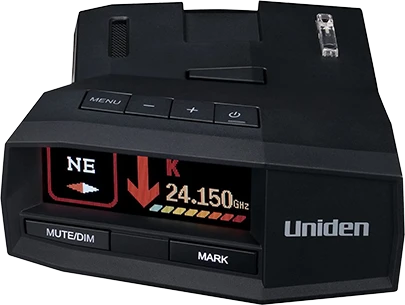
Credit: www.vortexradar.com
State And Provincial Variations
Radar detectors are devices used to warn drivers about speed monitoring. Laws about their use differ across regions. Some places allow them, while others ban or limit them.
Understanding where radar detectors are legal helps drivers avoid fines. This guide explains rules in U.S. states and Canadian provinces.
States Where Detectors Are Allowed
Many states in the U.S. permit the use of radar detectors for private vehicles. Drivers can carry and use them without legal issues in these areas.
- Alabama
- Alaska
- Arizona
- California
- Florida
- Georgia
- Illinois
- Ohio
- Texas
- Washington
States With Bans Or Restrictions
Some states ban radar detectors completely or restrict their use in certain vehicles. Commercial vehicles often face stricter rules.
- Virginia: Radar detectors are illegal in all vehicles.
- Washington D.C.: Complete ban on radar detectors.
- New York: Illegal to use radar detectors.
- New Jersey: Radar detectors are banned.
- Illinois: Commercial vehicles cannot use radar detectors.
- Maryland: Radar detector use is banned.
Provincial Rules In Canada
In Canada, radar detector legality varies by province. Most provinces ban their use, but some allow them with limits.
| Province | Radar Detector Status |
|---|---|
| Ontario | Banned |
| Quebec | Banned |
| British Columbia | Banned |
| Alberta | Allowed |
| Manitoba | Allowed |
| Saskatchewan | Allowed |
Drivers should check local laws before using radar detectors in Canada. Enforcement and penalties vary by province.
Legal Consequences Of Use
Radar detectors are devices that alert drivers about speed detection tools used by law enforcement. Their legal status varies across different regions. Using a radar detector without understanding local laws can lead to serious trouble.
It is important to know the risks before using a radar detector. These risks include fines, confiscation of the device, and effects on your insurance. This guide explains these legal consequences clearly.
Fines And Penalties
Many places ban radar detectors or restrict their use. If you are caught using one illegally, you may face fines or other penalties. These punishments depend on where you live or drive.
- Fines range from small amounts to several hundred dollars.
- Some areas add points to your driving record.
- Repeat offenders might face higher fines or license suspension.
Confiscation Risks
Police officers may seize radar detectors if they are illegal in your area. Losing your device can be costly and inconvenient. Sometimes, you must go to court to get it back.
Impact On Insurance
Using a radar detector can affect your car insurance in some places. Insurance companies may see it as a sign of risky driving. This can lead to higher premiums or denied claims.
| Insurance Effect | Possible Outcome |
| Detected Use of Radar Detector | Higher premiums |
| Illegal Use Confirmed | Policy cancellation |
| No Use or Legal Use | No impact |
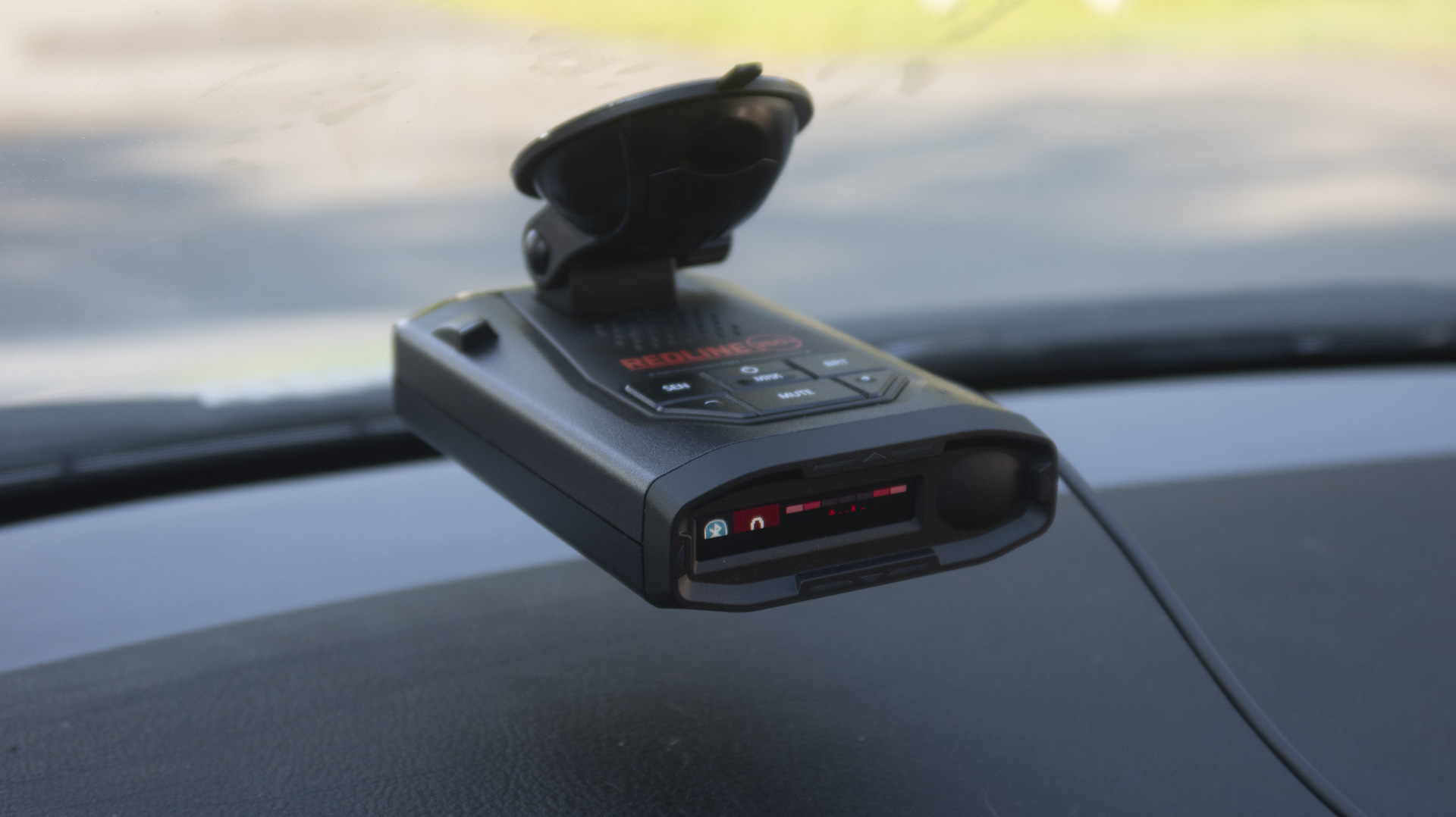
Credit: www.thedrive.com
Types Of Radar Detectors
Radar detectors help drivers know about speed monitoring devices nearby. They come in different types with various features.
Understanding the types of radar detectors can help you choose the right one for your needs.
Basic Vs. Advanced Models
Basic radar detectors detect common radar signals used by police. They warn drivers of speed traps ahead.
Advanced models have better sensitivity and fewer false alarms. They can also detect more radar bands.
- Basic models are simple and affordable.
- Advanced models have improved detection range.
- Advanced units reduce false alerts from automatic doors.
Gps-enabled Detectors
GPS-enabled radar detectors use location data to provide more accurate alerts. They store known speed camera locations.
These detectors can warn about fixed speed traps and red-light cameras. They update databases to stay current.
- Store locations of speed cameras and danger zones.
- Provide alerts based on your current position.
- Can mute alerts in areas without radar.
Laser Detection Features
Laser detection helps find police using laser speed guns. These signals are harder to detect than radar.
Detectors with laser features alert drivers quickly. This gives more time to slow down safely.
- Detect laser beams from speed guns.
- Provide early warnings for laser traps.
- Some models also block laser signals.
Alternatives To Radar Detectors
Radar detectors are not always legal to use. Drivers can try other tools to stay aware of their speed and road safety. These options help avoid speeding tickets without breaking laws.
Some alternatives use technology and apps to give alerts. Others focus on improving driving habits and vehicle safety. Here are some popular choices.
Speed Awareness Tools
Speed awareness tools help drivers monitor their speed. They remind drivers to slow down before reaching speed limits. Some tools use GPS to track speed zones.
These tools encourage safer driving by showing speed limits clearly. They can reduce the risk of speeding tickets and accidents.
- In-car speed limit displays
- GPS-based speed warnings
- Speed limit signs recognition devices
Driving Apps And Alerts
Many apps give real-time alerts about speed cameras and traffic. They use maps and user reports to warn drivers ahead of time. These apps also track your speed and location.
Apps help drivers stay alert without using radar detectors. They update frequently to show new speed traps and road hazards.
- Speed camera alerts
- Traffic and road condition warnings
- Speed limit notifications
Vehicle Safety Systems
Modern cars have built-in safety systems that help control speed. Cruise control and adaptive speed limiters keep the car at safe speeds. Some cars warn drivers if they exceed speed limits.
These systems improve driving safety and reduce the chance of speeding. They work automatically and do not need extra devices.
- Adaptive cruise control
- Speed limiters
- Driver alert systems
Ethical And Safety Considerations
Radar detectors are devices used by drivers. They help in detecting speed monitoring. This raises questions about their ethics and safety.
Understanding their impact on behavior and public safety is important. Legal and moral aspects are also key to consider.
Effect On Driving Behavior
Radar detectors can change how people drive. Some may drive faster, thinking they can avoid tickets. Others might feel more anxious.
This can lead to risky driving habits. It may cause drivers to focus on avoiding detection rather than driving safely.
Public Safety Impact
Public safety is a major concern with radar detectors. These devices might encourage speeding. This increases the risk of accidents.
Communities may face more danger on the roads. The presence of radar detectors can lead to less cautious driving.
- Increased speeding incidents
- Higher accident rates
- More aggressive driving behaviors
Legal And Moral Implications
The legality of radar detectors varies by region. Some areas ban them completely. Others allow their use with restrictions.
Morally, using these devices raises questions. It challenges the idea of respecting laws. It also affects the fairness on the roads.
| Region | Legality |
| State A | Legal |
| State B | Banned |
| State C | Restricted |

Credit: en.wikipedia.org
Frequently Asked Questions
Is Radar Detector Legal In All States?
Radar detector legality varies by state. Some states allow them, while others ban or restrict their use. Check local laws before using one in your vehicle to avoid fines or penalties.
Can Police Detect Radar Detectors?
Yes, police can use radar detector detectors (RDDs) to find radar detectors. This is common in states where radar detectors are illegal. Using a detector in these areas risks fines.
Are Radar Detectors Allowed On Commercial Vehicles?
Radar detectors are generally illegal in commercial vehicles over 10,000 pounds. This is regulated by federal law. Personal cars usually have different rules, so verify based on your vehicle type.
Do Radar Detectors Work With All Speed Cameras?
Radar detectors primarily detect radar and laser signals from police speed guns. They may not detect all speed cameras, especially fixed or average speed cameras using different technology.
Conclusion
Radar detector laws differ by state and country. Some places allow them; others ban them. Know the rules before using one on the road. Using a radar detector where it is illegal can lead to fines or penalties. Always prioritize safe and responsible driving over avoiding speed tickets.
Understanding the law helps you avoid trouble. Stay informed and drive carefully to protect yourself and others.







