
Are you wondering if having a radar detector is illegal? You’re not alone.
Many drivers want to avoid speeding tickets but aren’t sure where the law stands on these devices. Understanding the rules can save you from unexpected fines or even bigger trouble. You’ll discover what the law really says about radar detectors, where you can use them, and what risks you might face.
Keep reading to protect yourself and make smart choices on the road.
Radar Detector Laws By Region
Radar detectors help drivers detect police radar speed traps. Their legality varies in different areas. Some places allow them, others ban them.
It is important to know the rules before using a radar detector. Laws differ by country and even by states or provinces.
United States Regulations
In the United States, radar detectors are mostly legal for private cars. Some states have special rules or bans.
Virginia and Washington D.C. ban radar detectors completely. Commercial vehicles over 10,000 pounds cannot use them anywhere.
- Allowed in most states for personal vehicles
- Banned in Virginia and Washington D.C.
- Illegal for commercial trucks over 10,000 pounds
- Some states have no specific laws on radar detectors
Rules In Canada
Canada has stricter rules on radar detectors than the U.S. Several provinces ban their use completely.
Radar detectors are illegal in Quebec, Ontario, Manitoba, and New Brunswick. Other provinces allow them with no restrictions.
- Illegal in Quebec, Ontario, Manitoba, New Brunswick
- Allowed in Alberta, British Columbia, Saskatchewan, and others
- Fines apply if caught using a radar detector in banned provinces
European Restrictions
Most European countries ban radar detectors. The laws are strict, and penalties can be high.
Countries like France, Germany, and Italy make owning or using radar detectors illegal. Some countries allow detectors but ban their use.
- Illegal in France, Germany, Italy, and many others
- Some countries allow owning but not using detectors
- Fines and confiscation are common penalties
Other Countries’ Policies
Radar detector laws vary worldwide. Some countries have no laws, while others ban them strictly.
Australia bans radar detectors in most states. Japan and South Korea also prohibit their use. In some countries, detectors are legal but not common.
- Australia bans radar detectors in most states
- Japan and South Korea prohibit use
- Some countries have no clear laws on radar detectors
- Always check local laws before using a radar detector

Credit: www.wikiwand.com
Types Of Radar Detectors
Radar detectors help drivers know when police use speed detection. Different types work in different ways. Some detect radar waves, others block laser signals.
Understanding the types helps you choose the right one. Each type has its own features and uses.
Basic Radar Detectors
Basic radar detectors sense radar signals from police speed guns. They alert the driver with sounds or lights. These devices help you slow down before being caught.
They work by scanning common radar bands. They usually detect signals from a distance. Basic models are easy to use and affordable.
- Detect X, K, and Ka radar bands
- Provide audio and visual alerts
- Simple installation and operation
- Limited protection against laser guns
Laser Jammers
Laser jammers block laser speed guns from measuring your speed. They send out light signals that confuse the laser gun. This stops the gun from getting a speed reading.
Laser jammers are more advanced than basic radar detectors. They need proper installation and legal approval in some places. They protect you from laser speed traps effectively.
- Detect laser signals instantly
- Emit light to block speed measurement
- Require professional installation
- Legal restrictions vary by region
Gps-based Devices
GPS-based devices use location data to warn about speed traps. They store known police locations and alert drivers nearby. These devices do not detect radar waves directly.
They work well with other radar detectors. GPS devices keep updating with new trap locations. They also warn about red-light cameras and speed cameras.
- Use GPS to track your location
- Alert you to known speed traps
- Update trap locations regularly
- Do not detect radar or laser signals
Legal Consequences Of Using Radar Detectors
Radar detectors are devices that alert drivers about speed detection tools used by police. Many drivers use them to avoid speeding tickets. But using these detectors can lead to serious legal troubles.
Different places have different laws about radar detectors. Some allow them, while others ban or restrict their use. Knowing the legal consequences is important before using one.
Fines And Penalties
Using a radar detector where it is illegal can lead to fines and penalties. The amount of the fine depends on the location and the law. In some states, you may also face points on your driving record.
- Monetary fines ranging from $100 to $500
- Points added to your driver’s license
- Possible court appearances
- Increased penalties for repeat offenses
Vehicle Impoundment
In some areas, police may impound your vehicle if you are caught using a radar detector. This can cause major inconvenience and extra costs. The length of impoundment varies by law enforcement rules.
| Location | Impoundment Possible | Typical Duration |
| State A | Yes | 3 to 7 days |
| State B | No | Not applicable |
| State C | Yes | Up to 30 days |
Impact On Insurance
Using radar detectors can affect your car insurance. Insurance companies may view radar detector use as risky behavior. This can lead to higher premiums or refusal to renew your policy.
- Possible increase in insurance rates
- Denial of some coverage claims
- Cancellation of insurance policy
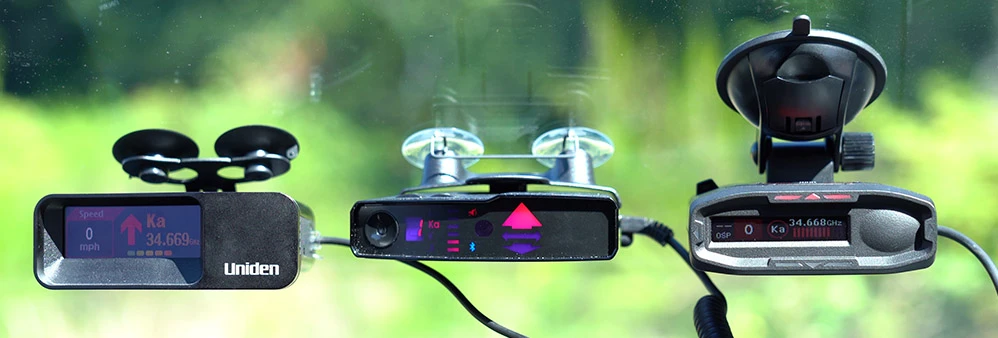
Credit: www.vortexradar.com
Exceptions And Special Cases
Radar detectors are often illegal in many places. Some situations allow exceptions to these rules. Understanding these exceptions helps avoid legal trouble.
This section covers special cases for commercial vehicles, emergency responders, and private property use.
Commercial Vehicles
Commercial vehicles face strict rules about radar detectors. In some regions, these detectors are banned for trucks and buses. The goal is to keep road safety high and prevent cheating speed laws.
- Most commercial trucks cannot use radar detectors.
- Some states allow exceptions for vehicles under a certain weight.
- Rules may differ for private companies versus government vehicles.
- Violations may lead to fines or loss of commercial driving privileges.
Emergency Responders
Emergency responders like police, firefighters, and paramedics can use radar detectors legally. These devices help them react faster to emergencies and maintain safety on roads.
| Type of Responder | Radar Detector Use |
| Police Vehicles | Allowed |
| Fire Trucks | Allowed |
| Ambulances | Allowed |
| Other Emergency Services | May Vary by Region |
Private Property Use
Radar detectors on private property are usually legal. Property owners can decide what devices they use. Laws focus on public roads, not private spaces.
Important points about private property use:
- Radar detectors may be used freely on private land.
- Using detectors off public roads avoids most legal issues.
- Some local laws may still apply, so check local rules.
- Private use does not protect against consequences on public roads.
How To Use Radar Detectors Responsibly
Radar detectors can alert drivers to speed monitoring devices. Using them responsibly helps keep roads safe. It is important to understand how to use these devices within the law.
This guide covers key points about safe and legal use. Follow these tips to avoid trouble and promote safe driving habits.
Staying Within Speed Limits
Radar detectors do not give permission to speed. Always follow posted speed limits. Staying within limits protects you and others on the road.
- Check speed limits regularly while driving.
- Use the detector only to be aware, not to speed.
- Slow down in areas with heavy traffic or poor visibility.
Avoiding Illegal Modifications
Keep your radar detector in its original condition. Avoid changes that may break laws or harm the device’s function. Illegal modifications can cause fines or device failure.
| Modification | Legal Status | Notes |
| Jamming Devices | Illegal | Blocks radar signals and is banned in many areas. |
| Hardwiring to Car System | Depends on Region | Check local laws before installation. |
| Removing Labels or Certifications | Illegal | May void warranty and break regulations. |
Awareness Of Local Laws
Radar detector laws differ by location. Some places ban their use or limit where you can install them. Knowing local rules helps avoid fines or confiscation.
- Check state or country laws before using a radar detector.
- Do not use detectors in areas where they are illegal.
- Keep updated on law changes that may affect detector use.

Credit: www.vortexradar.com
Technological Advances In Radar Detection
Radar detectors have evolved over the years. They now include many new technologies. These advancements help drivers detect speed traps.
Understanding these advancements is important. It helps drivers know what to expect on the road. Let’s explore these features and their impact.
New Detection Features
New radar detectors come with improved features. These features enhance detection range and accuracy.
- GPS integration for location-based alerts
- Bluetooth connectivity for updates
- Improved signal processing for better accuracy
Countermeasures By Law Enforcement
Law enforcement has developed countermeasures. These are designed to defeat radar detectors. Understanding these helps drivers stay informed.
| Countermeasure | Description |
| Radar Jamming | Uses signals to block radar detection |
| Laser Jamming | Uses light to prevent laser gun readings |
| Instant-On Radar | Activates radar only when needed |
Future Trends
The future of radar detection looks promising. Innovations continue to improve detection capabilities. Let’s consider some potential trends.
- AI integration for smarter detection
- Cloud-based updates for real-time data
- Integration with autonomous driving systems
Frequently Asked Questions
Is Owning A Radar Detector Illegal Everywhere?
No, radar detector legality varies by country and state. Some places allow them, while others ban their use. Always check local laws before purchasing or using one to avoid fines or penalties.
Can Police Officers Legally Confiscate Radar Detectors?
In certain jurisdictions, police can confiscate radar detectors if they are illegal there. This typically happens during traffic stops. Knowing local regulations helps prevent confiscation risks.
Do Radar Detectors Work Against All Speed Detection Devices?
Radar detectors primarily detect radar signals, not laser or other speed devices. Some models include laser detection, but effectiveness varies. Understanding device limitations ensures better use.
Are There Fines For Using Radar Detectors In Restricted Areas?
Yes, fines can apply if radar detectors are used where prohibited. Penalties vary by location and severity of the offense. Always confirm legality to avoid fines.
Conclusion
Radar detector laws vary by state and country. Some places allow them, others do not. Knowing local rules helps avoid fines or legal trouble. Using a radar detector does not guarantee no tickets. Safe driving remains the best way to avoid speeding fines.
Always check laws before buying or using a radar detector. Staying informed keeps you safe and legal on the road. Simple caution beats any device. Drive smart and follow speed limits.







