
Are you passionate about transforming spaces and creating beautiful, functional environments? An interior decorator career could be the perfect path for you.
Imagine using your creativity to bring rooms to life, making people feel comfortable and inspired every day. Whether you want to work in homes, offices, or commercial spaces, this career offers exciting opportunities to express your style and make a real impact.
You’ll discover what it takes to become an interior decorator, the skills you need, and how to start building your dream career. Keep reading to unlock the secrets of turning your passion into a rewarding profession.
Career Pathways
Interior decorators help make indoor spaces look nice and feel comfortable. They choose colors, furniture, and decorations to fit a person’s style and needs.
There are many ways to build a career as an interior decorator. You can work in different industries and roles depending on your interests and skills.
Roles And Responsibilities
Interior decorators plan and design indoor spaces. They meet clients to understand their style and needs. They select colors, furniture, lighting, and accessories that fit the space.
They also work with contractors and suppliers to get the right materials. They must manage budgets and timelines to finish projects on time.
- Consult with clients about their preferences
- Create design plans and mood boards
- Choose furniture, fabrics, and decorations
- Coordinate with suppliers and contractors
- Manage project budgets and schedules
Industries To Explore
Interior decorators can work in many industries. Each industry has unique needs and styles. You can find work in homes, offices, hotels, or retail stores.
Some decorators specialize in commercial spaces while others focus on residential projects. You can also work in event decoration or set design for film and TV.
- Residential homes
- Corporate offices
- Hotels and resorts
- Restaurants and cafes
- Retail stores
- Event planning and decoration
- Film, TV, and theater sets
Freelance Vs. Agency Work
Interior decorators can work as freelancers or for agencies. Freelancers work independently and manage their own clients. They have flexible schedules but must handle all business tasks.
Agency decorators work as part of a team. They get steady work and support from the company. Agencies may offer training and larger projects but less schedule freedom.
- Freelance:Flexible, self-managed, client variety
- Agency:Team support, steady work, less control

Credit: www.training.com.au
Essential Skills
Interior decorators need many skills to create beautiful spaces. These skills help them bring ideas to life and work well with clients.
Learning these skills makes decorators better at their jobs and helps them build a strong career.
Creative Vision
Creative vision is how decorators imagine the look and feel of a space. They picture colors, furniture, and decorations that work well together.
Good creative vision helps decorators design unique and attractive rooms that match the client’s style and needs.
Technical Knowledge
Technical knowledge includes understanding design principles, materials, and tools. Decorators use this to make practical and safe choices.
Knowing about space planning, lighting, and color theory helps decorators create balanced and functional designs.
- Space measurement and layout
- Types of fabrics and materials
- Lighting effects and options
- Color matching and contrast
- Basic construction and safety rules
Communication And Collaboration
Interior decorators talk with clients to understand their wishes. They explain ideas clearly to get approval and make changes.
They also work with contractors and suppliers to ensure the design is done right and on time.
- Listening to client needs
- Presenting design ideas
- Working with teams and vendors
- Managing feedback and revisions
- Negotiating budgets and timelines
Education And Training
Becoming an interior decorator requires specific education and training. Learning design principles and gaining practical skills is important.
Many paths lead to a career in interior decorating. These include formal degrees, certification programs, and informal workshops.
Degree Options
Degree programs in interior design or related fields offer a strong foundation. These programs cover design theory, color theory, and space planning.
- Associate Degree in Interior Design
- Bachelor’s Degree in Interior Design or Architecture
- Diploma courses in Interior Decoration
Certification Programs
Certification helps show your skills and knowledge to clients and employers. Some certificates require passing exams or completing projects.
| Certification | Provider | Duration |
| Certified Interior Decorator | International Interior Design Association | 6 months |
| Professional Interior Decorator Certificate | American Society of Interior Designers | 3 months |
| Interior Decorating Certificate | Online Platforms | Varies |
Workshops And Online Courses
Workshops and online courses offer flexible learning options. They focus on specific skills like color matching or furniture arrangement.
- Color Theory Workshop
- Space Planning Online Course
- Furniture Selection and Styling Workshop
- Lighting Design Online Class
Building A Portfolio
A strong portfolio is key for an interior decorator. It shows your skills and creativity to clients and employers.
Your portfolio should include your best work and reflect your unique style. It helps others understand what you can do.
Showcasing Your Style
Your portfolio needs to show your personal style clearly. Choose projects that highlight your design choices and ideas.
Include a variety of rooms and designs to show your flexibility. Add notes about your inspiration and design process.
Photography Tips
Good photos make your work look professional. Take pictures in natural light to show true colors and details.
Use a tripod to keep photos steady. Capture wide shots and close-ups to give a full view of the space.
- Use natural light for clear images
- Keep the camera steady with a tripod
- Take wide and close-up shots
- Remove clutter before photographing
- Edit photos lightly to improve brightness
Online Presence
Create an online portfolio to reach more people. Use a clean and simple website design to keep focus on your work.
Update your online portfolio often. Share your projects on social media to get feedback and attract clients.
Networking Strategies
Networking is vital for an interior decorator’s success. Building connections can open doors to opportunities. Let’s explore some effective networking strategies.
These strategies can help you grow your career and meet important people in your field.
Industry Events
Industry events are great places to meet other interior decorators. You can learn new trends and ideas.
Attend workshops, seminars, and trade shows to connect with like-minded professionals.
- Join local design expos
- Participate in panel discussions
- Visit design showcase events
Social Media Connections
Social media is a powerful tool for networking. You can share your work and connect with others in the industry.
Engage with other decorators and potential clients by commenting and sharing posts.
- Join Facebook groups for decorators
- Connect with designers on LinkedIn
- Share projects on Instagram
Professional Associations
Joining professional associations can enhance your credibility. They provide access to resources and networking opportunities.
Associations often hold events where you can meet seasoned professionals and learn from them.
- Become a member of the American Society of Interior Designers (ASID)
- Join the International Interior Design Association (IIDA)
- Attend association meetings and workshops

Credit: www.thegamer.com
Job Search Tips
Searching for a job as an interior decorator needs planning. You must show your skills well.
This guide helps you prepare your resume, get ready for interviews, and find job openings.
Crafting A Resume
Your resume should be clear and easy to read. Focus on your design skills and experience.
Use simple words and list your best projects. Add any certificates or courses you finished.
- Start with your contact information
- Write a short summary about your skills
- List work experience in reverse order
- Include education and training
- Add software or tools you know
Interview Preparation
Practice answering common questions about your style and past projects. Be confident.
Dress neatly and arrive early. Bring a portfolio with photos of your work to show.
- Explain how you solve design problems
- Talk about teamwork and client communication
- Show your knowledge of materials and trends
- Ask questions about the job and company
Finding Job Opportunities
Look for jobs on websites, social media, and local business boards. Networking helps too.
Visit design fairs and meet people in the industry. Join groups for interior decorators online.
- Use job search websites like Indeed or LinkedIn
- Check company websites for open positions
- Attend local design events and workshops
- Connect with other decorators and clients
Trends In Interior Design
Interior design changes with time and tastes. New trends shape how spaces look and feel.
Designers use fresh ideas to make homes more comfortable and stylish.
Sustainable Materials
Using eco-friendly materials is a key trend in interior design. These materials help protect nature.
Examples include bamboo, reclaimed wood, and recycled metals. They look good and last long.
- Bamboo: fast-growing and strong
- Reclaimed wood: saves trees and adds character
- Recycled metals: reduce waste and add shine
Smart Home Integration
Smart devices improve how people live inside their homes. They add convenience and control.
Designers include smart lights, thermostats, and security systems in their plans. These fit well into rooms.
- Smart lights: adjust brightness and colors
- Smart thermostats: save energy by controlling temperature
- Smart security: monitor home remotely
Minimalist Aesthetics
Minimalism focuses on simple and clean spaces. It removes clutter and keeps only essentials.
This style uses neutral colors and sleek furniture. It makes rooms feel calm and open.
- Neutral colors: white, gray, beige
- Sleek furniture: smooth lines and shapes
- Open spaces: less furniture, more room
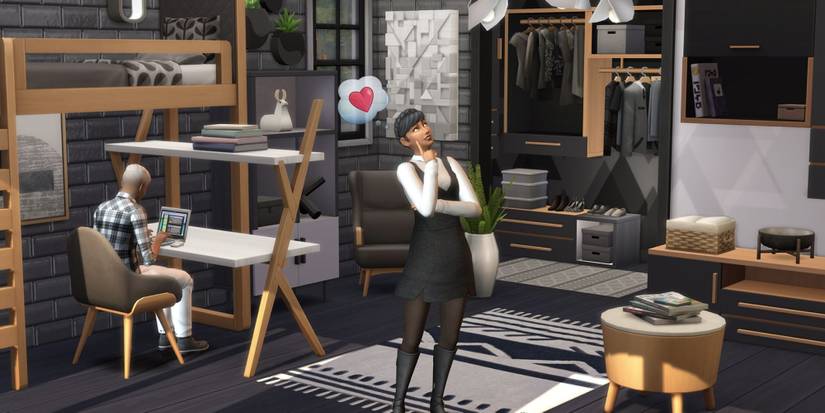
Credit: gamerant.com
Challenges And Rewards
Pursuing a career in interior decorating offers both challenges and rewards. Navigating client needs and budgets is part of the journey. The creative process brings its own satisfaction.
Interior decorators balance these aspects to create beautiful spaces. They turn visions into reality while handling diverse client expectations.
Managing Client Expectations
Understanding what clients want is crucial for decorators. They must listen carefully and communicate effectively. This ensures client satisfaction and project success.
- Ask questions to clarify client needs
- Provide realistic timelines for project completion
- Offer options that match the client’s style
Budget Constraints
Working within a budget is a common challenge for decorators. They need to be resourceful to achieve desired results without overspending.
| Strategy | Benefit |
| Repurpose existing furniture | Save money and resources |
| Use cost-effective materials | Maintain quality on a budget |
| Prioritize key design elements | Maximize impact with minimal cost |
Creative Fulfillment
Decorators find joy in the creative process. They transform spaces and express their artistic vision. This is a rewarding aspect of their career.
Frequently Asked Questions
What Skills Are Essential For An Interior Decorator Career?
An interior decorator needs creativity, communication, and attention to detail. Knowledge of design principles and color theory is vital. Strong project management and client interaction skills also boost success in this career.
How To Become A Professional Interior Decorator?
Typically, a degree or diploma in interior design is required. Gaining experience through internships or apprenticeships helps build a portfolio. Certification and continuous learning enhance credibility and job prospects.
What Is The Job Outlook For Interior Decorators?
The demand for interior decorators is growing steadily due to increased interest in personalized spaces. Opportunities exist in residential, commercial, and hospitality sectors. Freelancing and consulting options also expand career possibilities.
How Much Does An Interior Decorator Earn Annually?
Average salaries vary by location and experience. Entry-level decorators may earn around $40,000, while experienced professionals can make $70,000 or more. Freelancers’ incomes depend on project volume and client budgets.
Conclusion
A career as an interior decorator offers creativity and growth. You get to design spaces that feel warm and inviting. Skills like color choice and space planning matter most. Building a strong portfolio helps attract clients. Stay open to learning new trends and techniques.
This path suits those who love art and design. It can bring both joy and steady work. Think about your passion and start small projects today. Success grows step by step, with patience and hard work.







