
Looking to add extra space for your gear? Installing a roof rack on your car is the perfect solution.
Whether you need to carry bikes, luggage, or camping equipment, a roof rack makes your trips easier and more organized. But how do you choose the right one and install it without hassle? You’ll discover simple steps to get your roof rack ready quickly and safely.
Keep reading, and you’ll be ready to hit the road with confidence and plenty of room for everything you need.
Choosing The Right Roof Rack
Installing a roof rack on your car can help carry extra gear. Choosing the right one makes loading easier and safer. This guide covers key points to think about before buying.
Look at the types of roof racks, your car’s compatibility, and weight limits. These factors affect how well the roof rack works for you.
Types Of Roof Racks
There are different roof racks designed for various uses. Pick one that fits your needs and style of travel.
- Raised Rail Racks:Attach to raised rails on the car roof. Easy to install and remove.
- Flush Rail Racks:Mount to flush rails that sit close to the roof. Offer a sleek look.
- Fixed Point Racks:Use built-in mounting points on the roof. Provide strong support.
- Bare Roof Racks:Fit cars without rails or mounting points. Clamp directly onto the roof edges.
Compatibility With Your Car
Check your car’s roof design before choosing a rack. Not all racks fit every vehicle. Confirm if your car has rails, fixed points, or a bare roof.
| Car Roof Type | Rack Compatibility |
| Raised Rails | Raised Rail Racks |
| Flush Rails | Flush Rail Racks |
| Fixed Mounting Points | Fixed Point Racks |
| No Rails or Points | Bare Roof Racks |
Weight Capacity Considerations
Every roof rack has a weight limit. Follow this limit to avoid damage and keep safe driving. Consider both the rack and your car roof’s capacity.
- Find the maximum weight the roof rack supports.
- Check your car roof’s maximum load in the owner’s manual.
- Use the lower of the two limits as your safe weight limit.
- Include the weight of the rack itself when calculating load.
Gathering Necessary Tools
Installing a roof rack on your car requires some tools. Getting the right tools helps the job go smoothly.
Before you start, prepare everything you need. This saves time and keeps you safe.
Basic Tools Needed
You will need some basic tools to install the roof rack. These tools help you attach the rack securely.
- Screwdriver (Phillips and flathead)
- Socket wrench set
- Measuring tape
- Allen wrench set (if required by the rack)
- Rubber mallet (to avoid damage)
- Cleaning cloth
Safety Gear Recommendations
Safety gear protects you during the installation. Always use safety equipment to avoid injuries.
- Work gloves to protect your hands
- Safety glasses to protect your eyes
- Non-slip shoes to prevent falls
- Long sleeves to avoid scratches
Preparing Your Car
Before installing a roof rack, it’s important to prepare your car. This ensures a safe and secure fit for your roof rack.
Preparation involves cleaning the roof and checking its condition. These steps help prevent damage and ensure stability.
Cleaning The Roof Surface
Start by washing the roof of your car. This removes dirt and debris that might scratch the surface.
Use a soft cloth or sponge with mild soap. Rinse thoroughly to avoid any soap residue.
- Wash with mild soap and water
- Use a soft cloth or sponge
- Rinse completely to remove soap
Checking Roof Condition
Inspect the roof for any dents, rust, or damage. These can affect the installation of the roof rack.
Check for loose or damaged roof trim. Ensure that all parts are secure before proceeding.
- Look for dents or rust
- Check roof trim for damages
- Ensure all parts are tightly secured
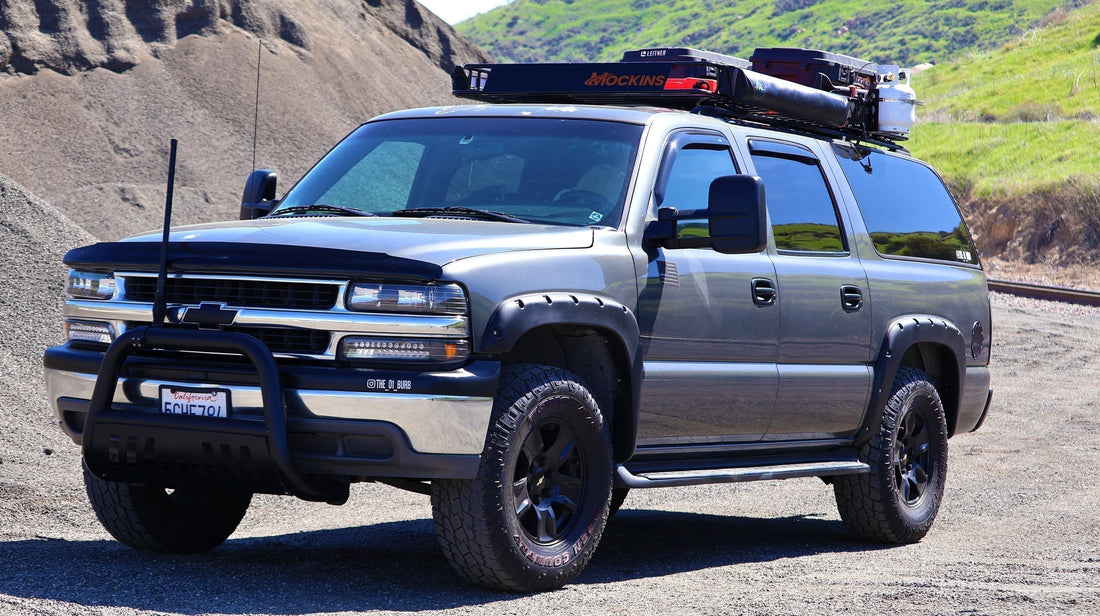
Credit: mockins.com
Installing The Roof Rack
Installing a roof rack on your car helps carry extra gear safely. Follow simple steps to set it up correctly.
Make sure to position, attach, and secure the rack well. This will keep your items stable during travel.
Positioning The Rack
Place the roof rack on your car roof carefully. Check the manual for the best position to avoid damage.
- Align the rack with the roof rails or mounting points.
- Leave enough space between the rack and the car edges.
- Center the rack to balance the load evenly.
- Ensure the rack does not block the sunroof or antenna.
Attaching Mounting Hardware
Use the mounting hardware included with your roof rack. Attach it firmly to the car roof or rails.
| Hardware Part | Purpose | Tip |
| Clamps | Hold rack to roof rails | Tighten evenly on both sides |
| Bolts and Screws | Secure rack frame | Use a wrench for firm tightening |
| Rubber Pads | Protect car paint | Place under clamps and brackets |
Securing The Rack Properly
Check all parts of the roof rack to secure it properly. Tighten all fasteners and test the rack’s stability.
- Double-check all bolts and clamps for tightness.
- Shake the rack gently to test for movement.
- Adjust and retighten if you notice any looseness.
- Check the rack again after the first short drive.
Testing Stability And Safety
Installing a roof rack on your car is useful for carrying extra luggage. Testing the stability and safety of your roof rack is crucial before hitting the road.
This guide will help you ensure your roof rack is secure and safe to use.
Tightness Check
Make sure the roof rack is tightly secured to the car. Loose fittings can cause accidents.
- Inspect all bolts and screws for tightness.
- Use a torque wrench for accurate tightening.
- Ensure the brackets are firmly attached.
Load Test Tips
Load testing ensures the roof rack can handle the weight you plan to carry. Always test with caution.
Use the following table to guide your load test:
| Weight (kg) | Test Method |
| Up to 50 | Manual pressure test |
| 50-100 | Use sandbags to simulate load |
| Over 100 | Professional inspection recommended |

Credit: www.youtube.com
Maintaining Your Roof Rack
Keeping your roof rack in good shape helps it last longer. Regular care makes sure it stays safe and strong.
Check your roof rack often and clean it to avoid damage and rust. This guide shows how to maintain it well.
Regular Inspection
Look over your roof rack every few weeks. Check for loose bolts, cracks, or worn parts. Tighten screws if needed.
- Check all screws and bolts for tightness.
- Look for any rust or corrosion spots.
- Inspect the rack for cracks or bends.
- Make sure the rack is firmly attached to the car.
- Test the locks and straps for proper function.
Cleaning And Care
Clean your roof rack after trips or exposure to dirt and salt. Use mild soap and water to avoid damage.
| Cleaning Tip | Reason |
| Use soft cloth or sponge | Prevents scratches on the rack surface |
| Rinse with clean water | Removes soap and dirt completely |
| Dry with towel | Stops rust and water spots |
| Apply lubricant to locks | Keeps locks working smoothly |
| Store indoors if possible | Protects from weather damage |
Maximizing Roof Rack Use
Installing a roof rack adds extra space to your car. It helps carry big or heavy items outside the vehicle.
Using the roof rack well makes travel easier. It keeps your car organized and safe on the road.
Popular Accessories
Many accessories fit on roof racks to hold different items. These tools help keep your load secure and balanced.
Common accessories include cargo boxes, bike carriers, and kayak mounts. Each accessory suits a specific need.
- Cargo boxes protect luggage from weather
- Bike carriers hold one or more bikes safely
- Kayak mounts keep watercraft stable during travel
- Roof baskets provide open space for odd-shaped items
- Straps and tie-downs secure loose loads
Packing Tips For Different Loads
Pack items on your roof rack carefully. Different loads need different packing methods to stay safe.
Distribute weight evenly. Heavy items go in the center to keep balance. Use straps to stop movement.
- For luggage, use cargo boxes and secure with straps
- For bikes, lock wheels and frame to the carrier
- For kayaks, place them hull down and use soft padding
- For bulky items, tie them tight with ratchet straps
- Check all attachments before driving

Credit: www.youtube.com
Frequently Asked Questions
How Do I Install A Roof Rack On My Car?
To install a roof rack, first check your car’s roof type. Use the correct mounting kit and follow the manufacturer’s instructions carefully. Securely tighten all bolts and straps to ensure safety. Always test the rack’s stability before loading any cargo.
What Tools Are Needed For Roof Rack Installation?
Common tools include a wrench, screwdriver, measuring tape, and sometimes a drill. Some roof racks come with specialized tools. Always read the installation guide. Having the right tools ensures a secure and damage-free setup.
Can I Install A Roof Rack Without Drilling?
Yes, many modern roof racks use clamp or track systems that avoid drilling. These racks attach securely to existing roof rails or door frames. Check your vehicle’s compatibility for a no-drill option. This method preserves your car’s finish.
How Much Weight Can A Roof Rack Carry?
Weight limits vary by rack and car model but generally range from 75 to 150 pounds. Always consult your roof rack’s manual and your car’s owner guide. Overloading can damage your vehicle and cause safety hazards.
Conclusion
Installing a roof rack on your car adds valuable space for trips. It helps carry bikes, luggage, or gear safely and easily. Choose the right rack to fit your vehicle well. Follow the instructions carefully for a secure fit. Regularly check the rack to keep it tight and safe.
A roof rack makes travel more convenient and fun. Now, you can carry more without crowding your car’s inside. Simple steps lead to great results and more freedom on the road.







