
When you’re working on your car, safety should always come first. Have you ever thought about what keeps your vehicle from rolling while you’re repairing it?
That’s where wheel chocks come in. These simple tools might seem small and unimportant, but they play a huge role in protecting you and your vehicle during repairs. If you want to avoid accidents and make your car repair process smoother, understanding the importance of wheel chocks is a must.
Keep reading to discover how these little devices can make a big difference in your safety and peace of mind.

Credit: www.sgs-engineering.com
Role Of Wheel Chocks
Wheel chocks are simple tools used to stop vehicles from moving. They hold wheels firmly in place during car repairs.
Using wheel chocks is important to keep both the car and mechanic safe while work is done.
Preventing Vehicle Movement
Wheel chocks stop cars from rolling or shifting unexpectedly. This is very important on slopes or uneven ground.
- Place chocks against the wheels on a flat surface.
- Use at least two chocks for extra safety.
- Check that the chocks fit the tire size.
- Ensure the vehicle is in park or neutral with the handbrake on.
Enhancing Repair Safety
Wheel chocks protect mechanics from accidents caused by moving vehicles. They add stability when lifting or working under a car.
| Safety Benefit | Description |
| Prevents Rollaway | Stops the car from rolling off lifts or jacks |
| Improves Stability | Keeps the vehicle steady during repairs |
| Protects Workers | Reduces risk of injury from vehicle movement |
| Supports Lifting Tools | Works with jacks to hold the car safely |

Credit: www.myteeproducts.com
Types Of Wheel Chocks
Wheel chocks keep vehicles safe during repair work. They stop wheels from moving or rolling.
Different types of wheel chocks fit different needs. Each type has its own materials and features.
Rubber Chocks
Rubber chocks are strong and flexible. They grip the ground well and prevent slipping.
These chocks work on many surfaces. They resist weather and damage from use.
- Good for wet or oily floors
- Heavy enough to stay in place
- Soft enough to avoid wheel damage
Plastic Chocks
Plastic chocks are lightweight and easy to carry. They often have a textured surface for grip.
They work well on dry, hard surfaces. Plastic chocks resist rust and some chemicals.
- Usually less expensive than metal
- Good for light to medium vehicles
- Easy to clean and store
Metal Chocks
Metal chocks are very strong and durable. They handle heavy vehicles and tough conditions well.
These chocks may have a rough surface to stop slipping. They can be heavier and harder to move.
- Used for trucks and large vehicles
- Can resist impact and heat
- Require careful handling to avoid damage
Choosing The Right Chocks
Wheel chocks keep vehicles from moving during repairs. Choosing the right chocks is important for safety.
Different factors affect which chocks work best. Knowing these helps you pick the right ones.
Considering Vehicle Weight
Chocks must hold the vehicle’s weight without slipping or breaking. Heavy vehicles need stronger, larger chocks.
- Light cars need small plastic or rubber chocks
- Medium trucks require solid rubber or metal chocks
- Heavy trucks and buses need heavy-duty steel chocks
Surface Compatibility
Choose chocks that work well on the surface where you park. Some chocks grip better on smooth floors, others on rough ground.
| Surface Type | Recommended Chock Material | Notes |
| Concrete or Asphalt | Rubber or Plastic | Good grip and no floor damage |
| Gravel or Dirt | Metal or Heavy Rubber | Resists sliding on loose surfaces |
| Wet or Icy | Metal with spikes or teeth | Extra grip to prevent slipping |
Durability Factors
Durable chocks last longer and keep you safe. Check for weather resistance and strong materials.
- UV resistance to avoid cracking in sunlight
- Waterproof materials to prevent rust or rot
- Impact resistance to handle bumps and drops
- Easy to clean and maintain
Proper Placement Techniques
Wheel chocks keep cars safe during repairs. Placing them right stops cars from moving.
Using correct placement helps prevent accidents and damage. It makes repairs safer for everyone.
Positioning On Inclines
On slopes, place chocks on the downhill side of the wheels. This blocks the car from rolling down.
Make sure the chocks fit snugly against the tires. This adds extra support on uneven ground.
- Use strong chocks made for incline use
- Place chocks tightly against tires
- Check that the car cannot move after placement
Securing Both Sides
Always chock wheels on both sides of the vehicle. This stops the car from rolling forward or backward.
Place chocks on front and back wheels if possible. This gives full protection during repairs.
- Chock front wheels to stop forward roll
- Chock back wheels to stop backward roll
- Double check chocks before starting work
Using Multiple Chocks
Use more than one chock for large or heavy vehicles. This spreads the force and keeps the car stable.
Place pairs of chocks on each wheel for best safety. Extra chocks reduce risk of slipping or shifting.
- Use at least two chocks per wheel if needed
- Place chocks evenly on both sides
- Inspect chocks for wear or damage before use
Common Safety Mistakes
Using wheel chocks is important for safety during car repairs. Many people make common mistakes that can cause accidents.
Knowing these mistakes can help you avoid injuries and keep your car stable while working on it.
Ignoring Wheel Chocks
Some people skip using wheel chocks because they think the parking brake is enough. This is risky because brakes can fail.
Without chocks, the car can roll and cause serious injury or damage.
Improper Placement
Placing wheel chocks in the wrong spot can make them useless. Chocks should be tight against the tire.
Wrong placement can let the car move, leading to accidents during repair.
- Place chocks on the downhill side of the wheel
- Use at least two chocks for extra safety
- Ensure chocks fit the tire size properly
Using Damaged Chocks
Old or cracked wheel chocks may break under pressure. This can fail to stop the car from rolling.
Always check chocks for damage before use. Replace any that show signs of wear.
Maintenance And Inspection
Wheel chocks are essential for car repair safety. They prevent cars from moving during maintenance. Proper maintenance ensures their effectiveness.
Regular inspection of wheel chocks is crucial. This helps identify wear and prolongs their lifespan.
Regular Wear Checks
Check wheel chocks for cracks and wear. Damaged chocks can fail during use.
Inspect them before each use. This ensures they are safe and reliable.
- Examine for visible cracks
- Check for worn edges
- Ensure stability on various surfaces
Cleaning Tips
Keep wheel chocks clean from dirt and grease. Clean surfaces grip better.
Use mild soap and water. Avoid harsh chemicals that could damage them.
- Rinse with water after use
- Dry thoroughly to prevent moisture damage
- Store in a clean area
Storage Recommendations
Store wheel chocks in a dry, cool place. This prevents material degradation.
Avoid direct sunlight exposure. Heat can warp plastic chocks.
- Keep in a designated storage space
- Stack neatly to avoid deformation
- Regularly check storage conditions
Legal And Industry Standards
Wheel chocks are critical in car repair. They prevent accidental vehicle movement. Understanding legal and industry standards is crucial. These standards ensure safety and compliance in repair shops.
Ignoring these standards can lead to accidents. It can also result in legal penalties. Repair shops must be aware of the importance of wheel chocks.
Safety Regulations
Safety regulations require wheel chocks for vehicle repairs. These rules prevent vehicles from rolling. They protect both workers and equipment.
Wheel chocks are essential in specific situations. Regulations may vary by region. It’s important to know local requirements for safety compliance.
- OSHA mandates wheel chocks for parked vehicles
- Local laws might require specific chock types
- Regular inspections ensure chock effectiveness
Compliance Benefits
Compliance with wheel chock standards offers many benefits. It reduces accident risks and enhances workplace safety. Employees feel more secure and productive.
Following regulations can prevent costly fines. It shows commitment to safety. Customers trust compliant repair shops more.
- Reduced liability risks
- Improved employee morale
- Enhanced customer trust
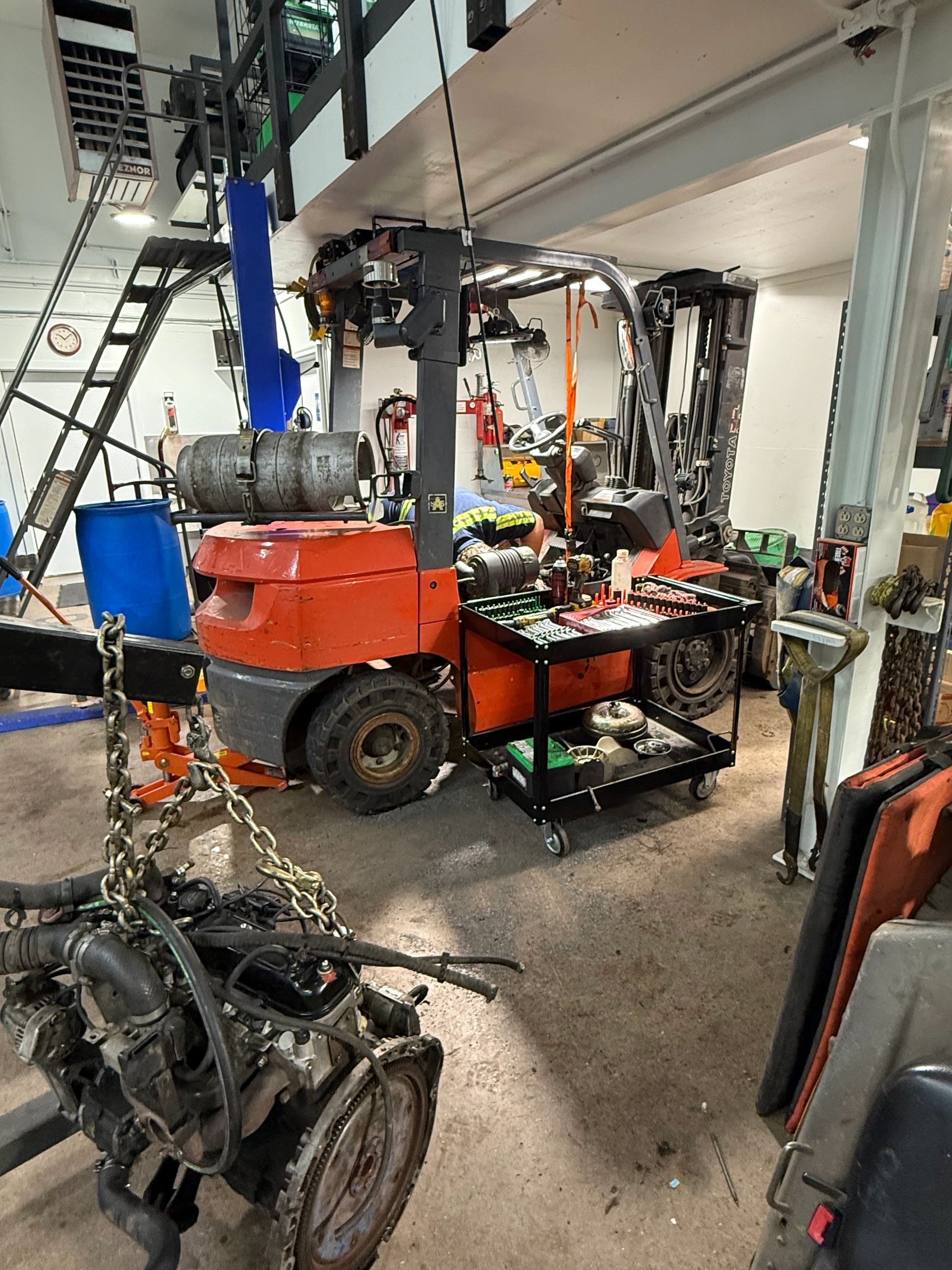
Credit: kintoprepair.com
Frequently Asked Questions
What Are Wheel Chocks And Why Are They Important?
Wheel chocks are wedges placed against vehicle tires to prevent movement. They ensure stability during car repairs and enhance safety by stopping accidental rolling.
How Do Wheel Chocks Improve Car Repair Safety?
Wheel chocks stabilize the vehicle by blocking tire movement. This prevents accidents, providing a secure environment for mechanics and DIYers during repairs.
When Should You Use Wheel Chocks During Car Repairs?
Use wheel chocks whenever a vehicle is lifted or on an incline. They are essential before jack lifting or any undercarriage work for safety.
Can Wheel Chocks Prevent Vehicle Rollaways Effectively?
Yes, wheel chocks are designed to hold vehicles firmly in place. They reduce the risk of rollaways, protecting both the vehicle and people nearby.
Conclusion
Wheel chocks keep your car steady during repairs. They stop the vehicle from moving or rolling. This helps protect you and others nearby. Using wheel chocks is a simple safety step. It prevents accidents and damage to your car. Always place chocks before starting any work.
They are small but very important tools. Remember, safety in car repair starts with stability. Don’t skip this easy step for peace of mind. Stay safe, and keep your repairs smooth and secure.







