
Have you ever noticed those little warning lights glowing on your car’s dashboard and wondered how important they really are? Ignoring them might seem harmless at first, but these lights are actually your car’s way of talking to you—alerting you to issues that could affect your safety and wallet.
Understanding what these warning lights mean can save you from unexpected breakdowns, costly repairs, and even dangerous situations on the road. Keep reading to discover why paying attention to your car’s warning lights is one of the smartest moves you can make every time you drive.
.png?t=1510869631279&width=684&height=1711&name=Vehicle%20Warning%20Lights%20(1).png)
Credit: noelins.com
Types Of Warning Lights
Warning lights on a car’s dashboard help drivers know when something needs attention. They show problems with the engine, brakes, battery, and more.
Understanding these lights can keep you safe and prevent costly repairs. Each light has a different meaning and color to show its importance.
Engine Warning Signals
Engine warning lights indicate issues with the engine or emissions system. The most common is the check engine light. It can mean many things from a loose gas cap to serious engine trouble.
Brake System Alerts
Brake warning lights show problems with the brake system. This includes low brake fluid or worn brake pads. If this light comes on, you should stop driving soon and check the brakes.
Battery And Electrical Indicators
Battery lights warn about the car’s charging system. This means the battery is not charging properly. Electrical system issues can cause this light to turn on as well.
Tire Pressure Warnings
Tire pressure lights alert you when tire pressure is too low. Proper tire pressure is important for safety and fuel efficiency. These lights often look like an exclamation mark inside a tire shape.
- Check pressure with a gauge when the light comes on.
- Inflate tires to the recommended level.
- Inspect tires for damage or leaks.
Oil And Fluid Level Lights
Oil and fluid warning lights show when oil or other fluids are low. These lights help protect the engine from damage. Low oil pressure can cause serious engine problems.
| Warning Light | Meaning | Action |
| Oil Pressure | Low oil pressure | Stop car and check oil level |
| Coolant Temperature | Engine overheating | Let engine cool before driving |
| Windshield Washer Fluid | Low washer fluid | Refill washer fluid tank |
Airbag And Safety System Alerts
Airbag and safety system lights warn about problems with airbags or other safety features. If these lights stay on, the airbags may not work in a crash.
Common airbag and safety system warning lights include:
- Airbag malfunction light
- Seatbelt reminder light
- Stability control system alert
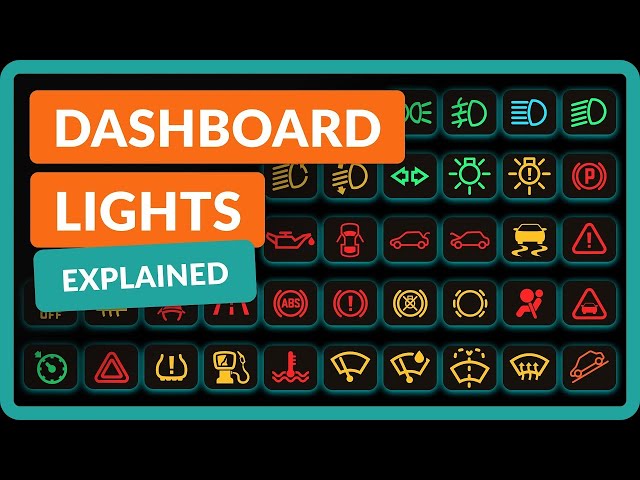
Credit: m.youtube.com
Causes Behind Warning Lights
Warning lights on a car dashboard alert drivers about possible problems. These lights help prevent bigger issues by signaling early trouble. Understanding what causes these warning lights is important for safe driving.
This guide explains common causes behind warning lights. It covers mechanical, electrical, sensor, and maintenance factors that trigger these alerts.
Common Mechanical Issues
Mechanical problems often cause warning lights to turn on. These include engine troubles, brake system faults, and transmission problems. Such issues affect the car’s performance and safety.
Electrical System Failures
Electrical failures can trigger warning lights too. Problems like battery issues, alternator failure, or wiring faults can cause electrical malfunctions. These failures affect the car’s power and control systems.
- Dead or weak battery
- Faulty alternator
- Damaged wiring or connectors
- Blown fuses
Sensor Malfunctions
Sensors monitor many parts of the car. If a sensor fails, it can send wrong signals to the car’s computer. This often turns on warning lights even if the problem is small or false.
| Sensor Type | Possible Issue | Warning Light |
| Oxygen Sensor | Faulty readings | Check Engine |
| ABS Sensor | Wheel speed error | ABS Light |
| Oil Pressure Sensor | Low oil pressure | Oil Warning |
| Coolant Temperature Sensor | Overheating | Temperature Warning |
Maintenance And Wear Factors
Regular wear and lack of maintenance cause some warning lights. Low fluid levels, worn brake pads, or old filters trigger alerts. Routine checks help avoid these problems and keep the car healthy.
Common maintenance-related causes include:
- Low engine oil or coolant
- Worn brake components
- Dirty air or fuel filters
- Expired spark plugs
Safety Risks Of Ignoring Alerts
Warning lights on your car are important signals. They tell you when something needs attention. Ignoring these alerts can lead to serious safety problems.
Drivers should pay close attention to warning lights. Acting quickly can prevent accidents and keep the car running well.
Potential Accident Hazards
Ignoring warning lights can cause accidents. Some lights warn about brake failure or engine trouble. These issues make driving unsafe.
For example, a brake warning light means your brakes might not work well. If you ignore it, you risk losing control of your car.
- Brake system failures can cause crashes
- Engine problems may lead to sudden stops
- Warning lights help avoid dangerous situations
Vehicle Damage Consequences
Warning lights also protect your car from damage. Lights for oil pressure or engine temperature show problems early. Ignoring them can break parts.
Driving with these issues can cause the engine or other parts to fail. The damage can be costly and sometimes irreversible.
- Low oil pressure can ruin the engine
- High engine temperature can cause overheating
- Ignoring alerts worsens mechanical damage
Increased Repair Costs
Ignoring warning lights can lead to expensive repairs. Small problems grow bigger without quick fixes. This increases the cost of repairs.
Fixing a minor issue early saves money. Waiting can cause more damage and higher bills. It is smart to check warning lights right away.
- Early repair stops small problems from growing
- Delays cause bigger and costlier damage
- Regular attention lowers overall repair costs
Credit: www.vertumotors.com
Responding To Warning Lights
Warning lights on your car dashboard show important information. They alert you to issues that need attention.
Knowing how to respond to these lights can keep you safe and save your car from damage.
Immediate Actions To Take
When a warning light turns on, check what it means right away. Some lights need quick action.
- Safely pull over to the side of the road.
- Turn off the engine if the light shows a serious problem.
- Check the car manual for the warning light’s meaning.
- Look for signs like smoke, strange noises, or smells.
- Do not ignore red warning lights; they signal urgent issues.
When To Seek Professional Help
If a warning light stays on after you restart the car, visit a mechanic. Some problems need expert care.
Also, if your car drives differently or you hear strange sounds, get help soon. Professionals have tools to find hidden issues.
Using Diagnostic Tools
Many cars work with diagnostic tools that read warning light codes. These tools tell what part of the car has a problem.
| Tool | Purpose |
|---|---|
| OBD-II Scanner | Reads engine and emission codes |
| Code Reader | Shows simple fault codes |
| Professional Diagnostic | Detailed car system analysis |
Preventive Measures
Warning lights on your car alert you to potential problems. Paying attention to these lights helps you avoid serious damage. Taking preventive steps keeps your car safe and reliable.
Regular checks and maintenance reduce the chance of sudden breakdowns. Knowing what to do when warning lights appear can save time and money.
Regular Vehicle Maintenance
Routine maintenance is key to preventing warning lights from appearing. Change oil, filters, and belts as recommended. Keep your car clean and inspect parts regularly.
Monitoring Fluid Levels
Fluids keep your car parts working well. Check the oil, brake fluid, coolant, and transmission fluid often. Low or dirty fluids can trigger warning lights.
- Check engine oil level monthly
- Inspect brake fluid before long trips
- Top up coolant in hot weather
- Replace fluids according to the manual
Checking Tire Pressure
Proper tire pressure improves safety and fuel efficiency. Low pressure can cause warning lights and poor handling. Use a gauge to check tires monthly.
| Tire Pressure Range | Recommended PSI |
| Front Tires | 30-35 PSI |
| Rear Tires | 32-36 PSI |
| Spare Tire | 60 PSI |
Updating Vehicle Software
Modern cars use software to control many functions. Outdated software may cause warning lights to show. Visit your dealer or use a trusted app to update your car’s system.
Regular software updates fix bugs and improve performance.
They help your car detect problems early and alert you correctly.
Technology Advancements In Warning Systems
Car warning lights alert drivers to issues in their vehicles. Technology advancements improve these systems. They make driving safer and more convenient.
Modern cars have smart systems. These systems detect problems early. They help prevent accidents and breakdowns.
Smart Sensors And Alerts
Smart sensors monitor car functions. They check engine performance, tire pressure, and fluid levels. If something is wrong, they alert the driver.
These alerts are visual and audible. Drivers can see warning lights on the dashboard. This helps them take action quickly.
- Engine sensors detect unusual noises
- Tire sensors alert low pressure
- Fluid sensors warn when levels are low
Integration With Mobile Apps
Many cars connect to mobile apps. These apps give real-time updates. They notify drivers of issues even when not in the car.
Drivers can schedule maintenance through the app. It also helps them find nearby repair shops. This saves time and keeps cars running well.
- Receive alerts on your phone
- Track maintenance schedules
- Locate service centers easily
Future Trends In Vehicle Safety
Future cars will have more advanced warning systems. These systems will use artificial intelligence. They will predict problems before they happen.
Automated driving features will also improve safety. Cars will communicate with each other to avoid accidents. This technology will make roads safer for everyone.
- AI predicts mechanical issues
- Cars communicate to prevent collisions
- Improved automated driving features
Frequently Asked Questions
What Do Car Warning Lights Indicate?
Car warning lights signal the vehicle’s system status. They alert drivers to maintenance needs or possible malfunctions. Recognizing these lights helps prevent breakdowns and costly repairs. Ignoring warning lights may compromise safety and vehicle performance.
Why Are Warning Lights Important For Car Safety?
Warning lights provide early alerts for potential hazards. They notify drivers about engine, brake, or airbag issues. Timely response to these signals ensures safer driving conditions. Ignoring them increases the risk of accidents or vehicle damage.
How Often Should I Check My Car’s Warning Lights?
You should check warning lights every time you start your car. Regular monitoring helps detect problems early. Prompt action based on warning lights maintains vehicle health and safety. Never ignore a persistent or flashing warning light.
Can I Drive With A Warning Light On?
Driving with a warning light on depends on the light type. Some indicate urgent issues requiring immediate attention. Others may signal minor maintenance tasks. Always consult your vehicle manual or a mechanic before continuing to drive.
Conclusion
Warning lights keep drivers safe by showing car problems early. They help avoid big repairs and accidents. Paying attention saves money and time. Knowing what each light means improves driving confidence. Stay alert and check your car often. Small signals can prevent major issues.
Trust these lights to protect you on the road. Don’t ignore them; act quickly when they appear. Your car talks to you through these lights. Listen carefully to stay safe and sound.







