
Have you ever noticed tiny cuts or scrapes on your tire’s sidewall and wondered if they really matter? Your tire’s sidewall is more than just the outer edge—it’s a vital part that protects you on every drive.
Ignoring sidewall damage can lead to unexpected flats or even dangerous blowouts. Understanding the importance of tire sidewall protection can save you money, keep you safe, and extend the life of your tires. Keep reading to discover how protecting your tire’s sidewalls can make a big difference in your driving experience.
Role Of Tire Sidewalls
Tire sidewalls are the outer parts of a tire that connect the tread to the wheel rim. They protect the tire from damage and help support the weight of the vehicle.
Strong sidewalls improve safety and extend tire life by resisting cuts and impacts. They also affect how the tire handles on the road.
Materials And Construction
Tire sidewalls are made from rubber mixed with fabrics and other materials. These materials give strength and flexibility.
Layers of fabric, called plies, are inside the sidewall. These plies help the tire keep its shape and resist damage.
- Rubber provides flexibility and grip
- Fabric plies add strength and support
- Steel belts inside improve durability
Impact On Vehicle Performance
The sidewall affects ride comfort and handling. Softer sidewalls absorb bumps for a smoother ride.
Stiffer sidewalls improve cornering and stability but may feel rough. The right balance helps control and safety.
- Supports the tire shape under load
- Influences steering response
- Helps absorb road shocks

Credit: www.promotorsservice.com
Common Sidewall Damage
Tire sidewalls are vulnerable to damage from road hazards and driving conditions. Damage can cause serious safety issues.
Understanding common sidewall damage helps drivers protect their tires and avoid costly repairs.
Causes Of Sidewall Cuts And Bulges
Sidewall cuts often happen when tires hit sharp objects like glass or metal. Bulges form when the inner tire layers break from impact.
- Hitting curbs or potholes too hard
- Driving over sharp debris on the road
- Underinflated tires causing extra flex
- Exposure to harsh chemicals or heat
- Improper tire mounting or damage during installation
Effects On Tire Integrity
Damage to the sidewall weakens the tire’s structure and can cause sudden failure. Bulges show the tire’s internal cords are broken.
| Type of Damage | Effect on Tire | Risk Level |
| Cut | Exposes inner layers, reduces strength | High |
| Bulge | Internal cord damage, possible blowout | Critical |
| Crack | Surface weakness, leads to leaks | Medium |
| Abrasion | Wears outer rubber, reduces lifespan | Low |
Benefits Of Sidewall Protection
Tire sidewall protection adds a strong layer of defense to your tires. It helps keep tires safe from damage caused by rough roads and sharp objects.
Many drivers find sidewall protection useful for lasting longer on tough surfaces. This makes it a smart choice for anyone who drives often or on challenging routes.
Enhanced Durability
Sidewall protection shields tires from cuts, scrapes, and punctures. This helps tires last longer and stay strong under stress.
- Reduces sidewall tears from curbs and rocks
- Prevents cracks from repeated impacts
- Keeps tire shape intact for better performance
Improved Safety
Protecting the tire sidewall means fewer tire failures on the road. This lowers the chance of accidents caused by sudden blowouts.
| Safety Benefit | Description |
|---|---|
| Reduced Blowouts | Sidewall protection helps avoid sudden tire bursts. |
| Better Handling | Strong sidewalls keep the tire stable during turns. |
| Improved Grip | Protective layers maintain tire contact with the road. |
Cost Savings
Sidewall protection lowers the chance of tire damage. This means fewer repairs and replacements over time.
- Spend less on tire repairs due to fewer damages
- Extend tire life and delay buying new tires
- Save money on roadside assistance and emergencies
Types Of Sidewall Protectors
Tire sidewalls face damage from curbs, rocks, and road debris. Protecting them extends tire life and improves safety.
Different types of sidewall protectors offer varying levels of defense. Understanding these can help you choose the best option.
Physical Guards
Physical guards are added layers or devices attached to the tire sidewall. They act as a shield against cuts and scrapes.
- Sidewall protector strips made of rubber or plastic
- Metal or plastic rim protectors that guard the edge
- Bead protectors that support the tire edges
- External tire chains providing extra toughness
Protective Coatings
Protective coatings are chemical layers applied to the tire sidewall. They help resist abrasion, UV rays, and moisture.
| Coating Type | Main Benefit | Application |
| Polyurethane | Strong abrasion resistance | Spray or brush |
| Silicone-based | UV and water protection | Spray |
| Rubberized | Added flexibility and toughness | Brush or dip |
Reinforced Tire Designs
Some tires come with built-in sidewall reinforcement. These designs use stronger materials inside the tire structure.
Common reinforced designs include:
- Kevlar or aramid fiber layers
- Extra rubber thickness in sidewalls
- Special tread patterns to reduce side damage
Maintenance Tips For Sidewall Safety
Tire sidewalls need care to keep your vehicle safe. Damage to sidewalls can cause tire failure. Regular maintenance helps prevent accidents.
Use simple checks and good habits to protect your tire sidewalls. These tips will help extend tire life and keep you safe on the road.
Regular Inspections
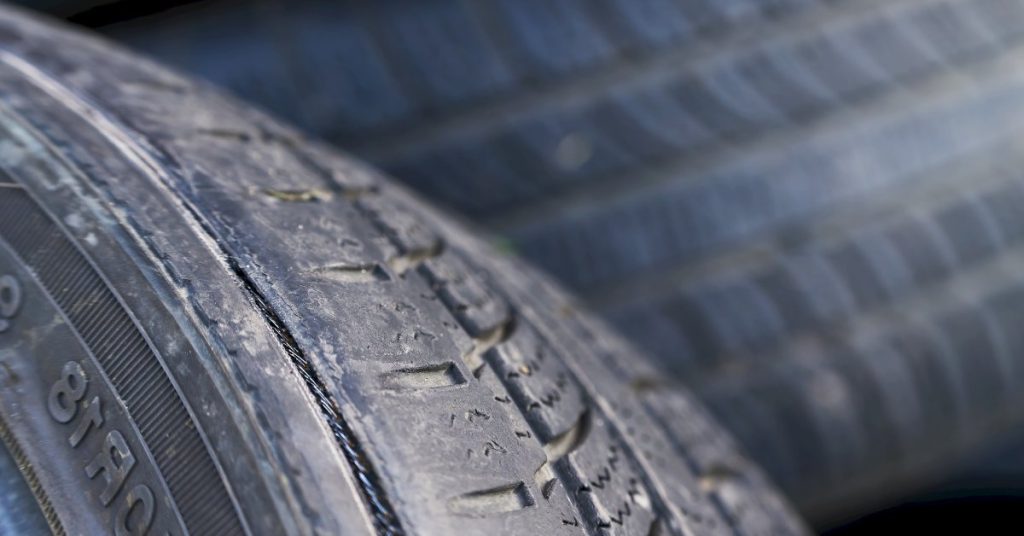
Look at your tire sidewalls often. Check for cracks, cuts, bubbles, or bulges. These signs mean the tire may be weak. Replace tires with damage to avoid blowouts.
- Inspect tires before trips
- Check sidewalls for any damage or wear
- Use a flashlight to see small cracks
- Listen for unusual sounds while driving
Proper Inflation
Keep tires inflated to the pressure recommended by the vehicle maker. Low pressure can cause sidewall damage from flexing. Too much pressure can make sidewalls brittle.
| Inflation Level | Effect on Sidewalls |
| Underinflated | More flexing, sidewall stress |
| Properly inflated | Even pressure, longer tire life |
| Overinflated | Harder sidewalls, risk of cracking |
Avoiding Hazardous Conditions
Sidewalls can get damaged by curbs, potholes, and road debris. Drive carefully to avoid these hazards. Slow down on rough roads to reduce impact on tires.
- Do not hit curbs or sharp objects
- Avoid potholes and rough patches
- Park away from sharp edges
- Use tire protectors if available
Credit: rnrtires.com
Choosing The Right Tires
Picking the right tires is vital for safe and smooth driving. The sidewall of a tire plays a key role in its durability and protection.
Understanding tire sidewall ratings can help you make informed choices. This ensures your tires meet your driving needs.
Sidewall Strength Ratings
Sidewall strength is crucial for tire performance. It affects how well a tire can handle tough conditions.
- Load Rating: Indicates how much weight a tire can support.
- Speed Rating: Shows the maximum speed a tire can handle safely.
- Ply Rating: Refers to the number of layers in the tire, impacting strength.
Matching Tires To Driving Needs
Tires should match your driving style and conditions. This ensures safety and efficiency on the road.
| Driving Condition | Recommended Tire Type |
| Off-Road | All-Terrain Tires |
| Wet Roads | Rain Tires |
| City Driving | All-Season Tires |

Credit: jdxauto.com
Frequently Asked Questions
What Is Tire Sidewall Protection?
Tire sidewall protection strengthens the tire’s sidewalls against cuts and abrasions. It prevents damage from curbs, rocks, and rough terrain, enhancing tire durability and safety. This feature extends tire life and reduces the risk of blowouts, ensuring a smoother and safer driving experience.
How Does Sidewall Protection Improve Tire Lifespan?
Sidewall protection reduces damage caused by impacts and abrasions. It reinforces weak points in the tire’s structure, preventing premature wear and tear. As a result, tires last longer and maintain performance, saving money on frequent replacements and improving vehicle safety over time.
Are Tires With Sidewall Protection More Expensive?
Tires with sidewall protection typically cost slightly more due to enhanced materials and design. However, the added durability often saves money by reducing tire damage and replacement frequency. Investing in these tires can be cost-effective for drivers frequently encountering rough roads or urban obstacles.
Can Sidewall Protection Prevent Tire Blowouts?
Yes, sidewall protection helps prevent blowouts by strengthening vulnerable tire areas. It minimizes punctures and cuts that could cause sudden tire failure. While it doesn’t eliminate all risks, it significantly enhances tire resilience, contributing to safer driving conditions.
Conclusion
Tire sidewall protection keeps your tires safe from damage. It helps avoid costly repairs and tire replacements. Strong sidewalls improve driving safety on rough roads. Sidewall protection also extends the tire’s life. This saves money and reduces stress on long trips.
Choosing tires with good sidewall protection is a smart choice. It gives peace of mind and better performance. Don’t ignore this important part of your tires. Safe driving starts with strong, protected tires.







