
Before you hit the road for your next trip, have you thought about the safety of your tires? Your tires are the only part of your vehicle touching the road, making their condition crucial for a smooth and safe drive.
Ignoring a simple tire safety check can lead to unexpected breakdowns, accidents, or costly repairs. You’ll discover why checking your tires matters more than you might think and how a few quick steps can protect you, your passengers, and your journey.
Keep reading to learn how to avoid road trip nightmares and drive with confidence.
Credit: www.carsome.my
Why Tire Safety Matters
Tires are the only part of your vehicle touching the road. Their condition affects your driving experience. Checking tire safety before road trips keeps you safe and your vehicle running well.
Ignoring tire safety can cause problems like poor handling or accidents. It also affects how far you can drive on fuel. Let’s explore why tire safety is important.
Impact On Vehicle Performance
Good tires improve how your vehicle handles on the road. Properly inflated and undamaged tires give better traction and control. This helps you steer and stop safely.
- Proper tire pressure keeps the ride smooth.
- Good tread prevents slipping on wet roads.
- Even tire wear improves stability.
- Balanced tires reduce vibrations.
Role In Accident Prevention
Safe tires reduce the risk of accidents. Worn or damaged tires can cause blowouts or loss of control. Checking tires means spotting issues early and fixing them.
| Risk Factor | Effect |
|---|---|
| Low tire pressure | Longer stopping distance |
| Worn tread | Less grip on wet or icy roads |
| Cracks or bulges | Tire blowout risk |
| Uneven wear | Vehicle pulls to one side |
Fuel Efficiency Benefits
Proper tire care helps save fuel. Under-inflated tires create more resistance. Your engine works harder and uses more gas.
Tips to improve fuel efficiency with tire care:
- Check tire pressure monthly.
- Keep tires inflated to the recommended level.
- Replace tires when the tread is low.
- Get tires balanced and aligned regularly.
Credit: www.thenationalnews.com
Key Tire Inspection Areas
Checking your tires before a road trip is very important. It helps keep you safe on the road.
Knowing what to look for in your tires can prevent accidents and save money on repairs.
Tread Depth And Wear Patterns
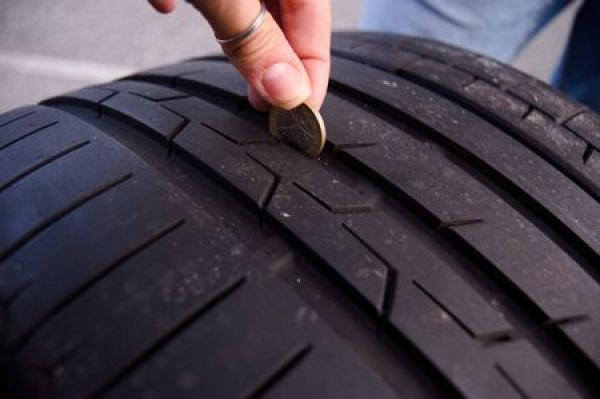
Tread depth shows how much life your tires have left. Good tread helps your car grip the road.
Uneven wear can mean problems with alignment or suspension. Check for bald spots or uneven areas.
- Use a tread depth gauge or a coin to check depth
- Look for smooth or shiny spots on the tire
- Uneven wear may need a mechanic’s attention
Checking Tire Pressure
Proper tire pressure helps your car drive safely and saves fuel. Low or high pressure causes problems.
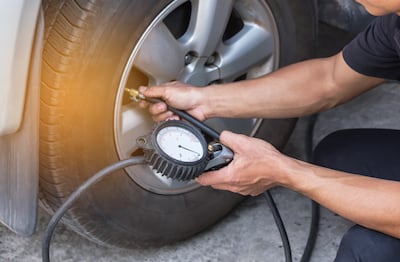
Check tire pressure when tires are cold. Use a reliable pressure gauge for best results.
- Find recommended pressure in your car manual or door sticker
- Check all tires, including the spare
- Adjust pressure to the recommended level
Examining Sidewalls For Damage
Sidewalls must be free from cuts, cracks, or bulges. Damage here can cause tire failure.
Look closely for any bubbles or deep scratches. These signs mean the tire is unsafe.
- Check entire sidewall surface for damage
- Do not drive on tires with bulges or deep cuts
- Replace damaged tires immediately
Assessing Tire Age
Tire rubber wears out over time, even if tires look fine. Old tires are more likely to fail.
Check the tire’s manufacture date on the sidewall. Tires older than six years should be replaced.
- Find the DOT code on the tire sidewall
- Last four digits show week and year made (e.g., 2318 means 23rd week of 2018)
- Replace tires older than six years regardless of condition
Tools For Tire Checks
Tire safety checks help keep you safe on the road. Knowing the right tools makes checking easier.
This guide covers three key tools to check your tires before a trip. Each tool helps spot problems early.
Using A Tread Depth Gauge
A tread depth gauge measures how much tread is left on your tires. This shows if tires are worn out.
- Insert the gauge into the tire tread grooves.
- Press the gauge’s base flat on the tire surface.
- Read the measurement on the scale.
- Replace tires if tread depth is below 2/32 inch.
Pressure Gauges Options
Pressure gauges check if your tires have the right air pressure. Proper pressure improves safety and fuel use.
| Type | Features | Use |
| Analog Gauge | Simple dial, no batteries | Good for quick checks |
| Digital Gauge | Easy to read, precise numbers | Best for accuracy |
| Stick Gauge | Compact, affordable | Portable for travel |
Visual Inspection Techniques
Visual checks help find cracks, bulges, or objects stuck in tires. These signs mean you need repairs or replacements.
- Look for cuts or punctures on the tire surface.
- Check for uneven wear across the tread.
- Inspect sidewalls for bulges or cracks.
- Remove any stones or debris lodged in grooves.
- Check that tires are clean and dry for a clear view.
When To Replace Tires
Tires are very important for safe driving. Checking them before road trips helps avoid problems.
Knowing when to replace tires keeps you safe on the road. Watch for signs that tires need changing.
Signs Of Excessive Wear
Tires wear down over time. Look at the tread to see if it is too thin.
If the tread depth is less than 2/32 inch, replace the tire. Worn tread can cause slipping.
- Uneven tread wear means tire may be damaged
- Bald spots reduce grip on the road
- Low tread increases risk in wet conditions
Cracks And Bulges
Check tires for cracks on the sidewalls. Cracks show that the rubber is weak.
Bulges or bubbles mean tire damage inside. These can cause a sudden blowout.
- Cracks can grow and cause tire failure
- Bulges appear when the tire hits a hard object
- Replace tires immediately if you see bulges
Manufacturer’s Recommendations
Tire makers give advice on how long tires last. Check your tire’s age and mileage limits.
Most tires should be replaced after six years, even if they look fine. Age weakens rubber.
| Factor | Recommendation |
|---|---|
| Maximum age | 6 years from manufacture date |
| Maximum mileage | Usually 50,000 to 70,000 miles |
| Check manufacture date | Look at DOT code on tire sidewall |
Preparing Tires For Long Trips
Tire safety is very important before a road trip. Proper tire care helps avoid accidents and delays.
Checking your tires ensures a smooth and safe drive for long distances.
Proper Inflation Tips
Check tire pressure before your trip. Tires lose air over time and underinflate easily.
Use a tire gauge to get the exact pressure. Inflate tires to the recommended level.
- Check pressure when tires are cold
- Follow vehicle manufacturer’s pressure guide
- Do not overinflate or underinflate tires
Balancing And Alignment
Balanced tires prevent uneven wear and vibration. Misaligned tires cause poor handling.
Get your tires balanced and aligned before a long trip. This improves safety and tire life.
- Visit a mechanic for professional balancing
- Check wheel alignment regularly
- Fix any pulling or shaking issues quickly
Packing A Spare Tire Kit
Always carry a spare tire kit on road trips. It helps in case of a flat tire emergency.
A good kit includes a spare tire, jack, lug wrench, and tire pressure gauge.
- Check spare tire condition before packing
- Make sure the jack and tools work well
- Know how to change a tire safely
Common Tire Issues On Road Trips
Tire safety checks are crucial before road trips. They prevent accidents and ensure a smooth journey. Many problems can arise if tires are not in good condition.
Understanding common tire issues can help you prepare. Knowing how to handle these issues can save time and keep you safe.
Handling Blowouts
A blowout occurs when a tire bursts while driving. It can be scary and dangerous. Stay calm and keep a firm grip on the wheel.
- Do not slam on brakes
- Gently steer to a safe area
- Turn on hazard lights
- Change the tire if you can
- Call for help if needed
Dealing With Punctures
Punctures are common and can lead to flat tires. They happen when sharp objects pierce the tire. Check for nails, glass, or other debris.
| Solution | Tools Needed |
| Use a tire repair kit | Sealant, air pump |
| Change to a spare tire | Jack, lug wrench |
| Visit a tire shop | Professional service |
Managing Uneven Wear
Uneven tire wear can reduce tire life and affect handling. Rotate your tires regularly to avoid this. Check tire pressure monthly.
Safety Habits For Tire Maintenance
Ensuring your tires are in good condition is vital before any road trip. Proper tire maintenance keeps you safe and extends tire life.
Developing a routine for tire care can prevent accidents and save money. Here are some habits to adopt for safe travels.
Regular Tire Rotations
Rotating your tires helps them wear evenly. This improves handling and extends tire life.
- Rotate tires every 5,000 to 8,000 miles.
- Follow your vehicle’s rotation pattern.
- Check your owner’s manual for guidance.
Scheduled Inspections
Regular inspections catch potential tire issues early. This keeps your trips smooth and safe.
| Inspection Type | Frequency |
| Tread Depth | Monthly |
| Air Pressure | Every Trip |
| Visual Damage Check | Monthly |
Professional Tire Services
Professionals can spot issues you might miss. They ensure your tires are road-ready.

Credit: www.carsales.com.au
Frequently Asked Questions
Why Is Tire Safety Check Crucial Before Road Trips?
Tire safety checks prevent accidents caused by blowouts or poor traction. Properly checked tires ensure better control, fuel efficiency, and a safer journey.
How Often Should I Inspect Tires Before Traveling?
Inspect tires before every long trip and monthly for regular use. Check tread depth, pressure, and look for damage or uneven wear.
What Are The Key Tire Issues To Look For?
Look for low tire pressure, worn-out tread, cracks, bulges, and punctures. Addressing these problems reduces the risk of tire failure on the road.
Can Tire Problems Affect Fuel Efficiency?
Yes, underinflated or damaged tires increase rolling resistance. This causes your vehicle to consume more fuel, raising travel costs unnecessarily.
Conclusion
Tire safety checks keep you safe on every road trip. They help prevent accidents caused by tire problems. Checking tire pressure, tread, and damage is quick and easy. Small steps save big troubles later. A well-maintained tire improves fuel efficiency and driving comfort.
Never skip this simple task before you travel. Peace of mind starts with safe tires. Drive smart, arrive safely, and enjoy your journey.







