
Have you ever wondered why your tires wear out unevenly or why your car doesn’t feel as smooth on the road over time? The secret to keeping your ride safe, smooth, and long-lasting lies in one simple habit: rotating your tires every 5,000 miles.
This small step can save you money, improve fuel efficiency, and boost your car’s performance. Keep reading to discover exactly why tire rotation is crucial and how it can protect your investment every time you hit the road.
Why Rotate Tires Regularly
Tire rotation means moving tires from one position to another.
Doing this every 5,000 miles helps your tires last longer.
Even Tire Wear Benefits
Rotating tires keeps the wear spread evenly on all tires.
- Front tires wear faster due to steering and braking.
- Rear tires may wear differently from front tires.
- Rotation balances out the wear on all tires.
- Even wear prevents early tire replacement.
Improved Vehicle Performance
Regular rotation helps your car drive smoothly and efficiently.
| Benefit | Effect on Vehicle |
| Balanced traction | Smoother handling and control |
| Better fuel economy | Less rolling resistance |
| Reduced vibration | More comfortable ride |
Enhanced Safety On The Road
Rotating tires helps maintain good traction on wet or dry roads.
- Prevents tire blowouts by avoiding uneven wear.
- Improves braking distance and control.
- Reduces risk of tire failure during driving.
Credit: www.hyundai-forums.com
Optimal Rotation Interval
Tire rotation is an important part of car maintenance. It helps your tires wear evenly. Rotating tires every 5000 miles is a good rule to follow.
This interval keeps your tires in good shape. It improves safety and can save money on tire replacements.
Why 5000 Miles Works
Tires wear differently depending on their position. Front tires often wear faster. Rotating every 5000 miles balances this wear.
This distance is short enough to catch uneven wear early. It helps tires last longer and perform better.
- Keeps tire wear even on all four tires
- Prevents premature tire damage
- Maintains good traction and handling
Signs You Need A Rotation
Sometimes tires show signs of uneven wear before 5000 miles. Check your tires often to catch these signs early.
Look for these signs to know when to rotate your tires:
- One tire wears more on the inside or outside
- Vibrations or shaking while driving
- Car pulls to one side when driving straight
- Noise coming from the tires
Consequences Of Delaying Rotation
Delaying tire rotation can cause uneven wear. This reduces tire life and can lead to unsafe driving conditions.
It may also cause problems like poor fuel efficiency and bad handling. These issues can cost more money in the long run.
- Shorter tire lifespan
- Increased risk of tire failure
- Decreased fuel economy
- Poor vehicle stability and control
How Rotation Extends Tire Life
Tire rotation means moving tires from one position to another. This helps all tires wear out evenly.
Rotating tires every 5000 miles keeps them lasting longer. It also keeps your car safe and smooth.
Balancing Wear Across Tires
Tires wear differently depending on their position. Front tires usually wear faster than rear tires.
Rotation moves tires to new positions. This balances out the wear on all four tires.
- Front tires handle steering and braking, so they wear more.
- Rear tires wear less but still need attention.
- Rotating spreads wear evenly across all tires.
Preventing Uneven Tread Damage
Uneven tread damage happens when tires wear more on one side. This lowers tire life and safety.
Rotating tires helps prevent this problem. It gives each tire a chance to wear evenly.
- Uneven wear can cause poor traction.
- It can lead to tire vibration and noise.
- Rotation keeps tread depth balanced for better grip.
Impact On Fuel Efficiency
Tires with uneven wear increase rolling resistance. This makes the engine work harder and use more fuel.
Rotating tires reduces resistance by keeping them even. This helps improve fuel efficiency.
- Even tires roll smoother on the road.
- Smoother rolling means less fuel consumption.
- Regular rotation saves money on gas.

Credit: www.daleearnhardtjrbuickgmc.com
Different Rotation Patterns
Tire rotation helps your tires wear evenly. It extends their life and keeps your car safe.
Different cars need different rotation patterns. These patterns depend on the car’s drive type.
Front-wheel Drive Patterns
Front-wheel drive cars have the engine power in the front wheels. This causes front tires to wear faster.
Rotating tires helps balance the wear. It moves tires from front to back and swaps sides.
- Move front tires straight back
- Cross rear tires to the front
- Swap left and right on the rear tires
Rear-wheel Drive Patterns
Rear-wheel drive cars send power to the back wheels. The rear tires wear faster in these cars.
Rotation moves tires to even out wear. It swaps the front tires and crosses the rear tires.
- Move rear tires straight to the front
- Cross front tires to the rear
- Swap left and right on the front tires
All-wheel Drive Patterns
All-wheel drive cars use power to all wheels. This causes all tires to wear evenly but still need rotation.
Rotation patterns for all-wheel drive swap tires diagonally. This helps keep even tread wear.
- Move front left tire to rear right
- Move front right tire to rear left
- Move rear tires straight to the front
Diy Vs Professional Rotation
Tire rotation every 5000 miles keeps your tires wearing evenly. It helps your car drive safely and last longer. You can do this yourself or hire a professional mechanic.
Choosing between DIY and professional rotation depends on your tools, skills, and budget. Both options have benefits and things to consider.
Tools Needed For Diy
Doing your own tire rotation needs some basic tools. These tools help you lift the car and remove the tires safely.
- Car jack and jack stands
- Lug wrench or impact wrench
- Tire pressure gauge
- Work gloves for safety
- Wheel chocks to prevent rolling
Having these tools ready makes the job easier and safer. Always follow your car’s manual for lifting points.
When To Visit A Mechanic
Visit a mechanic if you lack the right tools or experience. Mechanics also check tires for damage and balance.
Choose a professional if you notice uneven tire wear or unusual noises. They can spot hidden issues you might miss.
- Without proper tools or space
- If tires are hard to remove
- When you want a full tire inspection
- If you feel unsure about the process
Cost Comparison
DIY rotation saves money but costs time and effort. You only pay for tools if you don’t have them already.
Professional rotation costs vary but usually range between $20 and $50. This includes inspection and balancing.
| Type | Cost | Notes |
|---|---|---|
| DIY Rotation | Low (tools cost) | One-time tool purchase |
| Professional Rotation | $20 – $50 per service | Includes inspection and balancing |
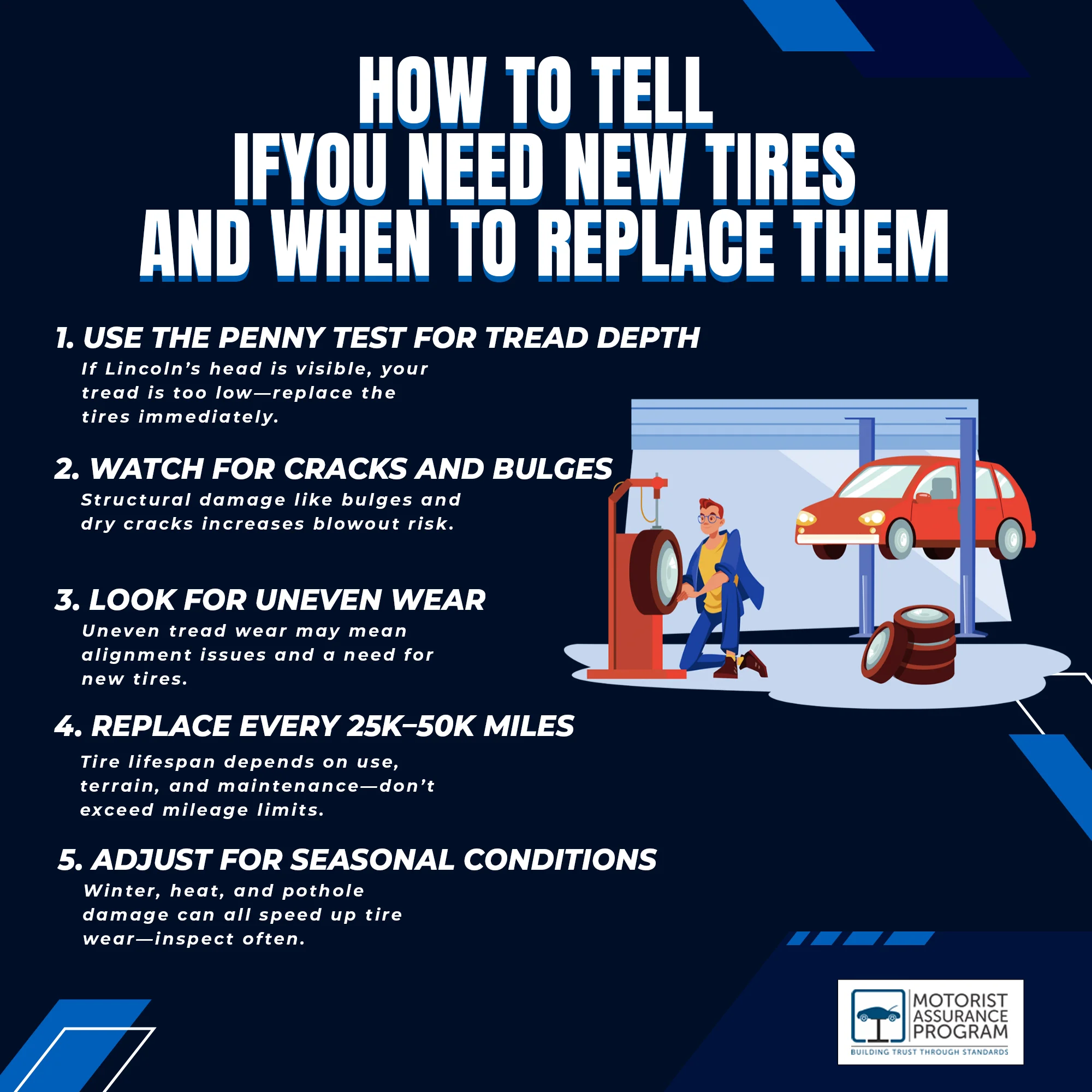
Credit: motorist.org
Additional Tire Maintenance Tips
Tire rotation every 5000 miles is vital for your vehicle’s performance. Regular maintenance extends tire life and improves safety.
Besides rotation, there are other important tire care practices. These ensure your tires perform well and last longer.
Proper Tire Inflation
Keeping your tires at the correct pressure is essential. It reduces wear and improves fuel efficiency.
- Check tire pressure monthly
- Use a reliable pressure gauge
- Refer to your vehicle’s manual for correct PSI
Regular Tire Inspections
Inspections help catch issues early. Look for signs of damage or uneven wear.
| Inspection Task | Frequency |
| Check tread depth | Monthly |
| Look for cracks or cuts | Monthly |
| Inspect for punctures | Monthly |
Balancing And Alignment
Balancing and alignment keep your drive smooth. They prevent uneven tire wear and improve handling.
Frequently Asked Questions
Why Is Tire Rotation Important Every 5000 Miles?
Tire rotation ensures even tire wear and extends tire life. It improves vehicle handling and fuel efficiency. Rotating tires every 5000 miles prevents uneven tread wear and enhances safety on the road.
What Happens If I Skip Tire Rotation?
Skipping tire rotation causes uneven tire wear. This leads to reduced traction and poor handling. Tires may wear out faster, increasing replacement costs. It also affects fuel efficiency and vehicle safety.
How Does Tire Rotation Improve Fuel Efficiency?
Even tire wear reduces rolling resistance, helping the engine run efficiently. Properly rotated tires maintain better traction and balance. This results in smoother rides and improved gas mileage, saving you money on fuel.
Can Tire Rotation Prevent Tire Damage?
Yes, regular tire rotation helps detect issues early. It balances wear, preventing premature tire damage or blowouts. Rotated tires maintain optimal tread depth, improving grip and safety. This extends tire life and avoids costly repairs.
Conclusion
Rotating tires every 5000 miles keeps them wearing evenly. It helps your car drive smoothly and safely. Tires last longer, saving money on replacements. Your fuel efficiency can improve with proper tire care. Regular rotation also prevents unexpected tire damage.
Small effort, big benefits for your vehicle. Don’t skip this easy step for better performance. Keep your tires in good shape and drive with confidence. Simple maintenance leads to safer roads and fewer problems.







