
Before you hit the road for a long trip, there’s one simple step that can save you from unexpected trouble: checking your tires. You might think a quick glance is enough, but a detailed tire inspection can protect you from delays, costly repairs, and even dangerous accidents.
Your safety and peace of mind depend on it. Keep reading to discover why tire inspection isn’t just a routine task—it’s a crucial part of preparing for a smooth, worry-free journey.
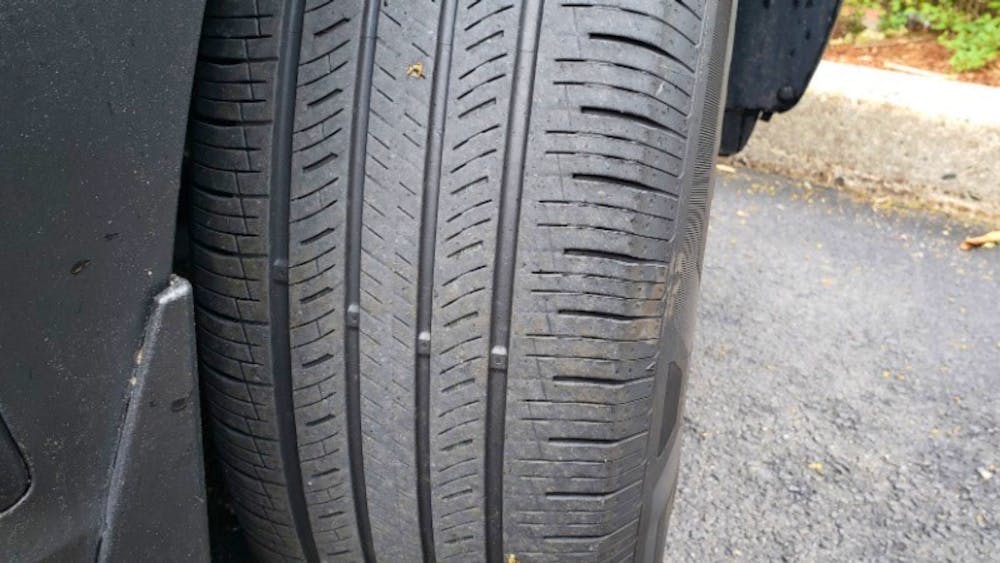
Credit: www.cartalk.com
Why Tire Inspection Matters
Tire inspection is important before long trips. It helps keep you safe on the road. Checking tires can stop problems early.
Many accidents happen because tires fail. A quick check can save lives and money. It only takes a few minutes.
Safety Risks Of Neglecting Tires
Ignoring tire checks raises safety risks. Worn or damaged tires can cause accidents. They reduce control and increase stopping distance.
- Tire blowouts can lead to loss of control.
- Low tread depth reduces grip on wet roads.
- Uneven tires cause poor steering response.
- Underinflated tires overheat and may fail.
Cost Implications Of Tire Failures
Tire failures can be expensive. They cause damage to your vehicle and may lead to fines. Repairs and replacements cost more than regular checks.
| Cost Type | Potential Expense |
| Tire Replacement | $400 – $1000 |
| Vehicle Repair | $500 – $3000 |
| Accident Fines | $100 – $500 |
| Medical Bills | Varies |
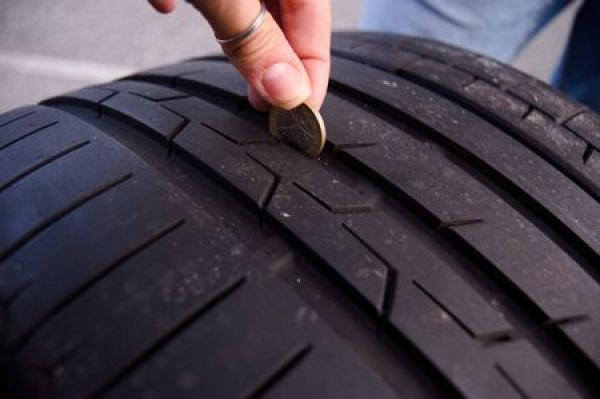
Credit: www.carsome.my
Key Areas To Check
Checking your tires before a long trip helps keep you safe. It can stop problems on the road.
Look closely at certain parts of the tire. These parts show if your tires are ready for the trip.
Tread Depth And Wear Patterns
Tread depth shows how much life is left in your tires. Shallow treads reduce grip on the road.
Wear patterns tell if tires wear evenly. Uneven wear can cause handling problems and tire damage.
- Check if tread is at least 2/32 inch deep
- Look for bald spots or uneven wear
- Uneven wear may mean wheel alignment issues
Tire Pressure Accuracy
Tire pressure affects fuel use and tire life. Too low or too high pressure can be dangerous.
Use a tire gauge to check pressure. Follow the car maker’s recommended pressure levels.
- Check pressure when tires are cold
- Adjust pressure to the recommended level
- Do not rely on the car’s warning light alone
Sidewall Condition
Look at the tire sidewalls for cracks, cuts, or bulges. These can cause tire failure.
Damaged sidewalls weaken the tire. Replace tires that show signs of sidewall damage.
- Check for cracks or dry rot
- Look for bubbles or bulges
- Avoid tires with deep cuts or tears
Valve Stem And Cap
The valve stem lets air in and out of the tire. A damaged stem can cause air leaks.
Make sure the valve cap is on. It protects the valve from dirt and moisture.
- Check for cracks or damage on the valve stem
- Ensure the valve cap is present and tight
- Replace damaged valve stems promptly
Tools For Effective Inspection
Inspecting your tires before a long trip is important for safety. Using the right tools helps find problems early.
Good tools make checking tire condition quick and accurate. This keeps you safe on the road.
Tread Depth Gauge
A tread depth gauge measures how much tread is left on your tires. Tread helps your car grip the road.
Shallow tread can cause slipping and loss of control. Use the gauge to check if the tread is deep enough.
- Place the gauge in the tire grooves
- Read the measurement on the gauge
- Replace tires if tread is below the safe limit
Pressure Gauge
A pressure gauge helps check tire air pressure. Proper pressure improves fuel efficiency and tire life.
Low or high pressure can cause uneven wear or blowouts. Use the gauge to keep pressure at the recommended level.
- Remove the valve cap from the tire
- Press the gauge onto the valve stem
- Read and compare the pressure to the car manual
Visual Inspection Techniques
Visual inspection helps find cracks, bulges, or objects stuck in tires. These issues can cause tire failure.
Look closely at all sides of the tire and the tread area. Check for uneven wear and damage.
- Check for cuts, punctures, or nails
- Look for cracks in the sidewall
- Notice bulges or blisters on the tire surface
- Inspect for uneven tread wear patterns
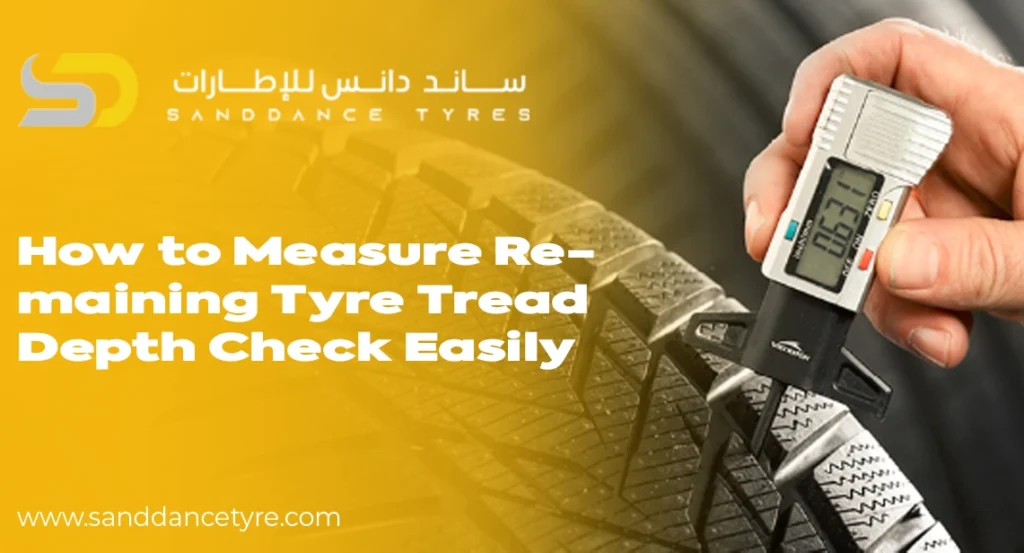
Credit: sanddancetyre.com
Timing Your Tire Check
Checking your tires at the right time keeps you safe on the road. Tires wear out and lose air pressure. This can cause accidents on long trips.
Regular tire checks help you avoid flat tires and improve fuel efficiency. Knowing when to check tires is important for every driver.
Before The Trip
Always inspect your tires before starting a long trip. Look for signs of damage like cracks or cuts. Check the tire pressure with a gauge. Proper pressure ensures better control and safety.
Make sure the tire tread is deep enough. Worn-out tread can cause slipping on wet roads. Replace any tires that look weak or damaged before you leave.
During Long Drives
Stop regularly to check your tires on long trips. Heat and road conditions can change tire pressure. If you feel vibrations or pulling, check for issues immediately.
Look for nails, stones, or other objects stuck in the tires. Remove debris to prevent slow leaks. Keep a tire pressure gauge handy to monitor pressure during stops.
- Check tire pressure every 100 miles
- Look for uneven wear or damage
- Listen for unusual sounds from tires
After Harsh Weather
Check your tires after driving in harsh weather like heavy rain or snow. Water and ice can hide damage or cracks. Cold weather lowers tire pressure, so refill air if needed.
Inspect tires for cuts or worn tread caused by rough roads. Harsh weather can speed up tire wear. Regular checks help you keep tires safe and reliable.
Common Tire Issues To Spot
Checking your tires before a long trip is very important. It helps keep you safe on the road.
Some tire problems are easy to miss but can cause big trouble. Learn what to look for.
Bulges And Cracks
Bulges appear when the tire’s inner layers break. This makes the tire weak and unsafe.
Cracks form over time from heat, age, or bad road conditions. They can cause air leaks.
- Bulges look like bubbles on the tire surface
- Cracks can be small or large on the sidewall or tread
- Both need immediate attention to avoid tire failure
Uneven Wear
Uneven wear happens when tires lose tread more in some areas. This affects driving safety.
It can be caused by bad alignment, wrong tire pressure, or worn parts on the car.
- Check if the tread is deeper on one side
- Look for smooth or bald spots on the tire
- Fixing alignment and pressure stops uneven wear
Embedded Objects
Small objects like nails or stones can get stuck in tires. They can cause slow leaks.
Remove objects carefully and check for holes or damage before your trip.
- Look closely at the tread and sidewalls
- Remove stones or debris stuck in grooves
- Get a professional to fix holes if needed
Benefits Of Regular Tire Maintenance
Regular tire maintenance is crucial for a safe and efficient driving experience. It ensures your vehicle performs well on long trips.
Checking your tires before a journey can prevent unexpected issues. Let’s explore why tire inspection is important.
Enhanced Fuel Efficiency
Properly maintained tires can improve your vehicle’s fuel efficiency. Inflated tires reduce rolling resistance, saving fuel.
- Check tire pressure monthly
- Ensure even tread wear
- Avoid over-inflation
Extended Tire Lifespan
Regular inspections extend the life of your tires. This saves money and reduces waste.
| Maintenance Task | Frequency |
| Rotate Tires | Every 6,000 miles |
| Balance Tires | As needed |
| Check Alignment | Yearly |
Improved Vehicle Handling
Well-maintained tires improve handling and safety. They provide better traction and stability on the road.
Frequently Asked Questions
Why Is Tire Inspection Crucial Before Long Trips?
Tire inspection ensures safety by preventing blowouts and accidents. It helps detect wear, pressure issues, and damage early. Properly inspected tires improve fuel efficiency and vehicle handling, making your trip smoother and safer.
How Often Should I Check My Tires Before Travel?
Check your tires at least once before any long trip. Regular checks are recommended monthly and before every long journey. This practice reduces risks and enhances tire performance on the road.
What Tire Problems Can Cause During Long Trips?
Worn-out tread, low pressure, and punctures can lead to blowouts or loss of control. These issues increase accident risks and vehicle breakdowns. Identifying problems early prevents costly repairs and unsafe driving conditions.
How Do I Inspect Tire Pressure Correctly?
Use a reliable tire pressure gauge when tires are cold. Compare readings to the manufacturer’s recommended pressure found in the owner’s manual or door jamb. Proper pressure improves safety, tire life, and fuel economy.
Conclusion
Tire inspection keeps you safe on long trips. It helps avoid flat tires and accidents. Checking tire pressure and tread saves time and money. Tires in good shape improve fuel efficiency. A quick tire check prevents road troubles. Drive with confidence by inspecting tires first.
Safety starts with simple steps like tire care. Don’t skip tire checks before your next journey. Your trip will be smoother and worry-free. Stay prepared, stay safe on the road.







