
You just got new tires, and you’re excited to hit the road. But have you thought about what comes next?
Tire balancing after replacement is not something to skip. It affects your safety, your car’s performance, and even your wallet. Imagine driving with a smooth, steady ride instead of feeling every bump and vibration. Wouldn’t that be better? You’ll discover why tire balancing matters and how it keeps your car running at its best.
Keep reading to protect your investment and enjoy every mile you drive.

Credit: venustruckshop.com
Why Tire Balancing Matters
Tire balancing is important after you get new tires. It helps your car drive smoothly and safely. Without it, you can feel shaking or vibrations.
Balancing spreads the tire’s weight evenly around the wheel. This stops uneven forces that can cause problems on the road.
Impact On Vehicle Stability
Proper tire balancing keeps your car steady. It helps the tires grip the road better. This improves control and handling, especially at high speeds.
- Reduces vibrations in the steering wheel
- Prevents wobbling or shaking while driving
- Makes braking smoother and safer
- Improves overall driving comfort
Effects On Tire Wear
When tires are not balanced, they wear out faster. Uneven wear can cause bald spots or flat patches. This lowers the tire’s life and safety.
| Balanced Tires | Unbalanced Tires |
|---|---|
| Even wear across the tread | Uneven wear, causing rough patches |
| Longer tire lifespan | Shorter tire lifespan |
| Better road grip | Poor traction and risk of slipping |
Influence On Fuel Efficiency
Balanced tires reduce drag and rolling resistance. This helps your car use less fuel. Unbalanced tires make the engine work harder and waste fuel.
- Reduces uneven tire friction
- Improves smooth tire rotation
- Helps maintain steady speed
- Decreases engine strain
Signs Of Unbalanced Tires
After getting new tires, balancing them is very important. Unbalanced tires cause problems while driving. You can notice signs that show your tires need balancing.
Watching for these signs helps keep your car safe and your tires last longer. Here are the main signs to look for.
Steering Wheel Vibrations
If your steering wheel shakes or vibrates while driving, your tires may be unbalanced. The vibration often gets stronger as you speed up. This makes driving uncomfortable and unsafe.
Uneven Tire Wear Patterns
Unbalanced tires wear out unevenly. One part of the tire may wear faster than others. This reduces tire life and can cause damage to your car’s suspension.
| Wear Pattern | Possible Cause |
| Center Wear | Overinflation |
| Edge Wear | Underinflation or misalignment |
| Patchy Wear | Unbalanced tires |
Noise And Handling Issues
Unbalanced tires can make noise when driving. You may hear humming or buzzing sounds. The car may also pull to one side or feel unstable. These issues affect your control and comfort.
- Unusual sounds from tires
- Car pulls left or right
- Steering feels loose or stiff
- Difficulty keeping car straight
When To Balance Tires
Tire balancing is key for a smooth ride. It stops uneven wear and saves your suspension parts. Knowing the right times to balance your tires keeps your car safe and comfortable.
This guide covers three main times to balance tires. These are after tire replacement, following wheel alignment, and during regular maintenance intervals.
After Tire Replacement
New tires often need balancing to avoid vibrations. Balancing after replacement helps the tires wear evenly. It also improves fuel efficiency and handling. Always balance tires when you install new ones.
Following Wheel Alignment
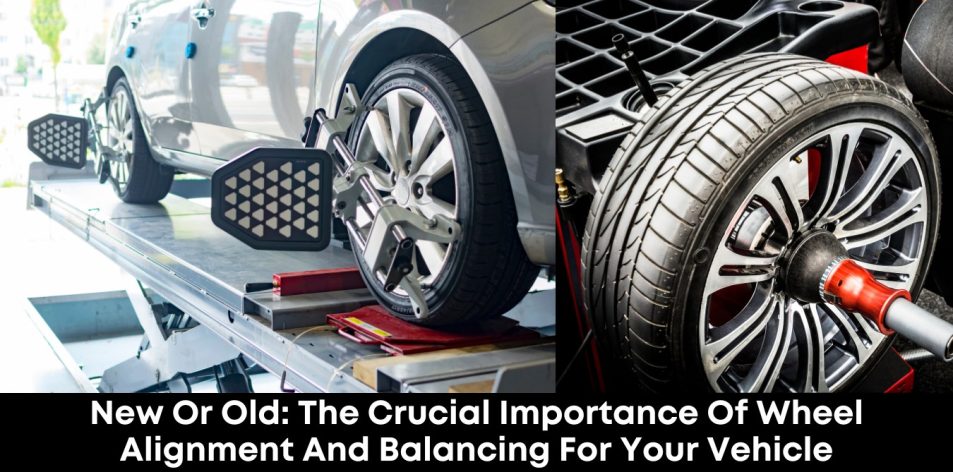
Wheel alignment changes the angle of your tires. This can cause imbalance in the wheels. After alignment, balancing ensures all tires spin smoothly. It reduces steering wheel shake and tire wear.
| Reason | Effect of Balancing |
|---|---|
| Wheel Alignment | Stops vibration and uneven tire wear |
| Tire Replacement | Ensures smooth ride and longer tire life |
| Regular Maintenance | Maintains vehicle stability and comfort |
Regular Maintenance Intervals
Even if you do not replace tires or align wheels, balance them regularly. Checking balance every 5,000 to 7,000 miles helps spot early problems. It keeps your tires and suspension working well.
- Balance tires during tire rotations
- Check balance if you feel vibrations
- Balance before long trips for comfort
Credit: kenya.hsmagazine.digital
Tire Balancing Techniques
Tire balancing is important after you replace tires. It helps your car run smoothly and safely.
Balancing stops vibrations and uneven tire wear. There are different ways to balance tires.
Static Vs Dynamic Balancing
Static balancing fixes weight imbalances on one plane of the wheel. It stops the tire from bouncing up and down.
Dynamic balancing corrects imbalances on two planes. It stops side-to-side wobbling of the tire.
- Static balancing uses one weight position
- Dynamic balancing uses two weight positions
- Dynamic balancing is better for high speeds
Use Of Wheel Weights
Wheel weights balance the tire by adding small weights. They fix heavy spots on the wheel or tire.
Weights can be clipped or stuck on the wheel. They help keep the ride smooth and safe.
- Clip-on weights attach to the rim edge
- Adhesive weights stick inside the rim
- Correct placement is key for balance
Advanced Balancing Technologies
New machines use lasers and sensors to find exact imbalances. These tools improve balancing accuracy.
Some systems use dynamic spin balancing with computer feedback. They reduce vibrations better than older methods.
- Laser measurement for precise weight placement
- Computer spin balancing for dynamic correction
- Automatic weight application in some machines
Safety Benefits Of Proper Balancing
Tire balancing is important after replacing tires. It helps keep your car safe on the road.
Proper balancing stops vibrations and uneven tire wear. This improves how your car drives and handles.
Enhanced Driving Comfort
Balanced tires make your ride smoother. You feel less shaking in the steering wheel and seats.
This comfort helps reduce driver tiredness on long trips. It makes driving more enjoyable and less stressful.
Reduced Risk Of Accidents
When tires are balanced, the car handles better. This means you can control your vehicle well in all conditions.
Good control lowers the chance of losing control and crashing. Balanced tires help keep you and others safe.
Prolonged Tire Life
Proper balancing stops uneven tire wear. Tires last longer and save you money on replacements.
- Reduces tread damage
- Prevents vibrations that cause wear
- Keeps tires in good condition longer
Credit: www.brakemax.com
Diy Vs Professional Balancing
Tire balancing is essential after replacing tires. It ensures a smooth ride and prevents uneven wear. You can balance tires yourself or hire a professional service.
Both options have their pros and cons. This guide helps you decide which is best for you.
Tools Required For Diy
Balancing tires at home needs specific tools. These tools help in balancing tires accurately.
- Jack and jack stands
- Wheel balancer
- Weights for balancing
- Torque wrench
- Chalk or marker
Advantages Of Professional Service
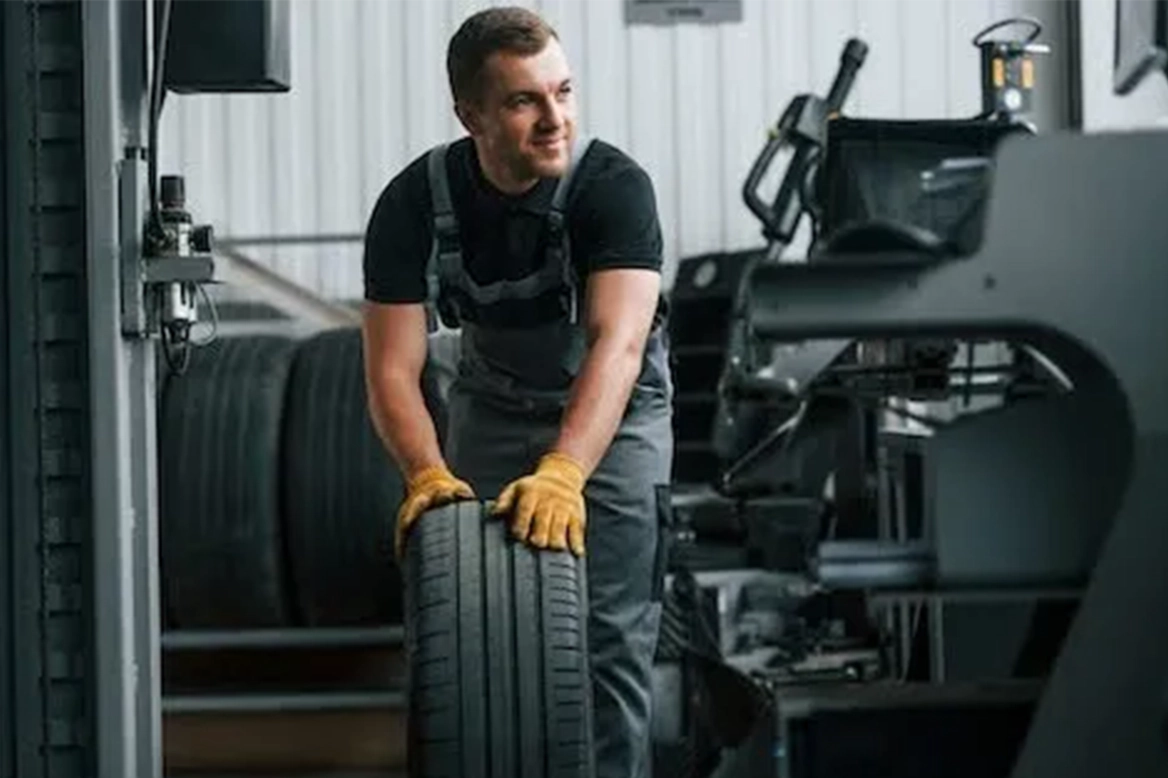
Professional services offer expertise and advanced equipment. They ensure precise balancing.
Technicians have experience and can spot issues quickly. They save time and provide reliable results.
Cost Considerations
DIY balancing can be cheaper if you already have tools. Buying tools can be costly initially.
Professional services have a fee, but they offer convenience. Consider your budget and needs.
| Option | Cost |
| DIY | Low if tools are owned |
| Professional | Service fee applies |
Tips To Maintain Balanced Tires
Keeping your tires balanced is important for a smooth ride. Balanced tires last longer and improve safety on the road.
After replacing tires, follow these tips to maintain their balance. Regular checks help in avoiding unnecessary wear and tear.
Regular Inspections
Check your tires regularly for signs of imbalance. Look for uneven tread wear or vibrations when driving.
It is good to have a professional inspect your tires. They can detect small issues before they become big problems.
Monitoring Tire Pressure
Keep an eye on your tire pressure. Unbalanced pressure affects how your car handles on the road.
Use a tire pressure gauge to check each tire. Make sure they are inflated to the recommended level.
- Check tire pressure monthly
- Use quality pressure gauges
- Adjust pressure as needed
Rotating Tires Periodically
Rotating your tires helps them wear evenly. This keeps them balanced and extends their lifespan.
Follow your vehicle’s manual for rotation patterns. Doing this every 5,000 to 8,000 miles is best.
- Rotate tires every 5,000 miles
- Follow recommended rotation patterns
- Consult a professional if unsure
Frequently Asked Questions
Why Is Tire Balancing Important After Replacement?
Tire balancing ensures even weight distribution around the wheel. It prevents vibrations, improves ride comfort, and extends tire life. After replacement, balancing corrects any weight imbalances caused by the new tire, ensuring smoother and safer driving.
How Often Should Tire Balancing Be Done?
Tire balancing is recommended every 6,000 to 8,000 miles or during every tire replacement. Regular balancing maintains optimal performance, reduces uneven tire wear, and enhances vehicle stability. Always balance tires after replacement for best results.
What Are The Signs Of Unbalanced Tires?
Common signs include steering wheel vibration, uneven tire wear, and pulling to one side. Unbalanced tires can cause discomfort and reduce safety. If you notice these symptoms after tire replacement, balancing should be checked immediately.
Can Unbalanced Tires Affect Fuel Efficiency?
Yes, unbalanced tires cause uneven rolling, increasing rolling resistance. This leads to higher fuel consumption. Proper tire balancing reduces drag and helps improve fuel efficiency, saving money over time.
Conclusion
Tire balancing keeps your ride smooth and safe. It helps prevent uneven tire wear and saves money. You feel less vibration in the steering wheel. Balanced tires improve fuel efficiency and car handling. Always balance tires after replacement for best results.
It protects your suspension and extends tire life. Don’t skip this simple step after new tires. Your car and wallet will thank you. Safe driving starts with balanced tires every time.







