
Have you just had your vehicle’s suspension repaired? If so, there’s one crucial step you can’t afford to miss: tire alignment.
Skipping this can lead to uneven tire wear, poor handling, and even safety risks on the road. Ensuring your tires are properly aligned after suspension work doesn’t just protect your investment—it keeps your driving smooth and secure. Keep reading to find out why tire alignment is so important and how it affects your car’s performance every time you hit the road.
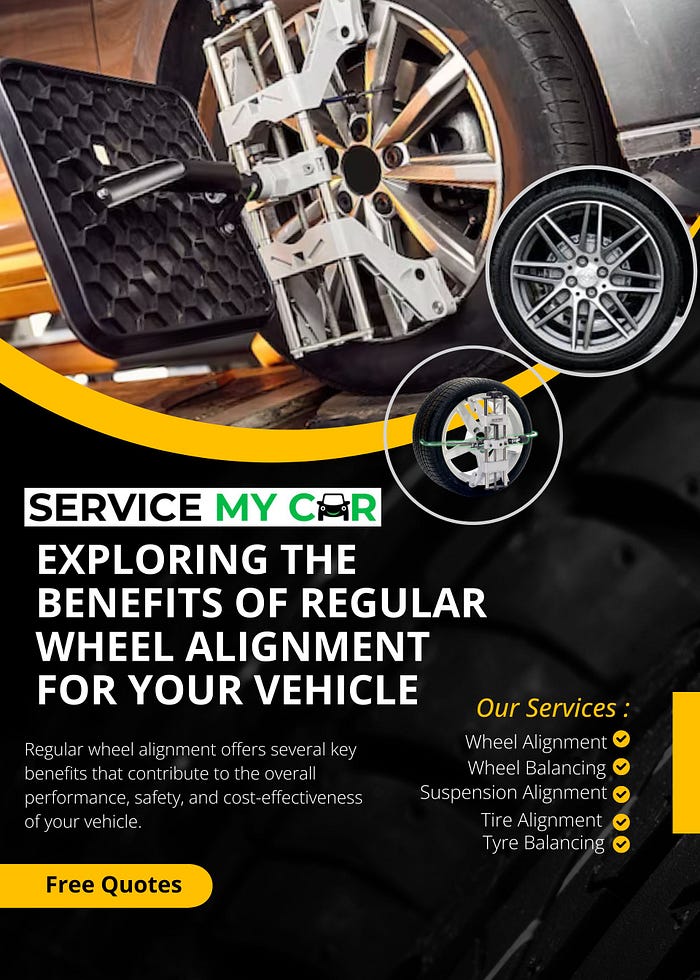
Credit: lor.instructure.com
Tire Alignment Basics
Tire alignment means adjusting the angles of tires to the right position. Proper alignment helps the car drive straight and smooth.
After suspension repair, checking tire alignment is very important. It keeps tires wearing evenly and improves safety on the road.
What Tire Alignment Entails
Tire alignment involves setting three main angles: camber, toe, and caster. These angles control how tires touch the road.
Adjusting these angles helps tires roll correctly. It prevents uneven tire wear and improves handling and fuel efficiency.
- Camber:The tilt of the tire inward or outward from the car.
- Toe:The direction tires point relative to the car’s centerline.
- Caster:The angle of the steering axis viewed from the side.
Connection Between Suspension And Alignment
The suspension holds the tires and controls their movement. If the suspension parts change or get fixed, alignment can shift.
Suspension repair can change the angles of your wheels. Checking alignment after repair keeps your tires in the correct position.
- New suspension parts may move tires out of alignment.
- Misaligned tires cause uneven wear and poor handling.
- Proper alignment after repair helps keep your car safe and comfortable.
Effects Of Suspension Repair On Alignment
Suspension repairs can change the position of your vehicle’s wheels. This affects how the tires touch the road. Proper alignment keeps your car safe and running smoothly.
After fixing suspension parts, the wheels may not line up right. This can cause uneven tire wear and poor handling. Checking alignment after repair is important.
Common Suspension Repairs Impacting Alignment
Some suspension repairs often change wheel alignment. These repairs include replacing or fixing parts that hold or move the wheels. Here are common repairs that impact alignment:
- Replacing control arms
- Changing ball joints
- Fixing tie rods
- Replacing shocks or struts
- Repairing or replacing wheel bearings
Each part affects wheel angle and position. Even small changes can lead to misalignment. It is best to check alignment after these repairs.
Signs Of Misalignment Post-repair
After suspension work, watch for signs that your alignment is off. These signs show if the wheels are not properly aligned.
| Sign | What It Means |
| Uneven tire wear | Tires wear more on one side |
| Vehicle pulling to one side | Car drifts left or right while driving |
| Steering wheel off center | Wheel is not straight when driving straight |
| Vibration in steering | Steering wheel shakes at certain speeds |
| Loose or unstable steering | Steering feels weak or wobbly |
Safety Risks Of Poor Alignment
Tire alignment is key after suspension repair. Poor alignment can cause safety problems. It affects how your vehicle handles and performs.
Ignoring alignment issues can lead to accidents and costly repairs. Understanding these risks helps you stay safe on the road.
Reduced Vehicle Control
Bad alignment makes steering harder. The car may pull to one side or drift while driving.
Reduced control can cause dangerous situations. It is harder to react quickly in emergencies or bad weather.
Increased Tire Wear
Poor alignment causes tires to wear unevenly. This means some parts of the tire get damaged faster.
Uneven tire wear reduces tire life. You will need to replace tires more often, which costs more money.
- Tires wear out on edges or centers
- Frequent tire replacement needed
- Higher risk of tire blowouts
Fuel Efficiency Concerns
Misaligned tires increase rolling resistance. Your engine works harder, using more fuel to move the car.
Lower fuel efficiency means you spend more money on gas. It also increases harmful emissions from your vehicle.
Credit: www.blueskytireandauto.com
Benefits Of Timely Tire Alignment
Tire alignment is important after suspension repair. It helps keep your vehicle safe and smooth on the road.
Proper alignment adjusts the angle of your tires. This makes sure they touch the road evenly and correctly.
Enhanced Driving Stability
Good tire alignment improves your car’s balance. It helps you drive straight and control your vehicle better.
With proper alignment, your tires grip the road well. This reduces the chance of slipping or pulling to one side.
Prolonged Tire Lifespan
When tires align correctly, they wear evenly. This stops one side from wearing out too fast.
Even tire wear means you replace tires less often. This saves money and avoids extra trips to the shop.
- Prevents uneven tread wear
- Reduces risk of tire damage
- Extends the time between replacements
Optimized Fuel Consumption
Misaligned tires cause your engine to work harder. This leads to more fuel use and higher costs.
Proper alignment lowers rolling resistance. This helps your car move easily and saves fuel.
- Lowers fuel expenses
- Reduces carbon emissions
- Improves engine efficiency
When To Schedule Alignment After Repair
Tire alignment is crucial after suspension repair. It ensures your vehicle drives straight and tires wear evenly. Scheduling alignment at the right time helps keep your car safe and smooth.
Many drivers ask when they should get their alignment done after suspension work. This guide covers the best timing and how to pick a trustworthy service center for the job.
Recommended Timing
Alignment should be done soon after suspension repair. Delaying it can cause uneven tire wear and poor handling. It is best to schedule alignment within a short period to protect your tires and suspension.
- Get the alignment checked right after suspension parts are fixed.
- Schedule a follow-up alignment if you notice pulling or vibration.
- Recheck alignment every 6,000 miles or as suggested by your mechanic.
Choosing A Reliable Service Center
Selecting a trusted service center ensures your alignment is done correctly. Look for places with certified technicians and modern equipment. Quality service avoids future problems and costly repairs.
| Factor | What to Look For |
| Technician Certification | ASE or manufacturer training |
| Equipment | Computerized alignment machines |
| Customer Reviews | Positive feedback and ratings |
| Warranty | Service guarantees on alignment |

Credit: thewheelshopinc.com
Diy Checks Vs Professional Alignment
Tire alignment is crucial after suspension repair. Proper alignment ensures your car drives smoothly. It also extends tire life and improves safety.
You can do some basic alignment checks at home. But professional tools give precise results. Let’s explore both options.
Simple Home Inspection Tips
Home checks can reveal obvious alignment issues. Look for uneven tire wear and steering pull.
- Check tire tread for uneven wear patterns.
- Test if the car pulls to one side when driving straight.
- Ensure the steering wheel is centered when driving straight.
Advantages Of Professional Alignment Tools
Professional tools provide accurate alignment. Experts use advanced machines for precise measurements.
| Tool | Benefit |
| Laser alignment machine | High accuracy |
| Computerized system | Detailed diagnostics |
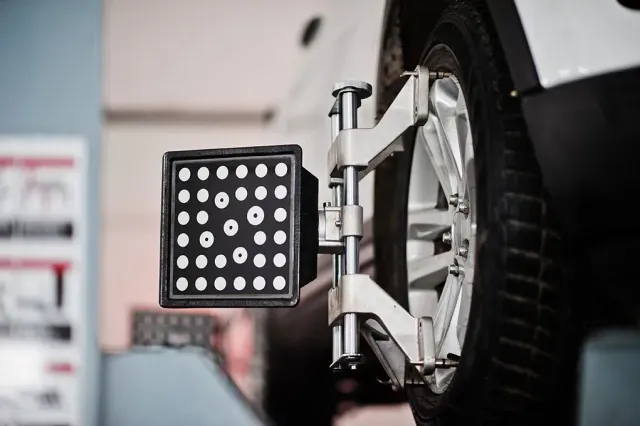
| Specialized clamps | Secure and stable measurements |
Frequently Asked Questions
Why Is Tire Alignment Crucial After Suspension Repair?
Tire alignment ensures proper tire contact with the road. It prevents uneven tire wear and improves vehicle handling after suspension repair. Correct alignment enhances safety and prolongs tire life, saving money on premature replacements.
How Does Suspension Repair Affect Tire Alignment?
Suspension repair can alter wheel angles and alignment settings. Misalignment causes pulling, vibrations, and uneven tire wear. Realigning tires after suspension work restores balance and smooth driving performance.
What Are Signs Of Poor Tire Alignment Post-repair?
Signs include uneven tire wear, vehicle pulling to one side, and steering wheel vibration. These symptoms indicate misalignment, requiring immediate correction to avoid further damage.
Can Skipping Alignment Damage Tires After Suspension Work?
Yes, skipping alignment causes uneven tire wear and reduces tire lifespan. It also affects fuel efficiency and vehicle stability, increasing accident risk. Always get an alignment after suspension repairs.
Conclusion
Tire alignment keeps your car driving straight and smooth. After suspension repair, alignment prevents uneven tire wear. It saves money by extending tire life. Proper alignment improves fuel efficiency and safety on the road. Don’t skip this step after fixing suspension parts.
It helps your vehicle perform its best every time. Simple but important for a safe, comfortable ride. Take care of your tires; they carry you forward.







