
When you hit the road for a long drive, your focus is on the destination, the fun, and the adventure ahead. But have you ever stopped to think about your tires?
Checking your tire air pressure might seem like a small, simple step, but it can make a huge difference in your safety and comfort. Imagine avoiding unexpected flats, saving fuel, and enjoying a smoother ride—all because you took a moment to check your tire air.
You’ll discover why tire air checks are essential before any long trip and how this quick habit can protect you and your loved ones on the road. Keep reading to learn how to make your long drives safer and more enjoyable.
Credit: simpletire.com
Why Tire Air Pressure Matters
Checking tire air pressure is very important before a long drive. Proper pressure keeps your vehicle safe and saves fuel. Underinflated or overinflated tires can cause problems on the road.
Many drivers forget to check their tires. This simple step can prevent accidents and improve driving comfort. Let’s look at why tire air pressure matters in two main ways.
Impact On Vehicle Safety
Tire pressure affects how your car handles and brakes. Low air pressure makes tires wear out faster and can cause blowouts. High pressure reduces the tire’s contact with the road, which lowers traction.
- Proper tire pressure helps maintain good grip on the road.
- It reduces the risk of tire failure during long drives.
- Balanced pressure improves steering control and braking.
- It helps prevent uneven tire wear that can cause accidents.
Effect On Fuel Efficiency
Correct tire pressure also saves fuel. When tires are underinflated, the engine works harder. This leads to more fuel consumption and higher costs over time.
| Tire Pressure | Fuel Efficiency Impact |
| Underinflated | Increases fuel use by 10% or more |
| Properly inflated | Optimal fuel efficiency |
| Overinflated | May reduce fuel efficiency slightly |
Credit: simpletire.com
Risks Of Incorrect Tire Pressure
Checking tire air pressure is very important before a long drive. Wrong tire pressure can cause many problems on the road.
Driving with incorrect tire pressure can be risky. It affects safety, tire life, and how well your car drives.
Increased Accident Risk
Low or high tire pressure can cause tires to lose grip on the road. This makes it easier to slip or skid.
Incorrect pressure can also cause tire blowouts. A sudden blowout can lead to serious accidents.
- Tires with low pressure heat up faster
- High pressure reduces tire contact with the road
- Both conditions increase the chance of losing control
Premature Tire Wear
Wrong tire pressure causes uneven tire wear. This shortens the tire’s life and wastes money.
Underinflated tires wear more on the edges. Overinflated tires wear more in the center.
- Check tire pressure regularly
- Keep pressure at the level recommended by the car maker
- Proper pressure helps tires last longer
Reduced Handling And Control
Incorrect tire pressure changes how your car handles turns and stops. It makes driving harder and less safe.
Low pressure makes tires soft and slow to respond. High pressure makes tires stiff and less stable.
- Proper tire pressure keeps good road contact
- Better handling means safer driving
- Always check pressure before long trips
How To Check Tire Air Pressure
Checking tire air pressure is important for safe long drives. Proper pressure helps your car handle better and saves fuel.
It is easy to check tire pressure with the right tools and steps. Regular checks keep your tires in good shape.
Tools You Need
You need just a few tools to check tire pressure. These tools are simple and easy to use.
- Tire pressure gauge (digital or analog)
- Air compressor or air pump (optional for adding air)
- Car owner’s manual (for correct pressure values)
Step-by-step Checking Process
Follow these steps to check your tire air pressure correctly. Doing this keeps your tires safe and efficient.
- Find the recommended tire pressure in your car’s manual or door sticker.
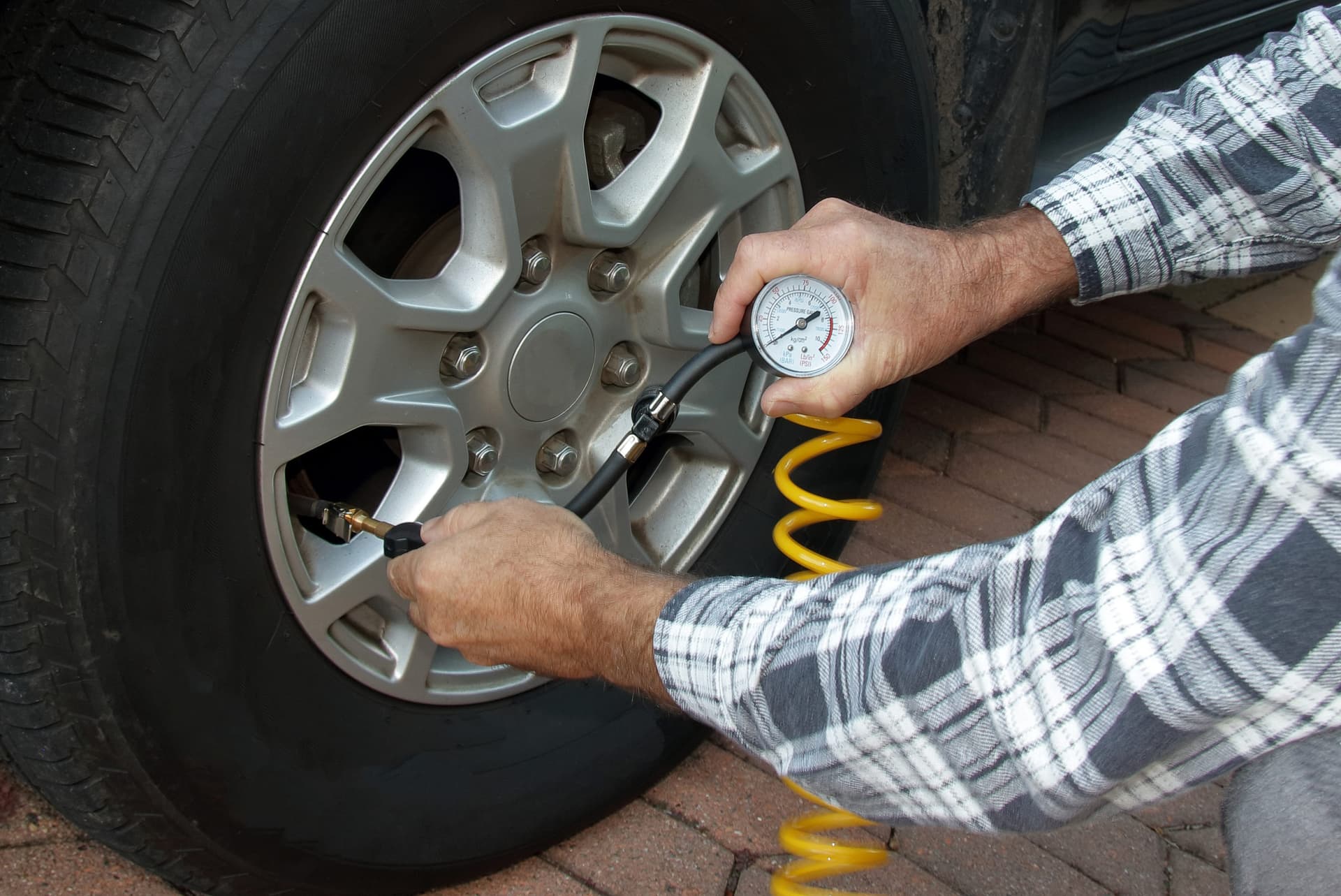
- Remove the valve cap from the tire.
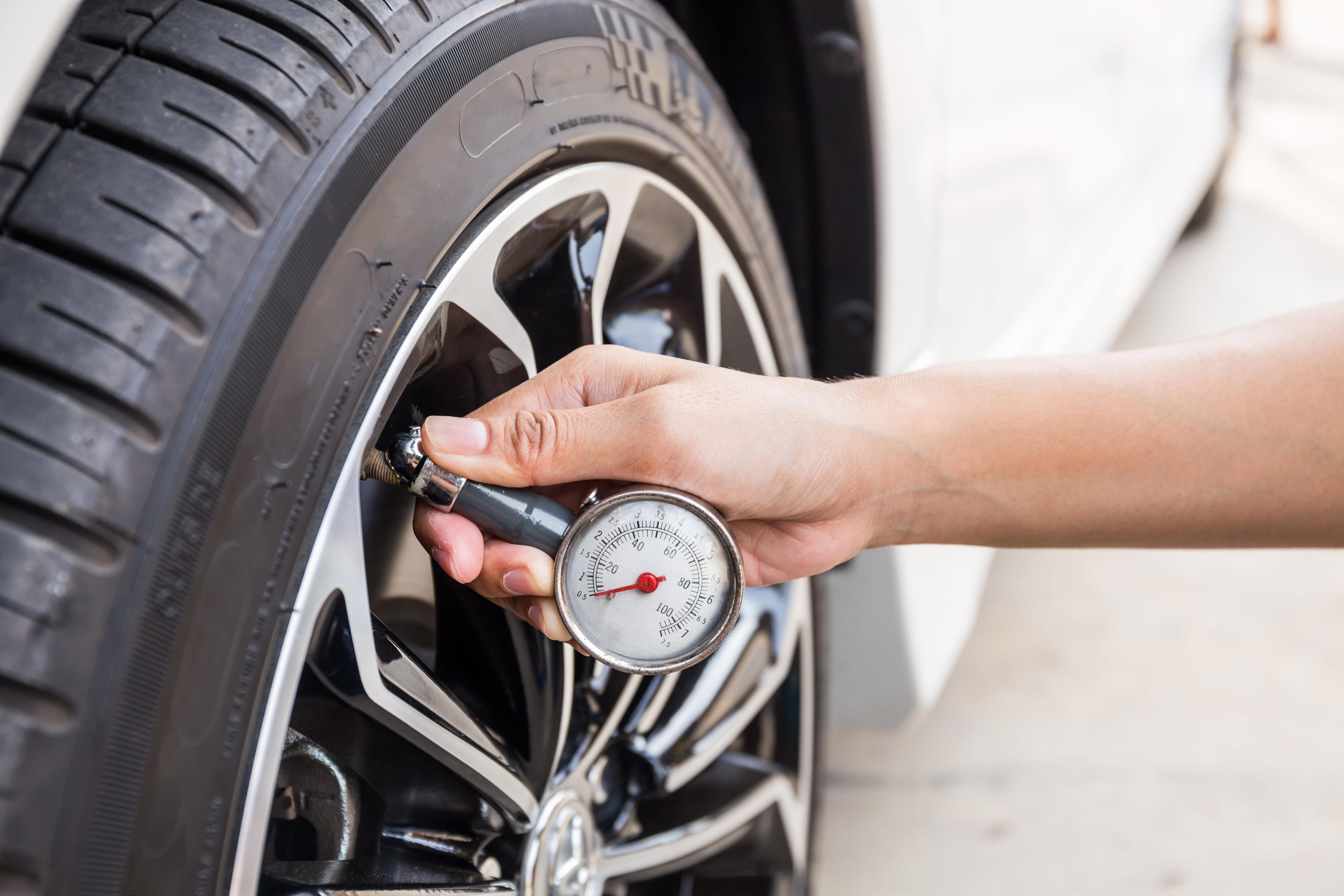
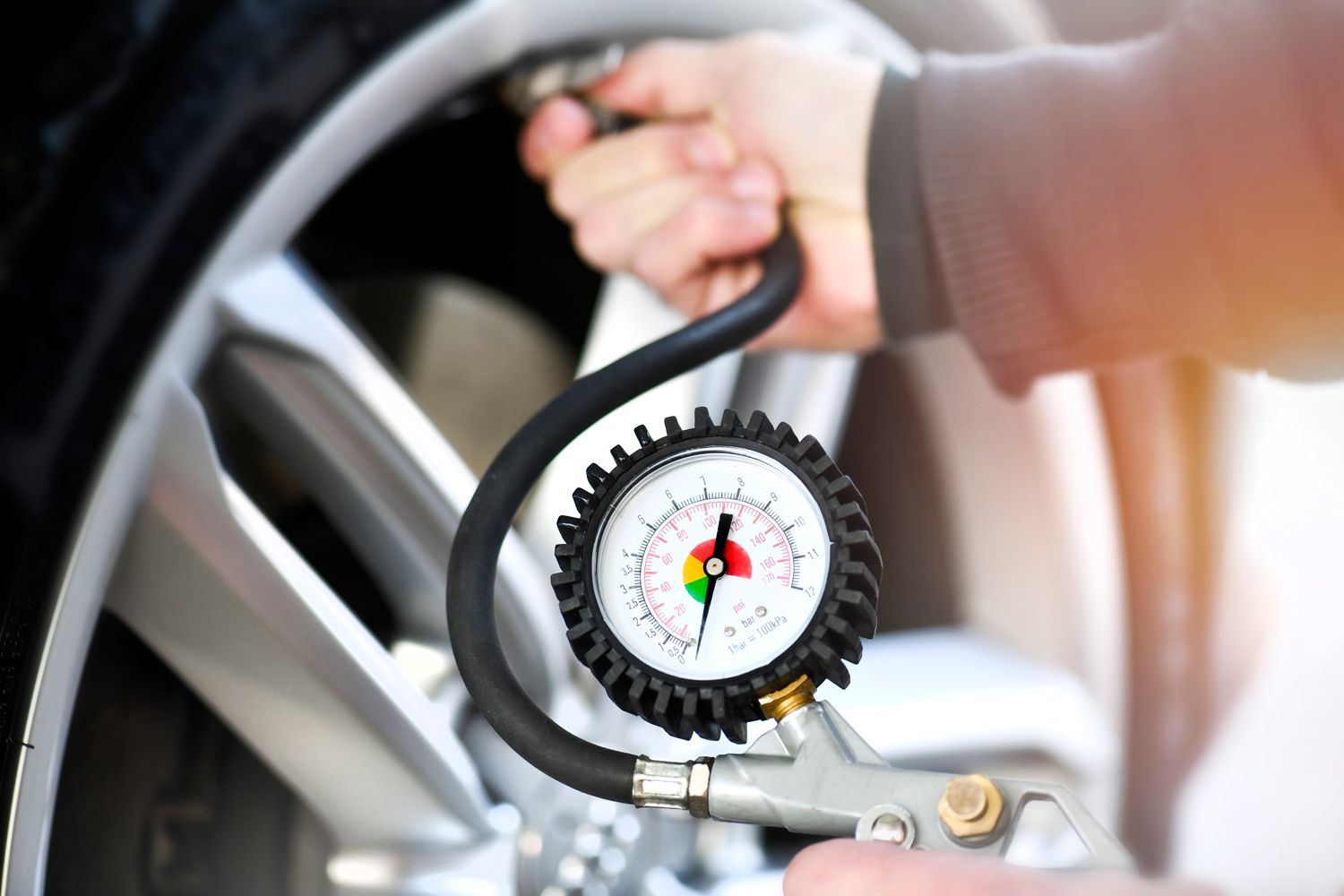
- Press the tire pressure gauge firmly on the valve stem.
- Read the pressure on the gauge display.
- Compare the reading with the recommended pressure.
- Add or release air as needed using an air compressor or pump.
- Replace the valve cap securely after checking.
When To Check Tires
Check your tire air pressure before and during long drives. This helps avoid flat tires and improves safety.
- Before starting a long trip
- At least once a month during regular use
- After driving on rough roads or in very hot weather
- When tires look underinflated or overinflated
Tips For Maintaining Proper Tire Pressure
Checking tire air pressure is important for safe long drives. Proper pressure helps your car run smoothly.
Low or high pressure can cause tire damage and affect fuel efficiency. Use these tips to keep tires in good shape.
Regular Inspection Routine
Check your tire pressure at least once a month. Do this before long trips and when tires are cold.
Use a reliable tire pressure gauge. Look for any signs of wear or damage on the tires.
- Inspect tires for cuts, cracks, or bulges
- Remove any stones or debris from treads
- Check tire tread depth regularly
- Keep a tire pressure gauge in your car
Adjusting Pressure For Different Loads
Tire pressure needs to change based on the weight in your vehicle. Heavier loads require higher pressure.
Check your car’s manual for recommended pressure for different loads. Adjust pressure before starting your trip.
- Light load: Use the standard pressure listed on the tire
- Full load: Increase pressure as recommended by the manufacturer
- Extra passengers or cargo: Add pressure to support the weight
Seasonal Considerations
Temperature changes affect tire pressure. Cold air lowers pressure and hot air increases it.
Check tire pressure more often in winter and summer. Adjust pressure to keep it at the correct level.
- In cold weather, check pressure weekly
- In hot weather, check pressure before long drives
- Use the pressure recommended for your current season
Benefits Of Proper Tire Maintenance On Long Drives
Checking your tire air pressure before a long drive is very important. Proper tire maintenance helps your car run better and safer.
Good tire care saves money and keeps you safe on the road. It also makes your tires last longer.
Enhanced Safety On Highways
Correct tire pressure gives you better control of your car. This is very important on highways where speeds are high.
Properly inflated tires reduce the risk of blowouts and accidents. They also improve braking and handling.
- Better grip on wet and dry roads
- Lower chance of tire failure
- Improved vehicle stability
Maximized Fuel Savings
Under-inflated tires cause more rolling resistance. This makes your engine work harder and use more fuel.
Keeping your tires at the right air pressure helps you save fuel. This lowers your travel costs on long drives.
- Reduces fuel consumption
- Improves engine efficiency
- Helps the environment by cutting emissions
Longer Tire Lifespan
Proper air pressure prevents uneven tire wear. This extends the life of your tires, saving you money.
Tires with correct pressure wear out evenly. This reduces the chance of early tire replacements.
- Even tread wear
- Fewer tire damages
- Better overall tire performance
Credit: www.carparts.com
Frequently Asked Questions
Why Is Tire Air Check Important Before Long Drives?
Checking tire air ensures optimal pressure, enhancing safety and fuel efficiency. Properly inflated tires reduce the risk of blowouts and improve vehicle handling on long trips.
How Often Should I Check Tire Pressure On Long Journeys?
It’s best to check tire pressure before starting and every two hours during long drives. Frequent checks prevent tire damage and maintain consistent performance.
What Risks Does Low Tire Pressure Pose During Long Drives?
Low tire pressure can cause poor fuel economy, tire overheating, and increased blowout risk. It also reduces vehicle stability and handling, making long drives unsafe.
Can Overinflated Tires Affect Long Drive Safety?
Yes, overinflated tires reduce traction, cause uneven wear, and make the ride uncomfortable. Balanced tire pressure is crucial for safety and tire longevity on long trips.
Conclusion
Checking tire air before long drives keeps you safe on the road. Proper air pressure helps your tires last longer and saves fuel. It also improves how your car handles curves and bumps. Low air can cause tire damage or even accidents.
Make it a habit to check tires regularly. A simple step that protects you and your passengers. Stay prepared, drive smart, and enjoy your journey worry-free.







