
When you’re working on your car, your hands are your most valuable tools. But have you ever stopped to think about how easily they can get hurt?
Cuts, burns, and chemical exposure are just a few risks you face every time you dive under the hood. That’s where safety gloves come in—they protect you from harm and let you focus on getting the job done right. If you want to keep your hands safe and make your car maintenance easier, understanding the importance of safety gloves is a must.
Keep reading, and you’ll discover how the right gloves can change the way you work on your car forever.

Credit: automation.honeywell.com
Why Wear Safety Gloves
Safety gloves protect your hands during car maintenance tasks. They help you avoid injuries and keep your skin safe.
Wearing gloves is a simple way to reduce risks from sharp parts, chemicals, and heat.
Preventing Cuts And Abrasions
Car parts often have sharp edges or rough surfaces. Gloves create a barrier that stops cuts and scrapes. They also improve grip on tools and parts.
- Protect hands from sharp metal or glass
- Prevent painful scratches from rough surfaces
- Reduce risk of infections from wounds
- Keep hands clean from dirt and grease
Shielding Against Chemicals
Car maintenance involves oils, solvents, and cleaning agents. Many chemicals can irritate or harm skin. Gloves stop these substances from touching your hands.
| Chemical | Risk to Skin | How Gloves Help |
| Motor Oil | Dryness and irritation | Blocks direct contact |
| Brake Fluid | Burns and rashes | Prevents absorption |
| Cleaning Solvents | Allergic reactions | Acts as barrier |
Avoiding Burns And Heat Exposure
Engines and exhausts get very hot during use. Gloves protect hands from burns and heat. They also reduce discomfort when handling warm parts.
- Protect skin from hot surfaces
- Reduce pain from heat exposure
- Allow safe handling of warm tools

Credit: www.youtube.com
Types Of Gloves For Car Maintenance
Safety gloves protect your hands during car maintenance. They stop injuries and keep your hands clean.
Different tasks need different gloves. Using the right glove helps you work safely and easily.
Nitrile Gloves For Chemical Resistance
Nitrile gloves protect your hands from oils, grease, and chemicals. They are strong and do not tear easily.
These gloves fit snugly and let you handle small parts well. They are good for working with fluids and cleaners.
Leather Gloves For Heavy-duty Tasks
Leather gloves are thick and tough. They protect your hands from heat, sparks, and rough surfaces.
Use leather gloves when working with tools or handling heavy car parts. They last long and give good grip.
Cut-resistant Gloves For Sharp Objects
Cut-resistant gloves stop cuts from sharp tools and metal edges. They use special fibers to keep your hands safe.
These gloves let you work with blades or wires without fear of injury. They are light but very strong.
Choosing The Right Gloves
Safety gloves protect your hands during car maintenance. Picking the right gloves keeps your hands safe and comfortable.
Different gloves suit different tasks. Knowing what to look for helps you choose well.
Sizing And Fit Matters
Gloves that fit well give better control and safety. Too tight gloves can hurt your hands.
Loose gloves can catch on tools or parts. Measure your hand to find the right size.
- Measure hand width and length
- Try gloves before buying if possible
- Check for snug but comfortable fit
Material Considerations
Gloves come in many materials like latex, nitrile, and leather. Each material suits different jobs.
Nitrile gloves resist oils and chemicals well. Leather gloves protect against cuts and heat.
- Latex: good for light tasks, may cause allergies
- Nitrile: chemical and oil resistant
- Leather: strong and heat resistant
Durability And Comfort
Durable gloves last longer and save money. Comfort helps you work longer without pain.
Look for gloves with reinforced areas. Soft inner lining can improve comfort.
- Check for double stitching or padding
- Choose gloves with breathable fabric
- Avoid gloves that cause sweating
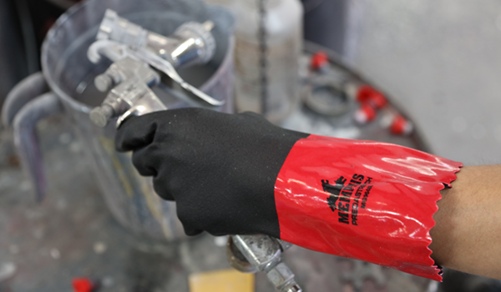
Credit: www.mcrsafety.com
Proper Glove Care And Maintenance
Safety gloves protect your hands during car maintenance. Keeping them clean and in good condition helps them last longer. Proper care also keeps your hands safe from chemicals and injuries.
This guide covers how to clean your gloves, store them properly, and know when to replace them.
Cleaning Techniques
Cleaning gloves depends on the material. Always read the label first. Most gloves can be washed with mild soap and water. Avoid harsh chemicals that can damage the material.
- Use lukewarm water to rinse gloves after use.
- Apply mild soap and gently scrub the surface.
- Rinse thoroughly to remove all soap.
- Air dry gloves away from direct sunlight and heat.
- Do not use a dryer or iron as heat can ruin gloves.
Storage Tips
Proper storage helps gloves keep their shape and strength. Store gloves in a cool, dry place. Avoid areas with direct sunlight or high humidity. Keep them away from sharp objects and chemicals.
| Storage Condition | Reason |
| Cool temperature | Prevents material from breaking down |
| Dry environment | Avoids mold and mildew growth |
| Out of sunlight | Stops fading and weakening |
| Separated from chemicals | Prevents damage and contamination |
When To Replace Gloves
Gloves lose protection over time. Replace them if they show signs of wear or damage. Look for cracks, holes, or thinning material. Also, replace gloves if they no longer fit well or feel stiff.
- Inspect gloves before each use.
- Discard gloves with visible damage.
- Replace gloves after heavy exposure to chemicals.
- Change gloves if they feel uncomfortable or tight.
- Follow manufacturer’s recommended replacement schedule.
Additional Safety Practices
Using safety gloves is important in car maintenance. They protect your hands from cuts and chemicals.
Along with gloves, other safety steps help keep you safe while working on your car.
Combining Gloves With Eye Protection
Eye protection shields your eyes from sparks, dust, and fluids. Wearing gloves and goggles together gives full protection.
- Wear safety goggles or glasses with side shields
- Ensure gloves fit well to keep debris out
- Check your eye protection for cracks before use
Safe Handling Of Tools
Use tools carefully to avoid injuries. Gloves help you grip tools better and reduce slips.
| Tool | Safety Tip |
| Wrenches | Check for cracks and use correct size |
| Screwdrivers | Keep tips sharp and clean |
| Jacks | Place on flat surface and never go under without support |
Maintaining A Clean Work Environment
A tidy workspace lowers the risk of accidents. Gloves protect your hands from dirt and harmful substances on the floor.
Tips for a clean work area:
- Wipe spills immediately
- Organize tools after use
- Dispose of waste safely
Frequently Asked Questions
Why Are Safety Gloves Essential For Car Maintenance?
Safety gloves protect your hands from cuts, burns, and harmful chemicals. They enhance grip and prevent injuries during repairs. Wearing gloves ensures hygiene and reduces skin irritation from oils and solvents. Gloves improve overall safety and efficiency in car maintenance tasks.
What Types Of Gloves Are Best For Car Repairs?
Nitrile gloves are ideal for chemical resistance and durability. Leather gloves offer protection from sharp objects and abrasions. Latex gloves provide flexibility but less chemical resistance. Choose gloves based on the task and exposure to oils, chemicals, or sharp parts.
How Do Safety Gloves Improve Hand Protection?
Gloves act as a barrier against cuts, burns, and toxic substances. They prevent direct contact with grease and harsh chemicals. Gloves reduce the risk of infections from injuries. Proper gloves maintain hand hygiene and comfort throughout maintenance work.
Can Safety Gloves Prevent Accidents In Car Maintenance?
Yes, gloves reduce slips by improving grip on tools and parts. They protect hands from sharp edges and hot surfaces. Gloves minimize skin exposure to harmful substances, lowering accident risks. Using gloves promotes safer handling of car components.
Conclusion
Safety gloves protect your hands from cuts, chemicals, and dirt. They help keep your grip firm on tools and parts. Gloves reduce the risk of infections and skin problems. Using gloves makes car maintenance safer and cleaner. Everyone working on cars should wear them every time.
Remember, safety gloves are a simple way to protect yourself. Don’t skip this easy step in your car care routine. Stay safe and keep your hands healthy with gloves.







