
Have you ever found yourself stuck with a dead car battery at the worst possible moment? It’s frustrating, stressful, and can completely ruin your plans.
That’s where jumper cables come in—they are your car’s best friend in emergencies. Knowing why jumper cables are so important and how to use them can save you time, money, and a lot of hassle. Keep reading to discover how having a simple set of jumper cables in your car can turn a potential disaster into a quick fix you control.
Credit: gomechanic.in
Role Of Jumper Cables
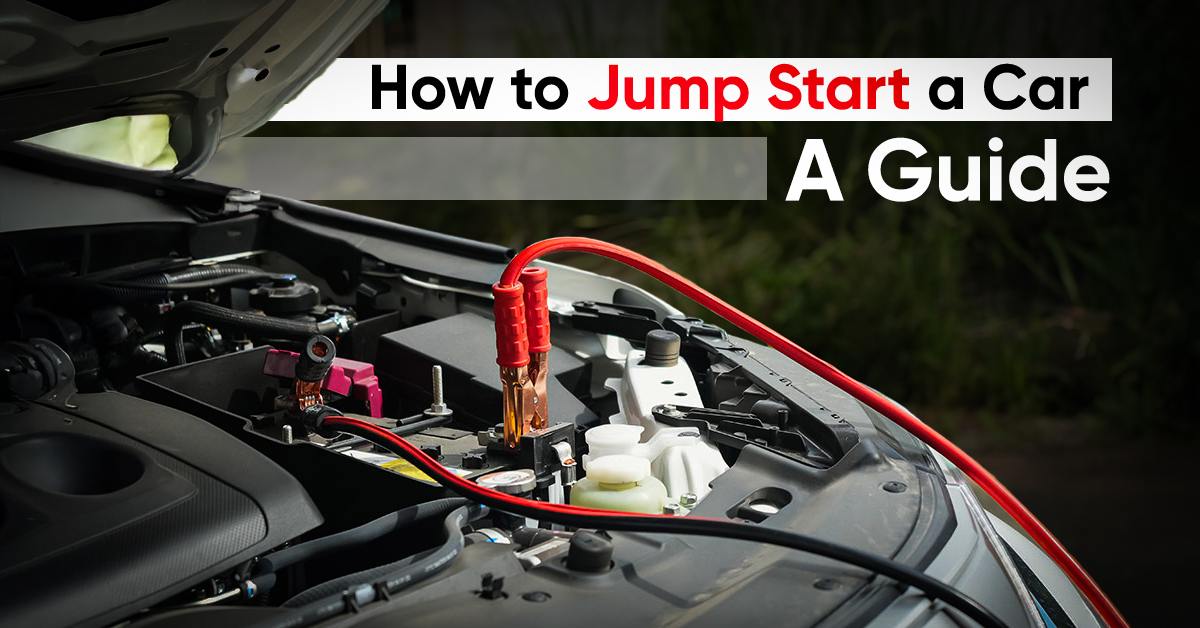
Jumper cables help start a car when its battery dies. They connect the dead battery to a working one.
These cables are important for emergencies. They save time and keep drivers safe on the road.
How Jumper Cables Work
Jumper cables transfer electrical power from a good battery to a dead one. This power jump-starts the car.
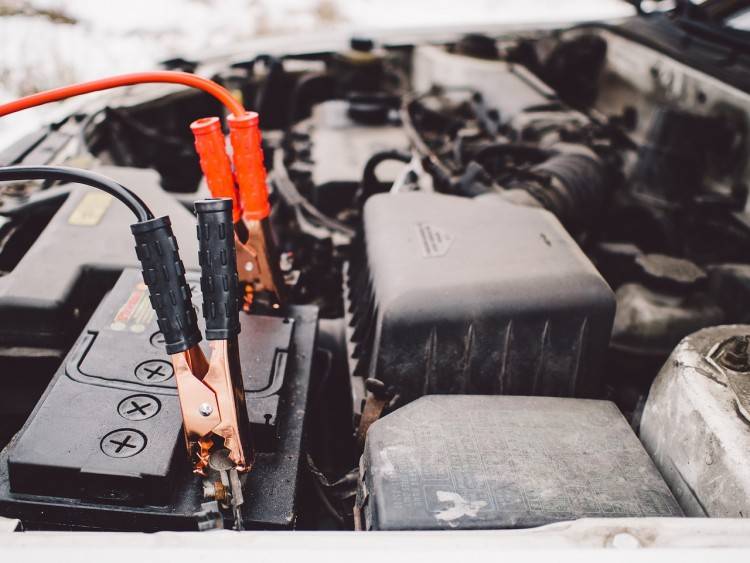
The cables have two clamps on each end. One pair connects to the working battery, the other to the dead battery.
- Red clamps connect to positive (+) terminals
- Black clamps connect to negative (-) terminals or a metal ground
- Power flows through the cables to start the engine
Common Situations For Use
Jumper cables are useful in many common car problems. They help when the battery is weak or dead.
People often use jumper cables after leaving lights on or in cold weather. They are also helpful during long trips.
- Battery dies overnight
- Car won’t start in cold weather
- Headlights or interior lights left on
- Unexpected battery failure on the road
- Helping friends or strangers with dead batteries
Credit: fanttik.com
Choosing The Right Jumper Cables
Jumper cables are essential for every car owner. They help start your car when the battery dies. Choosing the right cables is crucial for safety and efficiency.
Consider various factors to pick the best jumper cables. These factors ensure your cables perform well when needed.
Cable Gauge And Length
The gauge and length of jumper cables affect their performance. A lower gauge number means thicker wires, which carry more power.
- Choose cables with a gauge of 4 or 6 for better power transfer.
- Longer cables reach batteries easily, but avoid going over 20 feet.
- Shorter cables are more efficient but may not reach both batteries.
Material And Build Quality
Good materials and build quality extend the life of jumper cables. Copper wires are preferred for their excellent conductivity.
| Material | Benefit |
| Copper | High conductivity and durability |
| Aluminum | Lightweight but less conductive |
| Rubber Coating | Prevents damage and increases grip |
Strong clamps ensure a secure connection. Look for cables with heavy-duty clamps.
Step-by-step Jumpstart Process
Jumpstarting a car is a useful skill when your battery dies. It helps you get your car running quickly. Using jumper cables safely is very important.
This guide shows how to jumpstart a car with clear steps. Follow each part carefully to avoid accidents or damage.
Safety Precautions
Safety is the first priority before you begin jumpstarting. Read these precautions to protect yourself and your vehicle.
- Wear gloves and eye protection to avoid sparks.
- Check both cars are off and in park or neutral.
- Do not let the jumper cables touch each other.
- Keep metal objects away from the battery terminals.
- Ensure the battery is not cracked or leaking.
Connecting The Cables
Proper cable connection is key to a successful jumpstart. Connect the cables in this order to avoid sparks.
| Step | Action | Details |
| 1 | Red to Dead | Attach red clamp to the dead battery’s positive (+) terminal. |
| 2 | Red to Donor | Attach red clamp to the donor battery’s positive (+) terminal. |
| 3 | Black to Donor | Attach black clamp to the donor battery’s negative (-) terminal. |
| 4 | Black to Ground | Attach black clamp to an unpainted metal surface on the dead car’s engine block. |
Starting The Vehicle
After connecting the cables, start the donor vehicle first. Let it run for a few minutes to charge the dead battery.
- Start the dead car. If it does not start, wait a few more minutes.
- Once the dead car starts, keep both cars running for at least five minutes.
- Carefully disconnect the cables in reverse order.
- Avoid touching clamps together during removal.
- Drive the jumpstarted car for at least 20 minutes to recharge the battery.
Benefits Of Carrying Jumper Cables
Jumper cables are an essential tool for every car owner. They help start a car when the battery dies.
Carrying jumper cables ensures you are ready for unexpected battery problems on the road.
Saving Time And Money
Jump-starting a car with jumper cables saves time compared to waiting for help. You can get back on the road quickly.
It also saves money by avoiding costly towing or repair services for a dead battery.
Avoiding Roadside Assistance
With jumper cables, you do not need to call roadside assistance for a dead battery. You can fix the problem yourself.
This is helpful in areas with slow or unavailable roadside help. It keeps you independent and in control.
Peace Of Mind On The Road
Carrying jumper cables gives you confidence during trips. You know you can handle battery troubles anytime.
This peace of mind reduces stress and makes driving safer and more enjoyable.
Maintenance And Storage Tips
Jumper cables help start cars with dead batteries. Keeping them in good shape is important. Proper storage makes sure they work when needed.
Learn easy tips to keep jumper cables safe and ready. Follow these simple steps for long-lasting cables.
Keeping Cables In Good Condition
Check cables often for damage. Look for cracks, rust, or frayed wires. Clean clamps to stop rust build-up. Use a dry cloth to wipe off dirt after use.
- Inspect cables before and after use
- Keep clamps clean and free from rust
- Do not stretch or pull cables hard
- Store cables dry to avoid corrosion
Best Storage Practices
Store jumper cables in a cool, dry place. Avoid sunlight and moisture to prevent damage. Use a container or bag to keep cables neat.
| Storage Tip | Reason |
| Use a plastic box or bag | Keeps cables clean and untangled |
| Keep away from heat sources | Prevents cable insulation from melting |
| Store in a dry area | Stops rust and corrosion on clamps |
| Coil cables loosely | Avoids wire breakage |
Credit: www.carmudi.com.ph
Alternatives To Jumper Cables
Jumper cables are common for starting a car with a dead battery. Some drivers look for easier or safer options. Several alternatives can help restart a vehicle without using jumper cables.
This article covers two main alternatives: portable jump starters and roadside assistance services. Each offers different benefits and convenience levels.
Portable Jump Starters
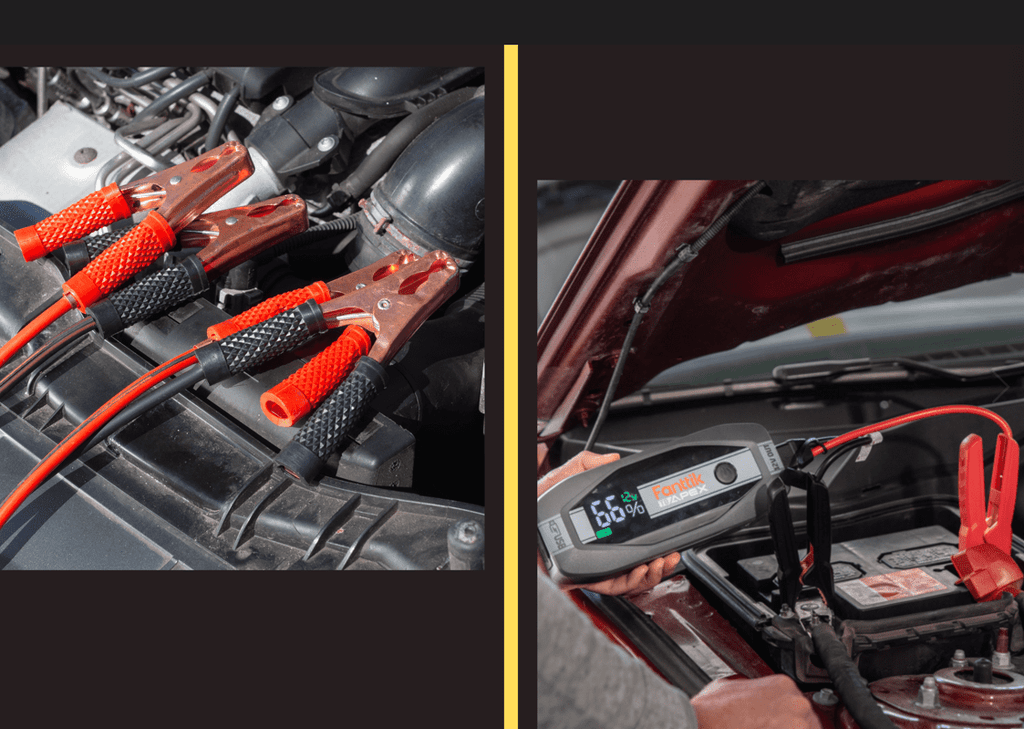
Portable jump starters are small devices that store power. They can start a car without needing another vehicle. These devices are easy to carry and use.
- Compact and lightweight for easy storage in the car
- Can start a car multiple times on a single charge
- Often include USB ports to charge other devices
- Safer than jumper cables because no connection to another battery is needed
- May have built-in flashlights for emergencies
Roadside Assistance Services
Roadside assistance services help drivers during car troubles. They send professionals who can jump-start the car or provide other help. This option removes the need to do anything yourself.
| Service Feature | Details |
| Availability | 24/7 help in many locations |
| Service Types | Jump-start, towing, tire change |
| Cost | Membership fee or pay per use |
| Convenience | No tools or skills required |
| Response Time | Varies by location and time |
Frequently Asked Questions
What Are Jumper Cables Used For In Cars?
Jumper cables help start a car with a dead battery by connecting it to another vehicle’s battery. They transfer electrical power to the dead battery, enabling the engine to start. They are essential for emergencies and roadside assistance.
How To Safely Use Jumper Cables On A Car?
First, park cars close but not touching. Turn off both engines. Connect positive clamps to positive terminals first, then negative clamps to grounded metal. Start the working car, then the dead car. Remove cables in reverse order. Follow safety instructions carefully.
Why Are Jumper Cables Important For Every Car Owner?
Jumper cables provide a quick solution during battery failure, saving time and towing costs. They enable drivers to help themselves or others in emergencies. Having jumper cables ensures preparedness and peace of mind on the road.
Can Jumper Cables Damage My Car’s Electrical System?
If used incorrectly, jumper cables can cause sparks or electrical damage. Proper connection order and caution prevent short circuits or battery damage. Using high-quality cables reduces risk. Following manufacturer instructions ensures safety.
Conclusion
Jumper cables help start a dead car battery quickly. They save time and avoid waiting for help. Carrying cables keeps you ready for emergencies. Using them is simple with basic knowledge. They work for many car types and batteries. Always check cables for safety before use.
Having jumper cables means less stress on the road. A small tool that brings big peace of mind. Keep jumper cables in your car at all times. They are a smart and useful item to own.







