
When you see a big truck on the road, have you ever noticed those bright, reflective hazard markers on its sides and back? These markers aren’t just for show—they play a crucial role in keeping you, the driver, safe.
Understanding the importance of hazard markers for trucks can help you stay alert and avoid accidents. You’ll discover why these markers matter, how they protect everyone on the road, and what you should look out for every time you’re behind the wheel near large vehicles.
Keep reading to learn how paying attention to these simple signs can make a big difference in your safety.
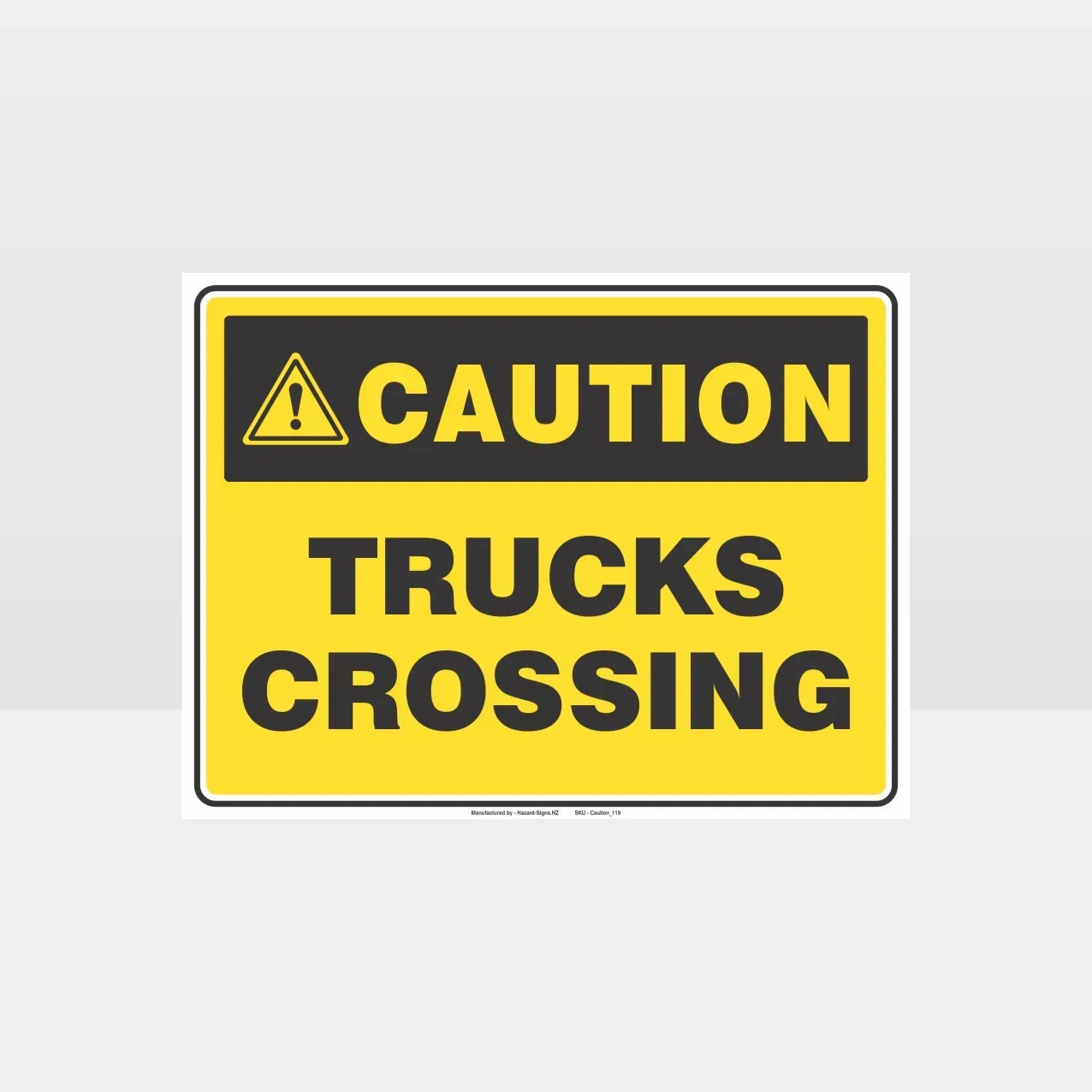
Credit: www.hazard-signs.nz
Role Of Hazard Markers
Hazard markers are signs placed on trucks to show dangers. They help drivers and others stay safe on the road.
These markers warn about the type of cargo the truck carries. This helps prevent accidents and injuries.
Enhancing Visibility On Roads
Hazard markers make trucks easier to see, especially in low light. They use bright colors and reflective materials.
This helps other drivers notice trucks from far away. It reduces the chance of crashes at night or in bad weather.
- Reflective stripes catch headlights
- Bright colors stand out in traffic
- Clear symbols show hazard type
Communicating Risks To Others
Hazard markers tell people what dangers the truck has. This helps drivers adjust their actions safely.
Emergency workers also use these markers to handle incidents carefully. The markers show if the cargo is flammable, toxic, or fragile.
- Shows if cargo is explosive or flammable
- Warns about toxic or harmful materials
- Alerts to heavy or oversized loads

Credit: www.hazard-signs.nz
Types Of Hazard Markers
Hazard markers help trucks show the dangers they carry. They warn other drivers and keep roads safe.
Different types of markers serve different purposes. These include placards, labels, reflective tape, and signs.
Placards And Labels
Placards are large signs placed on trucks to show hazardous material types. They help emergency workers know the risks.
Labels are smaller and found on individual packages inside the truck. They give specific information about the hazard.
- Placards use symbols and colors to show hazard class
- Labels provide details like flammability or toxicity
- Both must follow legal rules for size and placement
Reflective Tape And Signs
Reflective tape is placed on the sides and back of trucks. It makes trucks visible at night or in poor weather.
Warning signs give extra safety messages. They alert others to keep distance or be cautious.
- Reflective tape shines when headlights hit it
- Signs can show speed limits or hazard warnings
- Both improve truck visibility and safety on roads
Safety Benefits
Hazard markers on trucks play a key role in road safety. They help other drivers see and understand the risks.
Proper marking reduces the chance of crashes and protects everyone on the road.
Preventing Accidents
Clear hazard markers warn drivers about the type of cargo and possible dangers. This helps drivers keep a safe distance and avoid sudden moves.
- Improve visibility at night and in bad weather
- Alert drivers to flammable or toxic materials
- Help emergency responders identify risks quickly
- Reduce the chance of collisions and spills
Protecting Drivers And Public
Using hazard markers protects truck drivers and other road users. It signals caution and helps prevent injuries.
| Benefit | How It Helps |
| Driver Awareness | Drivers see warnings and adjust speed or distance |
| Public Safety | People near roads avoid dangerous areas |
| Emergency Response | Quick hazard recognition aids faster action |
| Legal Compliance | Proper markers meet safety laws and reduce fines |
Regulatory Requirements
Hazard markers on trucks are essential for safety. They show what kind of dangerous goods the truck carries.
Governments set rules to make sure these markers are clear and correct. This helps protect drivers and the public.
Government Standards
Many countries have strict standards for hazard markers on trucks. These rules cover size, color, and placement.
Standards ensure all trucks show the same information in the same way. This helps emergency workers identify risks quickly.
- Markers must be visible from a distance
- Colors must match the type of hazard
- Labels need to include specific hazard codes
- Markers must be placed on all sides of the truck
Compliance Penalties
Trucks without proper hazard markers face fines and penalties. Authorities inspect trucks regularly to check compliance.
Penalties vary by region but often include fines, truck detention, or license suspension for repeated violations.
- Fines for missing or incorrect markers
- Truck can be stopped from operating
- Higher insurance costs after violations
- Possible legal action for serious breaches
Proper Usage Tips
Hazard markers on trucks help other drivers see dangers. Using them right keeps roads safer.
Learn how to place, maintain, and inspect these markers for best results.
Correct Placement
Place hazard markers where they are easy to see. Usually, they go on the back and sides of the truck.
Make sure markers are not covered by dirt or cargo. They must be visible from a distance.
- Attach markers on flat, clean surfaces
- Use both sides and rear of the truck
- Keep markers away from lights and reflectors
- Follow local rules for size and position
Maintenance And Inspection
Check hazard markers often to make sure they work well. Replace any that are faded or damaged.
Clean the markers regularly with mild soap and water. Avoid harsh chemicals that can wear them out.
- Inspect markers before every trip
- Look for cracks, peeling, or fading
- Clean dirt and grime off markers
- Replace markers that do not reflect light properly
Technological Advances
Hazard markers for trucks are getting smarter with new technology. They play a key role in keeping roads safe.
These markers help drivers see trucks better, even in bad weather. Technology is making them more effective than before.
Smart Markers
Smart markers use sensors and lights to alert drivers. They are more visible and can change colors based on road conditions.
- LED lights for better visibility at night
- Sensors to detect nearby vehicles
- Color-changing features for different weather
Integration With Fleet Management
Modern hazard markers can connect with fleet management systems. This helps in tracking and managing the trucks more efficiently.
Fleet managers can monitor:
- Truck locations in real-time
- Marker status and functionality
- Driver behavior data
| Feature | Benefit |
| Real-time Tracking | Improves safety and coordination |
| Automatic Alerts | Notifies about potential hazards |
| Data Analysis | Enhances decision-making |

Credit: www.ishn.com
Frequently Asked Questions
What Are Hazard Markers For Trucks?
Hazard markers are reflective signs placed on trucks. They warn other drivers about oversized or dangerous cargo. These markers improve road safety by increasing truck visibility, especially at night or in poor weather conditions.
Why Are Hazard Markers Important For Truck Safety?
Hazard markers alert other road users to potential dangers. They help prevent accidents by signaling oversized or hazardous loads. Proper use of these markers ensures compliance with safety regulations and reduces collision risks.
How Do Hazard Markers Improve Truck Visibility?
Hazard markers use reflective materials that shine under headlights. This makes trucks more noticeable from a distance. Enhanced visibility helps drivers judge truck size and maintain a safe following distance.
Are Hazard Markers Legally Required On Trucks?
Yes, many regions mandate hazard markers on trucks carrying oversized or hazardous loads. Compliance with these laws ensures safer roads and avoids fines. Always check local regulations for specific requirements.
Conclusion
Hazard markers help drivers see trucks clearly and stay safe. They warn about dangerous loads and reduce accident risks. Truck drivers also benefit from using these markers daily. Proper use of hazard markers supports road safety for everyone. Always remember, clear signs save lives and prevent harm.
Safety starts with being visible and alert on the road. Keep hazard markers clean and bright for best results. Everyone wins when trucks show clear warnings while driving. Safety matters; hazard markers play a key role.







