
Changing a tire might seem straightforward, but have you ever thought about what’s protecting your hands during the process? Gloves aren’t just an extra piece of gear—they’re essential for your safety and comfort.
Whether you’re dealing with sharp edges, dirt, or grease, the right gloves can make all the difference. Keep reading to discover why gloves are a must-have for every tire change and how they can save you from pain, injury, and frustration.
Your hands deserve the best—let’s find out why.
Credit: evsportline.com
Benefits Of Wearing Gloves
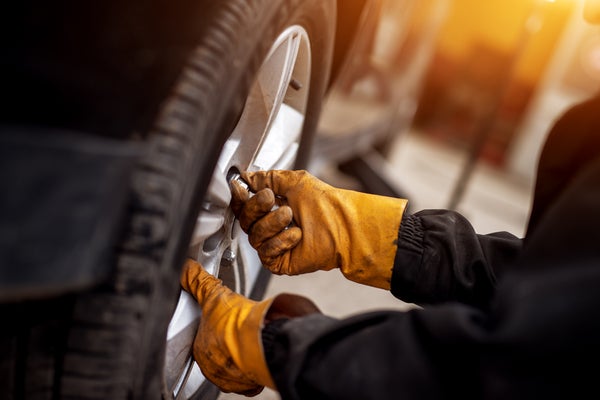
Wearing gloves during tire changes helps keep your hands safe and clean.
Gloves also improve your ability to hold and turn tools and tires.
Enhanced Grip And Control
Gloves provide a better grip on tools and tires. They stop your hands from slipping, especially if parts are wet or oily.
- Gloves improve friction between your hand and the tire.
- They help you turn nuts and bolts firmly.
- Gloves reduce hand fatigue by giving a secure hold.
Protection From Injuries
Gloves protect your hands from cuts, scrapes, and bruises. Tire changes involve sharp edges and heavy parts.
| Type of Injury | How Gloves Help |
| Sharp edges | Prevent cuts and scratches |
| Pinching | Reduce bruises and blisters |
| Impact | Absorb some force |
Barrier Against Dirt And Chemicals
Gloves stop dirt, grease, and harmful chemicals from touching your skin. This keeps your hands clean and safe.
They also make cleanup easier after you finish changing tires.
Types Of Gloves For Tire Changes
Wearing gloves during tire changes protects your hands from dirt and injuries. Different gloves offer various levels of protection and comfort.
Choosing the right glove helps you work safely and efficiently. Here are common glove types used for tire changes.
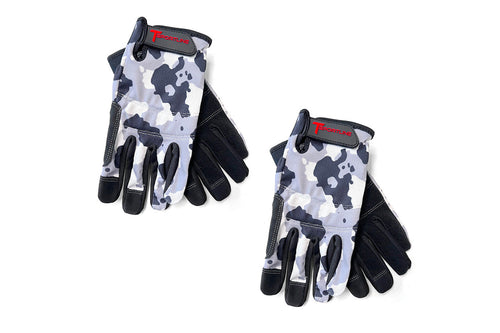
Mechanic Gloves
Mechanic gloves are designed for detailed work. They protect hands from cuts, scrapes, and grease.
These gloves fit snugly and allow good finger movement. They are often made from synthetic materials or leather.
- Good grip on tools and tires
- Protect against sharp edges
- Comfortable for long use
Disposable Gloves
Disposable gloves are thin and lightweight. They protect hands from dirt and chemicals during tire changes.
These gloves are usually made from latex, nitrile, or vinyl. They are easy to put on and throw away after use.
- Keep hands clean from grease
- Protect against mild chemicals
- Good for quick, light tasks
Heavy-duty Work Gloves
Heavy-duty gloves offer strong protection. They guard against sharp objects, rough surfaces, and heavy tools.
These gloves are made from thick leather or reinforced materials. They are best for tough tire changes.
- Protect hands from cuts and bruises
- Durable for hard jobs
- May reduce hand fatigue
How Gloves Improve Safety
Wearing gloves during tire changes protects your hands from injuries. Gloves also help keep your grip firm. This reduces the chance of accidents.
Using gloves improves safety by preventing cuts, slips, and contact with harmful materials. They are an important part of tire-changing gear.
Preventing Cuts And Abrasions
Changing a tire involves sharp tools and rough surfaces. Gloves shield your hands from cuts and scrapes. They act as a barrier between your skin and sharp edges.
- Protect against tire wires and metal rims
- Reduce skin injuries from tools
- Help avoid painful scratches from rough surfaces
Reducing Slips And Falls
Gloves improve your grip on tools and tires. This lowers the chance of slipping. Better grip means safer handling of heavy parts.
| Benefit | How Gloves Help |
| Grip | Increase friction on smooth surfaces |
| Control | Allow firm holding of tools and tires |
| Balance | Prevent dropping heavy objects |
Minimizing Exposure To Harmful Substances
Tires and tools may have grease, dirt, or chemicals. Gloves keep these substances off your skin. This reduces irritation and health risks.
- Block contact with oils and lubricants
- Prevent absorption of harmful chemicals
- Keep hands clean and reduce contamination

Credit: www.amazon.com
Choosing The Right Gloves
Wearing gloves during tire changes protects your hands from dirt and injury. Picking the right gloves improves safety and comfort.
Gloves come in different materials and styles. Knowing what to look for helps you find the best pair for tire work.
Material Considerations
Gloves made from different materials suit different tasks. Some materials offer better grip, while others protect against cuts or chemicals.
- Nitrile:Good for grip and chemical resistance.
- Leather:Offers strong protection and durability.
- Rubber:Provides waterproofing and flexibility.
- Fabric:Comfortable but less protective.
Fit And Comfort
Gloves must fit well to allow easy hand movements. Gloves that are too tight cause discomfort and reduce blood flow.
| Fit Type | Benefit |
|---|---|
| Snug Fit | Better control and grip during tire changes |
| Loose Fit | More comfort but less precision |
| Adjustable Cuffs | Keeps gloves secure and prevents dirt entry |
Durability And Reusability
Gloves should last through several tire changes. Durable gloves save money and protect hands longer.
Check these points for durable gloves:
- Strong stitching to prevent tears
- Resistant materials to handle rough surfaces
- Easy to clean for reuse
- Good resistance to oil and grease
Maintaining And Caring For Gloves
Gloves protect your hands during tire changes. Proper care keeps them safe and lasting longer.
Taking time to clean, store, and know when to replace gloves helps maintain their quality.
Cleaning Techniques
After use, dirt and grease can damage gloves. Clean them carefully to keep their strength.
- Rinse gloves with warm water to remove dirt.
- Use mild soap to clean tough stains.
- Avoid harsh chemicals that weaken the material.
- Dry gloves naturally, away from direct heat or sun.
- Check for holes or tears before next use.
Proper Storage
Store gloves in a cool, dry place to stop damage from moisture and heat.
| Storage Tip | Reason |
| Keep away from sharp objects | Prevent tears and punctures |
| Store flat or hung up | Keep shape and avoid folds |
| Use a breathable bag or box | Stop moisture build-up |
| Avoid sunlight exposure | Prevent material breakdown |
When To Replace Gloves
Old or damaged gloves do not protect well. Watch for signs to replace them.
- Visible holes or tears in the gloves.
- Loss of grip or worn-out material.
- Gloves feel stiff or cracked.
- Strong odors that do not go away after cleaning.
- After heavy use or several months of wear.
Credit: www.continental-tires.com
Frequently Asked Questions
Why Are Gloves Important For Tire Changes?
Gloves protect your hands from dirt, grease, and sharp objects during tire changes. They improve grip and reduce injury risk.
What Type Of Gloves Is Best For Tire Changes?
Durable, puncture-resistant gloves with good grip, like nitrile or leather gloves, are ideal for tire changes. They offer protection and flexibility.
Can Gloves Prevent Hand Injuries During Tire Changes?
Yes, gloves provide a protective barrier against cuts, scrapes, and bruises. They minimize direct contact with harmful substances.
Do Gloves Improve Grip While Changing Tires?
Gloves enhance grip on tools and tires, preventing slips and accidents. This leads to safer and more efficient tire changes.
Conclusion
Wearing gloves during tire changes protects your hands from dirt and injury. Gloves also improve your grip on tools and tires. They keep your skin safe from harsh chemicals and sharp edges. Using gloves saves time by preventing cuts and scrapes.
It’s a small step that makes a big difference. Always keep a pair of gloves handy in your car kit. Safety and comfort go hand in hand. Don’t skip gloves when changing tires—they help you work better and safer.







