
When it comes to changing your car’s oil, you might think it’s a simple task—just pour and go. But what if a small tool could make a huge difference in protecting your engine and saving you money?
That’s where a funnel with a filter comes in. Using one can help you avoid costly mistakes and keep your engine running smoothly for longer. If you want to learn why this little tool matters so much and how it can improve your oil change process, keep reading.
Your car—and your wallet—will thank you.
Role Of Funnel With Filter
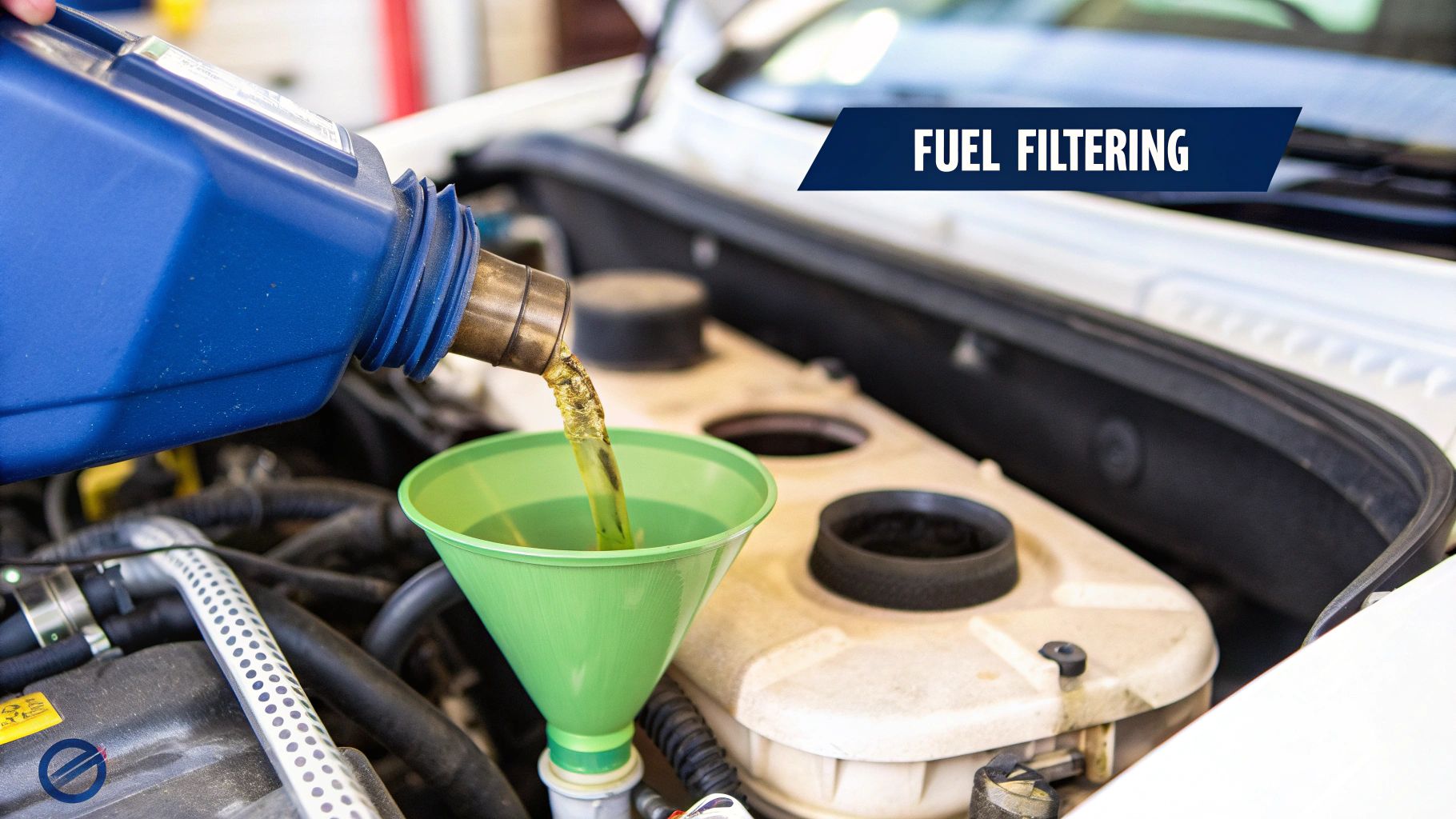
A funnel with a filter helps during oil changes by guiding oil into the engine. It also stops dirt and debris from entering the engine.
Using a funnel with a filter keeps the oil clean and protects the engine parts. This simple tool plays a big role in engine health.
Preventing Contamination
The filter in the funnel catches dust and small particles. These contaminants can harm the engine if they enter with the oil.
Keeping dirt out helps the engine run longer and avoid costly repairs. The funnel filter acts as a barrier during oil changes.
- Stops dirt from mixing with new oil
- Prevents engine wear and damage
- Ensures cleaner oil reaches the engine
Ensuring Smooth Oil Flow
The funnel’s wide mouth helps pour oil quickly without spilling. The filter keeps the oil flow steady by catching blockages.
Smooth oil flow means the engine gets the right amount of oil. This supports better engine performance and less wear.
- Prevents oil spills and waste
- Maintains steady oil flow into engine
- Helps avoid air bubbles in oil
Credit: clixfueling.com
Choosing The Right Funnel
Using a funnel with a filter makes oil changes cleaner and easier. It helps keep dirt out of the engine oil. Choosing the right funnel is important for a smooth oil change process.
This guide explains how funnel materials and design affect your work. Pick a funnel that fits your needs and toolset.
Material Types
Funnels come in different materials like plastic, metal, and silicone. Each type has its own benefits and drawbacks.
- Plastic:Lightweight and affordable. Good for general use but can crack over time.
- Metal:Durable and heat-resistant. It lasts longer but can be heavier.
- Silicone:Flexible and easy to clean. It fits tight spaces but may cost more.
Size And Design Considerations
The right size and design improve how well a funnel works. Consider the opening size and the shape of the spout.
| Feature | Why It Matters |
|---|---|
| Wide Opening | Makes pouring oil easier and faster. |
| Long Spout | Reaches deep engine parts without spills. |
| Built-in Filter | Keeps dirt and debris out of the engine. |
| Non-slip Grip | Prevents the funnel from slipping during use. |
Types Of Filters Used
Filters play an important role in oil changes. They remove dirt and particles from the oil. This helps the engine run smoothly.
There are different kinds of filters used with funnels in oil changes. Each type has a unique way to clean the oil.
Mesh Filters
Mesh filters use a fine metal screen to catch dirt and debris. They allow oil to flow through while trapping larger particles.
These filters are reusable and easy to clean. They work well for light filtering needs.
- Made of metal mesh
- Reusable after cleaning
- Good for catching large particles
Paper Filters
Paper filters use special filter paper to trap dirt and contaminants. They provide fine filtration for clean oil.
These filters are disposable and should be replaced regularly. They are common in most vehicles.
- Made from filter paper
- Disposable after use
- Good for fine dirt and dust
Magnetic Filters
Magnetic filters use magnets to attract metal particles in the oil. This helps protect engine parts from wear.
They are often used with other filters for better protection. Magnetic filters do not block oil flow.
- Use magnets to catch metal bits
- Protect engine from metal wear
- Work well with other filters

Credit: www.youtube.com
Step-by-step Oil Change Process
Changing your car’s oil is important to keep the engine running smoothly. Using the right tools, like a funnel with a filter, makes the process cleaner and easier.
This guide shows how to prepare your vehicle, use a funnel with a filter, and dispose of old oil properly.
Preparing The Vehicle
Park your car on a flat surface and turn off the engine. Let the engine cool down before you start.
Gather all tools and materials like a wrench, drain pan, new oil, filter, and funnel with filter.
- Use gloves to protect your hands
- Make sure the car is stable
- Have rags ready for spills
Using Funnel With Filter
Attach the filter to the funnel before pouring new oil. The filter catches dirt and debris to keep oil clean.
Slowly pour the new oil through the funnel with filter into the engine. This helps avoid spills and keeps oil pure.
- Check funnel for cracks or damage
- Use the correct oil type for your vehicle
- Pour oil slowly to prevent overflow
Disposing Of Old Oil Properly
Collect the used oil in a sealed container right after draining it. Do not pour oil down drains or on the ground.
Take the old oil to a recycling center or auto shop that accepts used oil. Proper disposal protects the environment.
- Use a clean container with a lid
- Label the container as “Used Oil”
- Find local recycling centers online
Common Mistakes To Avoid
Using a funnel with a filter helps keep your oil clean during changes. Some common mistakes can cause problems. Avoid these to protect your engine.
Knowing what to avoid makes oil changes easier and safer. Read below to learn about key errors.
Skipping The Filter
Not using a filter in the funnel lets dirt enter the oil. This dirt can harm your engine parts. Always use a clean filter to catch debris.
Skipping the filter can cause engine wear and reduce oil life. It saves time but creates risks.
Using Dirty Funnels
Dirty funnels can add dust and old oil to new oil. This contamination lowers oil quality. Clean your funnel before each use.
A dirty funnel spreads grime inside your engine. This leads to clogged parts and poor engine performance.
Incorrect Funnel Placement
Placing the funnel wrong can cause spills and messes. Oil may miss the fill hole and waste time and oil.
Hold the funnel steady and fit it properly. This keeps oil flowing smoothly and cleanly into the engine.
Maintenance Tips For Funnels And Filters
Funnels and filters are key tools in oil changes. They help keep engines clean and running smoothly.
Proper maintenance of these tools ensures long-lasting performance. It also prevents contamination and damage.
Cleaning After Use
Cleaning funnels and filters after each use is essential. It helps remove oil residues and prevents clogs.
- Rinse with warm water immediately after use.
- Use mild soap to break down oil residues.
- Dry thoroughly to prevent rust or mold.
Storage Recommendations
Proper storage extends the life of funnels and filters. It also keeps them ready for next use.
- Keep them away from sunlight.
- Use storage containers to avoid dust.
- Label containers for easy identification.
Benefits Of Using Funnel With Filter
A funnel with a filter is useful during oil changes. It helps keep your engine clean and running smoothly. This tool is a must for car enthusiasts and regular drivers.
Using a funnel with a filter makes oil changes simpler. It prevents dirt and debris from entering the engine. This is important for maintaining engine health.
Extending Engine Life
A clean engine lasts longer. Using a funnel with a filter helps remove impurities. This reduces wear and tear on engine parts.
Filtered oil flows better through the engine. This keeps all parts lubricated and working well. Engine life is extended with regular care.
Reducing Repair Costs
Repairs can be costly if the engine is damaged. A funnel with a filter helps prevent this. It stops harmful particles from entering the engine.
Regular use of a funnel and filter reduces the need for repairs. It saves money in the long run by keeping the engine clean.
- Less frequent visits to the mechanic
- Fewer part replacements needed
- Longer intervals between oil changes

Credit: www.amazon.ca
Frequently Asked Questions
Why Use A Funnel With Filter During Oil Changes?
Using a funnel with a filter prevents dirt and debris from entering the engine. It ensures clean oil flow, protecting engine parts and enhancing performance. This simple tool reduces contamination risk and extends engine life during oil changes.
How Does A Funnel Filter Improve Oil Change Safety?
A funnel filter catches impurities before oil enters the engine. It minimizes spills and mess, keeping the workspace clean. This improves safety by reducing slip hazards and preventing harmful contaminants from damaging engine components.
Can A Funnel With Filter Save Money On Repairs?
Yes, it helps prevent engine damage caused by dirty oil. Clean oil reduces wear and tear on engine parts. This lowers the chance of costly repairs, making funnel filters a cost-effective tool for vehicle maintenance.
What Types Of Funnel Filters Are Best For Oil Changes?
Plastic funnels with fine mesh or paper filters are ideal. They effectively trap dirt and metal particles. Choosing the right size and filter ensures efficient oil flow and thorough filtration during oil changes.
Conclusion
Using a funnel with a filter makes oil changes cleaner and safer. It stops dirt and debris from entering the engine. This helps your car run smoothly for a longer time. A simple tool saves you from costly repairs later.
It also makes the oil change process faster and less messy. Taking care of your car shows smart maintenance. Choose a funnel with a filter to protect your engine today. Small steps lead to big benefits. Keep your engine healthy with this easy habit.







