
Have you ever wondered why your car seems to guzzle more fuel than it should? The answer might be simpler than you think—your tire pressure.
Keeping your tires at the right pressure doesn’t just keep you safe; it can save you money at the pump. Imagine driving farther without spending extra on gas, just by making one easy check part of your routine. You’ll discover why the correct tire pressure is a game-changer for your fuel economy and how it can make every mile count.
Keep reading—you’ll be surprised at how much difference this small step can make.
Why Tire Pressure Matters
Correct tire pressure is important for your car’s performance. It helps your vehicle run smoothly and saves fuel.
Many drivers forget to check their tire pressure. This can cause problems with fuel use, safety, and tire life.
Impact On Fuel Efficiency
Tires with low pressure increase resistance on the road. This makes your engine work harder and use more fuel.
Keeping tires at the right pressure helps your car use fuel better. This lowers your fuel costs over time.
- Proper pressure reduces rolling resistance
- Less engine effort means better mileage
- Helps lower harmful emissions
Effects On Tire Wear
Incorrect tire pressure causes uneven tire wear. Overinflated tires wear in the center, while underinflated tires wear on the edges.
Worn tires reduce grip and can lead to early tire replacement. Proper pressure helps tires last longer and perform well.
- Overinflation causes center tread wear
- Underinflation causes edge tread wear
- Correct pressure spreads wear evenly
Safety Considerations
Tire pressure affects how your car handles on the road. Low pressure can cause poor steering and increase the risk of accidents.
Properly inflated tires improve braking and reduce the chance of tire blowouts. This keeps you and others safer.
- Correct pressure improves vehicle control
- Reduces risk of tire blowouts
- Helps maintain safe stopping distance
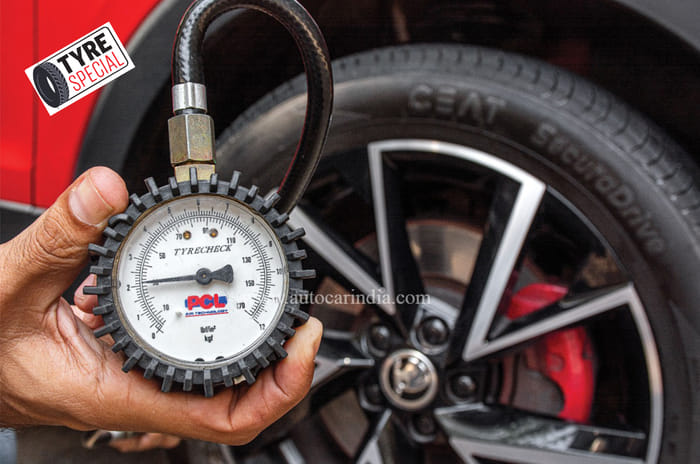
Credit: www.autocarindia.com
How Tire Pressure Affects Fuel Economy
Correct tire pressure is key to saving fuel. Tires that are too soft or too hard can waste energy.
Understanding how tire pressure impacts fuel use helps drivers maintain better mileage and reduce costs.
Rolling Resistance And Fuel Consumption
Rolling resistance is the force that tires need to keep moving. Low pressure increases this force.
More rolling resistance means the engine works harder and burns more fuel.
Optimal Vs. Underinflated Tires
Optimal tire pressure helps tires roll smoothly. Underinflated tires cause poor fuel economy and wear.
- Optimal tires improve gas mileage by reducing drag.
- Underinflated tires increase fuel consumption by up to 10%.
- Low pressure leads to faster tire wear and safety risks.
Overinflation Risks
Too much air in tires can cause problems too. It reduces the tire’s contact with the road.
| Risk | Effect |
| Hard Ride | Less comfort and poor handling |
| Uneven Tire Wear | Wears center of tire faster |
| Reduced Traction | Less grip on wet or slippery roads |
Checking And Maintaining Tire Pressure
Keeping the right tire pressure is vital for saving fuel. It helps your car run smoothly and efficiently. Regular checks ensure safety and better mileage.
Under-inflated tires can cause more fuel use. Over-inflated tires can lead to a rough ride. Regular maintenance is key to avoiding these issues.
Recommended Pressure Levels
The right tire pressure varies by car model. You can find this information in the car manual or on a sticker inside the driver’s door. Always follow these guidelines for best results.
- Check the car manual for exact numbers
- Look for the sticker on the driver’s door
- Keep front and rear tires at recommended levels
Tools For Accurate Measurement
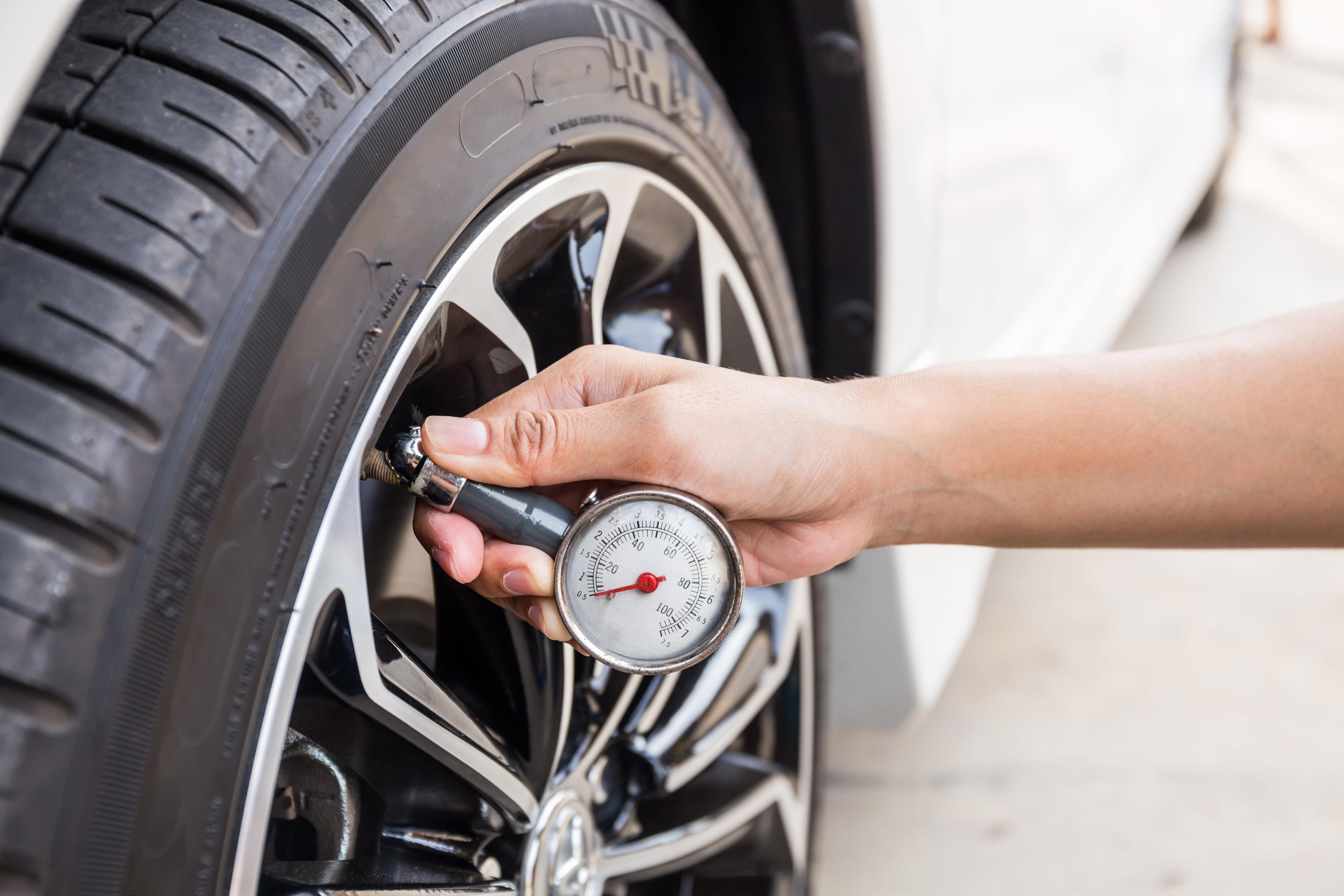
Having the right tools makes checking tire pressure easy. A pressure gauge is essential. Digital gauges are more accurate than analog ones.
- Use a digital pressure gauge for accuracy
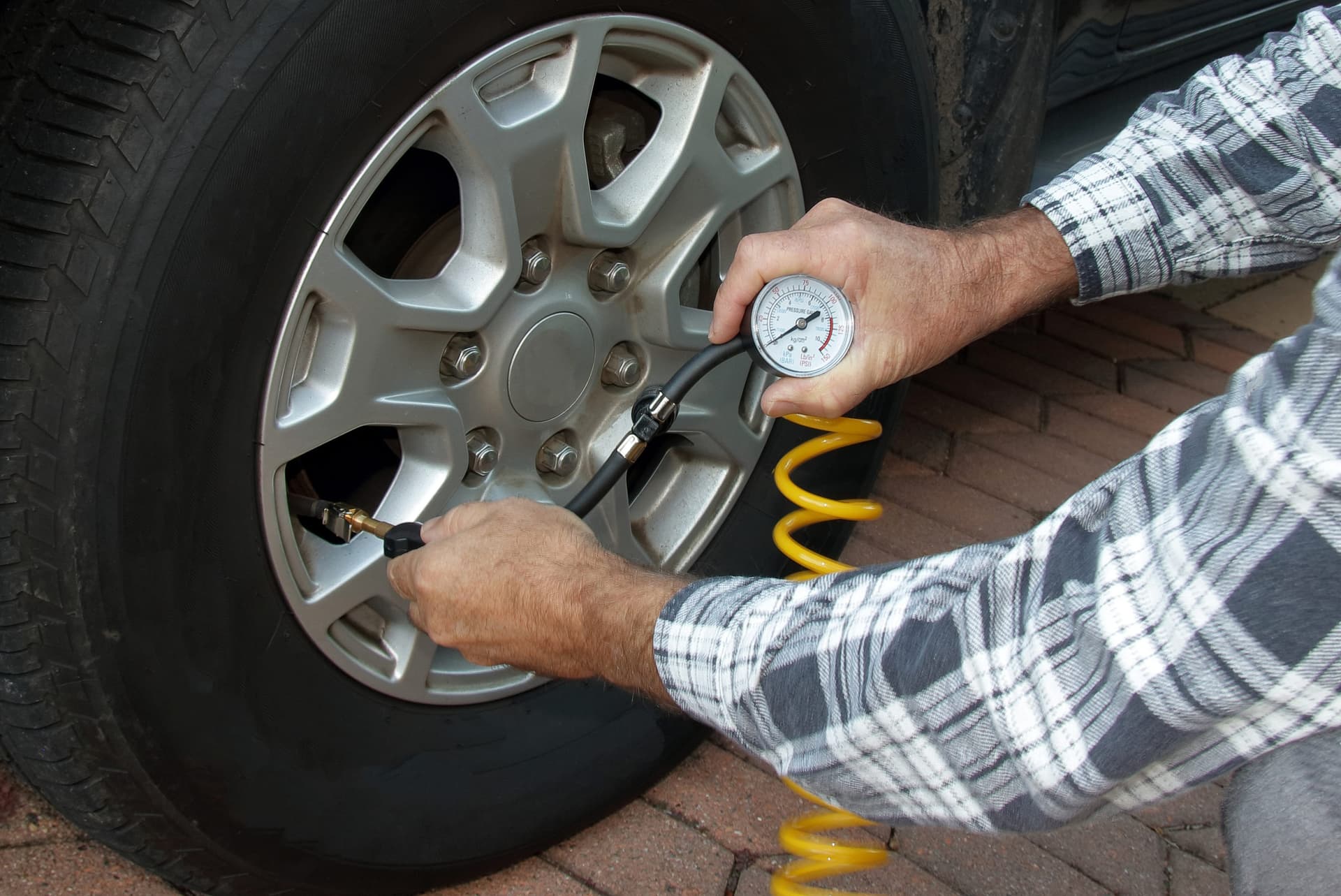
- Pumps with built-in gauges are convenient
- Portable air compressors help in emergencies
When To Check Tire Pressure
Check tire pressure monthly for best results. Temperature changes can affect pressure. Always check before long trips.
- Check monthly to maintain correct pressure
- Check when tires are cold for accurate readings
- Inspect before long journeys or road trips
Credit: simpletire.com
Benefits Of Correct Tire Pressure
Keeping your tires at the right pressure is very important for your vehicle. It affects how much fuel you use and how well your car runs.
Correct tire pressure helps save money and keeps your car safe. It also makes your tires last longer and improves driving comfort.
Maximizing Fuel Savings
Proper tire pressure lowers the resistance between the tire and the road. This means your car uses less energy to move forward.
Under-inflated tires cause your engine to work harder. This increases fuel consumption and costs more money.
- Check tire pressure monthly to maintain efficiency
- Use a good gauge for accurate readings
- Inflate tires to the vehicle manufacturer’s recommended level
Extending Tire Life
Tires with correct pressure wear out evenly. This helps them last longer and saves you from buying new tires often.
Low pressure causes tires to wear faster on the edges. High pressure wears out the center of the tires quickly.
- Properly inflated tires reduce the risk of blowouts
- Even tire wear improves safety on the road
- Maintains tire strength and durability
Improving Vehicle Performance
Correct tire pressure helps your car handle better. It improves braking and steering response.
Properly inflated tires give a smoother ride and reduce vibrations. This makes driving more comfortable and safe.
- Better grip on wet and dry roads
- Improved stability during turns
- Reduced chances of tire damage from road hazards
Common Myths About Tire Pressure
Tire pressure affects how your car drives and how much fuel it uses. Many drivers believe wrong things about tire pressure. These myths can cause poor fuel economy and unsafe driving.
We will look at three common myths about tire pressure. Understanding the truth helps you keep your tires at the right pressure for better mileage and safety.
Higher Pressure Means Better Mileage
Some think that pumping tires to very high pressure saves fuel. Higher pressure can reduce rolling resistance a little. But too much pressure lowers tire grip and causes uneven wear.
- Overinflated tires can wear out quickly in the center.
- Too high pressure makes the ride harsh and less safe.
- Fuel economy gains are small and not worth the risks.
Inflate Tires Only When Flat
Many drivers wait until tires are flat or very low to add air. This is wrong. Tires lose pressure slowly over time. Low pressure reduces fuel economy and can cause tire damage.
Check your tire pressure once a month. Use a reliable gauge to keep tires at the recommended level. This simple habit saves fuel and improves safety.
Factory Settings Are Always Best
Car makers set tire pressure for a balance of comfort and safety. But sometimes drivers think they must never change this setting. Adjustments can be needed for heavy loads or special driving.
| Condition | Recommended Pressure Adjustment |
| Normal driving | Use factory setting |
| Heavy load or towing | Increase pressure by 2-4 PSI |
| High-speed driving | Check tire and car manual |
Credit: simpletire.com
Tips For Long-term Tire Care
Maintaining the correct tire pressure helps save fuel and keeps your car safe. Proper tire care can extend the life of your tires.
Follow simple tips to keep your tires in good shape for a long time. This will improve your car’s performance and lower fuel costs.
Regular Inspections
Check your tire pressure at least once a month. Use a reliable tire pressure gauge to get accurate readings.
Look for signs of damage like cuts, cracks, or uneven wear. These can affect safety and fuel efficiency.
- Check pressure when tires are cold
- Inspect tread depth regularly
- Look for objects stuck in tires
Seasonal Adjustments
Tire pressure changes with temperature. Adjust it during cold or hot seasons to keep it at the right level.
Lower pressure in winter can cause poor fuel economy. Higher pressure in summer helps tires last longer.
- Check pressure more often in winter
- Increase pressure slightly in hot weather
- Follow vehicle manufacturer’s pressure guide
Professional Maintenance
Visit a tire specialist for regular balancing and alignment. This prevents uneven tire wear and keeps fuel use low.
Professionals can spot hidden problems and fix them early. This helps you avoid costly repairs and fuel waste.
- Get tire rotation every 5,000 to 7,000 miles
- Check wheel alignment annually
- Have tire balancing done as needed
Frequently Asked Questions
How Does Tire Pressure Affect Fuel Economy?
Proper tire pressure reduces rolling resistance, helping the engine use less fuel. Underinflated tires increase drag, lowering fuel efficiency and raising fuel costs.
What Is The Ideal Tire Pressure For Better Mileage?
The ideal tire pressure depends on your vehicle, found on the driver’s door or owner’s manual. Maintaining this pressure ensures optimal fuel economy and safety.
How Often Should I Check Tire Pressure?
Check tire pressure at least once a month and before long trips. Regular checks help maintain fuel efficiency and extend tire life.
Can Incorrect Tire Pressure Damage My Tires?
Yes, underinflated tires wear unevenly and overheat, risking blowouts. Overinflated tires can cause a harsh ride and uneven tread wear.
Conclusion
Maintaining the right tire pressure saves fuel and money. It also helps your tires last longer. Proper pressure improves your car’s safety and performance. Check tire pressure regularly with a reliable gauge. Avoid driving on underinflated tires to reduce fuel waste.
Small efforts lead to big savings over time. Keep your tires properly inflated for a smoother ride. Simple steps make a real difference in fuel economy. Don’t forget: correct tire pressure benefits both you and the environment.







