
Your vehicle’s safety depends on many small parts working perfectly, and wheel studs are one of the most important. If you don’t check your wheel studs regularly, you could face serious problems like loose wheels or even accidents.
Imagine driving without knowing that a tiny but crucial part is failing right under your feet. You’ll discover why keeping an eye on your wheel studs can save you money, prevent dangerous situations, and keep your rides smooth and worry-free.
Don’t wait until it’s too late—read on to learn how a simple check can protect you and your loved ones on the road.
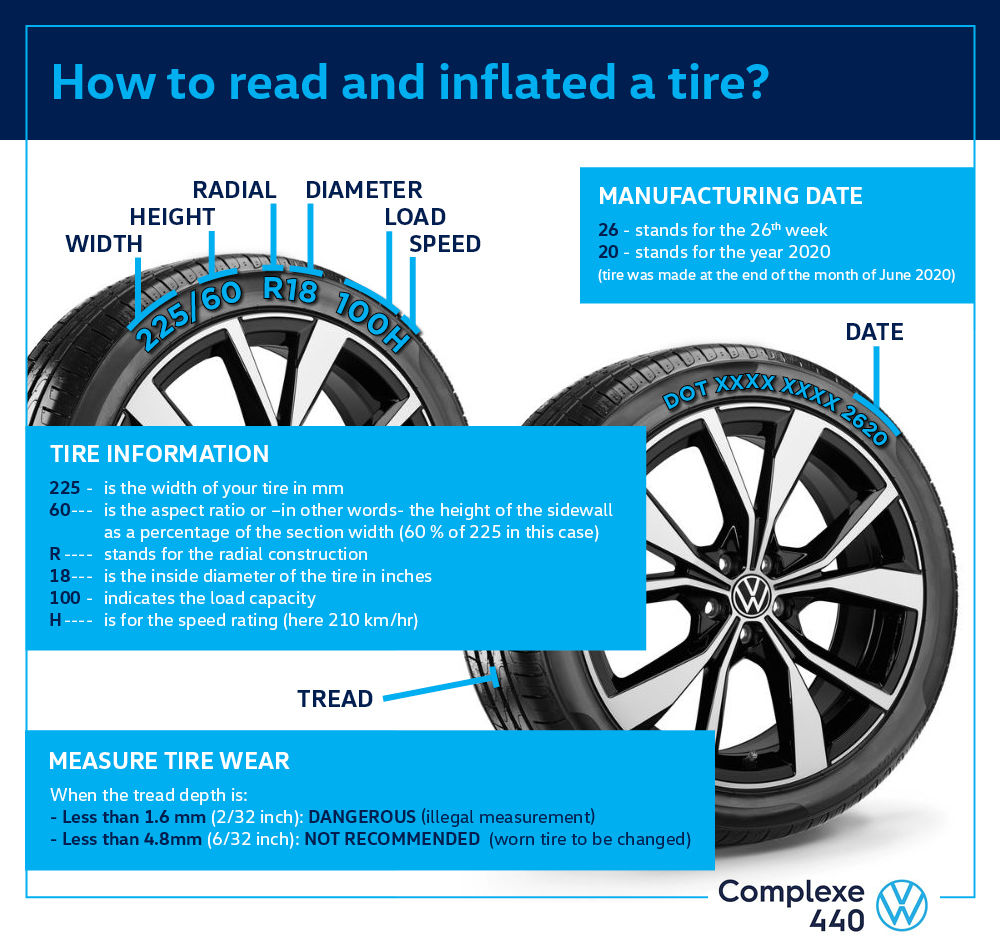
Credit: www.complexevw440.com
Role Of Wheel Studs
Wheel studs hold the wheels firmly to the vehicle. They keep wheels attached to the hub. Checking studs often helps avoid accidents.
Damage or loose studs cause wheel problems. Knowing their role helps keep your vehicle safe and smooth.
Function In Vehicle Safety
Wheel studs secure the wheel to the axle. They stop wheels from wobbling or falling off. Strong studs protect passengers and other road users.
- Hold the wheel tightly to avoid accidents
- Prevent wheel detachment during driving
- Help maintain vehicle stability
- Support braking and steering forces safely
Impact On Wheel Performance
Good wheel studs improve wheel balance and driving comfort. Damaged studs cause vibrations and uneven tire wear.
| Effect | Cause | Result |
| Vibration | Loose or damaged studs | Uncomfortable ride |
| Tire wear | Uneven wheel fit | Shortened tire life |
| Wheel misalignment | Broken studs | Steering issues |
| Wheel loss risk | Missing studs | Serious accidents |

Credit: www.motor1.com
Signs Of Wheel Stud Wear
Wheel studs hold your wheels firmly to the vehicle. Checking them often keeps you safe. Worn studs can break and cause accidents.
Look for signs of wear before driving. Early checks help avoid costly repairs and dangerous situations.
Visible Damage Indicators
Damaged wheel studs show clear signs you can spot. Look closely at each stud for problems. Here are common damage signs:
- Cracks along the stud shaft
- Rust and corrosion buildup
- Worn or stripped threads
- Loose or missing lug nuts
- Bent or twisted studs
Effects On Driving Experience
Worn wheel studs affect how your vehicle drives. They can cause vibration, noise, and unsafe handling.
| Symptom | Cause | Impact |
| Vibration in steering wheel | Loose wheel studs | Unstable driving and discomfort |
| Unusual noises near wheels | Damaged studs or lug nuts | Possible wheel loosening |
| Wheel wobble or movement | Broken or bent studs | Risk of wheel falling off |
| Uneven tire wear | Improper wheel fit | Reduced tire life and safety |
Risks Of Neglecting Wheel Studs
Wheel studs hold your wheels securely to your vehicle. Checking them often helps avoid serious problems.
Ignoring wheel studs can lead to dangerous situations and expensive fixes. Regular checks keep you safe and save money.
Potential Safety Hazards
Loose or damaged wheel studs can cause wheels to wobble or fall off while driving. This puts you and others at risk.
Failing wheel studs increase the chance of accidents. They affect how well your vehicle handles and brakes.
- Wheel detachment during travel
- Loss of vehicle control
- Increased risk of crashes
- Damage to brake and suspension parts
Costly Repairs And Downtime
Broken wheel studs can damage the wheel hub and brakes. This leads to expensive repairs and long fixing times.
If a wheel falls off, you might need towing and replacement parts. This causes delays and extra costs.
- Replacement of wheel studs and nuts
- Repair of wheel hubs or brake systems
- Costs for towing and emergency services
- Time lost waiting for repairs
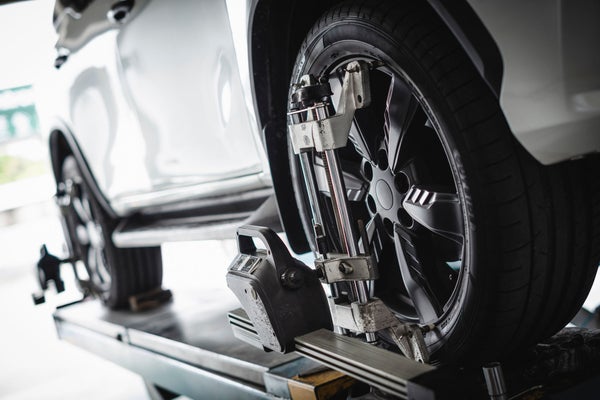
Credit: www.continental-tires.com
Inspection Techniques
Checking wheel studs regularly keeps your vehicle safe. Proper inspection helps spot damage early.
Use different methods to ensure wheel studs are in good condition. This guide covers basic and professional checks.
Basic Visual Checks
Look closely at the wheel studs for signs of wear or damage. Check for rust, cracks, or bent studs.
- Inspect for corrosion around the base of the studs
- Check if the studs are straight and not bent
- Look for any cracks or breaks in the metal
- Ensure the threads are clean and not stripped
- Verify the lug nuts fit tightly without wobbling
Professional Assessment Methods
Experts use tools to measure stud condition and strength. These tests detect problems not visible to the eye.
| Method | Purpose |
|---|---|
| Torque Testing | Checks if studs hold correct tightness |
| Magnetic Particle Inspection | Finds cracks inside the metal |
| Ultrasonic Testing | Detects internal flaws and thickness issues |
| Thread Gauging | Measures thread wear and damage |
Maintenance Tips
Checking wheel studs regularly helps keep your vehicle safe and reliable. Proper maintenance prevents wheel damage and accidents.
Two key areas for wheel stud care are cleaning with lubrication and applying the correct torque. These steps extend stud life and ensure wheels stay secure.
Regular Cleaning And Lubrication
Dirt and rust can damage wheel studs and make them hard to remove. Cleaning and lubricating the studs keeps them in good shape.
- Remove dirt and debris from the studs using a wire brush
- Apply a thin layer of anti-seize lubricant to prevent rust
- Wipe off excess lubricant to avoid attracting dust
- Inspect studs for cracks or wear during cleaning
- Repeat cleaning and lubrication every few months or after off-road driving
Proper Torque Application
Using the right torque is vital to keep wheel studs secure and prevent damage. Over-tightening or under-tightening can cause problems.
| Torque Issue | Effect on Wheel Studs | Action to Take |
| Over-tightening | Can stretch or break studs | Use a torque wrench and follow vehicle specs |
| Under-tightening | May cause wheel looseness | Check torque with proper tool after installation |
| Uneven torque | Leads to uneven wear and damage | Tighten studs in a star pattern |
When To Replace Wheel Studs
Wheel studs are vital for car safety. They hold your wheels in place. Regular checks help prevent accidents.
Knowing when to replace them ensures your vehicle runs smoothly. Ignoring worn studs can lead to serious issues.
Signs Replacement Is Needed
Recognizing signs of wear is crucial. This helps maintain vehicle safety. Look for common indicators.
- Loose wheels during driving
- Visible damage or rust on studs
- Difficulty tightening lug nuts
Choosing Quality Replacement Parts
Quality parts ensure long-lasting safety. Poor-quality studs can fail quickly. Choose wisely for peace of mind.
Research brands and read reviews. Trusted manufacturers often provide better products. Invest in quality for safety.
| Considerations | Benefits |
| Material quality | Durability and strength |
| Brand reputation | Reliability assurance |
| Warranty | Protection against defects |
Enhancing Overall Vehicle Safety
Checking wheel studs regularly is important for vehicle safety. Wheel studs hold the wheel to the hub. If they fail, wheels can come off while driving.
Regular checks ensure that wheel studs are tight and in good condition. This prevents accidents and keeps passengers safe.
Integrating Wheel Stud Checks Into Routine Maintenance
Add wheel stud checks to your regular maintenance routine. This can be done when changing tires or during oil changes.
Make a checklist for your vehicle maintenance. Include wheel stud inspection to ensure they are not loose or damaged.
- Check wheel studs every 3,000 miles
- Inspect during every tire rotation
- Ensure proper torque with a torque wrench
Benefits Of Consistent Monitoring
Consistently monitoring wheel studs prevents unexpected failures. It helps catch issues early before they become serious problems.
Regular checks can save money on costly repairs. It also reduces the risk of accidents caused by wheel detachment.
- Improves vehicle lifespan
- Increases safety for all passengers
- Reduces repair costs over time
Frequently Asked Questions
Why Is Checking Wheel Studs Important?
Checking wheel studs ensures your wheels stay securely attached. It prevents accidents caused by loose or damaged studs. Regular inspection helps identify wear or corrosion early, maintaining vehicle safety and performance. It also avoids costly repairs and enhances driving confidence.
How Often Should Wheel Studs Be Inspected?
Wheel studs should be checked at least every 6 months. Inspect them during tire rotations or brake servicing. Frequent checks are vital for vehicles driven on rough roads. Regular inspections catch potential issues early, ensuring safe and smooth driving.
What Are Signs Of Damaged Wheel Studs?
Damaged wheel studs may show visible cracks, rust, or bending. You might notice loose wheels or unusual vibrations while driving. Difficulty tightening lug nuts is another sign. Identifying these symptoms early prevents wheel detachment and ensures safety.
Can Neglected Wheel Studs Cause Accidents?
Yes, neglected wheel studs can lead to wheel detachment. Loose wheels cause loss of vehicle control, risking serious accidents. Regular checks and maintenance prevent such dangerous situations. Prioritizing wheel stud health is crucial for your safety and others on the road.
Conclusion
Checking wheel studs regularly keeps your vehicle safe on the road. Loose or damaged studs can cause serious problems. Regular inspections help find issues early. Fixing problems fast saves you money and stress. Don’t ignore this small but important part of your car.
Safe wheels mean safer driving for you and others. Make it a habit to check wheel studs often. Simple steps protect your vehicle and your life. Stay alert, stay safe.







