
Imagine driving through heavy rain and suddenly losing control of your car. Scary, right?
This dangerous moment is often caused by aquaplaning, where water builds up under your tires and makes your vehicle slide uncontrollably. But here’s the thing—you can reduce this risk by simply checking your tire tread regularly. Your tire tread is the key to gripping wet roads and staying safe.
Keep reading to discover why checking your tire tread is crucial and how it can protect you and your loved ones every time you hit the road.
Tire Tread And Aquaplaning
Aquaplaning happens when tires lose contact with the road. This occurs on wet surfaces. Tire tread plays a key role in preventing this.
Good tread helps move water away from the tire. This keeps grip strong and helps drivers stay safe in rain.
Role Of Tread In Water Displacement
Tread grooves channel water away from the tire’s surface. This stops a layer of water from forming under the tire.
- Grooves create paths for water to escape
- Sipes improve water flow and traction
- Wide channels clear more water quickly
- Proper tread design reduces slipping risk
How Tread Depth Affects Grip
Deeper tread means better grip on wet roads. Shallow tread can cause loss of control by aquaplaning.
| Tread Depth (mm) | Aquaplaning Risk | Grip Level |
| 6 or more | Low | High |
| 3 to 5 | Moderate | Medium |
| Below 3 | High | Low |
Risks Of Aquaplaning
Aquaplaning happens when water builds between tires and road. It stops tires from gripping the road well.
Checking tire tread helps prevent this dangerous loss of control on wet roads.
Loss Of Control On Wet Roads
Tires with low tread cannot push water away fast. The car slides on water instead of gripping road.
- Steering becomes hard or unresponsive
- Braking distance grows longer
- Car may spin or skid unexpectedly
- Drivers feel less confident handling the vehicle
Common Accident Scenarios
Aquaplaning often causes crashes in these common ways:
| Scenario | Description |
| High Speed Driving | Fast cars trap more water under tires |
| Heavy Rain | Roads flood quickly, reducing tire contact |
| Sharp Turns | Car slides sideways, losing control |
| Sudden Braking | Tires lock and skid on wet surface |
Checking Tire Tread
Checking your tire tread is key to safe driving in wet conditions. Good tread helps prevent aquaplaning by channeling water away from the tire surface.
Worn tires lose grip and increase the risk of slipping on wet roads. Regular tread checks keep you safer on rainy days.
Simple Tread Depth Tests
There are easy ways to test tire tread depth at home. These tests show if your tires still have enough depth to grip the road well.
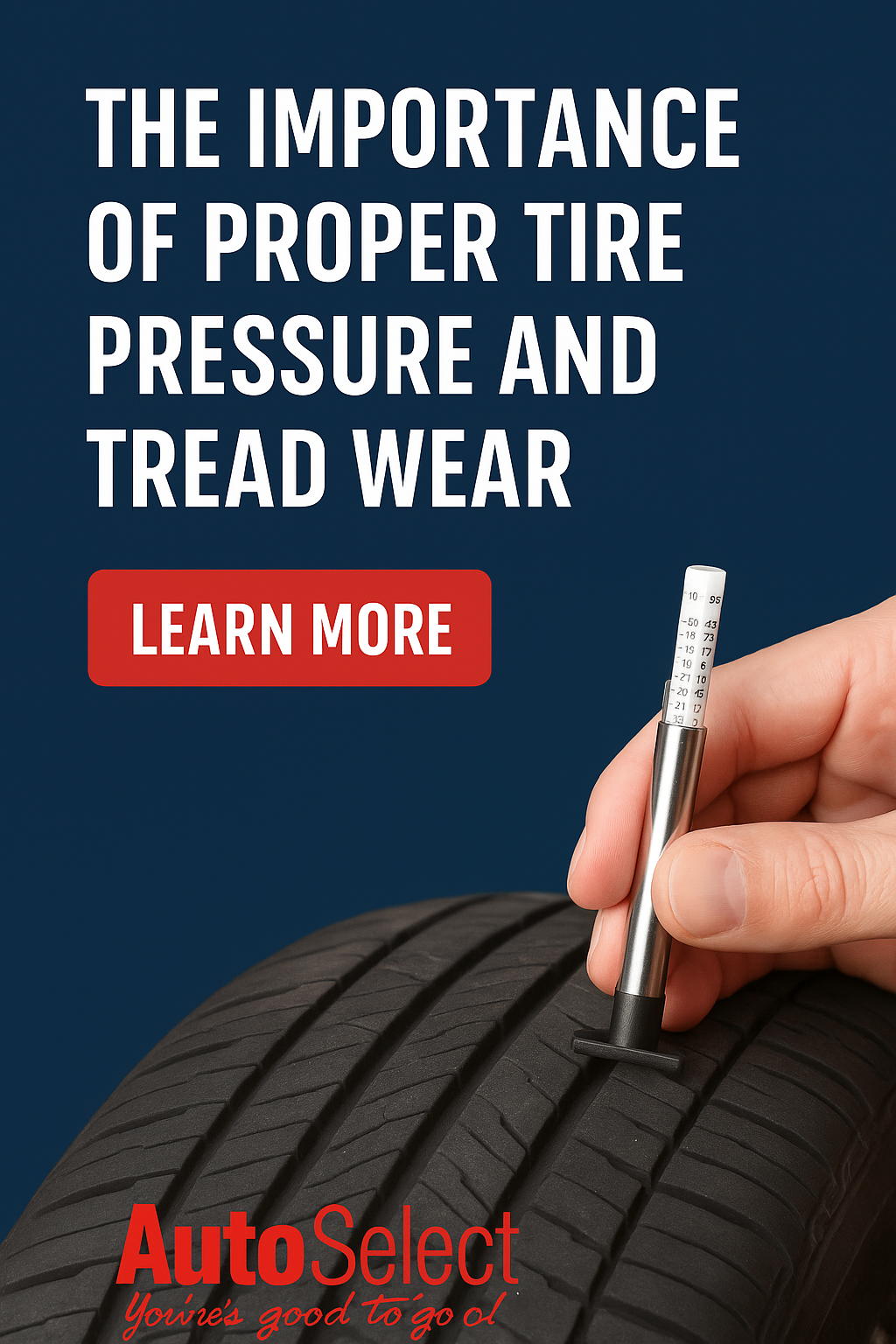
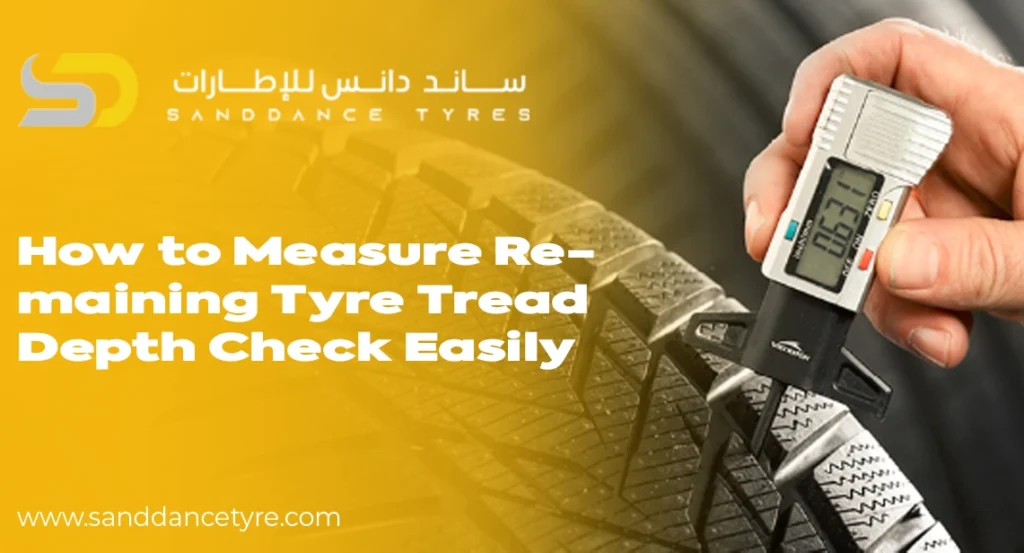
- Use a tread depth gauge for precise measurement.
- Insert a penny into the tread with Lincoln’s head facing down.
- If you see the top of Lincoln’s head, tread is too low.
- Try the quarter test for a higher safety margin.
- Look for tread wear bars that appear between grooves.
When To Replace Tires
Tires need replacement when tread depth falls below safe levels. Driving on worn tires increases aquaplaning risk and reduces control.
| Condition | Recommended Action |
| Tread depth under 2/32 inch (1.6 mm) | Replace immediately |
| Visible tread wear bars | Replace soon |
| Uneven tread wear | Inspect and replace if needed |
| Cracks or damage to sidewalls | Replace immediately |
Credit: www.autoselectonline.com
Maintaining Safe Tread Levels
Tire tread helps water move away from your tires. This stops your car from sliding on wet roads.
Checking tread depth keeps you safe from aquaplaning. It also improves your car’s grip in rain.
Regular Inspections
Look at your tires often to check the tread. Use a tread depth gauge or a coin to measure it.
Replace tires if the tread is too low. Worn-out tread cannot clear water well, causing slips.
- Check tread depth every month
- Look for uneven wear or damage
- Replace tires below 2/32 inch tread depth
Proper Tire Inflation
Keep your tires inflated to the correct pressure. Proper inflation helps the tread work well on wet roads.
Under or over-inflated tires wear out faster and lose grip. Check pressure at least once a month.
- Use a tire pressure gauge to check
- Follow the car maker’s recommended pressure
- Adjust tire pressure when tires are cold
Driving Tips To Avoid Aquaplaning
Aquaplaning happens when your tires lose contact with the road. Water builds up and causes slipping. This is dangerous and can cause accidents.
Checking tire tread and driving carefully in wet conditions helps you stay safe. Here are tips to avoid aquaplaning on wet roads.
Adjusting Speed In Wet Conditions
Driving slower gives your tires more time to move water away. High speeds increase the risk of losing control. Reduce your speed in wet weather to keep traction.
- Drive below the speed limit on wet roads.
- Slow down before curves and turns.
- Keep a steady speed to avoid sudden moves.
- Use gentle braking and acceleration.
Avoiding Standing Water
Standing water is a major cause of aquaplaning. Water can hide potholes and debris. Avoid driving through puddles and flooded areas whenever possible.
| Why Avoid Standing Water | What to Do |
|---|---|
| Water depth is hard to judge | Look for dry patches or drive around puddles |
| Can hide road damage | Slow down if you must drive through water |
| Increases aquaplaning risk | Keep tires in good condition and maintain speed |
Credit: sanddancetyre.com
Technology And Tire Design
Checking tire tread is crucial for safe driving in wet conditions. Aquaplaning happens when tires lose contact with the road because of water. Technology and tire design play a big role in preventing this.
Tire tread patterns help remove water from between the tire and the road. This reduces the risk of slipping. New designs aim to improve grip and safety.
Innovations To Combat Aquaplaning
Manufacturers use new technology to improve tire performance in rain. These innovations help prevent aquaplaning and enhance safety.
Some tires have special grooves to channel water away quickly. Others use advanced rubber compounds for better grip.
- 3D sipes increase traction on wet surfaces
- Hydroplaning indicators show when tread is too low
- Asymmetrical patterns provide balanced handling
Choosing The Right Tires For Rain
Picking the right tires is important for driving in rain. Not all tires work well on wet roads. Checking tire specifications can help in selecting the best option.
Look for tires with good reviews for wet performance. Tires with a high silica content offer better wet grip.
- Check the tire’s wet traction rating
- Consider tires with deep grooves for water evacuation
- Choose brands known for wet weather performance

Credit: www.whocanfixmycar.com
Frequently Asked Questions
What Is Aquaplaning And How Does It Occur?
Aquaplaning happens when water builds between tires and road. It causes loss of traction and control. Checking tire tread helps prevent this by improving water displacement.
Why Is Tire Tread Important For Wet Road Safety?
Tire tread channels water away from tires. Proper tread depth reduces slipping risks. This ensures better grip and safer driving in rain.
How Often Should I Check My Tire Tread Depth?
Check tire tread depth monthly or before rainy seasons. Use a tread depth gauge or penny test. Regular checks help maintain safe driving conditions.
Can Worn Tires Increase Aquaplaning Risk?
Yes, worn tires have less tread, reducing water displacement. This greatly increases aquaplaning chances. Replacing tires timely is crucial to avoid accidents.
Conclusion
Checking tire tread helps prevent dangerous aquaplaning on wet roads. Worn tires lose grip, making it hard to control your car. Regular tread checks keep your vehicle safe and steady. Good tread channels water away, reducing slip risks. Stay alert and inspect tires often to protect yourself.
Safe driving starts with proper tire care. Don’t wait for a problem—check your tires today. Your safety depends on it. Simple steps can save lives.







