
Have you ever noticed your car feeling a little off during the cold months? The secret might be right under your feet—your tire pressure.
When temperatures drop, your tires lose air faster than you think. This small change can affect your car’s safety, fuel efficiency, and even your comfort on the road. If you want to avoid unexpected problems and keep your drive smooth this winter, understanding why checking your tire pressure in cold weather matters is a must.
Keep reading to discover simple steps that can save you time, money, and stress.
Credit: www.jackburford.com
Tire Pressure Changes In Cold Weather
Tire pressure drops as temperatures fall. Cold weather makes air inside tires contract. This can cause unsafe driving conditions.
Checking tire pressure in cold weather helps keep your vehicle safe. Proper tire pressure improves handling and fuel efficiency.
How Temperature Affects Tire Pressure
Air pressure in tires changes with temperature. For every 10°F drop, tire pressure falls about 1 to 2 psi. This means cold mornings often show low tire pressure.
- Cold air shrinks, reducing tire pressure.
- Warm air expands, increasing tire pressure.
- Fluctuating temperatures cause pressure swings.
- Low pressure can cause poor traction and more tire wear.
Common Pressure Drops During Winter
| Temperature Drop (°F) | Pressure Drop (psi) |
| 10 | 1 to 2 |
| 20 | 2 to 4 |
| 30 | 3 to 6 |
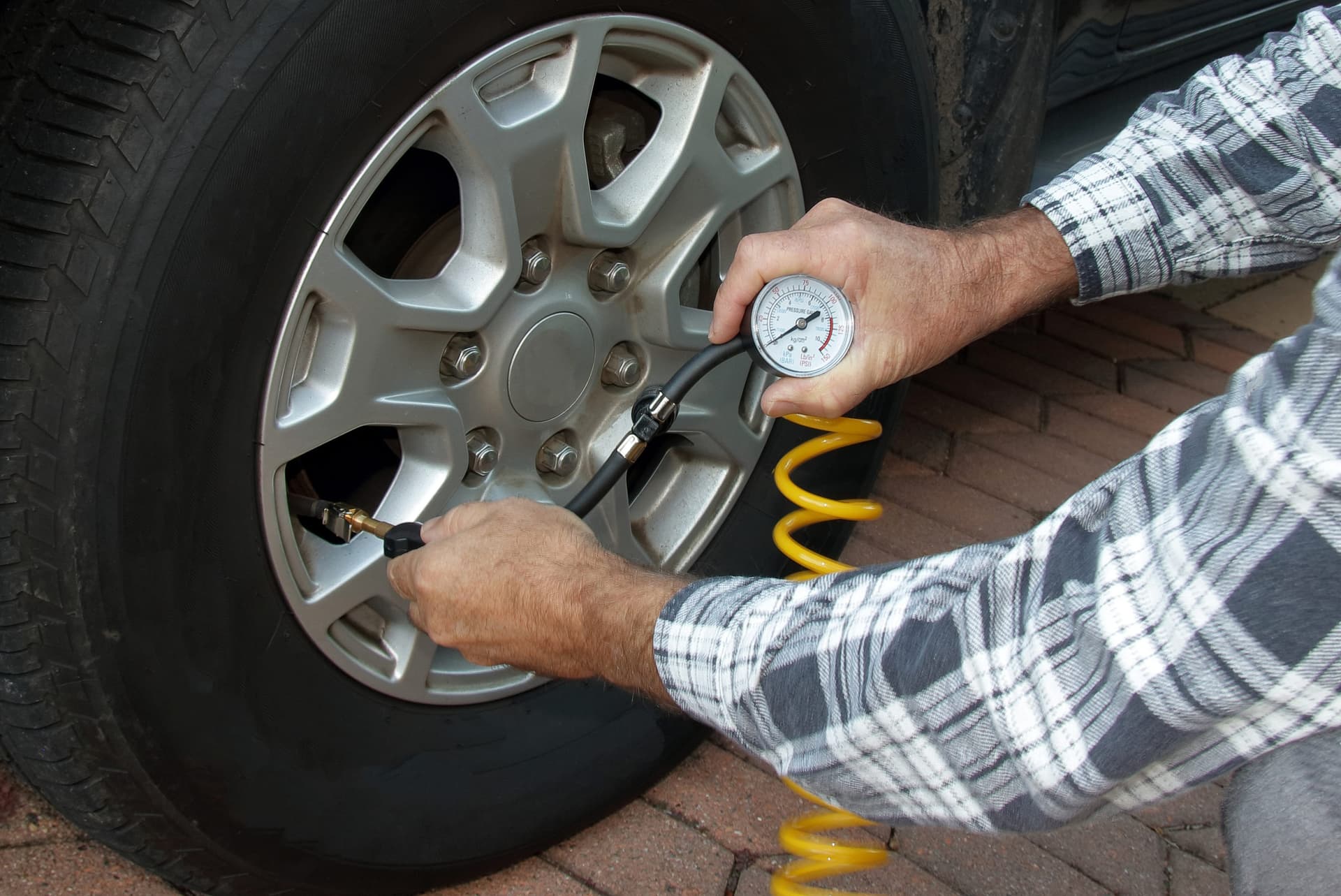
Check your tire pressure regularly in winter. Use a reliable gauge to keep tires at the recommended psi.
Credit: simpletire.com
Safety Risks Of Low Tire Pressure
Low tire pressure is a common problem in cold weather. Tires lose air as temperatures drop. This can cause serious safety issues on the road.
Checking tire pressure regularly helps keep your vehicle safe. It improves handling and reduces the risk of accidents caused by poor tire performance.
Reduced Traction And Control
Low tire pressure makes the tires softer. Softer tires have less grip on icy or wet roads. This reduces traction and control, making it harder to steer and brake safely.
Increased Chance Of Blowouts
When tire pressure is too low, tires flex more. This extra movement causes heat build-up inside the tire. Heat weakens the tire material and can lead to blowouts.
- Low pressure increases tire wear
- Heat build-up rises quickly
- Weakened tires can burst suddenly
- Blowouts cause loss of vehicle control
Longer Stopping Distances
Underinflated tires have more contact with the road surface. This increases rolling resistance and slows down braking response. It takes longer to stop the vehicle safely.
| Pressure Level | Stopping Distance (feet) |
| Proper Pressure | 120 |
| 10% Below Recommended | 135 |
| 20% Below Recommended | 150 |
Economic Benefits Of Proper Tire Pressure
Checking tire pressure in cold weather saves money. Cold air makes tires lose pressure faster.
Keeping tires at the right pressure lowers fuel costs and repair bills.
Improved Fuel Efficiency
Tires with correct pressure roll easier. This means your car uses less gas to move.
Low tire pressure increases fuel use by making the engine work harder.
- Proper pressure reduces fuel consumption
- Saves money on gas over time
- Helps your car run smoother
Extended Tire Lifespan
Underinflated tires wear out unevenly and faster. Proper pressure spreads wear evenly.
Well-maintained tires last longer and need fewer replacements.
- Even tire wear saves money
- Less frequent tire replacement
- Better tire performance in cold weather
Avoiding Costly Repairs
Low tire pressure can cause damage to wheels and suspension parts. This leads to expensive fixes.
Keeping tires properly inflated helps prevent these problems and repair costs.
- Prevents wheel damage
- Protects suspension system
- Reduces risk of tire blowouts
Tips For Checking Tire Pressure In Cold Weather
Cold weather affects tire pressure. Air inside tires shrinks when it gets cold. This makes tires lose pressure.
Checking tire pressure in winter helps keep your car safe. Proper pressure improves grip and fuel efficiency.
Best Times To Check Pressure
Check tire pressure when tires are cold. Cold tires give the most accurate reading. Avoid checking after driving.
Check pressure in the morning or after the car has been parked for a few hours. This helps avoid false low readings.
Using Accurate Pressure Gauges
Use a good quality tire pressure gauge. Digital or dial gauges are easy to read. Avoid cheap or damaged gauges.
- Keep the gauge clean and free of dirt
- Press the gauge firmly on the valve stem
- Check the gauge’s accuracy regularly
Recommended Pressure Levels For Winter
Check your vehicle’s manual for the right tire pressure. Cold weather may lower pressure by 1-2 psi for every 10°F drop.
Keep tires inflated to the recommended level. Do not overinflate; this can reduce tire grip and increase wear.
| Temperature Drop (°F) | Pressure Drop (psi) |
|---|---|
| 10 | 1-2 |
| 20 | 2-4 |
| 30 | 3-6 |
Additional Winter Tire Maintenance
Cold weather affects tire pressure and performance. Proper tire care keeps your vehicle safe.
Check tires often to avoid problems during winter drives. Use these tips to maintain tires well.
Inspecting For Damage And Wear
Look closely at your tires for cracks, cuts, or worn tread. Cold weather can cause rubber to crack.
- Check tread depth to ensure good grip on icy roads.
- Remove stones or debris stuck in the tread.
- Look for uneven wear that may signal alignment issues.
- Inspect sidewalls for bulges or bubbles.
Rotating Tires Regularly
Rotate tires every 5,000 to 8,000 miles. This helps them wear evenly and last longer.
| Rotation Pattern | Purpose |
| Front to Rear Swap | Balances tread wear on all tires |
| Cross Rotation | Improves even wear on front and rear tires |
| Check Air Pressure | Maintain correct pressure after rotation |
Considering Winter Tires
Winter tires offer better traction on snow and ice. They use softer rubber that stays flexible in cold weather.
Benefits of Winter Tires:
- Improved grip on slippery roads
- Shorter stopping distances in snow
- Better handling in freezing temperatures
Credit: point-s.ca
Frequently Asked Questions
Why Does Tire Pressure Drop In Cold Weather?
Tire pressure drops because cold air contracts, reducing volume inside the tire. This causes underinflation, affecting vehicle safety and performance.
How Often Should I Check Tire Pressure In Winter?
Check tire pressure at least once a week during cold months. Frequent checks help maintain optimal pressure and prevent unsafe driving conditions.
Can Low Tire Pressure Cause Accidents In Winter?
Yes, low tire pressure reduces traction and handling on icy roads. It increases the risk of skidding and accidents during winter driving.
What Is The Ideal Tire Pressure For Cold Weather?
Follow your vehicle manufacturer’s recommended tire pressure. It’s usually found on the door frame or in the owner’s manual.
Conclusion
Checking tire pressure in cold weather keeps you safe on the road. Tires lose air when temperatures drop. Low pressure can cause poor handling and longer stops. It also wears tires faster and lowers fuel efficiency. Regular checks help avoid these problems.
Use a reliable gauge and check tires often. Stay safe and save money by keeping tires properly inflated during winter months. Simple steps can make a big difference. Don’t ignore tire pressure when it gets cold. Your car and wallet will thank you.







