
Imagine facing a sudden power outage when you need electricity the most. Your phone dies, the lights go out, and everything around you feels uncertain.
This is where backup batteries become your reliable lifeline. They ensure you stay connected, safe, and in control during emergencies. You’ll discover why having a backup battery isn’t just a convenience—it could be a crucial part of protecting yourself and your loved ones when it matters most.
Keep reading to learn how to prepare for the unexpected with the right power solution.
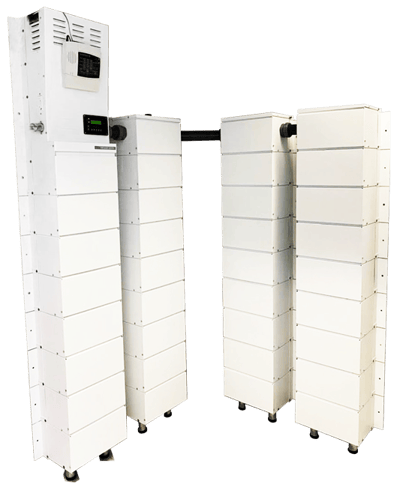
Credit: www.mediproducts.net
Why Backup Batteries Matter
Backup batteries provide power when the main source fails. They keep important devices running during emergencies.
Having a backup battery helps you stay safe and connected. It is a simple way to prepare for power loss.
Power Outages And Their Impact
Power outages can happen anytime and last for hours or days. They can disrupt daily life and cause stress.
Without power, homes lose heat, lights, and communication tools. This can make emergencies worse and harder to manage.
Critical Devices That Need Power
Some devices must stay on during outages. Backup batteries keep these devices running to protect health and safety.
- Medical devices like oxygen machines and monitors
- Communication devices such as phones and routers
- Lighting to avoid accidents at home
- Security systems to keep your home safe
Peace Of Mind During Emergencies
Backup batteries reduce worry during power failures. You know critical devices will keep working.
They help families stay calm and prepared. Having power when others don’t brings comfort and safety.

Credit: oupes.com
Types Of Backup Batteries
Backup batteries are important during emergencies. They keep your devices powered when electricity goes out.
There are different types of backup batteries. Each type fits different needs and situations.
Portable Power Banks
Portable power banks are small and easy to carry. They charge phones, tablets, and small gadgets on the go.
They use lithium-ion batteries and can be recharged many times. Power banks come in many sizes and capacities.
- Best for charging small devices
- Lightweight and portable
- Good for short-term power needs
Uninterruptible Power Supplies (ups)
UPS devices provide backup power to computers and home electronics. They protect against sudden power loss.
They contain batteries that start working instantly during outages. UPS units also help prevent data loss.
- Used for computers and servers
- Provides steady power during outages
- Protects sensitive equipment
Solar-powered Battery Packs
Solar-powered battery packs use sunlight to recharge. They are useful in places without electricity.
These packs store solar energy in batteries. They can power small devices and lights during emergencies.
- Recharge using the sun
- Ideal for outdoor use
- Eco-friendly and renewable
Choosing The Right Backup Battery
Backup batteries help keep your devices running during emergencies. Picking the right one means you stay connected and safe.
You need to think about power, size, device compatibility, and cost before buying a backup battery.
Capacity And Power Output
The capacity tells you how long the battery will last. Power output shows what devices it can support. Choose a battery with enough capacity for your needs and the right power output to charge your devices.
Portability And Size
Smaller batteries are easy to carry but may have less power. Larger ones last longer but can be heavy. Think about where you will use the battery and how easy it is to take along.
Compatibility With Devices
- Check the battery’s output ports (USB, USB-C, etc.).
- Make sure it supports your phone, tablet, or laptop.
- Look for batteries with multiple ports to charge many devices.
- Consider batteries that offer fast charging if needed.
Budget Considerations
| Price Range | Capacity (mAh) | Portability | Best For |
|---|---|---|---|
| Low ($20 – $50) | 5,000 – 10,000 | Light and small | Phones and small devices |
| Medium ($50 – $100) | 10,000 – 20,000 | Moderate size | Multiple devices and tablets |
| High ($100+) | 20,000+ | Large and heavy | Laptops and long use |

Credit: www.batteriesplus.com
Maintaining Backup Batteries
Backup batteries are important during emergencies. They keep your devices working when power goes out.
Taking care of your backup batteries helps them last longer. Proper maintenance ensures they work when needed.
Proper Storage Tips
Store batteries in a cool, dry place. Avoid direct sunlight and places with high heat.
Keep batteries away from metal objects. This prevents short circuits and damage.
- Store at room temperature (20°C to 25°C)
- Keep batteries in original packaging or plastic cases
- Do not store batteries near heat or moisture
- Keep batteries away from children and pets
Regular Testing And Charging
Test backup batteries once every three months. Testing helps find problems early.
Charge batteries fully before storing them. Check the charge level often to keep them ready.
- Use the recommended charger for your battery type
- Do not overcharge or let batteries fully drain
- Test battery voltage or use built-in test buttons
- Replace or recharge batteries that show low power
Replacing Old Batteries
Old batteries lose their ability to hold a charge. Replace them every few years or as needed.
Check the battery label for the expiration date. Do not keep expired batteries as backups.
- Replace batteries every 3 to 5 years
- Dispose of old batteries safely at recycling centers
- Use the same type and size when replacing batteries
- Keep track of battery purchase and replacement dates
Practical Uses During Emergencies
Backup batteries are vital in emergencies. They keep essential devices working when power fails.
Power outages can last hours or days. Having backup power helps maintain safety and communication.
Keeping Communication Devices Alive
Communication devices like phones and radios must stay charged. Backup batteries ensure calls and alerts continue.
- Charge mobile phones to contact family and emergency services
- Power radios for weather updates and news
- Keep walkie-talkies running for local communication
- Support satellite phones in areas without cell service
Powering Medical Equipment
Medical devices need constant power to work. Backup batteries help keep these devices safe and functional.
| Device | Importance | Backup Battery Role |
| Oxygen concentrator | Life support | Maintains oxygen supply |
| CPAP machine | Sleep apnea treatment | Ensures therapy continues |
| Portable nebulizer | Respiratory relief | Allows medication delivery |
| Heart monitor | Health monitoring | Keeps data recording active |
Lighting And Safety
Lighting is crucial during power outages. Backup batteries power lights to prevent accidents and keep homes safe.
- Power flashlights and lanterns
- Run emergency exit signs and alarms
- Keep outdoor security lights on
- Support portable fans or heaters if needed
Future Trends In Backup Power
Backup batteries are crucial in emergencies. They provide power when the main source fails. Future trends show exciting developments in this area.
New technologies make backup power more reliable. They also make it more efficient and eco-friendly.
Advances In Battery Technology
Battery technology is improving fast. Modern batteries last longer and charge quicker. They are also becoming smaller and lighter.
These improvements make backup batteries more practical. They help keep devices powered for longer periods.
- Lithium-ion batteries are popular for their efficiency
- Solid-state batteries offer more safety
- Flow batteries provide scalable energy storage
Integration With Renewable Energy
Backup batteries can work with renewable energy sources. Solar and wind power can charge these batteries.
This integration makes backup systems more sustainable. It reduces reliance on fossil fuels.
- Solar panels charge batteries during the day
- Wind turbines provide power in windy conditions
- Hybrid systems combine multiple energy sources
Smart Backup Systems
Smart systems manage backup power efficiently. They use technology to monitor energy usage.
These systems optimize when to use stored power. They ensure power is available during critical times.
- Smart systems communicate with home devices
- They predict energy needs based on usage patterns
- Remote monitoring allows for easy management
Frequently Asked Questions
What Are Backup Batteries Used For In Emergencies?
Backup batteries provide power during outages, ensuring essential devices remain operational. They support communication, lighting, and medical equipment when electricity fails, enhancing safety and convenience.
How Long Can Backup Batteries Last During Power Outages?
Backup battery life varies by capacity and usage. Most last from a few hours to several days, depending on the device and load connected.
Why Are Backup Batteries Crucial For Home Safety?
Backup batteries keep alarms, lights, and medical devices running during blackouts. They prevent accidents, ensure communication, and maintain comfort, making homes safer in emergencies.
Can Backup Batteries Power Entire Homes?
Large backup battery systems can power essential home circuits. However, they usually support critical devices only, not full household energy needs.
Conclusion
Backup batteries keep your devices running during power outages. They provide safety and peace of mind in emergencies. Having one ensures you stay connected and informed. Power failures can happen anytime, without warning. Being prepared helps you avoid stress and confusion.
Backup batteries are easy to use and maintain. They offer a simple way to protect your home and family. Don’t wait for an emergency to act. Invest in backup power to stay safe and ready.







