
When snow and ice cover the roads, driving can quickly become dangerous. If you want to stay safe and avoid getting stuck, knowing how to use tire chains on your car during a snow emergency is crucial.
You might feel unsure or worried about putting them on, but once you learn the simple steps, you’ll gain confidence and control. This guide will show you exactly how to use tire chains to keep your car moving safely through winter’s toughest conditions.
Keep reading, and you’ll never be caught off guard by snowy roads again.
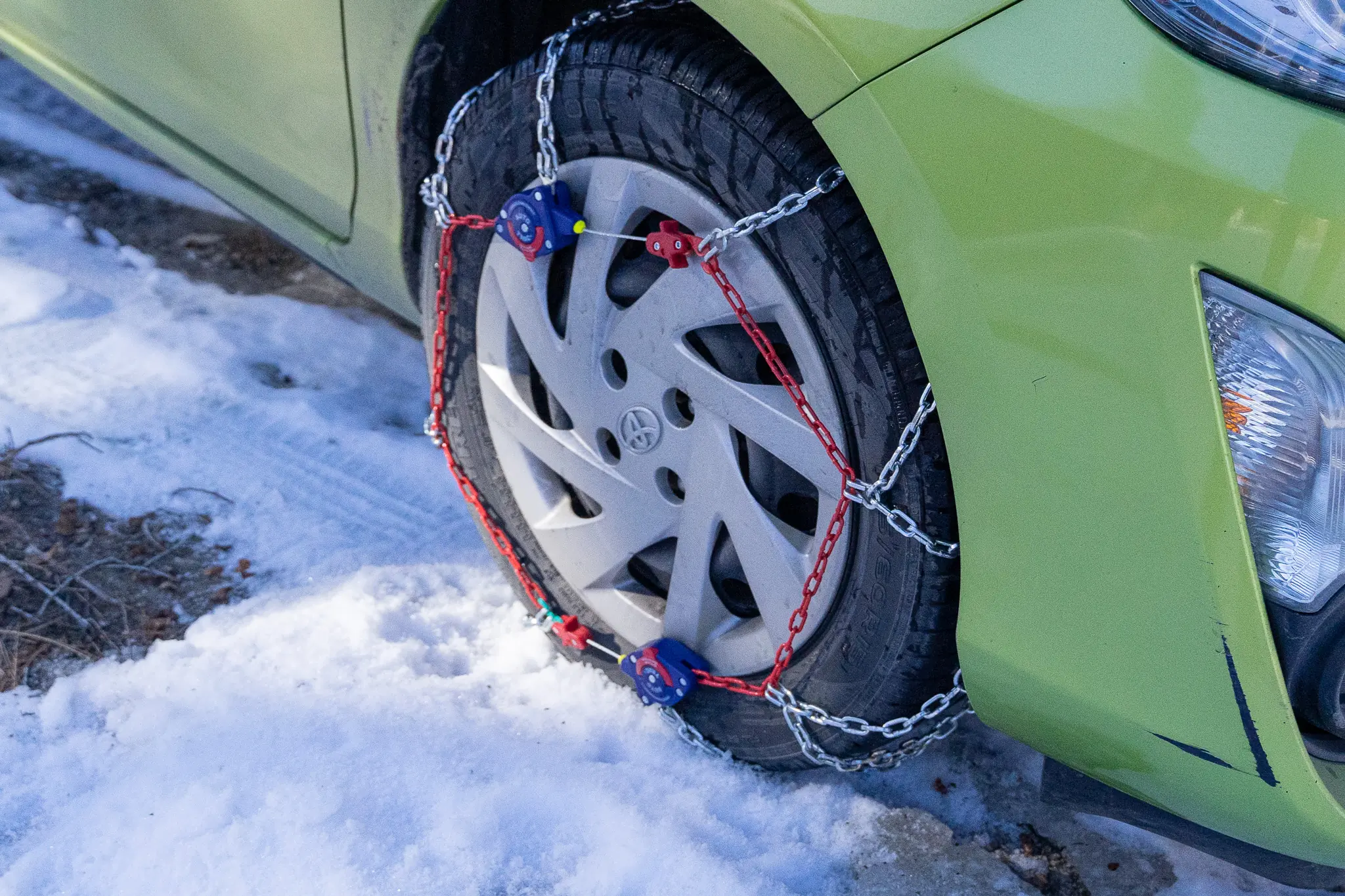
Credit: gearjunkie.com
Choosing The Right Tire Chains
Using tire chains can help you drive safely in snow emergencies. Picking the right chains is important for your car’s performance and safety.
Look at different types, sizes, and materials before buying tire chains. This guide will help you make a good choice.
Types Of Tire Chains
Tire chains come in different styles. Each type suits different road and weather conditions.
- Link Chains:Traditional metal chains that offer good traction.
- Cable Chains:Made of steel cables; lighter and easier to install.
- Composite Chains:Made of plastic and metal for quiet rides.
- Diamond Pattern Chains:Provide better grip on ice and snow.
Size And Fit
Choosing the right size is key. Chains that are too big or small can damage your tires or car.
| Measure Your Tires | Find size on tire sidewall (width/aspect ratio/diameter) |
| Check Manufacturer Guide | Use car manual or chain package size chart |
| Test Fit | Try chains on tires before driving |
| Allow Clearance | Make sure chains do not hit brakes or suspension parts |
Material Considerations
Materials affect durability and traction. Choose materials based on your needs and budget.
- Steel:Strong and durable. Best for heavy snow and ice.
- Alloy Steel:Lighter than steel with good strength.
- Plastic Composites:Quiet and easy to install but less durable.
- Rubber Components:Added for flexibility and to protect tires.

Credit: www.amazon.ca
Preparing Your Vehicle
Using tire chains safely starts with preparing your vehicle. This preparation helps you install chains quickly and avoid damage.
Follow these steps before driving in snowy or icy conditions with tire chains.
Locate The Drive Wheels
Find the drive wheels on your car. These wheels receive power from the engine and move the car forward.
Most front-wheel drive cars use the front wheels. Rear-wheel drive cars use the back wheels. All-wheel drive cars may need chains on all tires or just the front or rear set.
Check Tire Condition
Look closely at your tires before putting on chains. Good tire condition helps chains work properly and keeps you safe.
- Check for worn tread or bald spots
- Make sure tires are properly inflated
- Remove any stones or debris stuck in the tread
- Replace damaged or very worn tires before using chains
Gather Necessary Tools
Collect all the tools needed to install tire chains. Having everything ready makes the process faster and easier.
| Tool | Purpose |
| Tire chains | Provide extra grip on snow and ice |
| Gloves | Protect your hands from cold and sharp edges |
| Flashlight | Help you see if it is dark or snowing |
| Rubber mat or blanket | Place on ground to kneel on while installing chains |
Installing Tire Chains
Tire chains are important for safe driving in snow. They help you get more grip on icy roads.
Knowing how to install tire chains is crucial in snowy conditions. It ensures your safety on the road.
Positioning Chains Correctly
Start by laying the chains flat on the ground. Make sure they are not tangled.
Drive your car forward onto the chains. This allows you to wrap them around the tires easily.
- Unroll the chains completely
- Ensure the hooks are facing outward
- Align them evenly across the tire
Securing Chains Tightly
Connect the chains securely around the tires. Tightening them is essential for safety.
Use the provided hooks or fasteners to lock the chains. They should not be loose.
- Connect inner side hooks first
- Attach outer side hooks
- Check for any loose sections
Testing Installation
After securing, test the chains. Drive slowly to check their fit.
Listen for any unusual noises. Adjust chains if necessary.
- Drive forward a few meters
- Ensure chains are not slipping
- Re-tighten if needed
Driving With Tire Chains
Using tire chains helps your car grip snowy roads better. You must drive carefully to stay safe.
Follow these tips to use tire chains the right way during snow emergencies.
Recommended Speed Limits
Drive slower than usual when tire chains are on. High speeds can cause chains to break or slip.
- Keep your speed below 30 mph (50 km/h).
- Reduce speed further on icy or steep roads.
- Watch for chain wear or unusual noises.
- Stop and check chains if you feel shaking.
Handling And Control Tips
Chains change how your car handles. Use smooth movements to keep control.
- Accelerate gently to avoid wheel spin.
- Brake slowly to prevent sliding.
- Turn the steering wheel softly to keep traction.
- Keep a longer distance from other vehicles.
- Avoid sudden stops and starts on snow.
Avoiding Chain Damage
Protect your tire chains by following these care tips. This keeps chains strong and working well.
| Action | Why It Helps |
|---|---|
| Remove chains on dry roads | Prevents wear and damage from hard surfaces |
| Check tension regularly | Keeps chains tight and prevents slipping |
| Inspect chains for broken links | Ensures safe use and avoids accidents |
| Store chains in a dry place | Stops rust and extends chain life |
Removing And Storing Tire Chains
Using tire chains helps your car move safely on snowy roads. After use, you must remove and store them properly. This keeps the chains ready for the next snow emergency.
Removing and storing tire chains correctly also protects your tires and vehicle. Follow simple steps to do it safely and keep chains in good condition.
Safe Removal Techniques
Remove tire chains on a flat, safe spot away from traffic. Turn off your car and set the parking brake. This prevents the car from moving while you work.
Loosen the chains carefully without pulling hard. Start at the point where the chain locks connect. Take off the chains slowly to avoid damage.
- Park on level ground
- Turn off engine and apply parking brake
- Loosen chain locks gently
- Remove chains slowly from tires
Cleaning And Maintenance
After removal, clean the tire chains to remove dirt, salt, and snow. Use water and a brush to scrub off debris. This prevents rust and wear.
Check chains for any broken links or damage. Fix small problems before storing. Proper care extends the life of your chains.
- Rinse chains with water
- Brush away salt and dirt
- Dry chains completely
- Inspect for damage or broken links
- Repair if needed before storage
Proper Storage Methods
Store tire chains in a dry place to avoid rust. Keep them away from direct sunlight and moisture. Use a storage bag or box to protect them.
Label the storage container for easy finding. Keep chains where you can reach them quickly in winter. Proper storage keeps chains ready and safe to use.
- Dry chains before storing
- Use a storage bag or box
- Keep in a cool, dry place
- Avoid sunlight and moisture
- Label container for quick access
Emergency Tips For Snowy Conditions
Driving in snow can be dangerous. Tire chains help improve traction on icy roads.
This guide shows you how to use tire chains safely during snow emergencies.
When To Use Tire Chains
Use tire chains when roads are covered with ice or deep snow. They help your tires grip the road better.
Check local laws because some areas require chains during winter storms or snowy conditions.
- If your vehicle starts to slip often, chains can improve control.
- Use chains on steep hills or mountain roads to avoid sliding.
- When emergency signs require chains, follow the rules to stay safe.
Additional Safety Precautions
Before driving with chains, inspect them for damage. Broken chains can cause accidents or vehicle damage.
Drive slowly and avoid sharp turns. Chains work best at lower speeds, usually under 30 mph.
- Install chains on drive wheels only, unless your vehicle has all-wheel drive.
- Tighten chains properly to prevent slipping or loosening.
- Remove chains when roads clear up to avoid damage to tires and roads.
What To Do If Chains Fail
If your chains break or come loose, stop safely off the road. Fix the problem before driving again.
Keep a basic repair kit in your car. This can help you fix or adjust chains in bad weather.
- Check for broken links or loose parts.
- Retighten chains if they become loose.
- Replace chains if they are damaged beyond repair.
- Seek help if you cannot fix chains yourself.
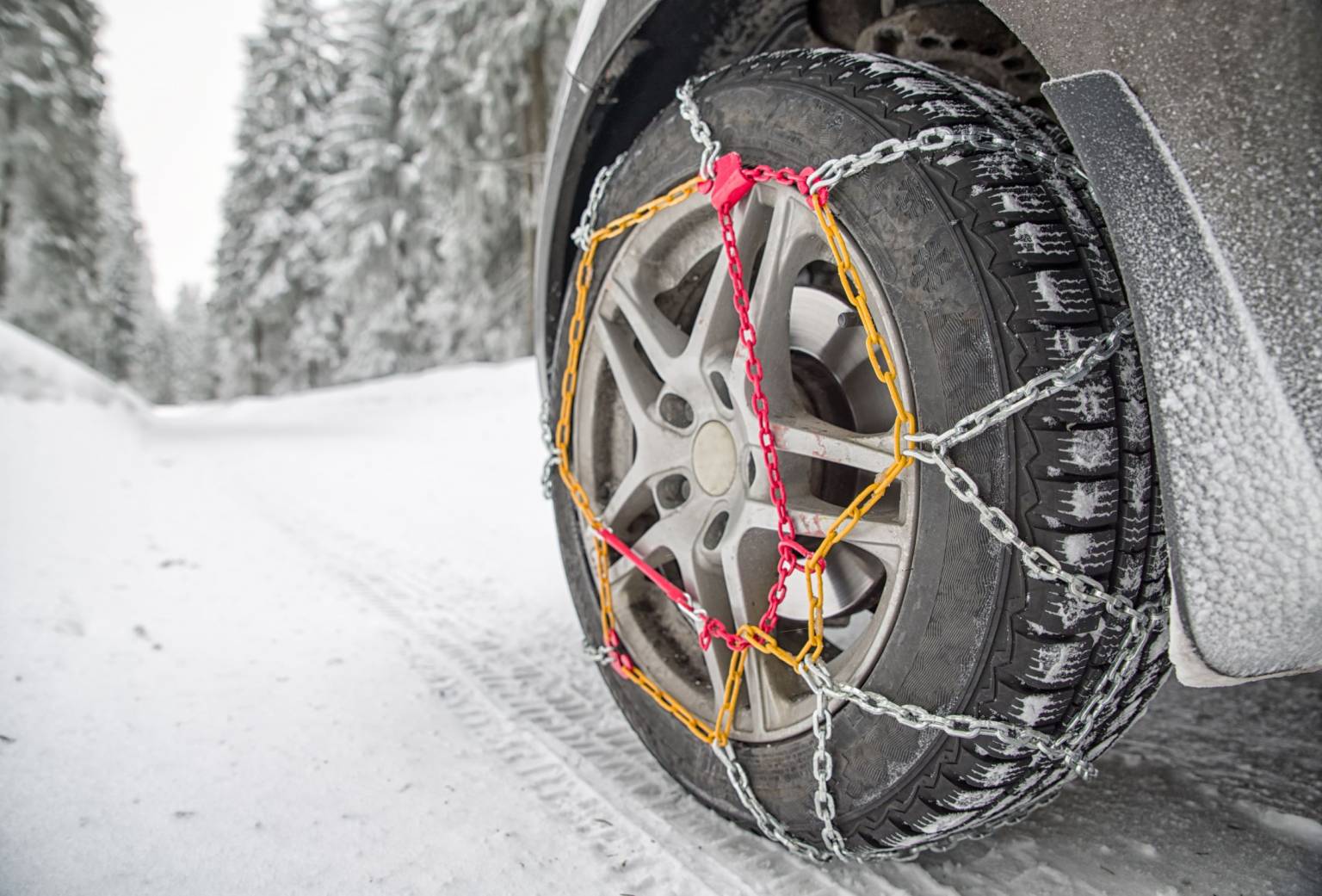
Credit: gearjunkie.com
Frequently Asked Questions
How Do Tire Chains Improve Car Traction In Snow Emergencies?
Tire chains increase grip on snowy and icy roads by digging into the surface. This prevents slipping and improves vehicle control. They are essential in emergency snow conditions to enhance safety and reduce accident risks.
When Should I Install Tire Chains On My Car?
Install tire chains before driving on heavy snow or ice-covered roads. Avoid waiting until you get stuck. Check local laws for chain requirements during snow emergencies to ensure compliance and safety.
Can Tire Chains Damage My Car Or Tires?
If installed incorrectly, tire chains can scratch rims or damage tires. Always follow manufacturer instructions carefully. Remove chains when driving on clear roads to prevent wear and vehicle damage.
Are Tire Chains Legal In All Snow Emergency Zones?
Laws vary by state or region. Some areas mandate chains during snow emergencies, while others have restrictions. Always check local regulations before use to avoid fines and ensure safe driving.
Conclusion
Tire chains help you drive safely on snowy roads. They improve tire grip and reduce slipping. Always install them before the snow emergency starts. Check chains for damage and fit them tightly. Drive slowly and avoid sharp turns with chains on.
Remove chains when you reach clear roads. Following these steps keeps you safe and legal. Stay prepared and drive carefully in winter weather.







